Most runners turn their shoulders into brakes. That is why london marathon shoulder relaxation cues for less upper-body tension matters so much more than fancy workouts, because tension travels through your neck, steals your breathing, and forces your arms to work harder than they should.
Here is the blunt truth: when your shoulders creep up, your arm swing tightens, your posture stiffens, and you waste energy that should go toward forward motion. The winning cue is simple and repeatable, keep your shoulders down and relaxed while your arms swing like a quick pendulum, and check that your wrists and hands stay loose instead of “hovering” near your chest.
In this article, I will argue for rehearsing relaxation before race pressure hits, so the cues become automatic when the miles get tough. You will learn how to run posture without rigidity, how to notice where you store stress, and how to reset with fast mobility drills and breath-based release until relaxed mechanics feel normal.
Stop Treating Shoulder Tension Like Normal Race Weather
If your shoulders creep up as soon as the effort rises, you are not dealing with a harmless quirk. You are paying an energy tax in the one place your body least needs extra work. Tight upper-body mechanics steal rhythm from your stride and inflate fatigue late in the run.
The goal is not to “be relaxed” in a vague way. The goal is repeatable shoulder relaxation cues for less upper-body tension, especially under the pressure of events like the London Marathon. Why waste watts on an unstable upper body when your legs should carry the load?
Relaxation is not softness. It is efficient tension management.
The London Marathon Sends Tension Signals Fast
Long races create a predictable stress ladder: early focus becomes mid-race strain, mid-race strain becomes late-race guarding. When that guarding starts, shoulders often lift first, then the neck locks, then the arms stop swinging like a pendulum. The chain reaction feels “automatic,” but it is actually a learned response.
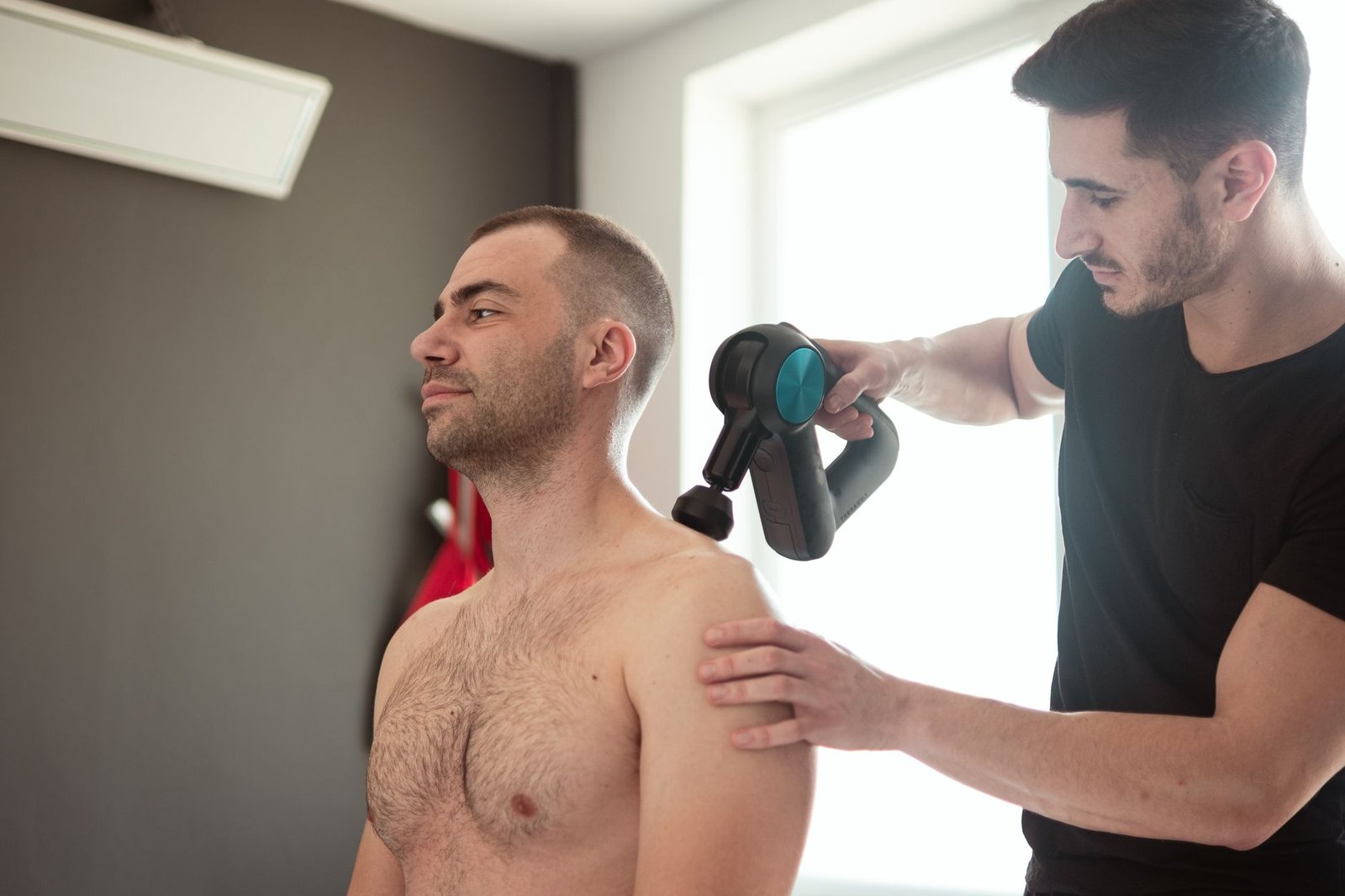
Think about it during training. If you can’t keep your shoulders down and relaxed for a steady 20 minutes, you will struggle when the crowd noise and pacing pressure hit. The marathon simply intensifies what you practice.
Set a Down and Relaxed Baseline Before You Ever Sprint
Make your starting posture a training cue. Stand tall but not rigid. Let your collar area feel open, not braced. Then check whether your shoulders are hovering above your ribs like shrugging is your default mode.
Do it in small, frequent ways: a quick glance at your posture, a brief roll of attention from neck to shoulder blades, and a reset to “down and relaxed.” This is how you teach your body the intended position before adrenaline rewrites your habits.
Let Your Arms Swing Low and Light Like a Metronome
Your arm swing should feel like it is powered by your torso rotation, not your shoulder muscles. Keep arms low, light, and rhythmic. When your hands stay relaxed and your elbows do not yank back and up, the shoulders have less reason to clamp.
Try this question mid-run: are your arms driving tension upward, or are they helping you move forward smoothly? When you feel the shoulders lift, reduce the range slightly and restore a steady cadence. Less upper-body motion is often the fastest path to better running form.
Fix the Fist and You Fix the Tension Source
Many runners unknowingly clenches their hands, then compensate with forearm tension, then recruit shoulders to stabilize the whole upper body. The fix is simple: aim for a relaxed fist and let wrists pass near your waist instead of traveling up toward your upper chest.
If you want a clear cue, use this: quiet hands, low wrists, relaxed shoulders. The chain reaction goes both ways. When you soften the hands, the shoulders often follow.
Use Micro Checks Before the Slump Becomes a Habit
Do not wait for the race to “go bad” before you react. Use micro checks every so often, especially when your pace changes or your breathing gets heavier. Ask one question: am I stressed, and where am I storing it right now? Neck, shoulders, or upper back.
Then release with a deep breath and watch what your arm swing does when you are relaxed. If the arms suddenly feel freer and the shoulders drop, you found the lever. If nothing changes, your cue may be wrong or too late.
Small guidance like shoulder tension advice often boils down to this same principle: adjust early, not after the damage is done.
Rehearse Relaxation When Race Pressure Is Off
Your nervous system does not learn relaxation only from inspiration. It learns from repetition when you are calm enough to feel the difference. That is why the best time to practice shoulder mechanics is before you are out of breath and before adrenaline makes every sensation louder.
Use controlled drills to rehearse “down and relaxed” so it becomes automatic during hard segments. Here is a compact menu you can rotate through:
| Drill | Typical Reps Or Time | Target Outcome |
|---|---|---|
| Continuous Shoulder Rolls | 2 sets of 10 | Loosen upper traps |
| Small to Large Arm Circles | 20 to 30 seconds each way | Restore swing range |
| Ear to Shoulder Stretch | 10 reps per side | Reduce neck guarding |
| Shoulder Pulling Holds | 10 reps per side | Open upper back |
| Pendulum Arm Swing Practice | 3 rounds of 30 seconds | Keep shoulders low |
After the drill, check your running setup in a mirror. If you cannot reproduce the relaxed look when you are standing calmly, you cannot expect it to survive miles of fatigue. Train the sensation, not just the instruction.
Mirror Practice Makes the Cue Real
Stand in front of a mirror and rehearse a back and arm swing that stays tension-free. Watch for shoulder lift, neck crunching, and excessive upper-body rotation. Your goal is an arm swing that stays tension-free so you do not “waste energy” with unnecessary movement.
Now repeat with one deliberate adjustment at a time. Keep shoulders down. Keep wrists low. Keep the movement smooth. If your form looks relaxed but your body feels tight, you need a different cue. Your muscles will not lie.
Warm Up With Mobility That Targets the Upper Body
Running fitness is not only legs. Upper-body tightness is often the limiting factor for posture during long efforts. Build a warm-up that specifically addresses shoulder mobility and neck comfort, so your “down and relaxed” position is available when you need it.
Include shoulder rotations, progressive arm-circling, and gentle targeted stretches. You are not trying to become a gymnast. You are trying to remove the friction that makes your shoulders climb when the pace rises.
Mid-Run Unlocking Breaks the Guarding Loop
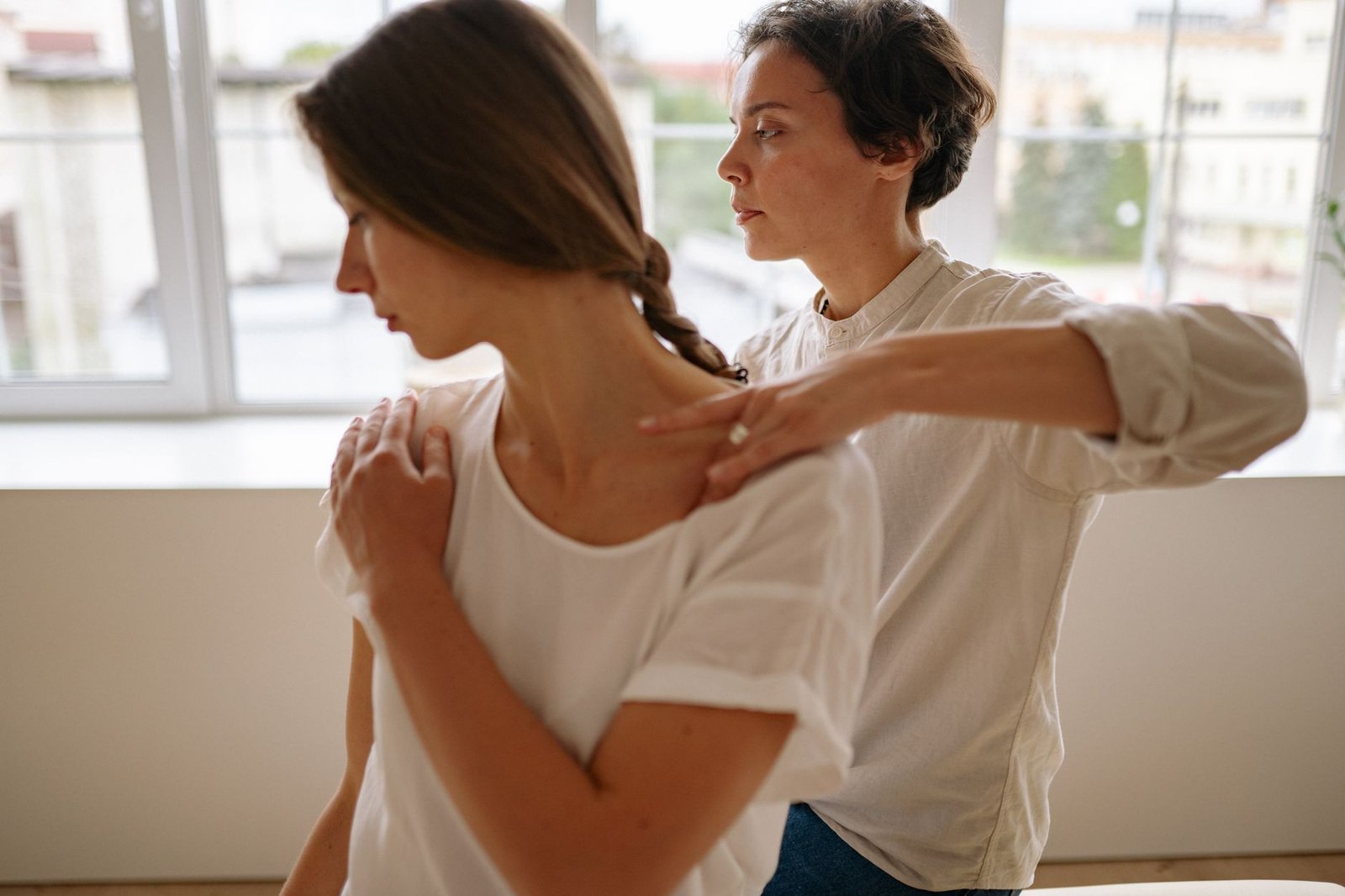
When you notice tension, do not just think about relaxing. Give your body a physical signal. Controlled shoulder “unlocking” and brief mobility actions can interrupt the guarding loop that keeps shoulders elevated.
Keep it short and repeatable: a few shoulder rolls, a moment of gentle range, then back to your normal arm swing. If the tension returns immediately, you likely need more rehearsal earlier in the run or a better baseline cue before fatigue.
Breathing Is a Tool, Not a Mood
A deep breath can do more than calm you. It can change how your ribcage and neck muscles coordinate, giving the shoulders permission to drop. Try a simple reset: inhale fully, exhale with intent, and watch whether shoulders soften on the out-breath.
Pair breathing with a precise cue. For example, inhale tall, exhale shoulders down and relaxed. This makes relaxation measurable. Are your shoulders lower after the exhale, or are they still braced?
Know When Tension Means Pain, Not Form
Most shoulder tension is mechanical and cue-driven. But persistent sharp pain, numbness, or worsening discomfort is a different story. If relaxation cues help temporarily but symptoms grow over time, treat it as a health signal, not a mindset problem.
The editorial takeaway is direct: stop accepting “always tight” as your personal running identity. Train the relaxation mechanics, respect recovery, and if symptoms persist, get professional assessment so you can run fast without paying for it in your upper body.
How Can London Marathon Runners Use Shoulder Relaxation Cues to Reduce Upper-Body Tension?
What Shoulder Positioning Cues Help London Marathon Runners Keep Shoulders Down and Relaxed?
Aim for an upright but not rigid torso, keep your shoulders “down and relaxed” (not lifted), and use quick posture checks so your chest stays open without rounding; let your shoulders gently rock with your arm momentum rather than fighting it.
How Should Arm Swing Feel When You’re Reducing Upper-Body Tension During the London Marathon?
Let your arms swing low and light like a fast pendulum, with relaxed hands and wrists; avoid letting your hands rise toward your upper chest, and monitor that your shoulders stay quiet as your legs and core drive the motion.
Which Posture Checks Improve Neck and Shoulder Relaxation While Running?
Periodically scan your posture: keep a neutral head position, relax your jaw and fingers, and ensure your wrists pass near your waist; if you notice elevation in the shoulders or tightness creeping into the neck, reset by exhaling and lowering the shoulder line.
How Can You Train London Marathon Shoulder Relaxation Cues Off the Road So They Become Automatic?
Practice in calmer moments—such as standing in front of a mirror and rehearsing a back-and-arm swing with zero upper-body strain—so the “shoulders down” cue becomes familiar before race pressure; then repeat short check-ins while you warm up.
What Mobility Drills Work Best for Less Upper-Body Tension Before the London Marathon?
Use simple, controlled mobility like continuous shoulder rotations for a couple of sets, brief arm-circling warm-ups that expand range gradually, and targeted upper-back loosening such as gentle ear-to-shoulder stretches and light shoulder pulling holds.
How Do You Release Tension On the Spot Without Wasting Energy During the London Marathon?
When you feel shoulders tighten, notice where it’s stored (often neck, shoulders, or upper back), take a deeper breath, and let the shoulders drop as you refocus on low, relaxed arm swing; this keeps you efficient instead of over-rotating the upper body.
Make Shoulder Calm Automatic on Race Day
The takeaway is simple: London marathon shoulder relaxation cues for less upper-body tension will only help if you practice them until “down and relaxed” becomes your default. Keep checking posture and arm swing, watch your wrists and relaxed hands, then use quick unlocking drills and gentle mobility to retrain where tension shows up. Train the habit when it feels easy, and you will protect your efficiency when the miles turn heavy.

I am Ozan, a London-focused running writer and marathon enthusiast with a passion for helping people discover the city’s best races, running routes, walking trails, and fitness events. I research and write practical, up-to-date guides covering marathons, race preparation, training tips, running gear, and everything related to staying active in London.
My goal is to create reliable, easy-to-follow content that helps runners and walkers of all experience levels explore London with confidence, whether they’re preparing for their first 5K or their next marathon.