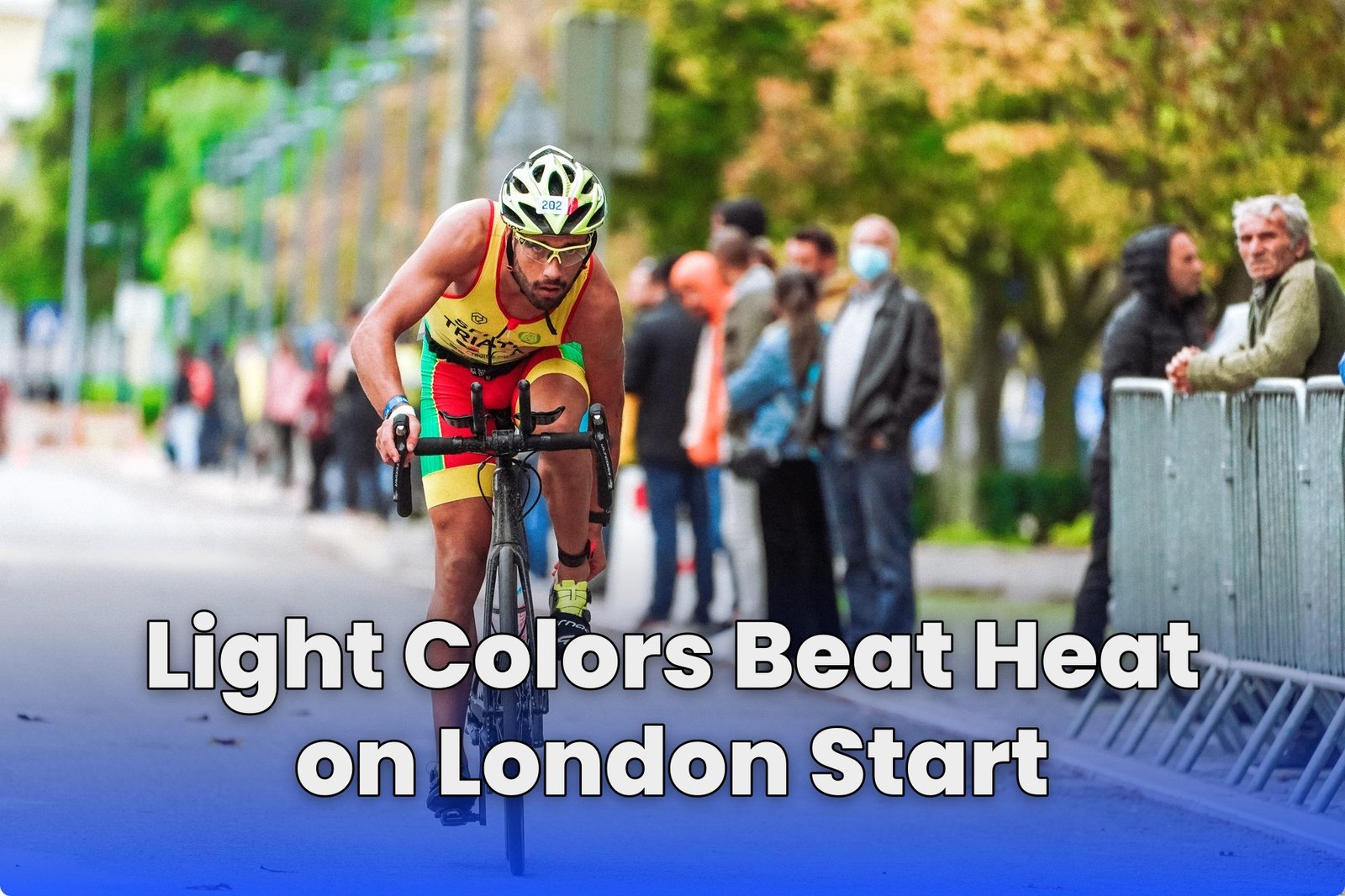
London race days punish the wrong colors. You cannot treat clothing like an afterthought and expect performance, comfort, and safety to magically work out. That is why I back the race-day clothing color strategy for london visibility and heat control: pick shades that keep you from overheating, then add high-contrast and reflective details so drivers and other runners can actually spot you when light is changing fast.
Heat management is simple physics. Light colors reflect more solar radiation, while dark colors soak it up, and that means you can end up feeling heavier, more tired, and less steady even if your pace is the same. The smart approach is to start light and breathable, then adjust with thin layers when conditions shift, rather than dressing for the temperature you hope the day will be.
Visibility matters just as much, especially around dawn, dusk, and wet stretches where glare and shadows can hide you. Bright accents on arms and legs, reflective panels, and clear, high-contrast logos make a difference without adding bulk. If you want to finish feeling in control, treat color as part of your race plan, not just style.
London Race Days Need Two Jobs From Your Outfit
When you pick race-day clothing color strategy for London, you are not chasing aesthetics. You are managing two forces that fight each other: heat absorption and visibility.
In warm conditions, light shades bounce solar radiation and reduce heat load. On the other end, London’s dawn, drizzle, and darker routes demand contrast and reflectivity so people can actually spot you. If your plan ignores either half, you will pay for it with discomfort or danger.
So why do so many runners show up in either one-color “heat armor” or all-black “stealth” gear? The smart move is a deliberate pairing: light base for heat control, high-contrast or reflective details for visibility.
Heat Control Starts With Reflectance, Not Vibes
Dark colors absorb more radiant energy than light colors. That difference is simple physics you feel in your legs. When the sun hits your kit, black and deep tones can raise body heat faster than you expect, especially during steady efforts.
Light colors, particularly white and other pale shades, reflect more light back toward the environment and often feel cooler at the same temperature. The key is that “cooler” is not a marketing claim. It is reduced thermal gain while you run.
And if you think heat is only about the weather forecast, ask yourself this: what happens when clouds break and the sun finds you for the last 10 km? Color choice decides how hard that surprise hits.
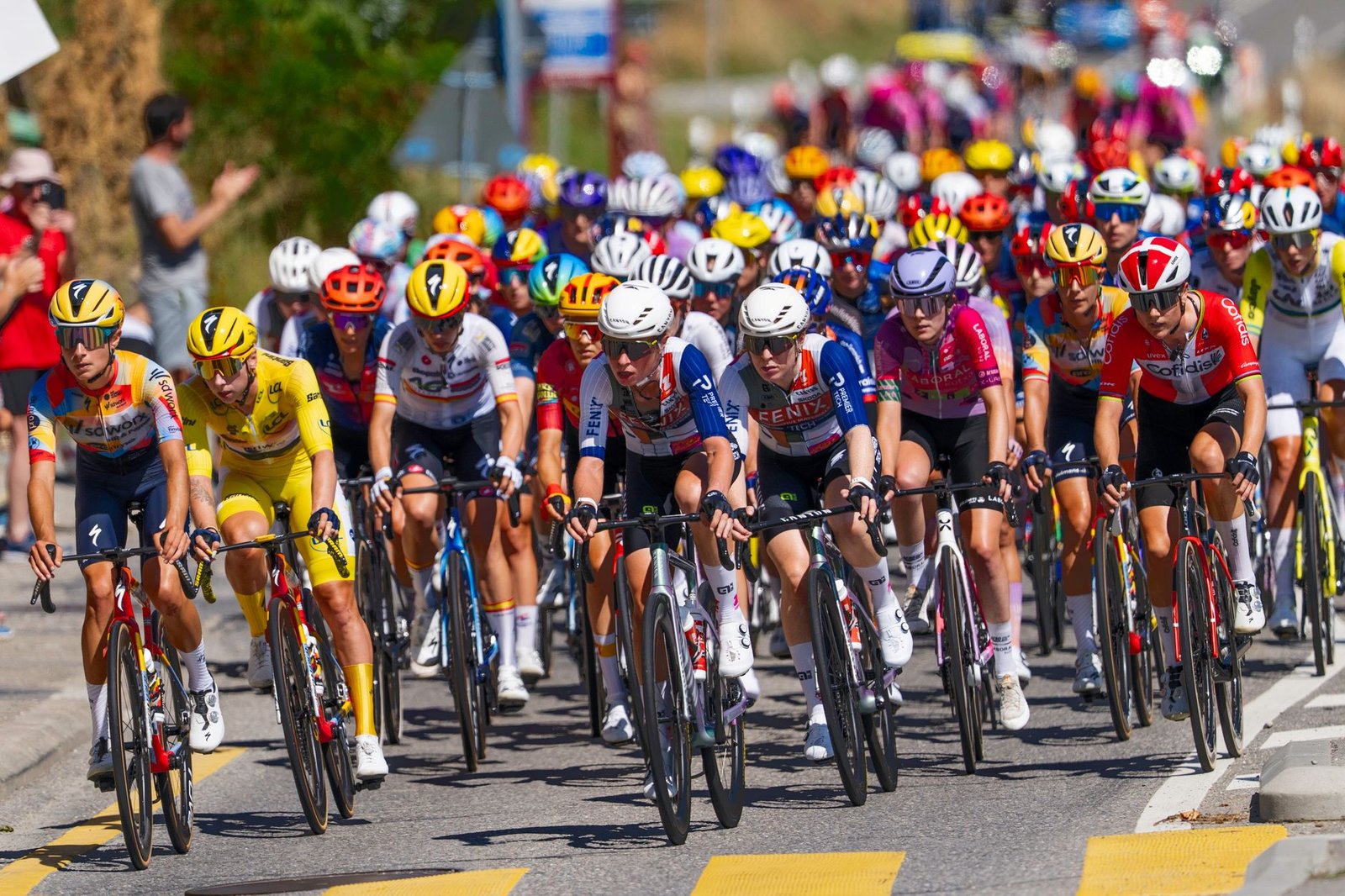
Visibility Is a Safety System, Not an Accessory
Race day in London can shift from bright morning to low light without warning. Rain, wet asphalt, and shade create conditions where a runner in low-contrast clothing becomes hard to track visually. Your clothing color strategy has to account for that.
Some people argue that reflective tabs on a bib are enough. They miss how quickly visibility degrades when you are moving, when the route has varied lighting, and when other runners crowd your peripheral view. Can drivers and marshals read your pace if they cannot read your silhouette?
For a grounded look at how color can influence body temperature effects, pay attention to body temperature effects when you choose between dark and light tones for race effort.
White, Cream, and Pale Pastels Beat “Any Color” Thinking
In warmer starts, you want colors that keep heat gain low across the whole run. Light-colored tops and bottoms tend to feel better because they absorb less solar energy than dark kit. That comfort matters because discomfort steals focus from pacing.
Yes, you can look stylish in light shades. But the real win is practical: fewer heat headaches, less “too warm too soon,” and a body that stays ready for the final third.
Choose light shades you can commit to for hours. If you hate bright kit, settle for off-white or a pale neutral. The goal is reflectance, not a fashion compromise that quietly turns into thermal overload.
Contrast Details Solve the “I’m Too Dark to Be Seen” Problem
Heat control does not have to mean invisibility. The simplest way to cover both is to build your kit with high-contrast and reflective details: trim at sleeves, panels on shorts, reflective logos, or bright accents on calves.
Contrast is what gives you edges when lighting drops. Reflectivity is what gives you recognition when conditions go wet or dim. Together they help others identify you as a moving person, not a moving blur.
Don’t treat this as optional. If your route includes bridges, shaded segments, or a finish that runs under lower light, your kit should be readable from a distance.
Use a Simple Heat-Color Grid Before You Pack
You can fine-tune color choices using a dependable rule of thumb. Many runners dress for about 15–20°F (8–11°C) warmer than the actual temperature, then adjust with the lightest breathable layer you can stand.
Once you know your likely temperature band, you can lock in a color plan that matches the sun and the finish. Below is a quick, race-day grid you can actually use while packing.
| Condition | Color Choice | Measured Benefit to Expect |
|---|---|---|
| 40–55°F (5–13°C) with sun breaks | Pale base, minimal dark outer | Lower thermal load during sunny gaps |
| 55–65°F (13–18°C) mixed light | Cream or light shorts with contrast | Stable comfort across changing light |
| 65–80°F (18–27°C) direct sun | White or very light kit | Reduced heat absorption while racing |
| 60–75°F (16–24°C) humid | Light moisture-wicking colors | Less “stuck heat” on fabric |
| 40–60°F (5–16°C) overcast | Neutral base, controlled insulation | Avoids unnecessary heat buildup |
Then add visibility on top of that base plan. A light kit with reflective trim can outperform an all-black kit every time because you get less heat stress and better recognition at the same effort.
If you want one packing principle: pick your heat colors first, then choose your visibility colors as the final layer of decisions.
Warm 40–80°F Days Demand Light Fabric and Light Color
In the 40–80°F (5–27°C) range, especially under direct sun, your top and bottom color choice should do real work. Light colors tend to reflect solar radiation and reduce heat absorption, which can translate into less fatigue from thermal stress.
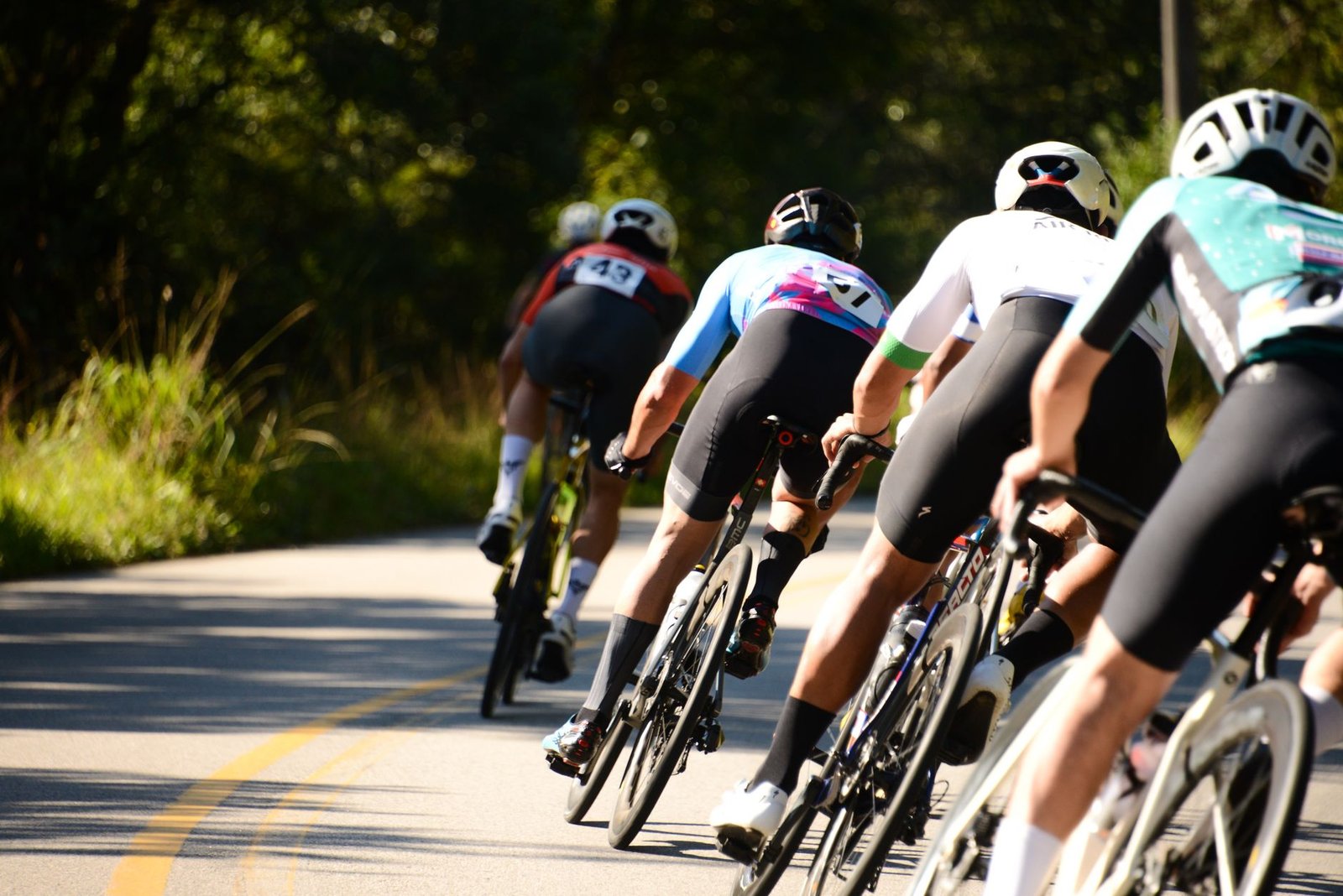
But color alone is not enough. Pair light shades with moisture-wicking fabric so sweat moves away from your skin. When light fabric stays breathable, you keep your heat balance steadier and your pace more controlled.
Are you tempted to wear black “because it looks fast”? That look comes with a heat bill. Pay it if you want, but do it knowingly.
Cool Starts Still Need Color Discipline
At cooler temperatures, insulation matters. You should keep your warm base layers effective. But that does not mean you must default to dark colors everywhere.
Using lighter or neutral colors where possible avoids unnecessary heat buildup, especially if your race warms you as you settle into rhythm. Many runners underestimate how quickly they overheat once the pace locks in.
If you need darker outerwear, limit it to the piece that actually protects you from wind, and keep the main racing layer light. That approach respects both thermal comfort and your ability to breathe.
Outerwear Should Be Dark Only When Wind Forces It
Wind is the exception that justifies darker outer layers. When you truly need wind protection, a darker jacket can be a practical trade. The difference is that outerwear heat gain is time-limited if you can stash it soon after the start.
Do not turn the entire outfit dark because you fear looking underdressed. The heat cost of dark colors is not moral, it is physical. If you plan a remove-able outer layer, you control that cost instead of accepting it.
Think of dark outerwear as a tool, not a lifestyle. Use it for protection. Keep the racing kit itself light and deliberate.
Rain and Wet Roads Require Reflective Confidence
When rain hits, visibility becomes harder. Wet surfaces can blur silhouettes, and low-light conditions make it difficult for vehicles and marshals to pick you out. That is why reflective or high-contrast panels are not decorative. They are functional.
Choose clothing with reflective elements on key areas, like arms and legs, so your motion reads clearly. Bright accents around calves can help because leg movement is what people track first.
If you run in drizzle, prioritize visibility pieces that hold up when damp. A reflective logo that is partly concealed by dark fabric is less helpful than a deliberate contrast panel.
Hat Versus Visor Choose According to the Light You’ll Face
Headwear is not just about weather. It shapes how sun and rain reach your face, eyes, and neck. A brimmed hat can help in rain because it blocks drops before they run down toward your eyes.
A visor helps in strong sun because it shades while heat can escape upward. That matters in London where the sky can shift quickly, and where you can go from shadow at the start to direct sun mid-route.
Pick the headwear that matches your likely conditions, then keep the color visible. A bright top of a cap or a high-contrast headband can improve your silhouette in low light.
Don’t Forget Sunglasses as a Color Strategy Tool
Sunglasses might seem like a separate topic, but they change how you experience glare and how steadily you can judge your surroundings. Less glare means fewer micro-stops to refocus, and a calmer effort through the race.
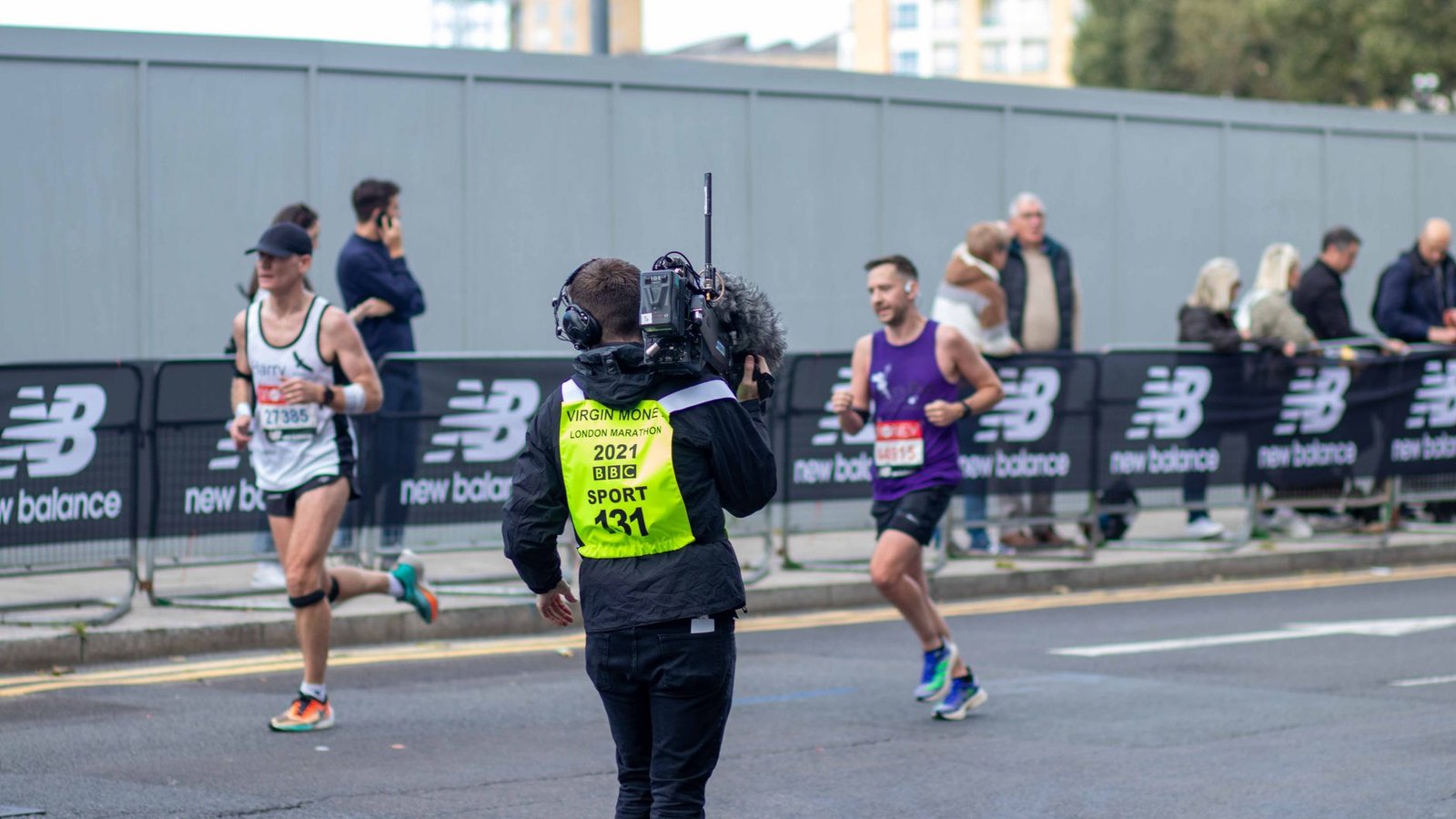
From a practical perspective, sun protection also supports your color strategy. If you are using light kit to reduce heat absorption, you still need eye comfort to maintain consistent pacing in bright stretches.
Choose lenses suited to the brightness you expect, and keep your visor or cap in sync with that plan. When your kit reduces heat stress and your eyes stay comfortable, your effort becomes easier to control.
Pack Like a Pacing Machine, Not Like a Fashion Editor
Your outfit should help you execute, not experiment mid-race. The best race-day clothing color strategy for London—visibility and heat control is the one you can repeat under pressure. That means you should test it before race day, especially moisture-wicking colors and reflective placement.
Also plan for how your kit will look and feel after the first kilometer. If your top shifts in brightness when wet, or if reflective elements sit low on your body where they get covered, the benefit drops. Train your packing choices so they match how the clothing performs in motion.
Quick rule: heat colors on the inside, visibility colors where the world can see you. Then run your race, not your wardrobe troubleshooting.
Race-Day Clothing Color Strategy for London: Visibility and Heat Control
How Do Light and Dark Clothing Colors Help With Heat Control on London Race Days?
Light colors reflect more solar radiation and usually reduce heat absorption, while darker colors absorb more heat and can increase discomfort, so lighter shades are a better choice for hot, sunny starts.
Which Clothing Color Strategy Works Best for Warm, Sunny London Race Conditions?
Choose moisture-wicking light-colored tops and bottoms like white or other pale shades, because they tend to stay cooler in direct sun and help you manage heat while you keep moving.
What Temperature-Based Guideline Can You Use to Pick Race-Day Clothing Colors in London?
A practical rule is to dress for about 15 to 20°F warmer than the actual temperature, then adjust with the lightest breathable layer you have so your clothing color choice stays comfortable as conditions change.
How Can You Improve Visibility With Clothing Color Choices for London Races?
Use high-contrast and reflective details on bright or light base clothing, and add visible accents on arms and legs, especially if you start near dawn or dusk or run on darker routes.
What Should You Wear in Rain to Control Heat and Keep Visibility on London Race Day?
Pick moisture-wicking light or high-contrast colors and add reflective panels or logos, then use a brimmed hat for wet weather or a visor to shade while letting heat escape upward.
When Is Dark Outerwear Acceptable on Cooler London Starts Without Overheating?
Dark outerwear can work for wind protection on cooler starts, but favor lighter or neutral base layers and use darker pieces only if you need protection and you are not spending long periods in direct sun.
Time for a Smarter London Race Day Color Strategy
Race-day clothing color strategy for london—visibility and heat control means you manage sun and safety at the same time. Start with light, breathable, moisture-wicking layers to cut heat absorption when the day warms up, then lock in visibility with high-contrast and reflective details on arms, legs, and key spots for dawn, dusk, and wet conditions. Commit to the light base and the reflective accents every time, because comfort keeps your engine steady and visibility keeps you seen.

I am Ozan, a London-focused running writer and marathon enthusiast with a passion for helping people discover the city’s best races, running routes, walking trails, and fitness events. I research and write practical, up-to-date guides covering marathons, race preparation, training tips, running gear, and everything related to staying active in London.
My goal is to create reliable, easy-to-follow content that helps runners and walkers of all experience levels explore London with confidence, whether they’re preparing for their first 5K or their next marathon.