Toenail pressure before a race is not inevitable, it is preventable. If your shoes squeeze your toes or your foot slides forward on each step, you are setting yourself up for bruising, soreness, and that dreaded black toenail. The fix starts before race day, with smart fit checks that treat comfort as performance, not as an afterthought.
Do a fit check the moment you can still change something. Try your race shoes on with your running socks, then do a simple toe-box test: press your longest toe forward slightly and make sure there is real room, not just “it seems fine.” If you feel pressure, or you cannot stop heel and forefoot movement after you re-tie, size up or adjust immediately, because time on your feet will only make the problem worse.
My strong advice is to build your routine around prevention, not damage control. Trim your toenails cleanly a few days before you race, use silicone toe pads if you need extra cushioning, and double-check lacing so your toes do not get rammed forward, especially on downhills. And if you already have infection, severe discoloration, or an ingrown nail, do not “push through” it, get professional help so the nail can heal properly.
Fit Checks Are Injury Prevention, Not Optional Fuss
Most runners treat toenail pressure like bad luck. It is not. Pressure happens when your foot slides, compresses into the toe box, or meets a stubborn nail edge under repeated impact. The fix is not hope. The fix is how to prevent toenail pressure with fit checks before you race, done early enough to matter.
Ask yourself a blunt question: if the shoe fit is wrong today, why would it magically be right once you start pounding downhill or sprinting the final mile? Toe problems scale with motion, not motivation.
Thumb Test for Toe-Space Stops Sliding
Start with a simple fit check before you lace up for real. Use the thumb test: when you stand in the shoes, can you slide your thumb between your longest toe and the front of the shoe? If you cannot, the shoe is already crowding your nail bed.
That crowding turns every step into micro-trauma. Sliding makes it worse by repeatedly jamming the nail against the inside wall. A shoe can feel “fine” standing still and still fail under running forces, so test movement, not comfort theater.
Size Up When Your Toes Crowd the Front
If the thumb cannot fit, you do not “tighten smart.” You choose more toe-box space. For many runners, that means sizing up or switching to a wider model. Toenail pressure is often a fit geometry problem, not a willpower problem.
Remember that your feet swell during warm-up and after a few hard minutes. If you wait until race morning to realize your toes are brushing the front, you have already lost the chance to correct the fit without risking blisters and nail trauma.
Trimming and Padding Change the Nail’s Fate
Even with good toe space, nail edges can dig. Trim your toenails a few days before race day. Cut them straight across rather than rounding the corners that can catch and bruise. This reduces the chance of edge pressure that turns into ingrown trouble.
If you are prone to pressure pain, silicone toe pads add cushioning and reduce the direct impact on the nail plate. They are not magic, but they can soften the contact that ruins a season of hard training.
Lacing Systems Keep Nails From Getting Smashed
Toenails usually suffer when your foot moves forward during running. That is why heel lock lacing matters. Re-tie properly so your heel stays anchored, and use a runner’s knot or heel lock so the shoe cannot “chase” your foot up the toe box.
“My shoes feel snug” is not the same as “my foot does not move.” Perform a quick check: after lacing, walk and then lightly jog in place. If your toes creep toward the front, your lacing is failing.
Moisture-Wicking Socks Reduce Friction and Black Nails
Wet friction is a silent contributor to nail damage. Technical socks pull moisture away and reduce rubbing that can inflame the nail area. If you have ever watched toenails go dark after a long race, you know pressure plus friction is a brutal combo.
For practical toe care, follow toe care guidance that emphasizes prevention before symptoms start.
| Fit Check Step | What You Look For | Measurable Target |
|---|---|---|
| Thumb Test | Toe space at the front | 1 thumb fits |
| Toe Contact During Bounce | Nail or toe-box touch | 0 contact sounds |
| Sock Material Choice | Moisture control | No cotton |
| Lacing Anchor | Heel staying put | No forward slide |
| Trim Timing | Edge irritation reduction | Cut 2-4 days prior |
Want a rule you can actually follow? Nothing new on race day, including socks. Wear your preferred technical socks in training first, then lock in the same setup. You are not chasing comfort. You are preventing a pressure-and-friction chain reaction.
Downhill Running Pushes Toes Forward
Up and flat sections let problems hide. Downhill running unmasks them by forcing your foot to surge forward each stride. That is when toenail pressure spikes, because the toe box becomes a moving target.
So adjust your expectations: if you know the course has sustained downhill, you need a tougher standard in your fit check. Use the thumb test again, and prioritize lacing that prevents forward creep. You do not negotiate with gravity.
Don’t Experiment Race Day
Race day is for execution, not trials. New shoes, new socks, new insoles, and new foot products can change how your foot settles and moves. That shift can create toe-box contact or sock bunching that leads to nail bruising.
“It might feel better” is not a strategy. If you want better comfort, earn it during training by running in the exact setup you plan to race in.
Refit After Swelling During Warm-Up
Your feet are not static. Even a well-hydrated runner typically sees a size change as body temperature rises and tissues expand. That means your “works at the car” fit can fail mid-warm-up.
Do a brief fit check after you warm up enough to mimic race conditions. Reassess toe space, heel lock security, and whether any pressure pain appears. Small signals now can prevent big nail damage later.
Existing Ingrowns and Infections Need Medical Help
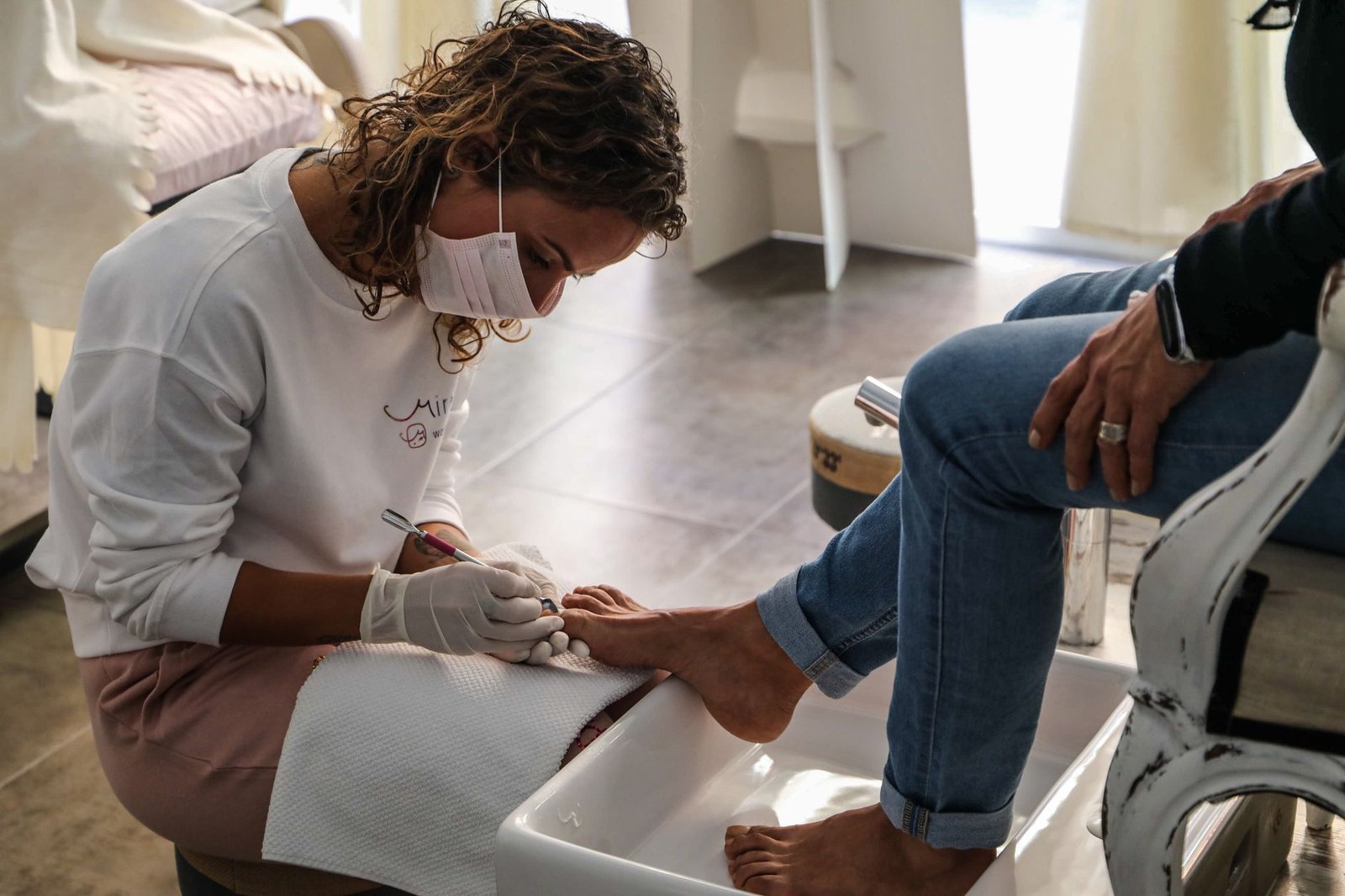
If a toenail is already black, severely ingrown, or infected, do not try to self-manage it through aggressive trimming or removal. That is how minor issues become stubborn injuries that can derail training for weeks.
Get professional care early so the nail and surrounding tissue can heal. Prevention depends on health, and health requires action, not improvisation.
Build a Repeatable Race-Ready Routine
Prevention works when it is repeatable. Create a routine that includes: checking toe space, verifying no forward slide, using lacing that locks the heel, and wearing technical socks you trust. Consistency beats last-minute scrambling.
- Do the thumb test before lacing tightly
- Confirm toe-box clearance while walking and jogging in place
- Protect nails with proper trimming and optional silicone padding
When you follow a routine, your race becomes about pacing, not pain management. Your toenails respond to systems, not speeches.
Consistency Beats Last-Minute Panic
Last-minute hacks rarely fix toenail pressure. They might change the surface feel of a shoe, but they do not change the fundamental physics of sliding and compression. If your fit fails the thumb test, you do not “make it work” with a tighter lace or a different sock brand at the gate.
Choose the right size and setup now, then protect the details on race day. Toenail pressure is preventable when your fit checks are honest, early, and enforced.
How Can You Prevent Toenail Pressure with Fit Checks Before You Race?
How do fit checks before you race help prevent toenail pressure?
Fit checks help by ensuring your toes have enough room and your foot doesn’t slide inside the shoe, which reduces repeated impact that can bruise or press the toenails during running.
What toe-box test should you do when trying on running shoes to prevent toenail pressure?
When you try on the shoes, perform a quick toe-box test by checking whether you can fit a thumb between your longest toe and the front; if there isn’t space, size up for more toe-box room and keep re-checking as your foot size can change.
Should you use silicone toe pads and trim toenails before race day to avoid toenail pressure?
Yes—trim toenails a few days before race day (cut straight across rather than rounding) and consider silicone toe pads for extra cushioning, especially if you tend to get pressure or rubbing.
How do proper lacing and a heel lock reduce toenail pressure when you run?
Use re-tying and a heel lock (runner’s knot) to limit forward foot movement, which is key because slipping or downhill running pushes toes toward the front and can smash the nails.
Which socks and moisture control steps help prevent toenail pressure from friction?
Wear moisture-wicking technical socks instead of cotton to reduce sweat and friction, and avoid trying new shoes, socks, insoles, or foot products on race day to prevent unexpected rubbing.
What should you do if a toenail is ingrown, infected, or black before your race?
Do not pull it off; instead, seek a podiatrist for proper care and give it time to heal, since removing or forcing a problem nail can worsen pain, infection, and damage.
Fit Checks Decide Toe Comfort Before You Race
How to prevent toenail pressure with fit checks before you race comes down to one principle: your toes must have room and your foot must not slide. Do the thumb test for toe-box space, recheck lacing with a heel lock so you do not drive forward on descents, trim nails straight across a few days early, use moisture-wicking socks and consider silicone toe pads for cushioning, and never gamble with new shoes or foot products on race day. Treat your fit checks like race-day equipment, and your nails will thank you when the pace turns up.

I am Ozan, a London-focused running writer and marathon enthusiast with a passion for helping people discover the city’s best races, running routes, walking trails, and fitness events. I research and write practical, up-to-date guides covering marathons, race preparation, training tips, running gear, and everything related to staying active in London.
My goal is to create reliable, easy-to-follow content that helps runners and walkers of all experience levels explore London with confidence, whether they’re preparing for their first 5K or their next marathon.