Hydration timing is where London runners lose the race, not willpower. The common mistake is treating fluids like a simple choice between “sip less” or “sip too often,” when the real difference is how you match intake to the moment you are in. Overcorrecting either way can leave you behind before you even start moving fast.
Here is the uncomfortable truth: waiting until you feel thirsty usually means you are already late, but chugging to compensate beforehand can backfire too. Too much fluid too close to the start can increase bathroom stops and can even raise the risk of water overload, so the goal is steady, measured sips, not extremes.
In this guide, you will learn how to start well hydrated, then sip in small regular amounts instead of gulping, using practical checkpoints like urine color and a sensible pre-race drink amount. You will also learn why electrolyte options often work better during longer efforts, and how to rehydrate gradually after the finish without “dumping” water.
Hydration Failures Start With Bad Timing
Let’s be blunt: most london marathon hydration mistakes are not about drinking too little. They are about drinking at the wrong moment. If you wait until you feel thirsty, you have already fallen behind. If you try to correct that mistake by chugging, you risk turning a small deficit into a big problem.
So what does “sip less or too often?” really mean on race day? It means your body needs steady intake, not heroic bursts. Thirst is a late signal, and stomach discomfort is an early penalty.
Pre-Start Overdrinking Backfires Fast
One of the most common errors is trying to “fix” hydration in the hours before the start. Overdo fluids beforehand and you may feel more thirsty at the start, not less. Then come the bathroom breaks, the stalled rhythm, and the creeping dehydration that follows from losing time and restarting your pace.
You cannot outsmart physiology by force-feeding water. Hydration should start building early, but it should not become a last-minute flood.
Urine Color Is Better Than Feelings
If you want a practical way to avoid guesswork, use a simple benchmark: check your urine before race day. Pale straw, close to clear, is what you are aiming for. When you are already “bursting,” your plan is likely off.
Here is a quick reference for targets and what they imply.
| Situation | Measurable Target | What To Watch |
|---|---|---|
| Before Race Morning | Urine pale straw to almost clear | Baseline hydration |
| 30 Minutes Pre-Start | ~250 ml if not already urgent | Top-up without overload |
| From Waking To Start | ~500 ml total guidance | Steady intake, not chugging |
| During Marathon Effort | Often ~500 ml max for slower runners | Avoid overdrinking |
| After Finish | Rehydrate gradually over 24–48 hours | Replace fluids and salt |
For practical numbers, use hydration guidance that aligns with these principles and adjust for weather and sweat rate.
Sports Drinks Win When Time Matters
Plain water alone can leave you chasing the wrong goal. During efforts that last roughly an hour or more, many runners do better with fluids that include electrolytes, because sweat does not just remove water. It removes salts too.
The logic is simple. If you replace water without sodium and other electrolytes, you may feel “hydrated” on paper while performance and comfort still lag.
Don’t Drink Like It’s a Rescue Mission
Chugging at aid stations feels like discipline, but it often backfires. Large volumes hit your stomach all at once, which can lead to sloshing, nausea, and a higher chance of bathroom interruptions. Smaller, regular sips fit the pace you are running and the digestion you are supporting.
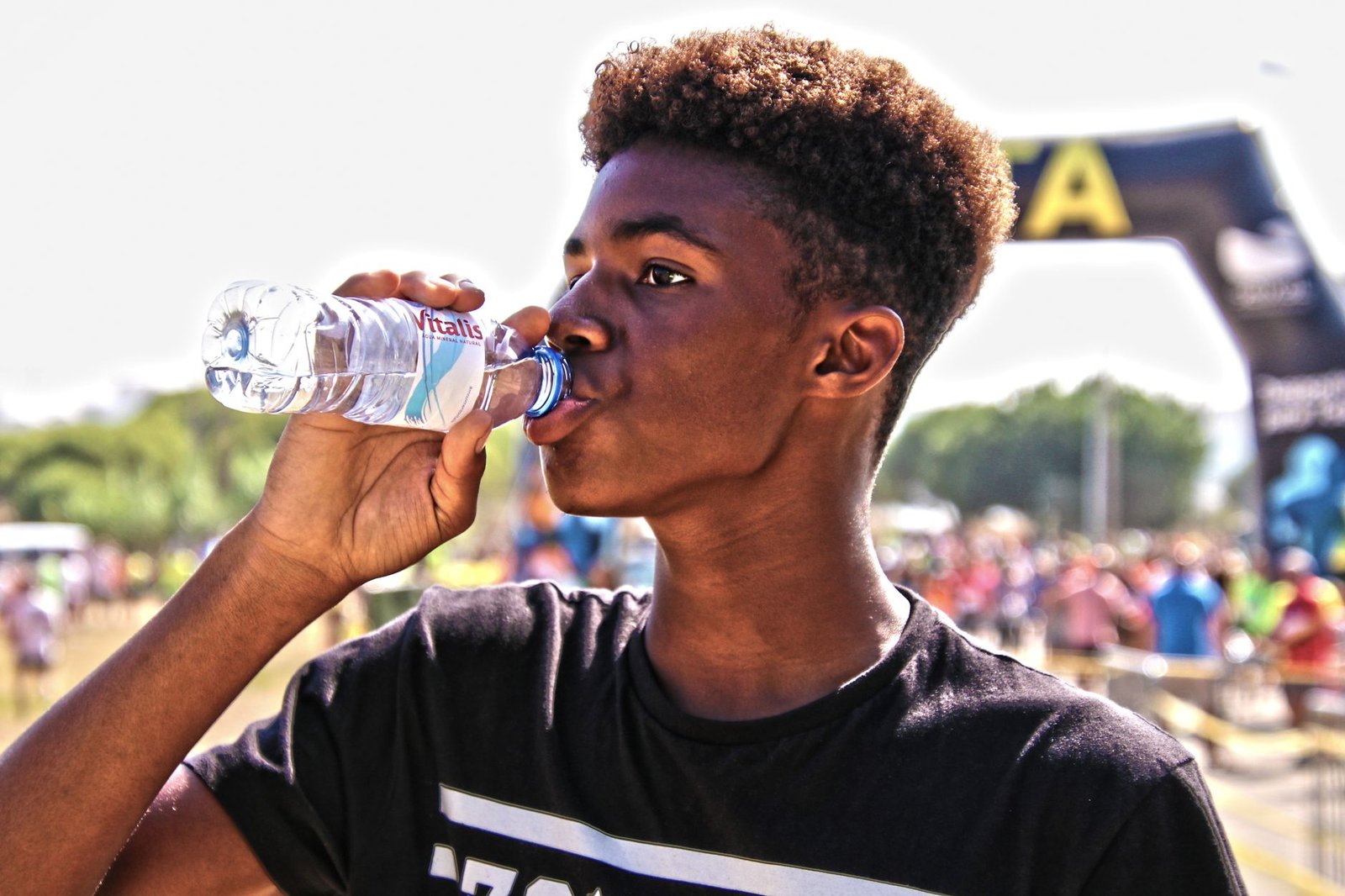
If you only act when you feel bad, you will feel worse after you overcorrect.
Weather and Pace Set Your Fluid Need
“One size fits all” hydration is a myth, especially for the London Marathon where conditions can swing. Hotter weather increases sweat losses. Faster runners also tend to drink differently because their overall effort and heat load differ.
On warm days, faster runners may need up to around 1 litre/hour, while slower runners typically should not exceed about 500 ml/hour. Those aren’t magic ceilings, but they show why rigid rules mislead.
Rigid Ml Per Hour Rules Mislead
Those tidy charts that promise a fixed millilitre rate sound reassuring. But your body is not a stopwatch, and your sweat rate is not a textbook average. A rigid “X ml per hour” approach ignores what your course, temperature, clothing, and pace are doing to your fluid balance.
Instead, use a range mindset: plan a reasonable intake level, then keep it consistent. If you are forced to react dramatically because you waited too long, that is the real failure mode.
Bathroom Breaks Are Data, Not Annoyance
People treat extra trips to the toilet as bad luck. They are often a warning sign. If your hydration strategy creates urgency early, it can also disrupt your rhythm when the race is supposed to settle into its middle miles.
Ask yourself a hard question: if your plan requires repeated emergency bathroom runs, what else is it doing wrong? The answer is usually volume and timing, not motivation.
Dehydration and Hyponatremia Are Not the Same Story
It is easy to panic about dehydration and ignore the other danger: hyponatraemia, water intoxication, which can occur when you take in too much fluid for your body’s ability to balance it. That risk increases when runners overcompensate because they are behind on thirst.
If you feel that sloshing heaviness in your stomach, it can be a signal you have taken too much. The goal is not maximal fluid intake. The goal is appropriate hydration.
Train Your Drinking Routine Before Race Day
Your stomach on race day is not a blank slate. If you never practice taking fluids while running, you will discover the wrong lessons at mile 10. Some runners tolerate sports drinks well, others react; some need smaller sips more often, others need a slightly different cadence.
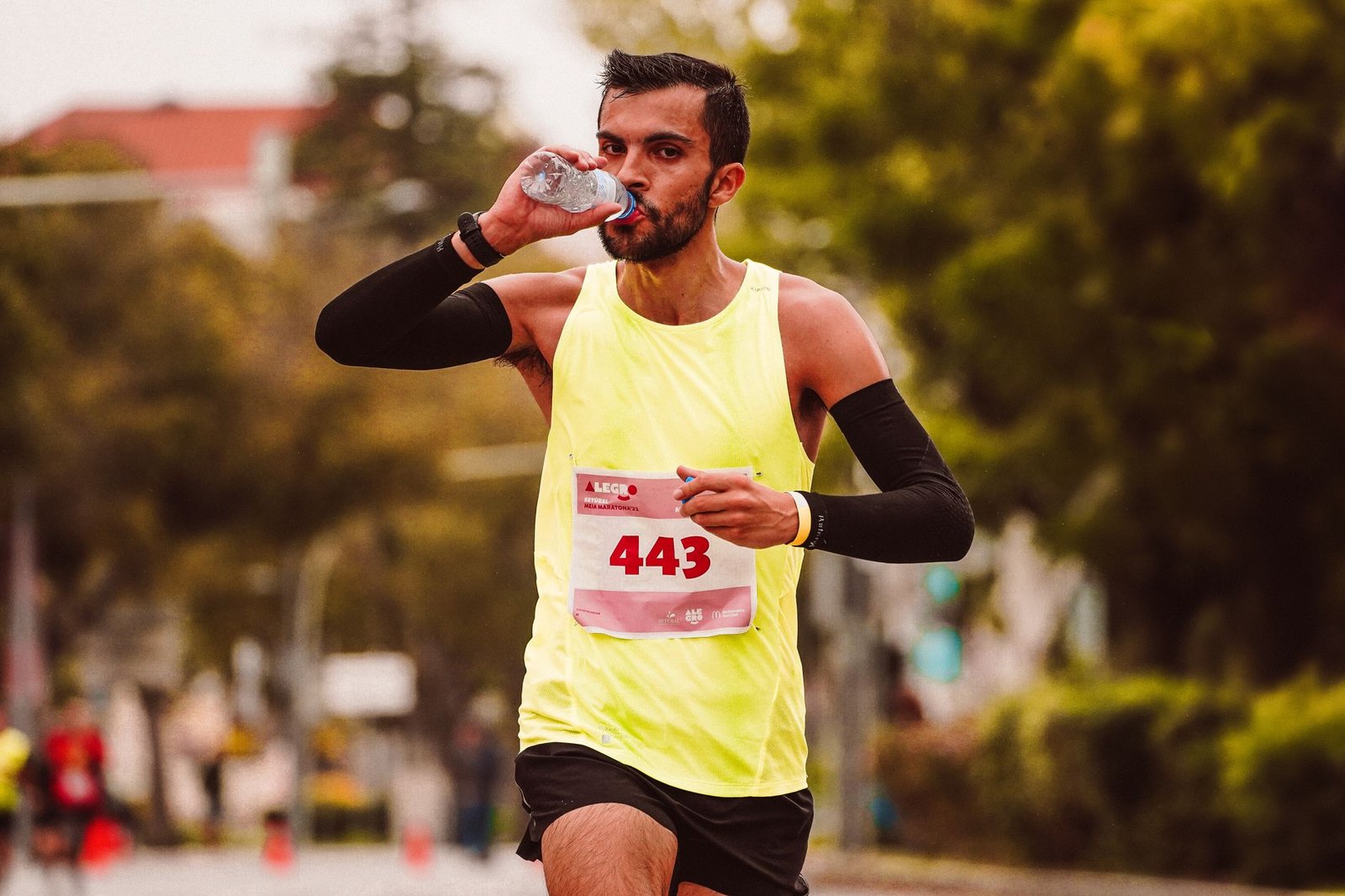
Training the routine beats memorizing numbers. Do it in your long runs, test your preferred fluids, and practice the timing you intend to use on the course.
After the Finish, Rehydrate Gradually With Salt
Many runners commit a second mistake right after the finish. They treat recovery like a reset button and dump large amounts of water, hoping it will “fix” the whole race. But recovery is a process, and it works better when you rehydrate gradually over the next 24–48 hours.
Pair fluids with salty food when appropriate. You are not only replacing water. You are replacing lost water, salt, and glycogen support so tomorrow feels like a continuation, not a punishment.
Stop Chasing Perfect Drinking, Aim for Consistent Control
Here is the editorial verdict: hydration success in the London Marathon is about control, not obsession. Start well hydrated, use small regular sips, choose electrolyte options for longer efforts, and avoid big gulps that gamble with your stomach and sodium balance.
The runner who wins comfort rarely drinks the most. The runner who wins comfort drinks with a plan that respects timing, pace, weather, and measurable signals.
London Marathon Hydration Mistakes: Should You Sip Less Or Too Often?
How can you avoid London Marathon hydration mistakes by drinking too late or too little?
Start well hydrated and take small, regular sips early, because waiting until you feel thirsty can mean you are already behind and playing catch-up.
Is it better to sip less or too often during the London Marathon?
Steady, small amounts are usually best: drink regularly enough to stay comfortable, but avoid chugging large volumes that can build up stomach “sloshing” and raise the risk of overdrinking.
Why is overdrinking dangerous in the London Marathon, and what is hyponatremia?
Drinking too much can dilute sodium and contribute to hyponatremia (water intoxication), which is linked to serious symptoms and can be harder to correct during race conditions.
How much should you drink before the London Marathon start to avoid hydration timing errors?
Aim for pale straw urine and, if you are not already “bursting,” consider about 250 ml in the 30 minutes before the start (or roughly 500 ml from waking to race start), then sip steadily.
Should you use sports drinks with electrolytes or plain water for London Marathon hydration?
For many runners—especially when efforts last around an hour or more—sports drinks or electrolyte options help replace salts lost through sweat better than plain water alone.
How should you rehydrate after the London Marathon without making common hydration mistakes?
Rehydrate gradually over the next 24–48 hours, pairing fluids with salty food to replace water, salt, and glycogen, rather than doing large “water dumps” right after finishing.
Get The Timing Right, Not The Guesswork
The real answer to london marathon hydration mistakes, sip less or too often? is simple: don’t chase thirst or panic-chug, get your timing steady from the start and keep portions small and regular so you arrive hydrated without overloading. Trust practical cues like pale-straw urine beforehand and measured sips during the race, because overdrinking can be as risky as underdrinking. Train for your plan and you will finish smarter, not thirstier.

I am Ozan, a London-focused running writer and marathon enthusiast with a passion for helping people discover the city’s best races, running routes, walking trails, and fitness events. I research and write practical, up-to-date guides covering marathons, race preparation, training tips, running gear, and everything related to staying active in London.
My goal is to create reliable, easy-to-follow content that helps runners and walkers of all experience levels explore London with confidence, whether they’re preparing for their first 5K or their next marathon.