Most Achilles tightness is really a calf problem, and foam rolling only works when you target it with intent. That is why London Marathon foam rolling for calves and achilles, targeted relief should not be treated like a random pre-run ritual. If you roll the wrong spot or chase sharp pain, you do not “release” anything, you just irritate the area you need to recover.
Target the proximal calf and soleus area, then roll slowly back and forth with pressure that feels like a tolerable “good ache,” typically for about 30 to 60 seconds per side before running. When you hit a hot spot, pause briefly for a few seconds, then continue. Aim for ankle dorsiflexion and slightly vary foot angle to hit different calf fibers, because that small change helps reduce localized tension instead of repeatedly pounding the same point.
Expect short-term gains like a looser feel and improved range of motion, not miraculous tendon repair. Treat rolling as an adjunct, then follow with a proper movement-based warm-up so the muscles actually wake up for impact. If the pain is sharp, radiates, comes with numbness or weakness, or you notice swelling, warmth, bruising, or loss of function, stop and get assessed rather than rolling harder.
Position the roller on the calf, not the “back of the knee”
If you want london marathon foam rolling for calves and achilles, targeted relief, start with the simplest rule: roll the soft tissue of gastrocnemius and soleus, not the bony crease behind the knee and not the spine-level structures. That placement is what makes the session about loosening tissue and restoring range, not about bruising sensitive areas.
Picture the calf as two jobs. The gastroc sits higher, the soleus sits deeper and lower. When the roller is on the proximal calf and soleus region, you can apply pressure to the fibers that contribute to push-off mechanics. When you creep too far toward the knee crease, you risk chasing pain that does not improve calf function.
Ask yourself: are you rolling to affect the muscles that drive dorsiflexion and stride length, or are you just rolling wherever you feel pressure?
Use a “good ache” pressure, not sharp pain
Foam rolling is not a punishment ritual. Your guide is the sensation threshold: tolerable “good ache” and burning pressure that stays under control. If it feels sharp, pinpoint, or immediately escalates, you should reduce pressure or stop.
Runner logic often goes like this: “If it hurts more, it must work.” That logic is backwards. When pressure is too aggressive, the nervous system reacts with guarding, and the temporary range-of-motion gain you want can shrink right back down.
The goal is a controlled discomfort that you can tolerate, not a flare-up.
Short sessions beat marathon-length rolling
Time matters. For most runners, the practical dose is 30–60 seconds per side pre-run or 1–2 minutes per side post-run. This is enough to nudge circulation and range without turning the tissue into something you have to “recover from” before you can train.
Overdoing it is common right before important days. A longer foam rolling session feels productive, but it often replaces movement-based warm-up with static pressure. Then what suffers is your readiness, not your recovery.
Hit different calf fibers with dorsiflexion and foot angle
Don’t roll once and call it done. Aim your ankle through dorsiflexion while you slowly roll, and slightly vary foot angle via in/out rotation. That tiny adjustment changes which calf fibers are loaded, which is exactly what you want when you’re chasing stiffness that shows up at speed.
This is especially relevant for runners who feel tightness “near” the Achilles. Often the sensation is actually from the tissues around it. By adjusting foot position, you can target more of the working region without repeatedly hammering the same spot.
Find the hot spot, then use a brief hold
When you locate a sensitive knot or hot spot, resist the urge to speed up. Use a 2–6 second hold at that point, then continue rolling slowly back and forth. The hold gives the nervous system time to downshift, while the movement helps distribute pressure so you are not just pinning tissue in one place.
And yes, knots are common in marathon training. The build-up from high mileage, hills, and long runs produces localized stiffness. Targeted relief means working the symptom area long enough to matter, then moving on.
Foam Rolling Is an Adjunct, So Warm Up Like It Matters
Rolling can help you feel looser, but it does not replace dynamic activity. After a few minutes, follow with a movement-based warm-up such as easy jogging, leg swings, and a gradual ramp-up to strides. Why chase range with pressure while ignoring the warm-up that actually “wakes” muscle output?
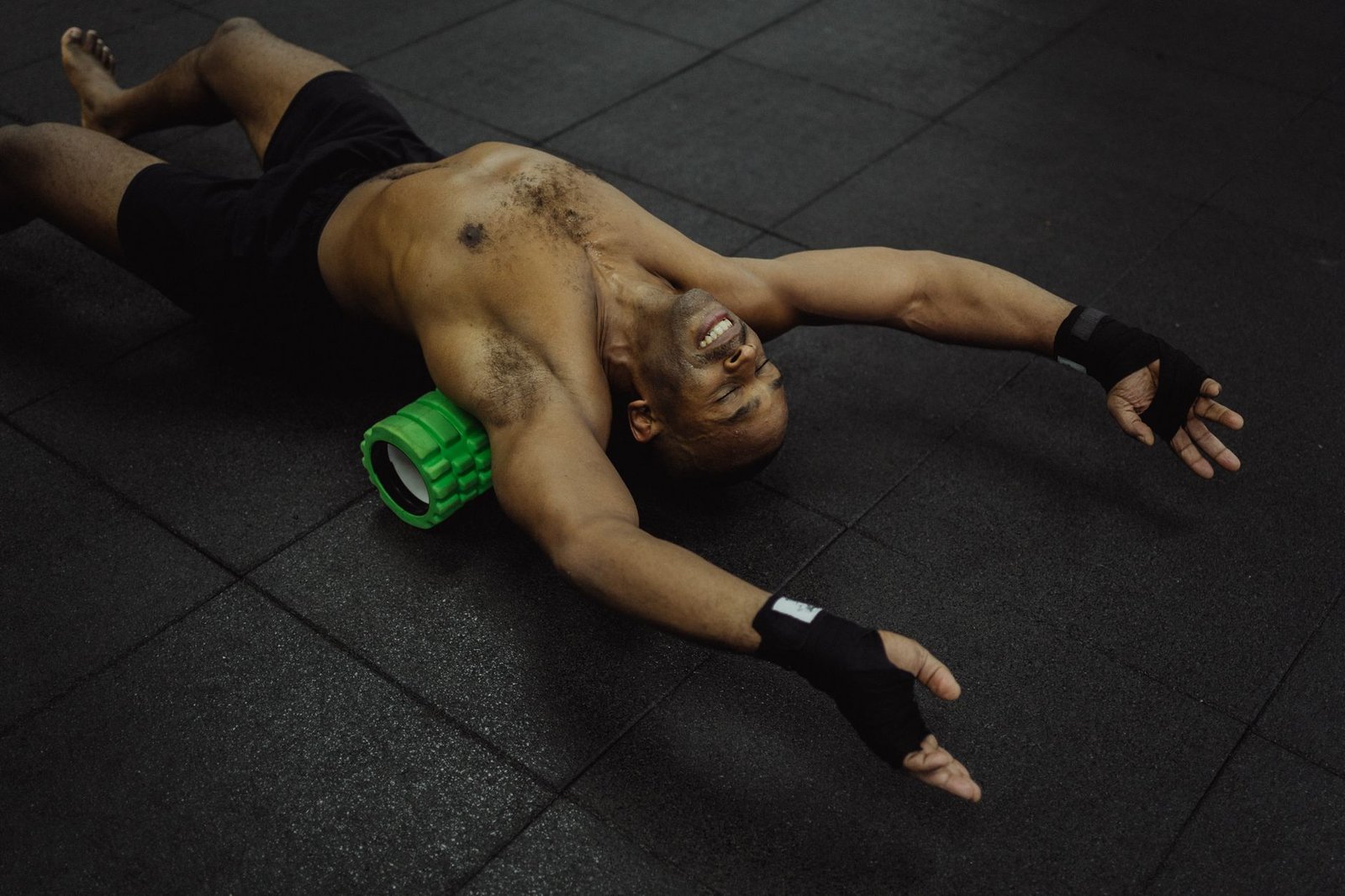
For many marathon runners, this order is the difference between feeling fluid at mile 2 and feeling tight at mile 8, and clinical evidence on myofascial work is consistent with that practical approach.
| Warm-Up Component | Typical Time or Dose | Primary Effect |
|---|---|---|
| Easy jogging | 5–10 minutes | Raise temperature |
| Leg swings | 2–3 sets | Mobilize hips and calves |
| Foam rolling session | 30–60 sec per side | Short-term range feel |
| Strides | 4–6 reps | Neuromuscular readiness |
| Tempo ramp-up | 1–3 minutes | Practice target pacing |
If you skip this step, you’re asking pressure alone to do the work of circulation, nerve signaling, and coordination. Rolling might add a few percent up to around 10% in immediate range-of-motion, but dynamic warm-up is what turns that range into stride.
Expect Short-Term Loosening, Not Real Tissue Repair
Let’s be honest about what foam rolling can and cannot do. The main benefit is usually short-term range-of-motion and a looser feel, sometimes with modest next-day soreness or stiffness relief. That is not the same thing as remodeling tendon structure or accelerating repair of impact damage.
Some runners treat rolling like a biological upgrade: “If I keep rolling, the tendon will heal faster.” That belief is comforting, but it misreads the mechanism. Foam rolling is an adjunct that changes how tissue feels and moves. It is not a replacement for load management, strength work, and proper recovery.
If Pain Is Sharp or Neurological, Stop and Get Assessed
Targeted relief has boundaries. Stop rolling and get assessed rather than “working through” issues when pain is sharp or localized, radiates, or comes with numbness, tingling, or weakness. Also stop if you see swelling, bruising, warmth, or a loss of function.
The Achilles region can be unforgiving. You should also avoid rolling directly on joints or inflamed tissue, including steering away from the Achilles tendon itself when it is too focal or too painful. Instead, work the surrounding calf tissue near it, where you can influence movement without aggravating the sensitive structure.
Train Like a London Marathon Runner, Not a Weekend Tinkerer
London Marathon preparation rewards consistency, not random recovery stunts. If you’re using foam rolling for calves and achilles symptoms, build it into your weekly routine where it supports training days rather than interrupts them.
That means using it strategically around key sessions: short pre-run use for stiffness perception, and post-run use for comfort when you plan to do the next day’s work. The runner who rolls after every workout and never adjusts their load is the runner who learns what “irritation” feels like.
Stop Treating the Back of the Knee Like a Target
One of the most common mistakes is rolling the bony crease behind the knee. It feels like “the problem,” but the anatomy there is not the same as the calf tissues you need for propulsion. Pressing too far back increases the chance you irritate structures that do not improve calf function.
True targeted relief comes from staying proximal on the calf and soleus. If your pressure hunt keeps migrating toward the knee crease, it’s a sign your setup and body position need correction, not that you should apply more force.
Don’t Chase Soreness Like It’s Proof of Progress
Moderate next-day stiffness can happen, but that does not mean you “did it right.” If rolling creates lingering soreness that alters your gait or makes warm-up harder the next morning, you likely used too much pressure, too long a hold, or too frequent a schedule.
Progress is functional: comfortable stride mechanics, reduced stiffness during ramp-up, and better tolerance for normal training. If those indicators worsen, adjust the dose. Consistency beats intensity every time.
Build a Targeted Relief Routine That Holds Through Race Day
Effective foam rolling for calves and Achilles-adjacent stiffness is a routine, not a gamble. Keep sessions short, use tolerable good ache pressure, apply holds at hot spots, and vary foot angle to cover different fibers. Then pair it with movement-based warm-up so the loosening shows up when you actually run.
On race days or long-run days, remember the order: targeted rolling as a brief adjunct, followed by strides and ramp-up. If you do that, you are not trying to “fix” your tissues with a roller. You are preparing your calves to do their job when the London Marathon course demands it.
How Can London Marathon Foam Rolling for Calves and Achilles Provide Targeted Relief?
Where Should You Place the Foam Roller for London Marathon Calves and Achilles Targeted Relief?
Position the roller on the proximal calf/soleus region (muscle area), not the bony back of the knee or directly on the Achilles tendon if it’s too focal or painful.
How Long Should You Foam Roll Your Calves Before a London Marathon Run?
Use about 30–60 seconds per side before running, or about 1–2 minutes per side post-run, then switch to movement-based warm-up to “wake” the muscles.
What Pressure Level Counts as Good Ache for Calf and Achilles Foam Rolling?
Apply a tolerable “good ache” pressure that is uncomfortable but not sharp pain, and avoid pushing through symptoms that feel nerve-like or increasing, pinpoint tendon pain.
What Results Can You Expect From Targeted London Marathon Calf and Achilles Foam Rolling?
Expect short-term range-of-motion and a looser feel immediately after rolling, with modest next-day reduction in stiffness, but not true tendon/muscle remodeling or faster healing of impact damage.
How Do Dorsiflexion and Foot Angle Changes Improve Calf Fiber Targeting During Foam Rolling?
Aim the ankle through dorsiflexion and slightly vary foot angle (in/out rotation) to hit different calf fibers, then use brief holds on sensitive knots before continuing.
When Should You Stop London Marathon Foam Rolling for Calves and the Achilles and Get Assessed?
Stop immediately if pain is sharp or localized, radiates, or comes with numbness, tingling, weakness, swelling, bruising, warmth, or loss of function, and get assessed rather than rolling harder.
Targeted Relief Beats Random Grinding
London marathon foam rolling for calves and achilles, targeted relief works best when you treat it as a precise pre and post run tool, not a cure. Roll the proximal calf and soleus with slow, tolerable pressure, use brief holds for hot spots, keep it focused on loosening and range of motion, and then do a real warm up so your legs are ready to move. If pain is sharp, worsening, or neurologic, stop and get assessed. That disciplined approach delivers the benefit you actually want, and it avoids turning recovery time into needless irritation.

I am Ozan, a London-focused running writer and marathon enthusiast with a passion for helping people discover the city’s best races, running routes, walking trails, and fitness events. I research and write practical, up-to-date guides covering marathons, race preparation, training tips, running gear, and everything related to staying active in London.
My goal is to create reliable, easy-to-follow content that helps runners and walkers of all experience levels explore London with confidence, whether they’re preparing for their first 5K or their next marathon.