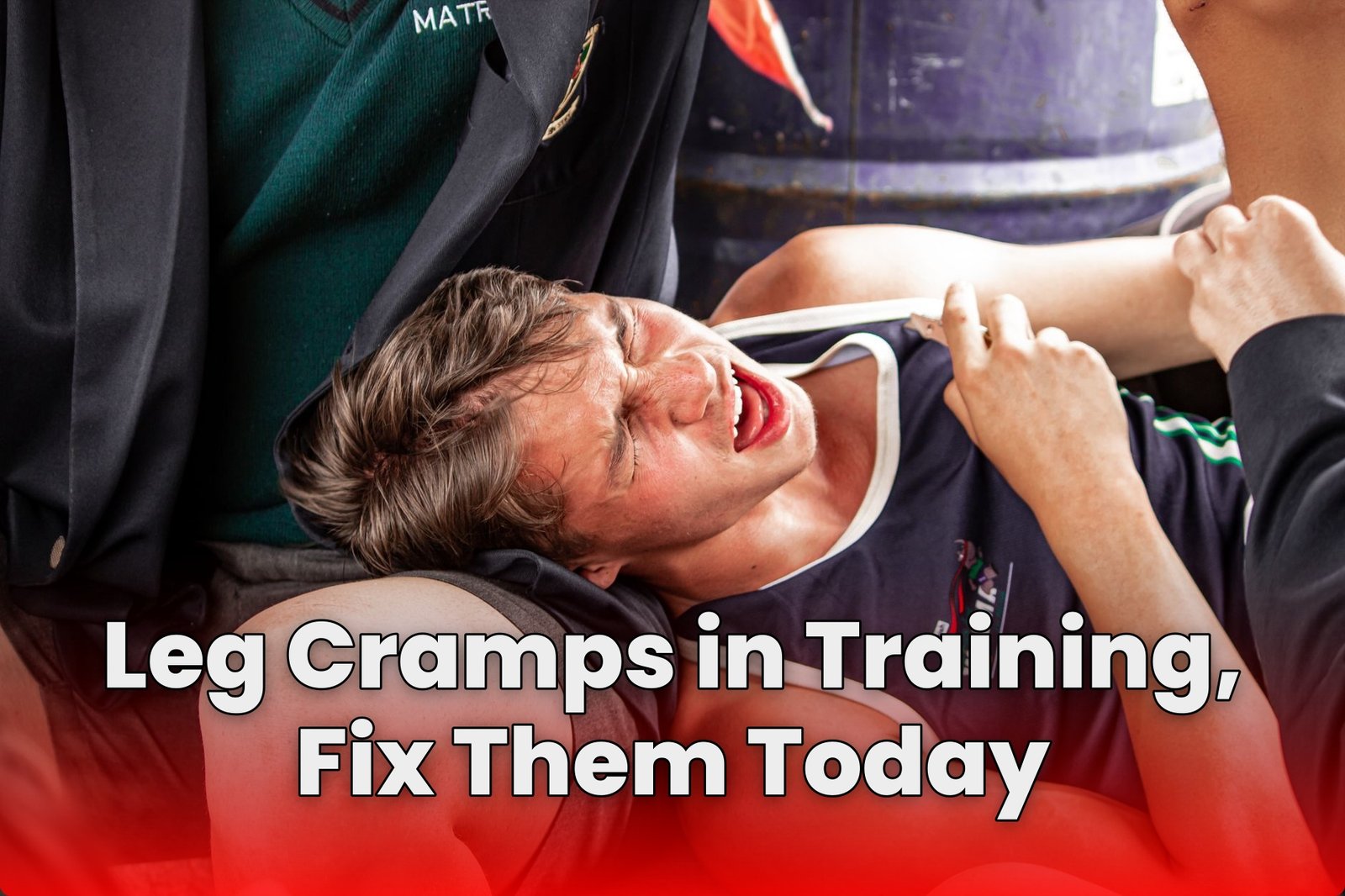
Leg cramps during workouts are not random, and you can usually prevent them within one session. You are probably asking why your legs cramp in training, and how to adjust today, because that sudden tightening in the calf or thigh can ruin good momentum fast. The harsh truth is that most cramps come from fatigue and overload plus poor preparation, not from a mysterious lack of willpower.
When a cramp hits, your first move should be immediate and simple: stop or slow down, then gently stretch the affected muscle while you ease it open by pulling the foot or toes toward your shin for a calf cramp. Massage the area and use heat or ice depending on what feels better, then stand and walk or wiggle the leg lightly once it releases to restore smooth movement. If you train in hot conditions, also assume dehydration or electrolyte imbalance is part of the story, and adjust today with regular hydration and electrolytes if you are sweating heavily.
To lower your odds of cramps for the rest of today’s training, prioritize a proper warm-up, increase intensity gradually, and do not keep pushing through accumulating fatigue. Check basics like supportive shoes and pacing, and make recovery and mineral intake non-negotiable by covering calcium, potassium, and magnesium through food. If cramps are severe, keep recurring, come with weakness or swelling, do not improve with self-care, or persist for weeks, get medical guidance because nerve or circulation issues can be involved.
Why Your Legs Cramp in Training Is Not Mystery Fate
Let’s say the quiet part out loud: most “mysterious” cramp episodes are your body’s way of flagging stress overload. The sudden, painful tightening you feel in the calf is commonly triggered by muscle fatigue and overuse, but it can also reflect abnormal spinal reflex activity, circulation issues, or electrolyte imbalance. In other words, cramps are a signal, not a character flaw.
If you want a quick refresher on the main triggers, look at leg cramp causes and compare them to what your legs were asked to do today.
Cramps do not happen to “randomly” perfect athletes. They happen where training load, recovery, and physiology collide.
And yet, plenty of people respond with denial. They push through the same session and hope the next mile is kinder. Why keep betting against your own nervous system?
Hydration and Electrolytes Are the First Suspects in Hot Work
In hot conditions, heavy sweating turns “just water” into an incomplete plan. When fluid losses outpace intake, muscle cells lose the environment they need for normal signaling. When sodium and other electrolytes run low, the odds of a sudden charley horse climb fast.
Don’t fall for the lazy logic that thirst alone is enough. You need consistent hydration during training, and if you’re sweating hard, you likely need electrolytes, not just plain water. How else do you explain cramps that show up only on summer days or during long sessions?
Fatigue Turns Form Into a Cramp Switch
When training goes longer or harder than your current tissue can tolerate, technique degrades. That degradation is not cosmetic. It changes how force travels through the calf, foot, and hamstring, and it taxes the same muscle fibers until they can’t coordinate cleanly anymore.
So when people ask, “Why do my legs cramp during training,” the blunt answer is: because you kept escalating after fatigue had already started to drive the bus. The problem is not ambition. The problem is pacing that ignores your body’s warning cues.
Your Nerves Can Trigger Cramping, Too
Not every cramp is about muscles alone. Sustained abnormal spinal reflex activity, nerve compression, or nerve damage can contribute. If you also notice tingling, burning, numbness, or pain that changes with position, you might be dealing with more than simple overuse.
“But I only feel cramping.” Cramps can coexist with nerve irritation because the nervous system controls muscle excitability. If symptoms shift when you sit, stand, or adjust posture, treat your spine and nerves as part of the investigation.
Medications and Conditions Can Lower the Cramp Threshold
Cramps can be worsened by certain drugs and medical realities. Some bronchodilators, diuretics, statins, SSRIs, and gabapentinoids are commonly cited contributors, and pregnancy can also increase risk. Diabetes-related neuropathy and other issues that affect nerves or circulation can play a role, too.
This is where many trainees make a fatal mistake: they blame training exclusively. If cramps are new, frequent, or escalating after a medication change or a health shift, your training diary can’t replace a medical review.
Even When Crappy Timing Is “Idiopathic,” You Still Have Levers
Yes, many cramps are idiopathic, meaning no single cause is found. That does not mean you’re powerless. If you don’t know the exact driver today, you can still reduce the common triggers: fatigue overload, inadequate warm-up, poor recovery, and electrolyte gaps.

Also consider secondary contributors that don’t sound dramatic but matter. Poor blood flow, prolonged sitting or standing, and poor posture can set the stage for muscle irritability. Why wait for certainty before taking action?
How to Adjust Today When a Cramp Hits
When a cramp strikes, don’t chase speed. Stop or slow down immediately, then gently stretch the affected muscle. For a calf cramp, straighten the leg and pull the foot or toes toward your shin. For a thigh cramp, pull the foot up toward the buttock. Hold the stretch long enough to calm the contraction.
After it eases, massage the area and get movement back with standing and slow walking or gentle leg wiggles. If you need it, you can consider OTC pain relief like ibuprofen or acetaminophen, and elevating the leg briefly may help. The goal is to restore movement and reduce irritation, not to power through the same trigger.
Adjust Today’s Training Load With a Simple Decision Map
Your next step should be deliberate. One cramp episode is not permission to ignore risk, but it also isn’t an automatic ban from training. Use a decision rule that matches the likely cause and the severity of symptoms.
Here’s a practical table you can apply during your session planning.
| What You Notice | Most Likely Trigger | Today Adjustment |
|---|---|---|
| Cramp during hard intervals | Fatigue and pacing overshoot | Cut intensity by 15–25% |
| Cramp on hot, sweaty days | Electrolyte imbalance | Add electrolytes, not just water |
| Cramp after long, steady time | Overuse with low recovery | Shorten duration by 20–30% |
| Cramps plus tingling | Nerve irritation | Limit range, change position |
| Cramp repeats at similar times | Warm-up gap or load pattern | Add 10–15 min warm-up |
To make the adjustment stick, choose the smallest change that reduces risk. Skip the hero workout and pick a version of training you can finish with stable form and no lingering symptoms.
Warm-Up Should Prime Your Calves and Your Nervous System
If cramps are recurring, your warm-up might be too short, too generic, or too abrupt. A proper warm-up should include light movement and dynamic stretching that prepares the calves, feet, and hips for force. Then ramp intensity gradually instead of jumping straight into demanding work.
Think of warm-up as a calibration step. If you start training at a full-output pace before your muscles and reflexes are ready, you increase the chance of sudden tightening later. Why gamble when a 10-minute ramp can change the whole outcome?
Stretching and Recovery After Training Should Be Strategic
Stretching helps when it reduces the immediate protective contraction and improves comfort after the cramp. But it should not be random or aggressive. Gentle, targeted stretching plus light mobility is usually enough, especially if the episode resolved.
Recovery is the bigger lever. If you’re stacking hard days without enough rest, you’re training your cramps to show up again. Plan rest or cross-training when fatigue accumulates, and treat persistent tightness as a prompt to adjust rather than ignore.
Strengthen What Crams Keep Attacking
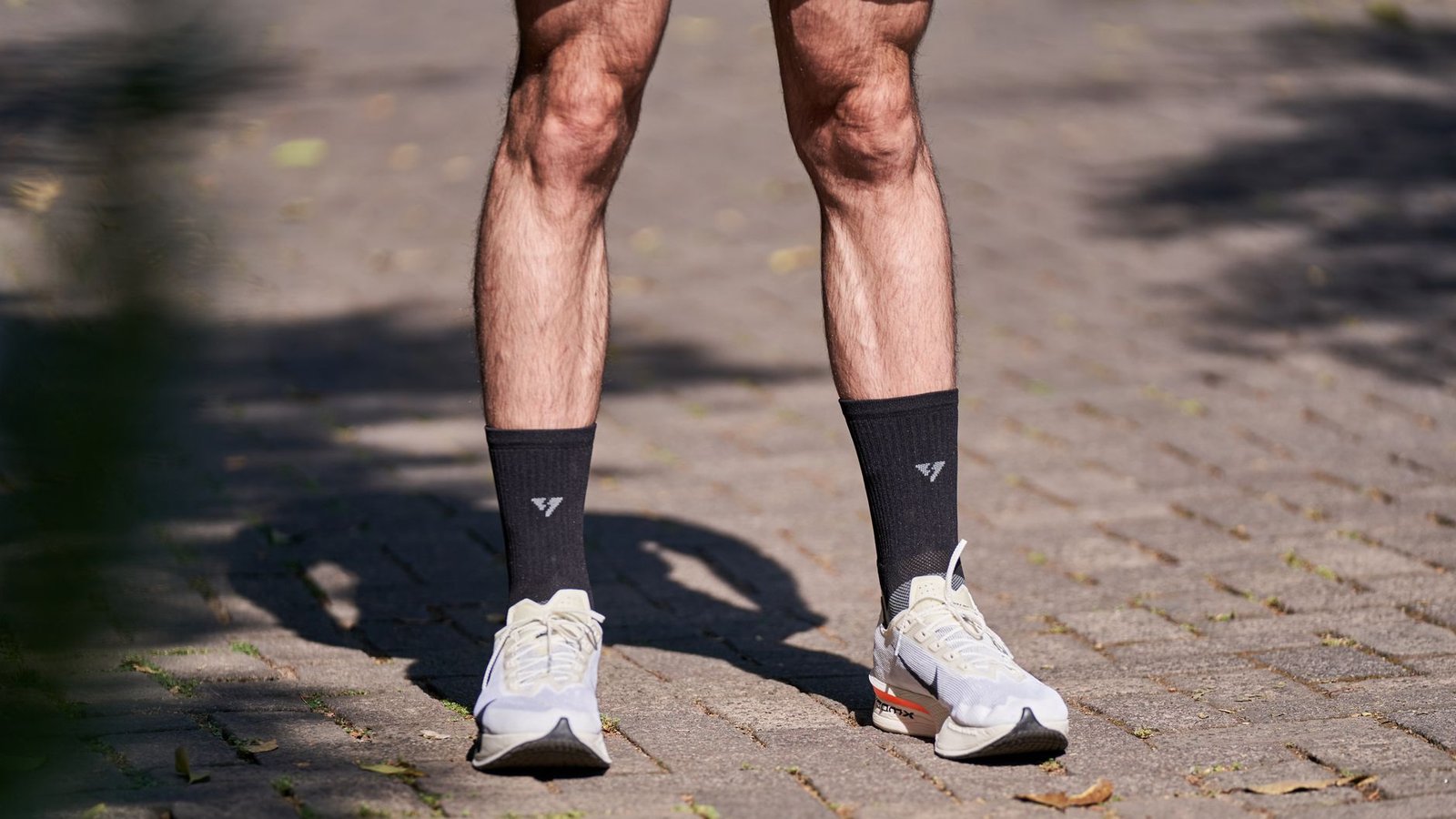
Strength and tendon capacity change the way your legs handle load. Simple strengthening, such as calf raises, can improve tolerance in the exact muscles prone to tightening. Over time, better capacity means fewer “surprise moments” when the calf can’t coordinate under stress.
Don’t just do random reps. Progress gradually, respect soreness, and pair strength work with pacing discipline. If you keep training through accumulating fatigue, you’re asking the same tissue to repeat the same failure pattern.
When Cramping Means You Should Get Medical Attention
Self-care is appropriate for occasional cramps, but seek medical care if cramps are severe, happen often, include weakness or swelling, involve skin changes, don’t improve with basic measures, or persist chronically despite training adjustments. These signs can point to circulation issues, nerve problems, or metabolic concerns that training changes alone won’t fix.
Also get checked if you suspect medication involvement or have underlying conditions such as diabetes. The goal is simple: protect your ability to train consistently by addressing the root risk, not just treating the symptom.
Why Your Legs Cramp in Training, and How Should You Adjust Today?
Why do your legs cramp during training, like a “charley horse”?
Leg cramps during training often happen when muscles fatigue or are overused, which can trigger sudden painful tightening, especially in the calf or other leg muscles, and they can also be influenced by abnormal muscle/nerve signaling, poor blood flow, hot conditions with heavy sweating, or certain medications.
What should you do immediately when a leg cramp hits during your workout?
Stop or slow down, gently stretch the affected muscle by straightening the leg and pulling the foot/toes toward your shin (or pulling the foot up toward the butt for a thigh cramp), then massage the area and consider heat or ice; once it eases, stand, walk, and reintroduce movement gradually.
How can hydration and electrolytes reduce leg cramps today?
Drink regularly and replace electrolytes if you’re sweating heavily, because water-only hydration may not correct salt and fluid shifts that contribute to cramping, and aim to be adequately fueled before and during training rather than playing catch-up after symptoms start.
How should you adjust your warm-up and training intensity to prevent cramps?
Use a proper warm-up with light movement and dynamic stretching, increase intensity gradually, and avoid pushing through accumulating fatigue; if cramps start showing up, reduce the load for the rest of today’s session and consider lower-impact cross-training until your legs feel fully stable.
Which diet minerals, medical causes, and medications can trigger leg cramps?
Low or imbalanced minerals such as magnesium, potassium, and calcium can make cramping more likely, and some medical issues like nerve problems (including diabetes-related neuropathy) or medications such as diuretics, statins, certain bronchodilators, SSRIs, or gabapentinoids may contribute—especially if cramps are frequent or unusual.
How can you improve leg tolerance for training after cramps start?
After a cramp-free period, strengthen the muscles involved (for example, calf raises) and practice consistent mobility with gentle stretching, wear supportive shoes, and watch form and posture to reduce abnormal strain, so your training muscles handle volume more efficiently.
Fix Cramping With Fast Adjustments That Stick
Why your legs cramp in training, and how to adjust today comes down to managing fatigue, hydration, and mechanics instead of pushing through pain. If a cramp hits, stop, gently stretch the muscle, massage, and get moving again once it eases, then tighten your basics immediately with a proper warm-up, smarter pacing, and electrolytes if you’re sweating hard. Treat cramps as a signal to adjust today, not a mystery to ignore, and you will train harder with fewer setbacks.

I am Ozan, a London-focused running writer and marathon enthusiast with a passion for helping people discover the city’s best races, running routes, walking trails, and fitness events. I research and write practical, up-to-date guides covering marathons, race preparation, training tips, running gear, and everything related to staying active in London.
My goal is to create reliable, easy-to-follow content that helps runners and walkers of all experience levels explore London with confidence, whether they’re preparing for their first 5K or their next marathon.