
Your best chance to feel fresh again starts the night after the race, not with the next training plan. After a London Marathon, adrenaline and muscle damage can leave you tossing and turning, and that is exactly when “recovery sleep” becomes the difference between bouncing back or dragging for days. I believe most runners overthink workouts and underinvest in the one recovery lever that runs 8 hours a night.
To improve deep, restorative sleep the night after racing, treat it like your top priority session: aim for 8 to 9 hours, keep a consistent bedtime and wake time, and build a cool, dark, quiet sleep setup (about 16 to 19°C) with breathable clothing to prevent heat wake-ups. Also protect the timing by getting your post-race fueling and hydration in early, then easing into the evening with less caffeine and less late-day screen light so your brain can actually downshift.
Finally, keep the day that follows mainly easy and let soreness guide the details. Light walking and mobility help circulation, but skip hard training for at least a couple of weeks, and if stiffness hits, use cold briefly early and switch to warmth after about 48 hours. When you monitor how you feel the next morning, you will learn quickly whether your sleep strategy is working, and you can adjust before poor recovery quietly becomes a fitness setback.
Sleep Is Your First Recovery Session
The morning after the London Marathon, people rush to foam rollers, advice from friends, and “one more” workout. That is backwards. If your goal is london marathon recovery sleep that actually restores you, sleep must be the priority recovery session.
Deep, restorative sleep does what massages cannot: it supports nervous system reset, muscle repair, and the hormonal balance that governs how you feel the next day. If you protect only everything else, you are borrowing recovery from the nights that follow.
Ask yourself a blunt question: why would your body build repair while you train it to stay alert? Aim for 8–9 hours for the next 3–7 days, because your post-race window is not unlimited.
Protect Deep Sleep With A Rigid Wake Time
Want how to improve depth the night after racing in a way that matters? Start with your wake time, not your bedtime. Your body locks onto morning cues faster than it locks onto midnight promises.
Set a consistent wake time and keep it steady even if you slept less than you wanted. Then you can shift bedtime to catch up without breaking the circadian rhythm that helps you reach deeper stages sooner.
When runners treat each night like a reset button, sleep fragments. When runners protect the schedule, deep sleep becomes more predictable.
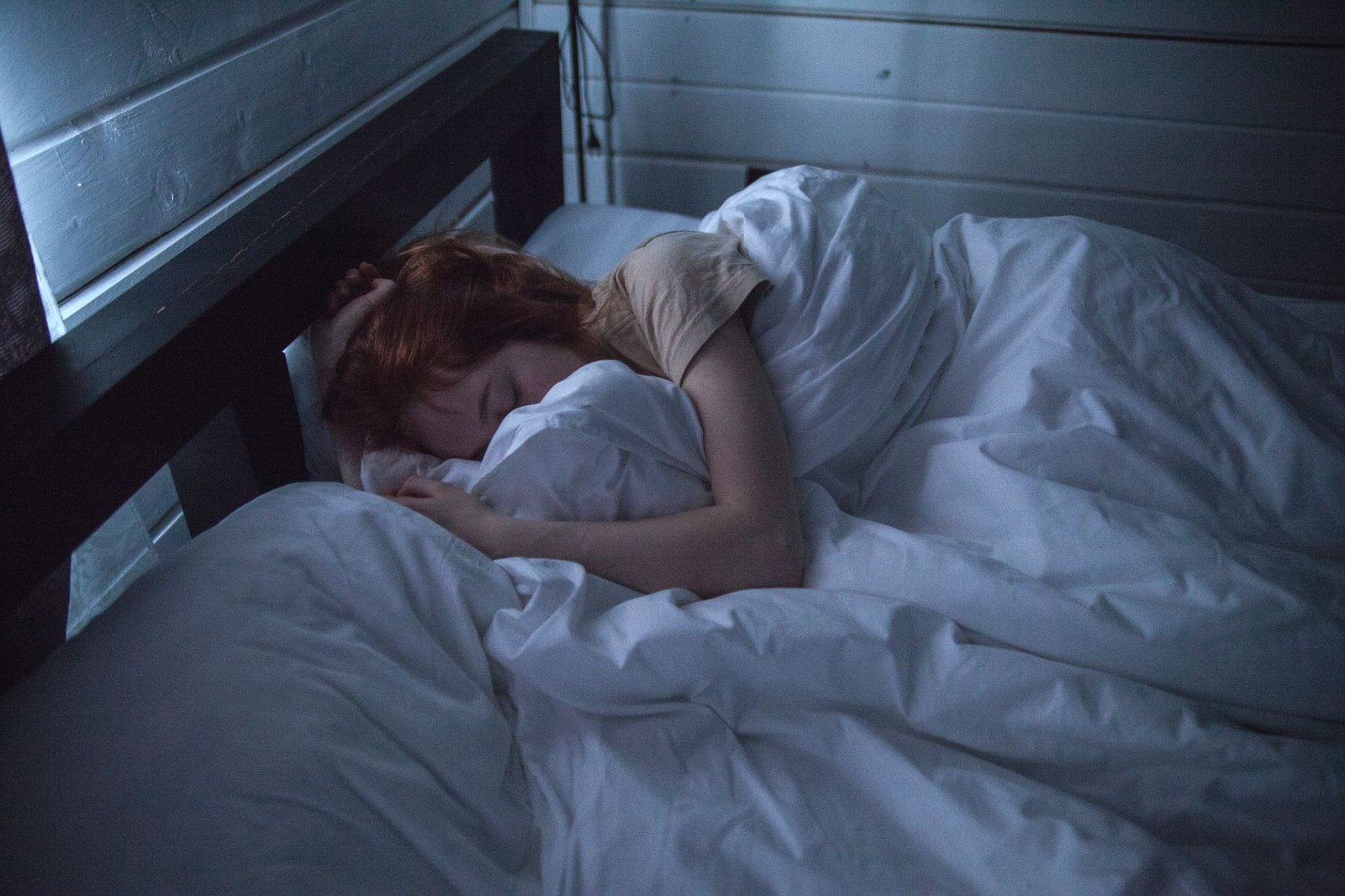
Cool, Dark, Quiet Microclimate Beats Willpower
Temperature drives sleep quality more than most people admit. After racing, your body is hot from exertion, and your room should do the opposite of match that heat.
Target roughly 16–19°C, make the room dark, and reduce noise. If your sleepwear is breathable, you lower the chance of waking from discomfort. That matters because brief awakenings often steal the later deep sleep you want most.
Recovery sleep is not a mood. It is a setup.
Fuel And Rehydrate Before You Try To Sleep
You cannot “sleep off” dehydration. If you finish the race under-fueled or under-rehydrated, you will pay for it at night with restless sleep, cramps, and a morning that feels heavier than it should.
Within 60–90 minutes, eat carbs plus protein such as about 1.0–1.2 g/kg carbs and 20–30 g protein. Then rehydrate during the first day, aiming to replace about 150% of body mass lost and include electrolytes. Yes, the numbers can feel intense, but they are practical for restoring fluid balance.
If you skip this step, you trade a brief hunger problem for hours of sleep disruption.
Treat The Day After Like Active Recovery, Not Training
That first day after the London Marathon sets up your second night. If you go hard on day one, you push your body toward more micro-injury signaling and a more difficult time falling asleep deeply.
Keep it mainly easy: walk, gentle mobility, and light movement. Hold off on hard workouts for at least 10–14 days. The point is not to be inactive. The point is to avoid stacking fatigue on top of fatigue.
Do you want deeper sleep, or do you want to “prove” fitness by suffering again the next day? Easy wins here.
Cut The Usual Sleep Saboteurs After The Finish
Many runners handle nutrition and training load, then casually ruin their night with caffeine, late meals, or alcohol. Those choices hit sleep depth hard, especially when your body is already in recovery mode.
Stop caffeine about 6–7 hours before bed. Avoid eating too close to bedtime. Alcohol may feel like it helps you fall asleep, but it often worsens nighttime fragmentation. If you need a simple routine framework, sleep recovery guidance can keep you consistent when fatigue makes decisions harder.
Recovery sleep works best when you remove obstacles, not when you negotiate with them.
Turn Bedtime Into A Measurable Ritual
“Relax” is not a plan. If you want how to improve depth the night after racing, you need a ritual that signals safety to your nervous system and keeps your routine repeatable for the next several nights.
Use a predictable sequence: cool down your body, dim the lights, prepare your environment, then do a brief wind-down that does not become entertainment. Consistency is the point, because your brain learns the pattern and stops treating bedtime like an argument.
| Recovery Risk | Immediate Adjustment | Target Timing |
|---|---|---|
| Overheating | Lower room temp | Before bed |
| Late hunger | Carb-protein snack | 1–2 hours pre-bed |
| Mind racing | Breathing or calm routine | 10–15 minutes pre-bed |
| Noise disruption | Reduce interruptions | During sleep window |
| Bathroom wake-ups | Rehydrate earlier | Evening cutoff |
This is how you keep your later sleep cycles from collapsing. When your routine is measurable, you do not rely on willpower, and you do not gamble on “feeling tired” arriving at the right time.
London Marathon recovery sleep improves when you treat bedtime like training: deliberate inputs, consistent execution, and clear expectations.
Manage Soreness So It Does Not Hijack REM
Soreness is more than discomfort. It is a sleep thief, especially after a long race when stiffness is still catching up to your muscles. If your body keeps cueing pain at night, deep sleep will be harder to reach.
Use cold briefly early to calm inflammation, then switch to warmth after roughly 48 hours to ease stiffness. This timing matters because your goal changes as your recovery shifts. If you wake unrefreshed, adjust your approach rather than forcing sleep through it.
You do not need to suffer more to recover better. You need to sleep better.
Naps Can Help Or Hurt Your Next Night
Naps are a tool, not a strategy for replacing nighttime sleep. A short nap can reduce sleep pressure and help you function, but long or late naps can delay the start of deep sleep the following night.
If you nap, keep it controlled: short duration and earlier in the day. Treat naps like a supplement to your main recovery sleep, not a substitution for it.
When runners protect nighttime sleep and use naps sparingly, the next evening feels easier to “land” in deep stages.
Screens, Light, And The Marathon Brain
The post-race brain is wired. Even when your body wants sleep, your mind can keep replaying effort, splits, and “what if” thoughts. Light makes that problem worse by pushing your circadian system toward alertness.
Limit late screen and blue light exposure, especially in the final couple of hours before bed. If you must use a device, shift to dimmer, calmer settings and keep content low-stimulation. Your goal is simple: reduce the signals that tell your brain it is still daytime.
Deep sleep is easier to reach when your environment supports darkness instead of fighting it.
Monitor Readiness With Simple Signals
Recovery sleep is not only about what you do. It is also about what you notice. If you consistently wake too tired, you have a feedback signal that your recovery plan is not landing.
Track how you feel using practical measures like mood, perceived exertion, and resting heart rate. If those signals worsen, back off training and tighten your sleep inputs. This is not “overthinking.” It is responsive recovery.
If your sleep is deep enough, your body should give you evidence the next day.
Stop Mythmaking And Make Recovery Sleep Routine Non-Negotiable
The loudest myths after a marathon insist that recovery is mainly soreness relief and motivation management. But the most powerful lever is often quieter: consistent, deep, restorative sleep across the next several nights.
Your plan should be disciplined and boring in the best way: 8–9 hours, consistent wake time, cool dark quiet room, smart post-race fueling and hydration, easy movement the next day, fewer sleep disruptors, and a bedtime ritual that trains your nervous system to downshift.
When you treat sleep like the main recovery session, your next runs become possible sooner and feel better. When you don’t, you may still “bounce back,” but you pay interest in fatigue.
How Can You Improve Deep Sleep After London Marathon Racing?
How Does London Marathon Recovery Sleep Help You Get Restful Night After Racing?
London Marathon recovery sleep supports tissue repair, nervous-system reset, and glycogen restoration, so prioritize 8–9 hours per night for the next 3–7 days and treat sleep as your key recovery session.
What Sleep Schedule Improves Deep, Restorative Sleep the Night After the London Marathon?
Keep a consistent bedtime and wake time, aiming to go to bed and get up at similar hours each day, and use a simple wind-down routine so your body reliably cues sleep after racing.
How Can You Create the Best Sleep Environment for London Marathon Recovery?
Make your room cool, dark, and quiet (about 16–19°C), use breathable sleepwear, and reduce noise and light so you’re less likely to wake from heat, discomfort, or distractions.
How Do Post-Race Fueling and Hydration Support Deep Sleep After the London Marathon?
Refuel and rehydrate promptly—within 60–90 minutes eat carbs plus protein (roughly 1.0–1.2 g/kg carbs and 20–30 g protein) and replace fluids over the first day with electrolytes to reduce dehydration-related sleep disruption.
Which Habits Should You Avoid to Improve Deep Sleep After London Marathon Racing?
Limit caffeine for about 6–7 hours before bed, avoid heavy or late meals close to bedtime, and reduce late screen/blue-light exposure by cutting phone use in the final couple of hours.
How Should You Manage Soreness and Training to Improve Deep Sleep After the London Marathon?
Keep the day after mainly easy with walking and mobility, avoid hard workouts for at least 10–14 days, and if soreness affects sleep use brief early cold then switch to warmth after about 48 hours while monitoring how rested you feel so you can back off if needed.
Make Sleep Non Negotiable After the London Marathon
For true London Marathon recovery sleep, how to improve depth the night after racing, the real win is treating sleep like the most important session of your comeback plan: protect a full 8 to 9 hours, keep your room cool and dark, and lock in a consistent bedtime while you refuel and rehydrate early so your body can actually downshift into deep restorative rest.

I am Ozan, a London-focused running writer and marathon enthusiast with a passion for helping people discover the city’s best races, running routes, walking trails, and fitness events. I research and write practical, up-to-date guides covering marathons, race preparation, training tips, running gear, and everything related to staying active in London.
My goal is to create reliable, easy-to-follow content that helps runners and walkers of all experience levels explore London with confidence, whether they’re preparing for their first 5K or their next marathon.