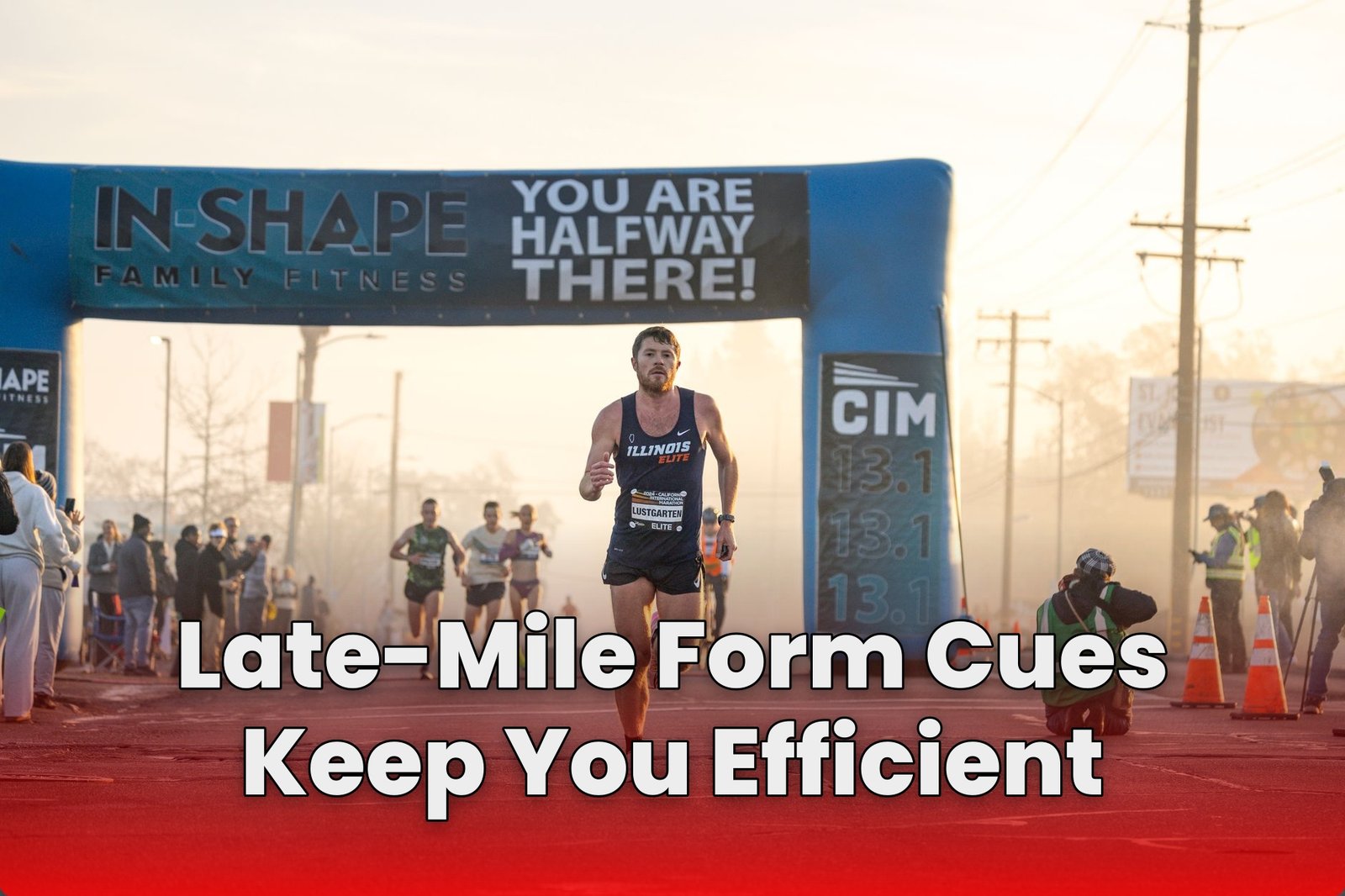
Late-mile fatigue doesn’t have to turn good running into sloppy running. When your form starts slipping, the mistake isn’t pushing harder. The mistake is scrambling for effort while your mechanics quietly drain away. The right approach is simple: use a handful of repeatable running form cues that get you back to efficient, high-cadence movement before you fully unravel.
This is the real value of running form cues for late miles, stay efficient when tired: they act like a control panel for your stride. Reset tall posture, relax your shoulders, keep your head stacked over your spine, and shift your focus to short, quick steps instead of overreaching. When tiredness tempts you into heel-first landing and dragging feet, you can counter it by aiming for quicker landings and an easy “light and quick” feeling, even if your body is under stress.
To make those cues stick, you need a rhythm for the mind and the legs. Try brief cadence pick-ups, like 10-second strides every few minutes, and keep your arms compact so your upper body helps your legs maintain turnover. Then run your own mini-checklist by feel, break the distance into manageable chunks, and use simple mantras to prevent the mental urge to stop. With the right cues on hand, late miles become less of a threat and more of a skill you can execute.
Late Miles Break More Than Legs
You do not lose speed in the late miles because you “just run out of fitness.” You lose speed because form degrades under fatigue: posture collapses, cadence drops, and your stride quietly turns into overstriding and braking. That is why “pushing harder” often makes things worse. If you want to stay efficient when tired, you need running form cues for late miles, not wishful thinking.
If you wait for your body to feel good again, you will arrive late and beat yourself up the whole way.
The counterargument is familiar: “My form will sort itself out.” But in practice, the late mile is when the nervous system most needs simple, repeatable resets that keep mechanics functioning with less effort. Why would you rely on luck when cues are controllable?
Run Tall Before You Chase Pace
When you feel yourself hunching, that is not a moral failure. It is a mechanical default. The fix is immediate: reset with posture, then speed follows. Keep yourself relaxed and upright. Think “run tall”, pull shoulders back and down, lift your chest slightly, and avoid hunching or “T-Rex” arms.
Unclench your fists. It sounds minor, but tension climbs from hands to shoulders to torso, and then your stride shortens without you noticing. Your goal in the first minute of a late-mile decline is not to perform a perfect technique. It is to preserve an efficient structure.
Yes, some runners hate cues because they feel like distractions. But you already give your brain cues, just not the useful ones. Replace “don’t quit” with “stay tall, stay loose,” and you regain command over your form.

Stack Your Head and Stop Slumping Your Spine
Posture fails from the top down. If your head drifts forward, your trunk follows, your stride reaches, and your cadence falls. Use the cue head stacked over your spine. Even imagine a string lifting from the top of your skull.
This is not poetic. It changes your body’s line of force. When your head stays stacked, your torso resists collapsing, which makes it easier to keep that “light and quick” feeling when your legs start to slow.
If you want running form cues for late miles that actually work, make your first check a stacked head check. Would you build a house with the foundation tilting? Don’t run like your foundation is already broken.
Short, Quick Stride Beats Late Overstriding
Cadence drops and overstriding arrives the moment you’re tired. Your brain wants to “cover more ground” with longer steps, but longer steps are slower steps when fatigue is real. The cue is simple: “short, quick stride” or “light and quick.”
Ask yourself, “Is my stride feel turning into a reach?” If yes, correct it fast. Aim for quicker landings and a stride that feels like it is moving you forward without the brake. Think “running in place” for a moment and let the cadence snap back.
Overstriding often shows up as a bigger heel strike and a louder landing. Quiet the feet, and the stride usually follows.
Land Faster With Quick, Soft Contact
Foot strike is where late-mile physics fights you. The cue is to aim for quicker landings, more on the balls of your feet, and a sense of “light” contact. Don’t slam down and hope for the best. You want fast ground contact that supports turnover.
For many runners, the best mental picture is “like you’re moving your head forward to kiss someone,” paired with a slight forward lean from the ankles rather than from the hips. That lean encourages spring and keeps you from dropping the heel behind you.
Even seasoned coaches share practical cue examples that match this approach: shorter, quicker contact beats heavy footfall when fatigue hits.
Keep Arms Compact and Elbows Driving Back
Your arms are not decoration. They stabilize your trunk and help maintain turnover when your legs start to lag. Late in the run, stop letting your arms wander. Cue compact arm swing and drive your elbows back, not across your body.
Maintain free shoulder rotation opposite the hips. If your shoulders seize up, your stride usually slows too. When your legs feel sluggish, that is the moment to recruit your upper body to support leg turnover.
Here is a quick reference for how to pick the right arm and stride cue mid-run:
| Situation | Cue | What You Should Feel |
|---|---|---|
| Legs slow | Elbows back | Faster turnover |
| Hunching starts | Run tall | More stacked posture |
| Cadence drops | Short, quick stride | Quicker steps |
| Heavy landing | Quiet feet | Softer contact |
| Shuffling begins | Knee drive | Legs lift again |
Some will argue that focusing on arms is overthinking. Yet the arms are the easiest levers you have while tired. Use them to buy your legs time and rhythm.
Rotate Through the Trunk When Legs Won’t Hold It
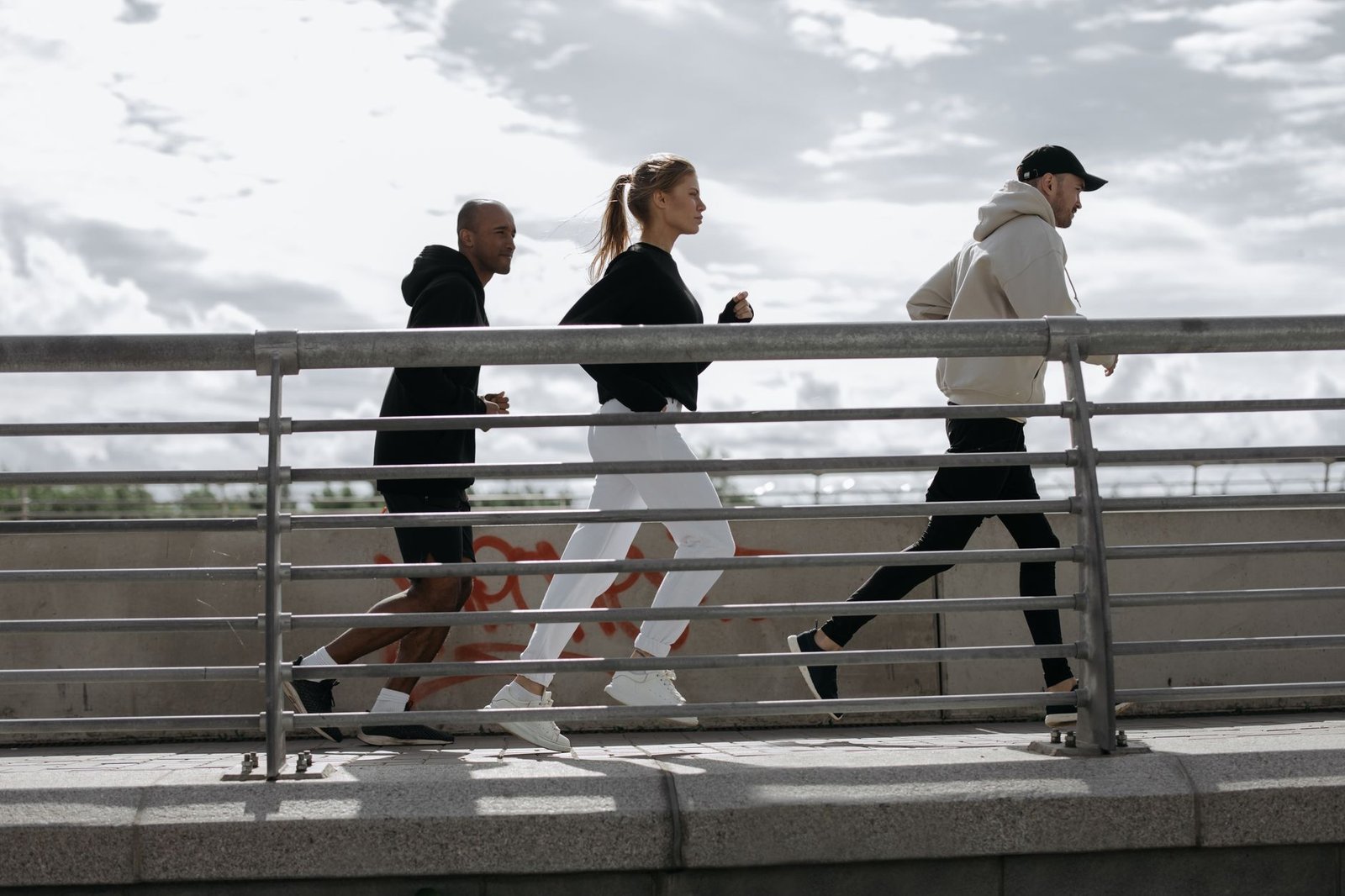
Fatigue turns your stride into a struggle between your legs and gravity. When your legs slow, the solution is not only “try harder.” The solution is mechanical: drive from above by rotating through the trunk. Arms and shoulders help your legs keep turnover when they want to coast.
Think of it as shifting the workload. Your legs provide the movement, but your trunk provides the timing. Cue rotation through the torso and keep the arm swing controlled. When the trunk moves efficiently, the stride stops feeling like it is fighting to stay alive.
This is the part many runners skip. They wait for the legs to recover. Instead, manage the chain: stacked head, upright trunk, then turnover.
Knee Drive Restarts the Shuffle
Shuffling is the late-mile disaster most runners notice too late. You feel stuck, low to the ground, and your steps scrape instead of spring. The cue is direct: lift the leg and drive the knee so you stop scuffing and stop delivering low heel swings.
Deliberately cue it like an on-command reset. Knee drive is not a sprint. It is a specific instruction that forces the stride to “open up again.” If you need a picture, imagine you are picking your feet up to reintroduce flight.
Would you keep pressing the gas pedal when the brakes are stuck? A knee-drive cue is how you unstick your mechanics.
Use 10-Second Strides to Reclaim Momentum
When your form starts to slip, you need a fast circuit breaker. Try 10-second strides every 5–7 minutes. Pick up cadence slightly without sprinting. This is not for speed perfection. It is for rhythm restoration.
Pair that with “soft or quiet” running. Less impact means less wasted energy. Quiet footsteps often indicate better alignment, shorter contact, and less overstriding.
The counterargument says strides “wreck pacing.” That only happens if you treat them like a race. Keep them brief and controlled, and use them the way you use a reset in software: to restore the system while it is still running.
Listen to Feet and Breathing, Then Shrink the Task
Late miles feel endless because your mind tries to hold the whole distance at once. You need to downshift the mental workload. Use a “listen and feel” approach to your feet and breathing so your brain anchors to real sensations, not doom predictions.
Break the run into small chunks: one mile, or a few minutes. Each chunk earns the next. You are not negotiating with fatigue. You are scheduling your focus.
This is where running form cues for late miles become truly effective. Pair cues with attention. You cannot fix what you are not sensing.
Mantras That Keep Form Alive
When tired makes you want to stop, you need phrases that override panic. Use mantras such as “I’m okay” and “stay strong, stay smooth.” These are not motivational posters. They are instructions that pull your focus back to efficient execution.
The best mantras are short enough to repeat mid-breath. If your phrase is long, you will abandon it when it matters most. Keep it simple, then tie it to a physical cue right after it. Mantra first, mechanics second.
Some runners dismiss mantras as fluff. But they work because fatigue attacks decision-making. A mantra is a pre-decided response that prevents your form from turning into a scramble.
Match Your Cadence With Music at a Known Tempo
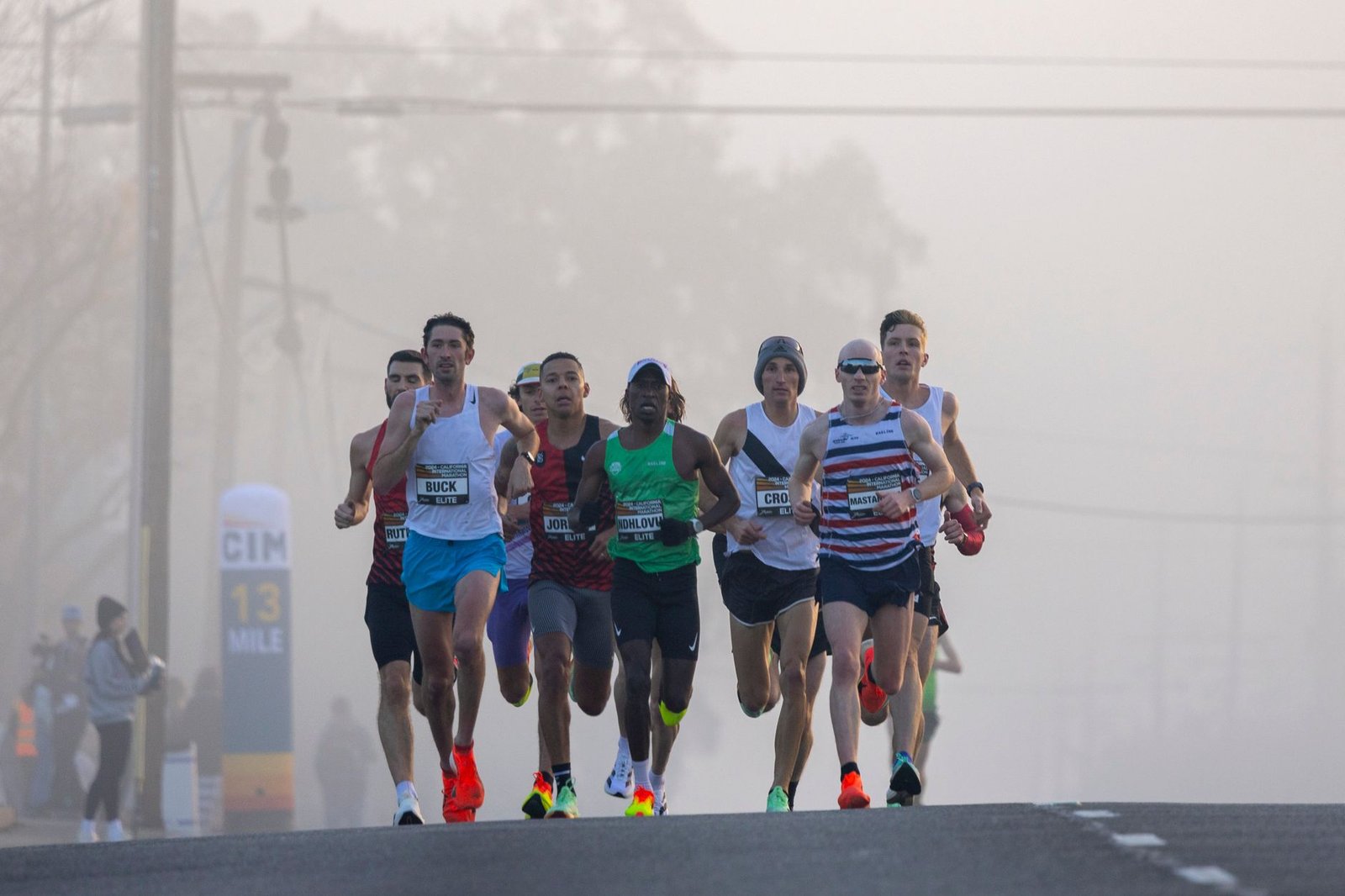
Fatigue makes cadence drift. External rhythm can help you fight that drift. Use music at a known cadence, such as mashups around 180 bpm, and let the beat serve as a metronome for “short, quick stride.”
This matters because “light and quick” is partly a timing problem. When your steps match a steady rhythm, your body spends less effort searching for the next footfall and more effort executing the stride you trained.
Try it in practice first. Then, on race day or late training runs, treat the playlist like a cue protocol, not a vibe.
Drills and Short Form Resets Keep Cues From Fading
If cues only show up in your head during the final minutes, they arrive too late. You must rehearse them. Use drills and short form resets every few kilometers in training, especially once fatigue appears. Examples include high knees, butt kicks, and short fast steps.
These resets teach your body what “efficient under fatigue” feels like. They also make the cue vocabulary real. When the late miles come, you are not discovering the cues. You are using them.
Train with the assumption that you will need to reset repeatedly. Then the final miles stop being a gamble and start being a skill.
Running Form Cues for Late Miles: Stay Efficient When Tired
What Are Simple Running Form Cues for Late Miles When You’re Tired?
Use a short checklist you can repeat every few minutes: run tall, pull shoulders back and down, lift your chest, keep fists unclenched, and aim for short, quick steps to protect cadence as fatigue sets in.
How Can I Stay Relaxed and Upright to Preserve High Cadence in the Final Miles?
Reset posture by thinking “tall” and “relaxed,” keep your torso stacked, and avoid leaning from the hips; maintain a compact stride so cadence stays higher and overstriding doesn’t take over.
details>How Do I Keep My Head Stacked Over My Spine and Avoid Hunching?
Bring your head back over your spine with an easy visual like a string lifting from the top of your skull, then keep your chest open to prevent rounding as your breathing gets heavier.
Which Foot Strike and Stride Cues Help Me Stay Light and Quick Instead of Overstriding?
Focus on quicker landings by aiming to land “on the balls of your feet,” feel like you’re running in place, and use a slight forward lean from the ankles rather than reaching forward with each step.
What Quick Reset Techniques Like 10-Second Strides Help Me Stay Efficient When Fatigued?
Every 5–7 minutes, take “10-second strides” by smoothly picking up cadence without sprinting, then return to your effort; pair it with “soft/quiet” running to reduce impact and help form re-stabilize.
How Do Arm Swing, Knee Drive, and Mental Cues Help Me Finish Strong With Less Waste?
Drive elbows back (not across), keep the arm swing compact, and when your legs slow or you start shuffling, cue knee drive—lift the leg and drive the knee to stop scuffing; use simple mantras like “stay smooth” and “I’m okay,” and break the run into small chunks.
Stay Efficient When It Matters Most
When the late miles start to pull your form apart, you need running form cues for late miles, stay efficient when tired, and you need them to be simple enough to use on the move. Reset to tall posture, relaxed shoulders, quick short steps, and a light, quiet landing, then reinforce cadence with brief strides and one clear mental check so you do not let fatigue turn overstriding into a slow shuffle. Run the next minute like it is the whole race, because that is exactly how you protect speed when tired.

I am Ozan, a London-focused running writer and marathon enthusiast with a passion for helping people discover the city’s best races, running routes, walking trails, and fitness events. I research and write practical, up-to-date guides covering marathons, race preparation, training tips, running gear, and everything related to staying active in London.
My goal is to create reliable, easy-to-follow content that helps runners and walkers of all experience levels explore London with confidence, whether they’re preparing for their first 5K or their next marathon.