
London hills punish weak glute firing more than they punish your legs. If your hips stop driving and your form collapses halfway up, you will feel it in your mileage, your cadence, and your motivation. The fix is not harder cardio alone, it is teaching your glutes to activate reliably, then repeat that control when fatigue hits.
Start with simple “make the glutes work” drills that build consistency, not ego. A good approach is to practice prone glute squeezes for visible movement, then progress to banded clamshells, side planks with bent-knee pull-backs, and a controlled hip-flexor stretch variation to keep your range honest. Train these 3 to 4 times per week for around 10 weeks, gradually increasing reps from low, slow sets toward higher, more demanding efforts until the activation feels automatic.
Once glute engagement is consistent, protect it while you add durability strength. Pair your glute-focused gym work twice weekly, using heavier squats and hinges or other glute-dominant movements, but keep returning to the activation drills often enough to preserve hill-relevant endurance and technique. That combination is the difference between surviving one climb and feeling strong up London’s route after route.
Hill Durability Starts With Glutes, Not Grit
If you run London routes and your legs fall apart on the climbs, you will be tempted to buy another training plan, another shoe, another “fitness” fix. Don’t. Hill durability is a glute problem in disguise. When your glutes fail to contract reliably, your hips lose extension power, your stride shortens, and your quads and hip flexors take over until you feel cooked.
Think about what “durable” really means. It is not surviving one hard hill. It is keeping the same mechanics from the first steep street to the last slog when breathing is loud and fatigue is relentless. Who do you want doing the work under pressure, your glutes or your compensations?
Activation Beats Motivation Before Every Climb
Most runners treat glute work like a workout you “fit in” once or twice a week. That misses the point. You need reliable glute firing on demand, so that when the grade rises, your body knows what to do and does it automatically.
“I can feel my glutes in the gym” is not the standard. The standard is whether they stay engaged when you are tired, leaning forward, and moving slower. If activation is inconsistent, you will interpret fatigue as lack of effort, and you will keep punishing your system instead of training the driver of the motion.
Four Drills Build a Hill Ready Glute Pattern
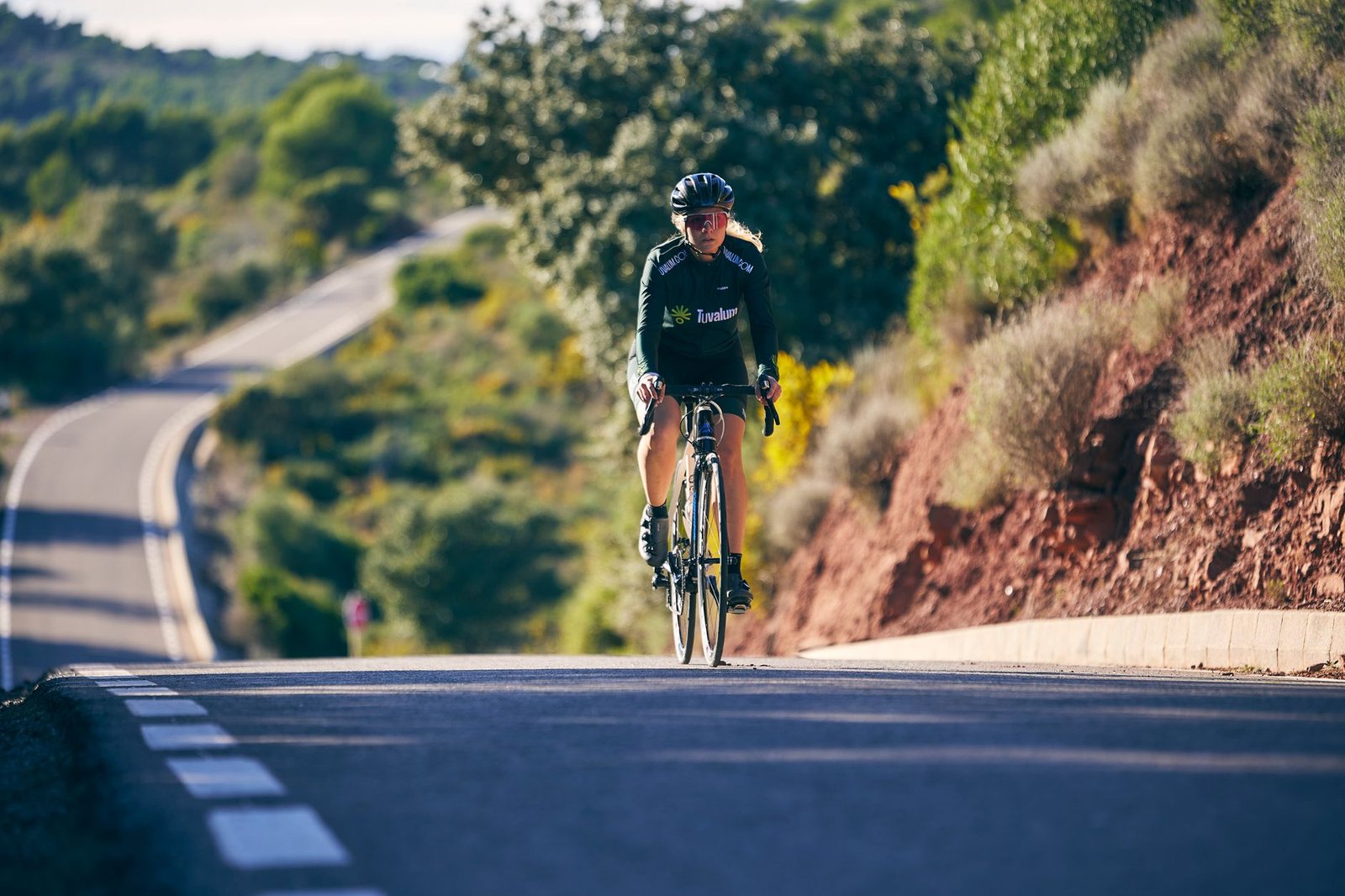
To train your glutes for hill durability on London routes, start with simple drills that teach the exact motor pattern you need: squeeze, abduct, extend, and control your hip flexor mechanics. The point is not complexity. The point is repeatable engagement that improves week after week.
- Prone Glute Squeeze to cue and tighten
- Banded Clamshell to control hip position
- Side Plank Bent Knee Pull Back to train extension mechanics
- Resisted Hip Flexor Stretch Variation to reduce front hip takeover
When you build a dependable pattern this way, hill work becomes less about surviving and more about applying strength you already trained.
Prone Glute Squeeze Teaches the Signal Your Body Trusts
The prone glute squeeze is the most basic drill, which is exactly why it works. Lie face down, manually cue one buttock by touching it, then tighten for a couple seconds. Do it slowly enough that you can feel visible movement and later repeat the same activation without the manual cue.
Progression matters. Early on, you may need about ~1 minute per side to learn the contraction. Over time, you shift from long holds to controlled activation in different positions, including seated. That transfer is crucial for hill durability, because your running mechanics demand quick, repeated engagement rather than slow, isolated squeezing.
Banded Clamshell Builds Lateral Control That Stops Hip Collapse
On London hills, the biggest stealth failure is not only tired legs. It is the hip dropping inward, the pelvis rotating, and your stride losing stability. The banded clamshell trains your glutes to keep the hips aligned while your top knee lifts without your heels rising.
Start with about 10 slow reps, then progress to quicker reps until you reach exhaustion. In one consistent progression reported by athletes, reps can grow from roughly 10 quick reps to ~30 per side over about 10 weeks. More important than the number is the quality: the band should confirm that you are moving at the hip, not just swinging the leg.
Side Plank Bent Knee Pull Back Trains Extension Under Fatigue
This drill targets the part of glute function that matters when hills steal your rhythm. Start with hips high in a bent-knee side plank, lift the top straight leg upward, then move it backward and lower to the bent knee. The extension is the point, but the control is what carries into running.
Begin around 5 reps per side and add gradually. The point of “hill durability” is staying coordinated when you are tired, so you should feel working through range and not just swinging for reps. If you can’t hold the position, the drill is still teaching you to stabilize first, which is exactly right.
Resisted Hip Flexor Stretch Variation Protects Your Front Side
If your glutes lag, your hip flexors often step in to keep the stride moving. That feels like effort but it is usually compensation. The resisted hip flexor stretch variation uses a band around the soles so you can lower one bent leg slowly to the floor while the other stays raised, then switch sides.
Work toward near-exhaustion for each leg, and build from about ~10 reps toward around ~30 reps per leg over roughly 10 weeks in consistent training. This drill helps you keep the movement honest so that the glute does the pushing and the hip flexor stops freelancing.
Train Your Glutes 3 to 4 Times Weekly for About 10 Weeks
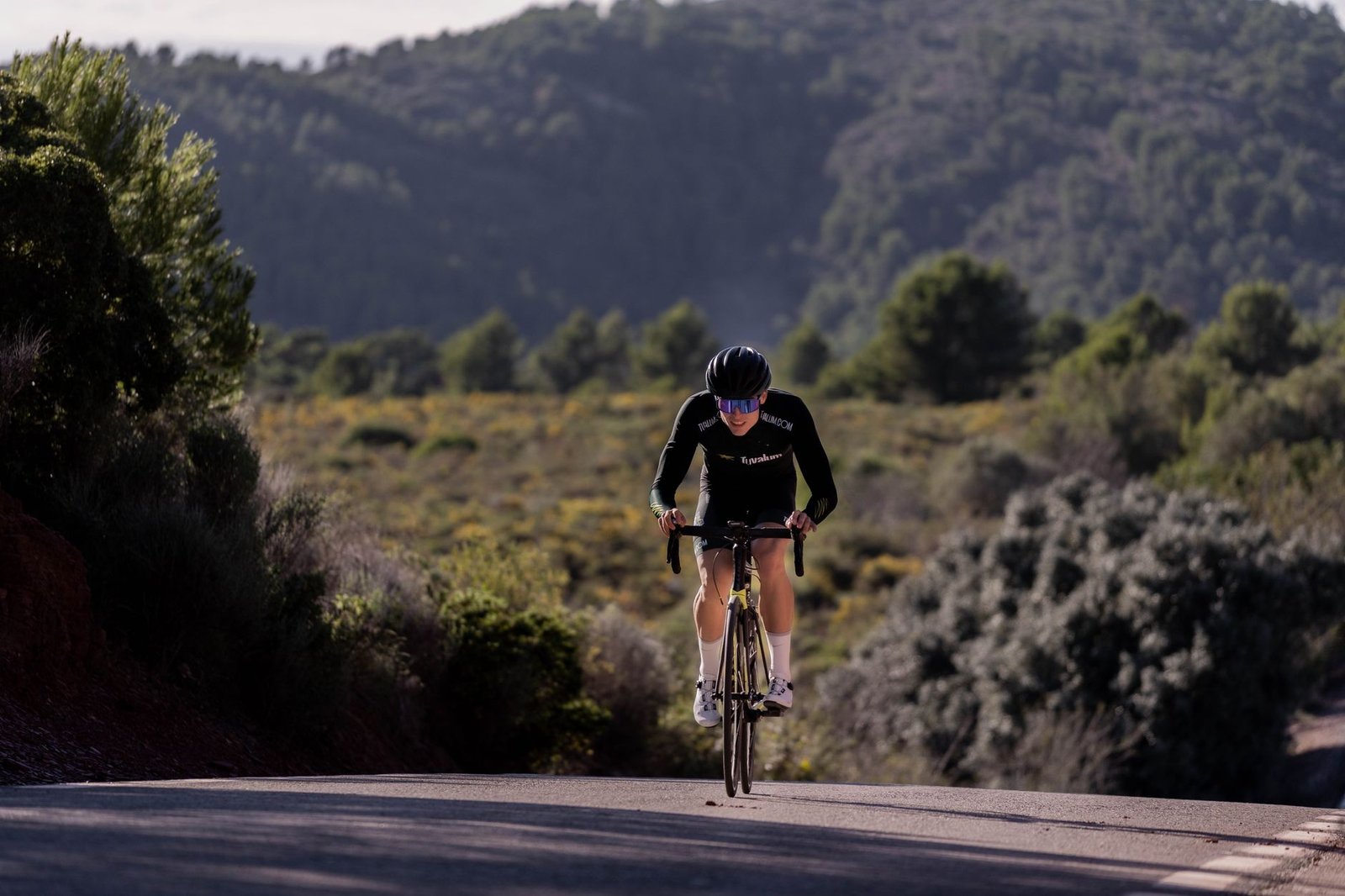
Here is the hard truth most runners avoid. You cannot wait until hill season to start learning glute control. You need a foundation block where activation stays on the schedule long enough for your nervous system to adapt.
Do these glute-focused drills 3–4 times per week. In one early example, training daily for a short period helped build the firing pattern faster. Then stick to a steady rhythm for around 10 weeks before layering on heavier work.
| Training Phase | Typical Volume | Primary Goal |
|---|---|---|
| Weeks 1 to 2 | ~1 min holds and ~5 to 10 reps | Learn glute signal |
| Weeks 3 to 5 | ~10 to 20 reps per side | Increase reliable firing |
| Weeks 6 to 8 | ~20 reps per side | Build endurance in control |
| Weeks 9 to 10 | ~25 to 30 reps per side | Stabilize under fatigue |
| After 10 weeks | Activation 1 to 2 times weekly | Maintain hill-relevant endurance |
Ask yourself: what is more sustainable on London climbs, heroic single-week effort or a system that improves your ability to contract and hold form?
Use Hill Specific Sessions Only After Firing Is Consistent
Once your glutes engage reliably in the drills, then you bring in hill work that matches what you are training for on London routes. Early hill training while your glutes are still inconsistent turns the climb into a test you will fail. You will reinforce compensations, and your body will learn the wrong movement.
After the activation block, hill sessions become productive. You can pace with more control, push off with better hip extension, and avoid the “slow grind with collapsing mechanics” trap. And if you need reminders that glute drills make hills feel easier, it helps to reference credible coaching evidence such as glute exercises for hills.
Progress to Strength Without Killing Activation
Strength is not optional if you want durable power, but it is easy to do it in a way that erases your gains. When you add heavier gym work, keep the activation drills alive. The goal is to blend strength with hill endurance and control, not replace one with the other.
Once glutes are consistently engaged, add two weekly gym sessions with heavier squats or hinges and glute-dominant movements. Then keep returning to the activation drills regularly to preserve the pattern that makes hills feel manageable.
Track Real Checks So You Don’t Train Blind
Progress is not what you hope to feel. It is what you can reproduce. Track cues: can you activate one side clearly, does the banded clamshell lift without heel pop, does the side plank pull back maintain hips high, and does the resisted stretch reduce front hip takeover when you work near fatigue?
Also track outcomes on London routes. Are you less likely to shorten stride and lean excessively on the steeper streets? Do you recover faster between climbs? Durability shows up in mechanics, not in the fantasy that “more intensity” will fix a missing muscle signal.
Consistency Beats Drama for Glutes That Hold Up
People who succeed at hill durability do not rely on random bursts of effort. They commit to a plan where glute firing is trained like a skill. That means doing the same drills repeatedly, progressively challenging reps, and keeping the activation component even after strength work begins.
Will you still need grit? Of course. But grit is the fuel you bring. Glutes are the engine you build. If you train the engine with structured activation and gradual strength, London routes stop feeling like a test of suffering and start feeling like terrain you can actually manage.
Make the Hill Feel Easier by Fixing the Motor, Not the Mood
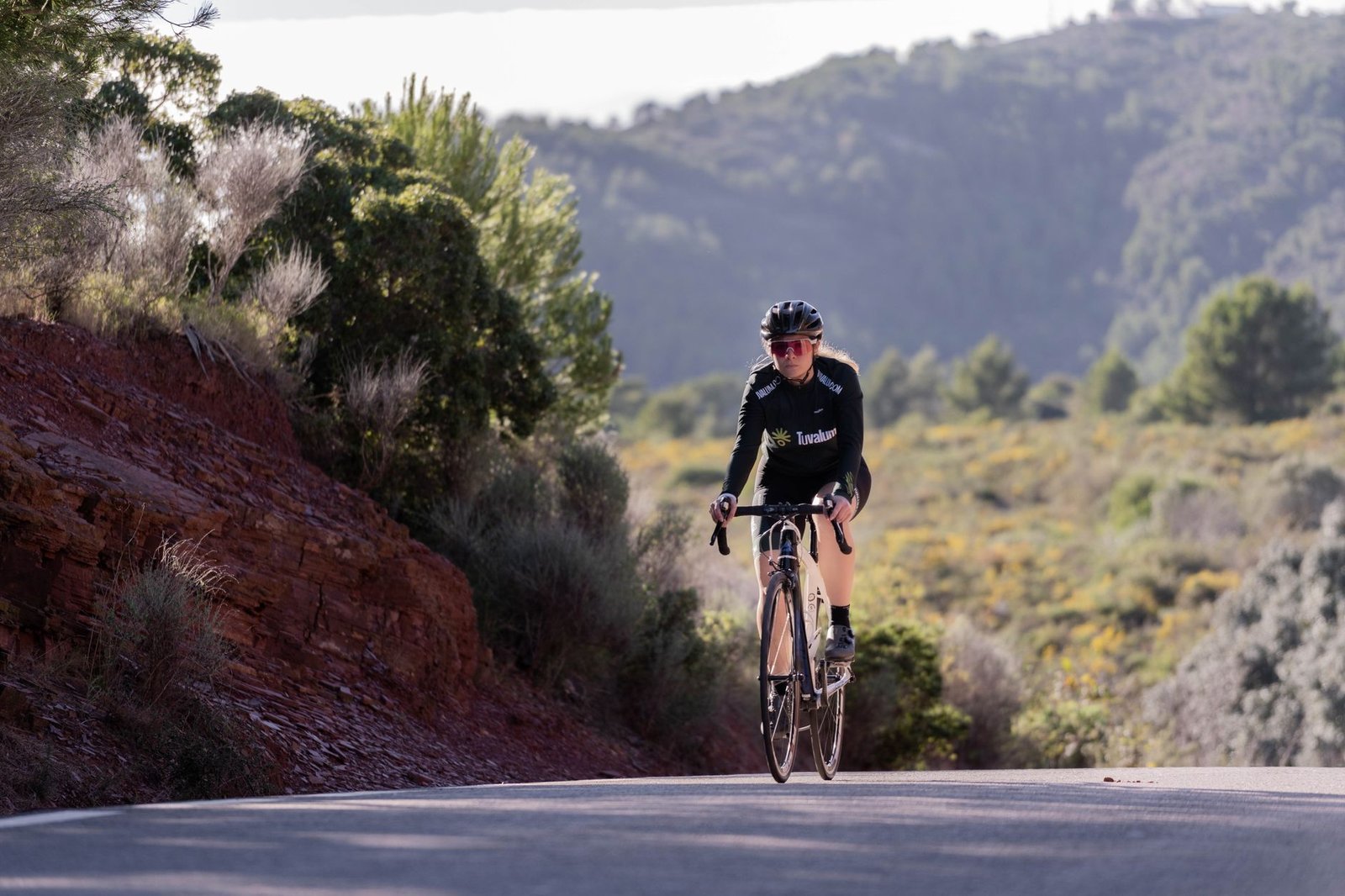
There is a reason so many runners plateau on climbs. They keep chasing the emotional reward of “hard work” while ignoring the mechanical driver of performance. When you train your glutes for hill durability on London routes, you are changing the job your body assigns to your legs under strain.
Respect the process: activation first, endurance second, strength layered in carefully. If you do that, your hills will still be hard, but your form will stay put, your hips will keep doing the work, and your running will look less like survival and more like control.
How to Train Your Glutes for Hill Durability on London Routes?
How often should you train your glutes for hill durability on London routes?
Aim for 3–4 glute-focused sessions per week, starting with simple activation work consistently for about 10 weeks before adding heavier strength, then keep returning to the activation drills so your glutes keep “firing” reliably during climbs.
Which glute activation exercises work best for hill endurance on London routes?
Use a small routine of activation moves such as prone glute squeezes (1–2 second holds to create visible movement), banded clamshells (lift the top knee without lifting the heels), and a side-plank bent-knee pull-back (hips high, move the straight leg up and back), progressing reps and speed as control improves.
How do you progress glute training from activation to stronger hill performance?
Progress your activation from slow reps to quicker reps until near-exhaustion, then maintain that “turn-on” with short drill sets while you add strengthening 1–2 times per week; a common path is roughly 10 weeks of activation consistency before heavier work.
What strength exercises should you add to improve glute durability on London hills?
Once activation is consistent, add glute-dominant lower-body strength such as heavier squats and hip-dominant hinges (plus other movements that load the glutes while keeping mechanics solid), while still scheduling brief activation practice so endurance on repeated London climbs stays stable.
How can you maintain glute control when fatigue hits during steep London segments?
Keep returning to your activation cues throughout training, and prioritize form: steady hips, avoid collapsing inward, and focus on smooth hip extension rather than “reaching” with the low back; short practice before runs or on rest days helps lock in control for longer hill efforts.
What signs mean you should adjust your glute training for hill durability on London routes?
If you feel sharp pain, increasing hip or low-back discomfort, or you can’t get consistent glute activation (the movement stops “showing” or your form collapses), reduce load, slow the tempo, and regress to easier banded or bodyweight activation until control returns.
Commit to Glutes That Last
How to train your glutes for hill durability on London routes comes down to one principle: consistent, hill-relevant firing and then steady strength. Activate them with simple drills, repeat them 3 to 4 times a week for about 10 weeks, and only then add heavier gym work while keeping the activation practice in the mix. If you want to climb London’s hills without fading, train your glutes like they are the engine and prove it through weeks of repetition, not a one-off session.

I am Ozan, a London-focused running writer and marathon enthusiast with a passion for helping people discover the city’s best races, running routes, walking trails, and fitness events. I research and write practical, up-to-date guides covering marathons, race preparation, training tips, running gear, and everything related to staying active in London.
My goal is to create reliable, easy-to-follow content that helps runners and walkers of all experience levels explore London with confidence, whether they’re preparing for their first 5K or their next marathon.