
Strength-to-impact pairings for marathoners, build power safely are the difference between “doing strength” and actually getting faster without getting hurt. The problem is not that marathoners lift, it is that they lift as if the road will forgive sloppy mechanics, excessive fatigue, and recovery that never quite catches up.
If you want power that transfers, train strength with the run in mind. Pair lower-body patterns that look like your stride and support stability with controlled upper-body work and solid core bracing, then keep sessions short and high-quality so you leave feeling more capable than drained. Spread your strength days with enough breathing room, emphasize technique first, and progress load only when your movement stays clean.
My opinion is simple: safe power comes from smart sequencing, not heroic effort. Use a phase approach that starts by building a base, then shifts toward muscular endurance and explosive force, and finally reduces volume while keeping intensity up as race day nears, with your last key session planned well before the marathon. When strength truly supports impact, your training stops feeling like a gamble and starts looking like a plan.
Power Comes From Specific Stress, Not Random Suffering
Marathoners do not need more pain. They need power that shows up in stride, posture, and rhythm when the course gets long. That means training has to be built around what running demands, not around what feels punishing in the gym.
Build power safely by pairing strength work with mechanics you can carry into the next run. The safest way to get stronger is also the most effective way to stay healthy: enough load to adapt, enough recovery to absorb it.
Ask yourself a hard question. If every strength session makes your next workout worse, what are you really building?
Strength-to-Impact Pairings for Marathoners Must Match Running Mechanics
The best strength plan is not the one with the most exercises. It is the one with the right movement-pattern “pairings” that carry over to impact. For marathoners, that means lower-body dominance with running-like patterns such as squats, hip hinges, lunges, and steps.
Then you add the parts that stabilize the engine under fatigue. Upper-body push and pull support posture, while core bracing and rotation protect force transfer. This is how strength-to-impact pairings for marathoners turn into better biomechanics instead of heavier dead weight.
Counterpoint: Some argue marathoners should avoid “gym patterns” and do only running. The flaw is obvious. Running alone rarely trains the hip hinge, unilateral stability, and bracing quality that high mileage punishes.
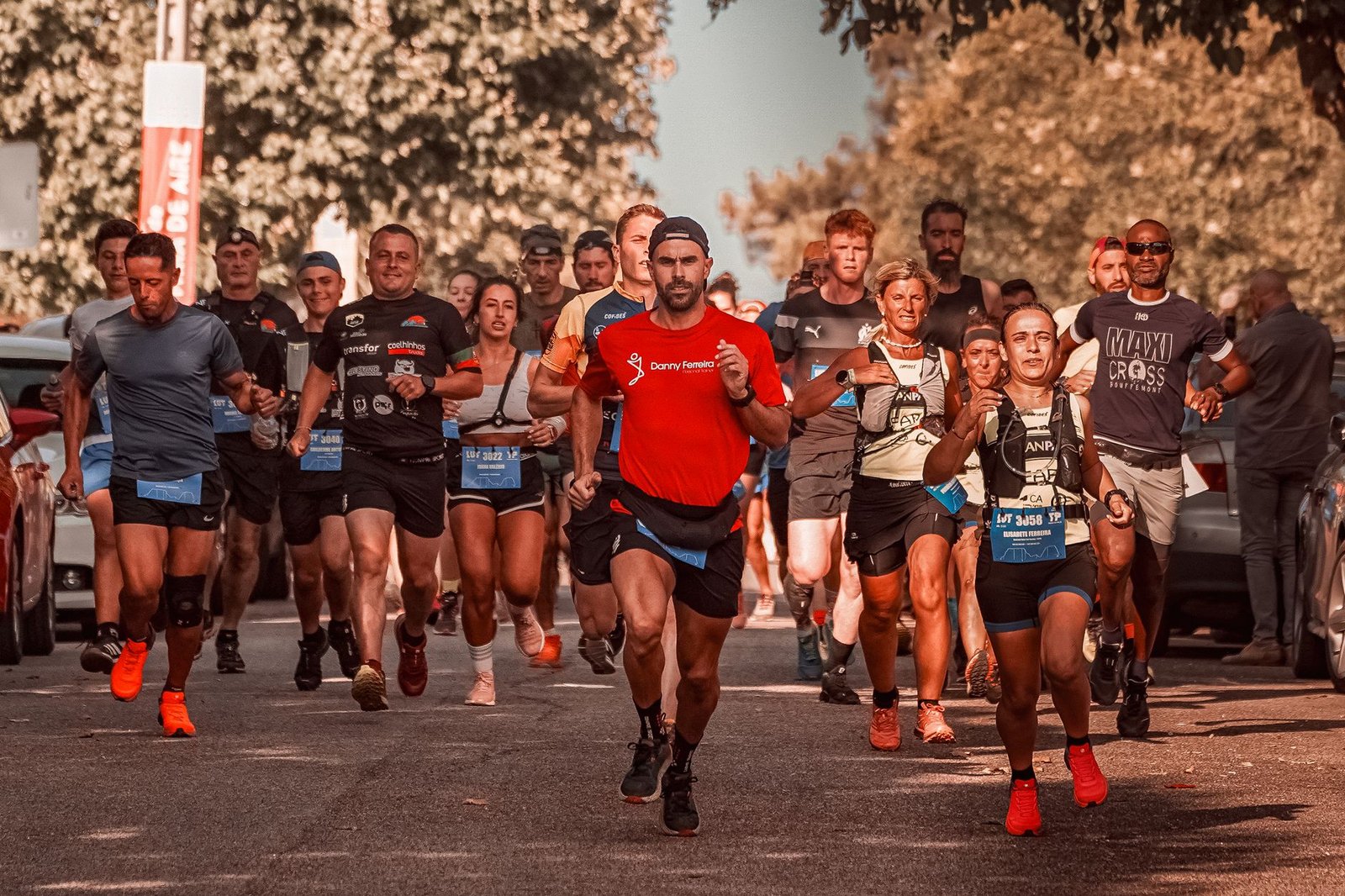
Schedule Strength Like It’s Part of Recovery, Not a Bonus
Strength sessions need spacing because adaptation happens between workouts, not during them. A practical target is two strength sessions per week with at least 48 hours between them. If that spacing is impossible, place sessions on non-running days or keep them at least 6 hours after a run.
Why so strict? Because marathon training stacks fatigue. If you rush strength right on top of speedwork or a hard long run, you convert “building power safely” into lingering soreness and compromised mechanics.
Once you accept that recovery is training, you stop treating strength as an interruption and start treating it as a controlled dose.
Short Sessions With Hard Quality Beats Exhaustion
Most marathoners do not fail at strength because the weight is light. They fail because sessions become too long and too messy. Keep sessions relatively short, roughly 20 to 30 minutes, and prioritize quality over exhaustion.
Use loads that feel challenging but manageable, often weights you can lift for about 3 sets of 8 to 10 reps. Start bodyweight first to lock in technique, then add resistance through free weights or elastic bands. You get more value from consistent reps than from random grinding.
Many coaches rely on marathon strength plans to structure cross-training volume, but the real standard is simple: your next run should be better, not worse.
Use Three Phases to Build Strength, Then Power, Then Specific Force
Year-round training works when emphasis shifts at the right time. In the early phase (about weeks 1 to 5), build a strength base. Keep most work around 2 sets of 8 reps at first, progressing toward 3 sets of 10.
Next comes muscular endurance and power (about weeks 6 to 10). Aim for 3 to 4 sets of 8 to 12 reps, plus low-volume plyometrics to teach force and stability.
Finally, shift to strength and power emphasis (about weeks 11 to 13). Use heavier compound lifts with lower reps, and pair them with higher-rep, lower-weight quick unilateral work like jump lunges.
The real benefit of phases is that your body stops guessing. Each block has a job, so intensity and fatigue are controlled instead of piled up blindly.
Plyometrics Need Low Volume and High Intent
Plyometrics are not a cardio tool. They are a nervous-system and stiffness tool. Keep volume low and prioritize intensity. If you do plyometrics until your legs are wrecked, you learn nothing useful for late-race mechanics.
Place plyometrics at the start of strength work or before an easy run or speedwork. That timing matters because you want crisp landings and stable joint positions, not sloppy form under fatigue.

And if your calves or knees feel unstable that day, the correct adjustment is to reduce reps, not to “power through.” Power that costs you alignment is not power.
Target Injury-Vulnerable Areas With Measurable Strength Signals
Marathoners get hurt in predictable places because impact repeatedly loads the same tissues. Strength-to-impact pairings should therefore include explicit targets for the calves/Achilles, knees, and joint mechanics. Use measurable signals to know you are progressing safely.
| Risk Area | Strength-to-Impact Pairing | Measurable Safe Loading Signal |
|---|---|---|
| Calves and Achilles | Calf raises with tempo control | 2–3 sets of 10–15 reps |
| Knee Alignment | Step-downs and split squats | Pain ≤ 3 out of 10 |
| Hip Stability | Jump lunges and unilateral hinges | Clean foot strike on 8–10 reps |
| Hamstring Load Tolerance | Hip hinge with controlled eccentric | 3 sets of 6–10 reps |
| Foot and Ankle Mobility | Range drills plus short strides | Full ROM without compensation |
The counterargument is tempting. “But I’m not injured, so why plan for risk?” Because prevention is cheaper than rehabilitation. When you set measurable signals, you can progress strength without guessing.
Lower-Body Work Should Look Like Running, Even When It’s Heavy
If you want strength to transfer, your exercises must resemble the forces running produces. That means lower-body sessions should emphasize squat variations, hip hinges, lunges, and steps with controlled tempo and sufficient range of motion.
Keep technique disciplined: neutral spine, stable pelvis, and controlled movement. The goal is not to lift more for ego. The goal is to train the ability to express force while staying aligned through each stride.
When your form stays consistent across sets, you are building resilience for the portion of a marathon where form usually starts to degrade.
Upper Body and Core Are the Hidden Engine of Late-Race Efficiency
Marathoners often ignore upper-body strength because it does not “feel” like running. But posture is mechanical. If the upper body collapses, the stride shortens and the hips lose control, especially late in the race.
Include push and pull patterns to support scapular stability, and prioritize core bracing and rotation to protect the spine during fatigue. This is not body building. It is force transfer.
Rhetorical question: why would a plan for impact ignore the system that coordinates it from the ground up?
Progress Resistance With Technique First, Then Load
Strength work should start with bodyweight to establish technique, then progress resistance through free weights or elastic bands. This approach matters because marathoners often have limited tolerance for sloppy reps. A small technique mistake multiplied by hundreds of steps will eventually become an injury.
Use controlled tempo and consistent range of motion. When you can hit target reps with stable joint positions, you can add load safely. When you cannot, you fix mechanics before you add weight.
Some will say this slows progress. But it prevents setbacks, and setbacks are what truly delay your strongest training blocks.
Keep the Muscles Fresh and the Intensity Sharp During Taper
In the last few weeks, reduce strength volume by about half while keeping intensity relatively high. That preserves the power stimulus without dragging fatigue into race week. Marathon readiness depends on legs that can snap, not legs that ache on command.
Schedule the final strength session 4 to 5 days before race day. Then maintain mobility at least once weekly to protect gait and reduce injury risk. Mobility is not optional when you want your stride to remain efficient under stress.
The best taper is a quiet one. You feel capable because you are not overloaded.

Adjust With Feedback, Not Feelings
You should not manage strength-to-impact pairings using vague optimism or anxiety. Track response: soreness duration, next-run quality, and whether joint positions stay clean under fatigue. If recovery takes longer than expected, reduce volume or loading, even if your plan looks perfect on paper.
A good rule is to treat sprint-like intent and lift quality as non-negotiables. If reps turn sloppy, intensity must drop, not technique. Consistency beats heroics.
Build power safely by listening to measurable outcomes. When your runs feel smoother and your stride holds form, your strength plan is doing its job.
How Can Marathoners Build Power Safely with Strength-to-Impact Pairings?
How Many Strength-to-Impact Sessions Per Week Support Marathoners Building Power Safely?
Plan about two strength-to-impact sessions per week with at least 48 hours between them, ideally on non-running days (or at least 6 hours after a run); keep each session short (about 20–30 minutes) and prioritize quality and good mechanics over exhaustion.
What Strength-to-Impact Exercises Best Carry Over to Running Mechanics and Recovery?
Use lower-body dominance patterns that resemble running impact—squat, hip hinge, lunge, and step—plus upper-body push and pull and core bracing/rotation; emphasize neutral spine, controlled tempo, and safe range of motion while paying extra attention to knee and calf/Achilles tolerance.
Which Rep Ranges and Loads Help Marathoners Build Power Safely Without Overtraining?
Start with bodyweight to lock in technique, then progress to loads that feel challenging but manageable (often lift weights you can handle for roughly 3 sets of 8–10 reps); keep rest and execution consistent so you build power without turning strength work into a fatigue session.
When Should Plyometrics Be Placed in a Strength-to-Impact Plan for Safe Force?
Add plyometrics in low volume but high intensity, and place them early in the strength session or before an easy run/speedwork; keep landings controlled and stable, and stop short of poor form so force production stays crisp.
How Do Strength-to-Impact Phases Progress Through the Year for Marathoners?
Build a base first (about weeks 1–5 with mostly 2 sets of 8 reps progressing toward 3 sets of 10), then shift toward muscular endurance/power (about weeks 6–10 with 3–4 sets of 8–12 plus plyometrics), and finish with more strength/power emphasis (about weeks 11–13 using lower reps/heavier compound lifts paired with quick unilateral work like jump lunges at lower load).
What Taper Changes Keep Marathoners Race-Ready While Building Power Safely?
In the last few weeks, reduce strength volume by about half while keeping intensity relatively high, and schedule the final strength session 4–5 days before race day; maintain mobility at least once weekly to protect gait and reduce injury risk.
Build Power Safely With Smart Strength-to-Impact Pairings
Strength-to-impact pairings for marathoners, build power safely should be your organizing principle, not an afterthought. Train two times a week, keep sessions short and high quality, progress by phase, and let plyometrics support running mechanics rather than punish recovery. If you respect timing and technique all year, your strength will transfer to smoother strides on race day, and you will finish with power that actually lasts.

I am Ozan, a London-focused running writer and marathon enthusiast with a passion for helping people discover the city’s best races, running routes, walking trails, and fitness events. I research and write practical, up-to-date guides covering marathons, race preparation, training tips, running gear, and everything related to staying active in London.
My goal is to create reliable, easy-to-follow content that helps runners and walkers of all experience levels explore London with confidence, whether they’re preparing for their first 5K or their next marathon.