Runners don’t lose races because they can’t run, they lose them because they improvise. In London, the difference is usually your race-day transitions, from the moment you step into the start area to the first real minutes on the course. If you treat “start, fuel, and go” like a vibe instead of a plan, your stomach, energy, and rhythm will pay the price.
The right way to practice is to control what you can. Rehearse your worst-case scenario the week before, not just your ideal day, because stress rarely feels optional. Then taper with light activity so you stay ready, and set your food and hydration routine in advance so your body knows what to expect when you most need it to cooperate.
On race morning, execute the same breakfast and snack pattern you tested in training, and start fueling early rather than waiting for signs of hunger. Plan your logistics early, know what’s available on the course, and treat every water station as part of the transition plan, not an afterthought. When you finally go, hold back at the start and let the first stretch become controlled warm-up, so your fuel hits right when your pace settles.
Stop Treating Race-Day Transitions Like Luck
The right way to practice race-day transitions in London is simple: you rehearse the sequence until it feels automatic, then you execute it with discipline. Start, fuel, and go is not a slogan. It is a system for protecting remote control over your stomach, nerves, and legs when the day turns hectic.
If you treat transitions as improv, you will pay for it twice. First in training, because you will keep guessing. Then on race morning, because your body cannot suddenly learn timing, portion size, and pacing under pressure. Why leave the biggest variables to chance?
Some athletes argue that “race day is race day” and that practice is for distance, not logistics. But race-day transitions decide whether you finish feeling steady or fighting cramps, nausea, and a late fuel deficit. Train the transition, or accept the cost.
Rehearse Your Worst-Case scenarios Before London Adds Chaos
London is rarely quiet: crowds, queues, weather swings, and course crowding can distort your plan in minutes. That is why your practice must include failure. Not in theory, but in rehearsals where you visualize the exact mess and decide what you will do when it happens.
Run through the “start, fuel, and go” chain with negative visualisation. Picture the gel you dropped, the bottle that leaks, the line for the toilet that is longer than expected, or the stomach that feels off before the gun. Then rehearse the replacement actions until they become your default.
Your plan is only as strong as your fallback when it breaks.
Set Your Week-of Routine Like a Pre-Flight Checklist
In the week leading up to race day, your job is not to “train harder.” Your job is to make your body familiar with the plan. Keep a routine that removes decision fatigue: timing, portions, hydration habits, and your exact sleep targets.
Start by locking your food timing and your light movement. A couple of short runs and mobility work will keep your legs responsive without inflaming fatigue. This is not superstition. It is physiology: you want circulation and coordination, not heavy overload.
But won’t rest make it easier? Rest fully can work for some athletes, yet many feel stiff or flat when the final days are too inactive. Light, consistent activity is a bridge that keeps you sharp.
Taper Means Light Activity, Not Becoming a Statuesque Hero
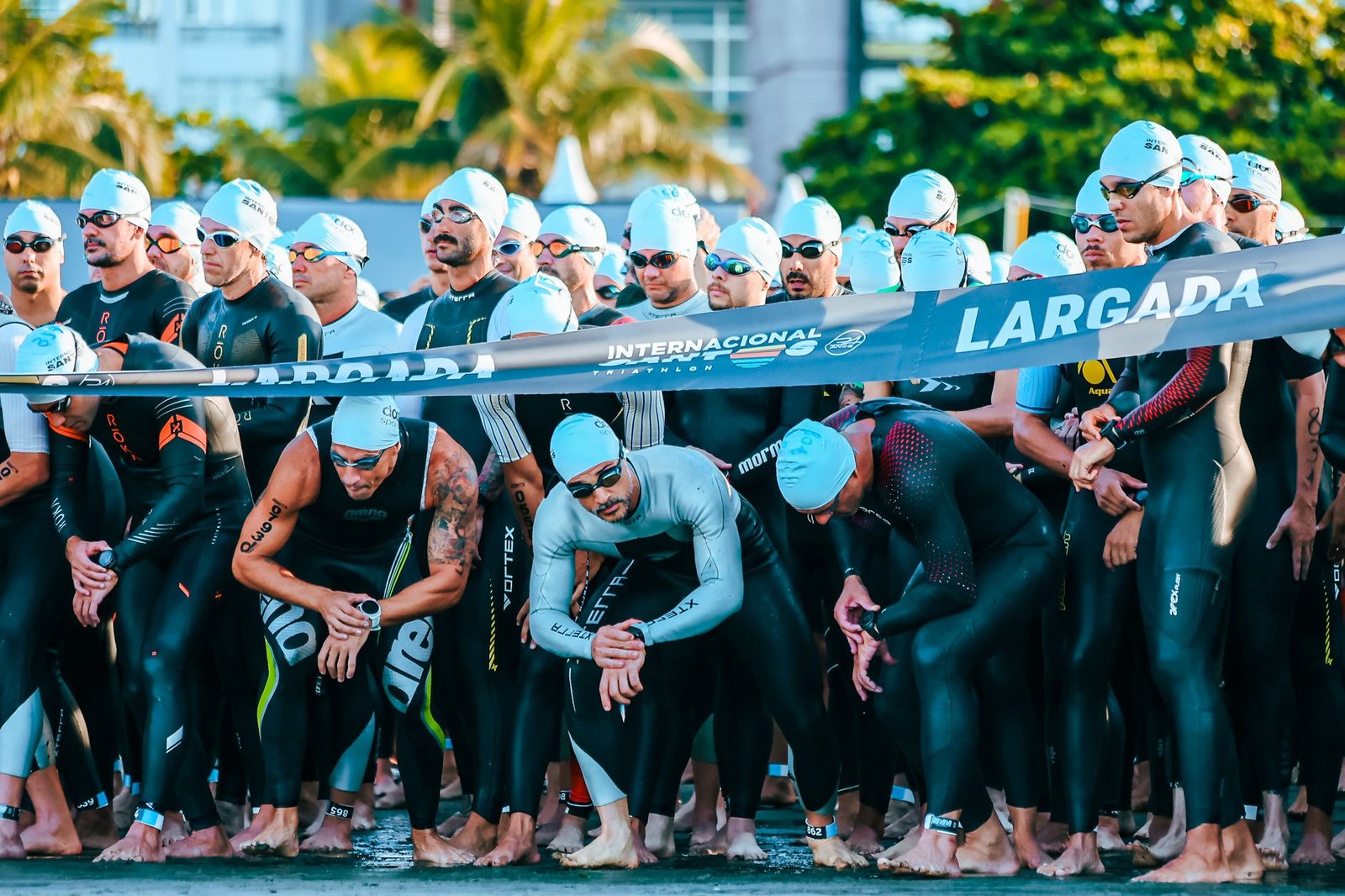
Staying lightly active is the difference between “ready” and “just rested.” Practice the taper so your body expects movement. If you go completely “completely rested,” what happens when you have to stand, walk, and jog into pace?
Use taper sessions that match the transition needs of the day. Think short runs, quick mobility, and gentle stretching that you have tested before. The aim is to keep your body ready without heavy lifting or suddenly adding intensity.
- 20–30 minute runs only, easy to moderate
- Mobility and stretching you already tolerate
- No last-minute strength surprises
Lock Your Breakfast And Early Snack Timing Before You Touch the Start Line
You do not need a complicated diet on race morning. You need a practiced one. Eat a big low-fibre, high-carbohydrate meal about 2–3 hours before the start, with fluids. Then add a calm, predictable snack plan that matches your training response.
The real question is not what food looks best. It is what food you have already digested without drama. Practice your breakfast and snack routine during your last long run or two. If you only “try it on race day,” you are running an experiment with your GI tract.
Some say fibre helps gut health. Sure, in everyday life. On race day, it can also raise the risk of urgency when intensity climbs and your schedule compresses. Choose stability over theoretical perfection.
Carbo Loading Isn’t a Guessing Game It’s a Measurable Target
Carbo loading should be planned in grams, not vibes. Over the two days before the race, aim roughly 6–10 g carbs per kilogram per day, keep fat low, and avoid high-fibre foods, legumes, fried items, and heavy-oil meals that slow digestion.
What does “measurable” look like for a busy London athlete? Here is a practical snapshot you can use to stay on target.
| Decision Point | Target Range | Why It Matters |
|---|---|---|
| Daily carbs | 6–10 g/kg | Replenishes glycogen |
| Fat density | Low | Helps stomach emptying |
| Fibre level | Avoid high | Reduces GI urgency risk |
| Meal timing | 2–3 h pre-race | Prevents timing shock |
| Hydration start | 2–3 days out | Improves absorption consistency |
Carbo loading also needs product consistency. If your training meals are different every week, your gut will not respond reliably. Choose meals you recognize, then repeat them. The goal is not variety. The goal is glycogen you can actually use.
Hydration And Electrolytes Decide Whether Your Fuel Stays Where It Belongs
Hydration is not “more water.” It is the right amount, backed by electrolytes that support absorption. Start electrolyte support about 2–3 days out, and use higher sodium if that improves your fluid absorption.
Then avoid the trap of overhydrating the evening before. Too much fluid can make your stomach feel heavy and your race start feel sluggish. In practice sessions, pay attention to what “enough” feels like in your body, not just in your bottle.
But I don’t want to risk dehydration. You won’t solve that by flooding the system late. You solve it by practicing your intake rhythm and sticking to it.
Set Up Logistics Early So Your Transition Has Fewer Moving Parts
On race morning, execute your practised routine for logistics early. Lay out your kit a couple of days ahead. Know what the course provides, and do not assume every gel brand, bottle size, or station setup will match what you practiced.
Plan your backups. If you might drop gels, bring a simple spare in your kit. If bottles might leak, pack them in a way that won’t turn your start into an immediate cleanup job. Ask yourself: if one component fails, how fast will you recover?
In London, small delays compound. You might be queuing for bag drop, negotiating transport, or adjusting to a weather shift. A rehearsed transition is how you protect your race-day routine from external noise.
Begin Fueling Early So Your Stomach Can Settle Before the Effort Peaks
Do not wait until you “feel hungry.” Fuel should arrive when you can digest it, not when you are already stressed. Take your first gel about 10–15 minutes before the start. A partial dose works well for many athletes, such as around 20–25 g carbs so you are ready to settle as the crowd starts moving.
This is especially important for first-year marathoners and newer half-marathon runners who often panic-start. Early, gentle readiness helps you avoid the swing where you either underfuel or rush fuel right after your pace climbs.
Use only products you have tested in training. If you cannot name your exact gel and drink combination from weeks ago, you are not ready yet.
Treat Every Water Station As Part Of the Plan Not a Random Event
During the race, fuel like it is scheduled work. Treat every water station as part of the plan, including backup fueling if needed. Aim for about 500 ml fluid per hour, often around 150–200 ml every ~20 minutes, then adjust based on conditions and your sweat rate.
In practice, rehearse how you take water without breaking rhythm. If you drink clumsily in training, you will replicate that clumsiness when you are tired. That is avoidable with rehearsal.
Here is a simple check: by mile markers where you usually begin to slow, can you still reliably take gel and water without chasing them?
Put the Brakes on the First Five Kilometres to Protect Your Race Shape
Your start pacing decides everything that follows. Do not sprint out of the gate, even when the crowd looks exciting. Put the brakes on slightly and treat the first 5 km as a controlled warm-up so your GI system and breathing can stabilize.
Then decide your race shape. If you are newer, target an even split. If you are experienced, consider a negative split where the second half is slightly faster. Either way, your fueling and hydration must match the pacing you choose, not the pacing you feel in the first minutes.
Fast starts steal fuel progress later.
Hit Your In-Race Carbohydrate Target With Consistency
Your in-race carbohydrate target is usually around 60 g per hour. But it is the consistency that matters more than the theoretical number. If you fall behind early, you will not catch up comfortably when your stomach is already irritated.
Build a rhythm that you can maintain after the first ~20 minutes. Then stick to it. That means predictable gel timing and predictable water intake, using the regular stations “as you go,” rather than improvising each stop.
What if my pace changes? Adjust by tolerable pacing, not by random fueling. Your body can handle a controlled plan under pressure. It struggles with improvisation when fatigue rises.
Train GI Resilience by Practicing the Moment Things Feel Wrong
Everything above assumes your stomach behaves. Sometimes it won’t. That is why you must train GI resilience, not just performance. Use only products you have tested, and never force new items when something feels off.
If GI distress hits, ease off and avoid anything new for at least 15 minutes. Cope first, then resume only when your system calms down. This is not weakness. It is damage control that preserves your ability to finish strongly.
Experts often emphasize these practical safety rules, and race day guidance reflects the same principle: consistency beats risky experimentation.
Debrief After You Finish So Your Next Transition Gets Sharper
Race-day transitions improve through evidence, not memory. After you finish in London, write down what happened: breakfast timing, first gel timing, water station behavior, how the first 5 km felt, and the exact moment your fueling plan started to work or fail.
Then adjust one variable at a time for your next race. Did you take the first gel too late? Did you overshoot fluids? Did you sprint the first stretch and then pay for it? Your notes become the training blueprint for the next “start, fuel, and go.”
Isn’t this overkill? It is only overkill if you have no plan to act. If you want repeatable performance, debrief is the final step of the system.
How to Practice Race-Day Transitions in London, Start, Fuel, and Go?
What does a successful race-day transition plan look like in London for start, fuel, and go?
A strong plan controls what you can: rehearse your “worst-case” scenarios, set your start and fueling routines a week ahead, taper with light activity, and treat every step—from breakfast to gels to water—as part of one continuous start-to-race transition.
How can you rehearse the start routine and logistics so you feel ready on race morning in London?
Practice your worst-case scenarios in training (missed items, spilled bottles, or an unexpected change), set up kit early (lay out gear a couple of days before), confirm what the course provides, and prepare a backup plan for gels and drink access so you can execute calmly.
What should you eat and drink in the 2–3 hours before the start for better start, fuel, and go execution?
Have a big, low-fibre, high-carbohydrate meal about 2–3 hours pre-start with some fluids, then keep the plan consistent with low-fat choices while you aim to arrive hydrated and settled rather than overly full.
How do you practice carbohydrate loading and electrolyte support in the final days before race day?
Carb-load for the 2 days before with roughly 6–10 g carbs/kg/day, keep fat low, and avoid high-fibre foods, legumes, fried items, and heavy-oil meals. Start electrolyte support 2–3 days out (often higher-sodium drinks to help fluid absorption) and don’t overhydrate the evening before.
When should you take your first gel and how do you use water stations during the race for fuel-and-go?
Start fueling early: take your first gel about 10–15 minutes before the start (for example, around a third of a gel to reach ~20–25 g carbs), then treat each water station as planned hydration. Aim for about 500 ml per hour, often ~150–200 ml every ~20 minutes, and use the regular stations “as you go,” with backups if needed.
How should you pace the first 5 km after you start, and what if GI distress interrupts your plan?
Don’t sprint out—put on the brakes slightly and treat the first 5 km as a controlled warm-up before deciding your race shape (even split for newer runners, negative split option for more experienced ones). Use only tested products, and if GI distress hits, ease off and avoid anything new for at least 15 minutes while returning to your practiced rhythm.
Practice Your Race-Day Moves With Confidence
The right way to practice race-day transitions in london: start, fuel, and go is simple and disciplined. Rehearse your worst case, lock in your breakfast and snack routine, treat hydration and electrolytes like scheduled training, and plan gels from the first minutes instead of reacting on the day. On race morning, execute your tested start pace, fuel early, and keep everything you take inside the boundaries you proved in training. Do that, and your race will stop feeling like a gamble and start feeling like a plan you can trust.

I am Ozan, a London-focused running writer and marathon enthusiast with a passion for helping people discover the city’s best races, running routes, walking trails, and fitness events. I research and write practical, up-to-date guides covering marathons, race preparation, training tips, running gear, and everything related to staying active in London.
My goal is to create reliable, easy-to-follow content that helps runners and walkers of all experience levels explore London with confidence, whether they’re preparing for their first 5K or their next marathon.