Chafing is a gear problem, not a “toughness” test. In warm London Marathon conditions, sweat turns fabric friction into a sore, burning distraction unless your kit actively manages heat and wetness. I am not interested in hoping your shorts hold up. I want gear that reduces rubbing before you even start.
Choose quick-drying, moisture-wicking fabrics like lightweight polyester or nylon, and skip cotton when the weather is warm. Look for breathable or ventilated designs such as mesh panels and consider looser, longer options that limit thigh rub. If your legs overheat and the fabric stays wet, the damage is already in progress.
Then handle hot spots like a professional: test your race kit in training, identify where rubbing begins, and pre-treat with anti-chafe products such as petroleum jelly or BodyGlide before things get slippery. Keep hydration steady and use a water solution you can access comfortably, whether that is an easy bottle or a lightweight hydration vest. This is how you show up dry, comfortable, and focused on the miles.
Cotton Is the Enemy of Warm London Chafing
If you want london marathon gear that prevents sweat chafing in warm weather, start with the obvious decision: ditch cotton. Cotton soaks up sweat, stays wet longer, and increases friction where fabric rubs skin.
Polyester and nylon are built for sweat management. They dry quickly, keep skin contact drier, and reduce the friction that turns a small hot spot into a blistering problem by mile 15.
So when you choose your shirt, shorts, and base layers, ask a hard question: will this fabric stay damp for the first hour. If the answer is yes, you are buying chafing with your entry fee.
Shorts Fit and Seam Placement Decide Your Outcome
Most thigh chafing is not about “toughing it out.” It is about contact points and pressure. Warm conditions make skin slicker, and slick skin means seams migrate and rub.
Choose lighter, breathable shorts with mesh panels and split-leg designs, or loose fits with a longer inseam. Tight hems and high-friction seams do not forgive running, especially when your stride length changes as fatigue hits.
If you carry extra heat, avoid narrow or stiff waistbands that press, roll, and re-position as sweat builds.
Zero-Bounce Sports Bras Prevent More Damage Than Band-Aids
Chest chafing is usually a movement problem first and a sweat problem second. In warm weather, skin stays wet, but the real trigger is bounce that keeps rubbing the same strap and band areas.

Pick a zero-bounce or low-bounce sports bra with smooth seams and moisture-wicking fabric. Look for cups and straps designed to reduce internal friction, not just external sweat.
Counterargument you will hear: “Any bra will work if you use enough anti-chafe.” That logic fails when the bra shifts and your anti-chafe runs out, because the rubbing starts again immediately.
Your Socks Should Move Moisture, Not Cause Blisters
Blisters often begin as friction burns. In warm conditions, sweat turns that friction up, so the goal is simple: socks that wick moisture fast and keep skin drier at the toe and heel.
Use running-specific socks designed for sweat transport and reduced rubbing. Avoid cotton blends that stay damp, bunch, or create thick folds that move inside your shoe.
If you have a history of hotspots, treat your socks like equipment, not accessories. Test a new pair before race day, even if it feels comfortable at home.
Anti-Chafe Products Work Best When You Apply Them Like Strategy
Anti-chafe is not an optional luxury. It is a timed defense against predictable friction paths. Use petroleum jelly or BodyGlide on known hot spots such as under bra straps and the tops of legs where fabric meets skin.
Rubbing does not need big forces to hurt you. It needs repetition.
If you use kinesiology tape, apply it to your exact trouble points during training first. Tape can reduce motion at hotspots, but it is not magic if it peels during the warm-up sweat cycle.
Test Your Charity Vest and Race Kit Before the Crowd Tests You
Your body is predictable. Your kit is not. The charity vest, the race-day shirt, and the way seams sit after a few miles can create chafing where your training never noticed.
Run in the exact items you plan to race in, including any vest, bottle belt, or hydration setup. Then map where rubbing starts. That is how you prevent race-day surprises.
| Gear Choice | Where Chafing Itffects | Measurable Risk Cue |
|---|---|---|
| Charity Vest | Shoulders and underarms | Starts after 30 to 60 min |
| Shorts Hem | Inner thigh seam lines | Redness within first 10 mi |
| Sports Bra Band | Back band edges | Friction heat after 20 to 40 min |
| Sock Toe Seam | Toes and forefoot | Hot spots at 2 to 5 mi |
| Top Material | Side ribs and waist | Dampness lingers past 45 min |
Once you know the hotspots, pre-treat them and keep your plan consistent. Switching products or changing application amounts on race morning is a gamble you do not need.
Counterpoint: “Training chafe is different from marathon chafe.” True, but it is still the same chemistry of sweat and friction. Your goal is to remove uncertainty, not chase perfection.

Hydrate for Skin Comfort, Not Just Performance
Chafing thrives when skin stays wet and irritated. Hydration helps you control heat and reduce the sweat cycle that keeps friction active.
Plan hydration steadily: about 16 to 20 oz (0.5 to 0.6 L) in the day before, and during the run roughly 4 to 5 oz every 15 minutes, adjusted to your body. If you know you run hot, start early and keep intervals consistent.
And yes, gear matters too, because hydration delivery affects whether you take in enough at the moment you need it. Many runners follow summer gear guidance to handle sweat and timing together.
Use Heat Control Gear That Reduces Wet Rubbing
Warm conditions can turn every mile into a rolling steam bath. Heat control gear helps you lower skin temperature and slow the sweat buildup that fuels chafing.
Instead of a visor that only blocks sun, consider a lightweight cap that can keep ice in place. That kind of targeted cooling can help you feel better and protect skin in areas where sweat collects.
Loose, lightweight tops or vests can also reduce friction, especially if they keep fabric from clinging and sliding over the same spots repeatedly.
Hydration Tools Must Fit Your Body, Not Your Shopping Cart
If drinks are hard to access, you will under-hydrate, and under-hydration can worsen how your skin reacts to heat. Use a simple, reliable tool that you already know works for you.
An easy water bottle system or an optional hydration vest can help you stay consistent. The key is comfort and stability, because a bouncing bottle or shifting vest becomes its own friction source.
When you test gear, test the delivery method too. If your bottle belt rubs your hip in training, it will rub in the race, right when you are least patient.
Tights Are Conditional Protection, Not a Universal Fix
Many runners jump to tights when they hear “chafing prevention.” Tights can work in specific scenarios, like when shorts ride up or when you have a consistent inner-thigh hotspot.
But tights also trap heat for some bodies and can introduce friction if the fabric bunches. Evaluate whether your current problem is bare-skin contact, seam migration, or fabric wetness before you change your entire system.
If you try tights, treat them like race gear, meaning you test them under marathon pace conditions, not after a casual jog.
Build a Chafe-Proof Race Day Kit and Stick to It
Race day fails when you improvise. Your kit should be boring and reliable, because the warm London conditions will punish anything that changes mid-run.
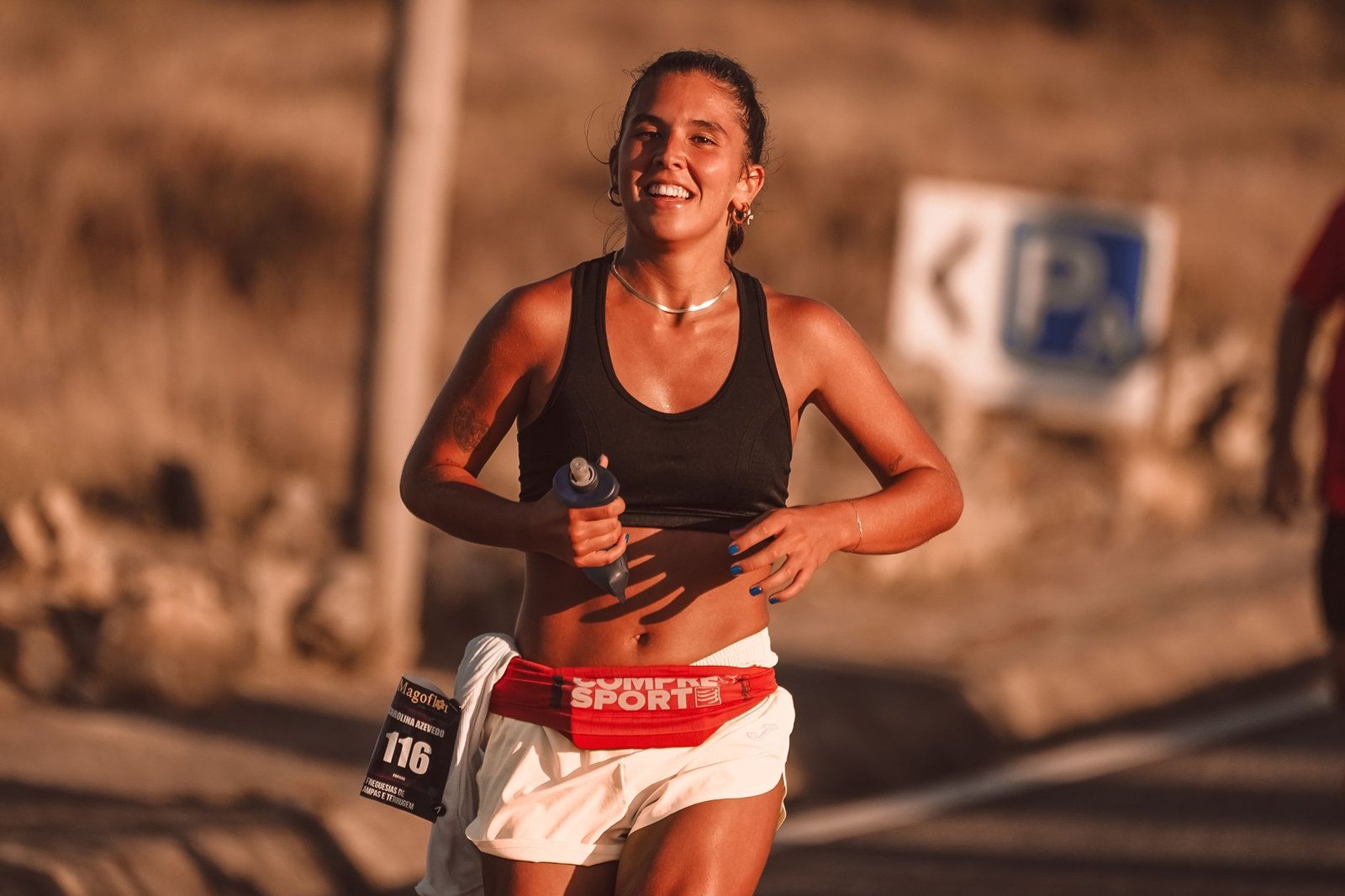
Pack items you have used before: moisture-wicking shorts, running socks, a stable bra, anti-chafe product for your mapped hotspots, and any tape you rely on. Bring enough to reapply if your plan requires it.
- Known favorites only, no first-time swaps
- Anti-chafe matched to your friction points
Then keep your application routine steady. Consistency is how you turn prevention into habit.
Race-Day Reality Is Friction Timing, So Plan for It
Chafing does not start at the starting line. It starts when sweat levels rise, skin softens, seams migrate, and you settle into a pace that changes your contact patterns.
That is why the right london marathon gear that prevents sweat chafing in warm weather is not a single miracle item. It is a set of decisions that keep fabric dry, keep seams stable, and keep friction paths predictable.
If you want a better marathon, treat skin comfort as part of performance planning. Isn’t it easier to prevent a hotspot than to medicate your way through it while you are already hurting?
What London Marathon Gear Helps Prevent Sweat Chafing in Warm Weather?
Which Fabrics Are Best for London Marathon Gear to Prevent Sweat Chafing in Warm Weather?
Choose quick-drying, moisture-wicking lightweight polyester or nylon and prioritize breathable mesh or ventilated panels, because cotton holds sweat and increases friction.
What Shorts and Thigh Protection Reduce Sweat Chafing During a Warm London Marathon?
Go for loose-fit or longer inseam shorts to reduce thigh rub, and consider split-leg or ventilated designs; compression tights can also help for some runners when they fit smoothly without bunching.
How Do You Pick Shirts, Vests, and Sports Bras to Avoid Sweat-Related Friction in the London Marathon?
Use lightweight, breathable tops or vests with minimal seam rubbing and good airflow, and select a zero-bounce sports bra that stays put; apply anti-chafe where straps or edges contact skin.
Do Socks and Shoe Setup Matter for Preventing Sweat Chafing in Warm London Marathon Conditions?
Wear running socks made to wick moisture and reduce blisters, and make sure your shoe fit and lacing prevent sock movement, then pre-treat common hot spots like toes, heel edges, and the tops of feet.
Which Anti-Chafe Products and Pre-Race Tests Work Best for Warm Weather London Marathon Chafing?
Test your race kit in training, then pre-treat hot spots with anti-chafe balm such as petroleum jelly or BodyGlide; some runners also use kinesiology tape before the race to limit friction.
How Can Hydration and Drink Handling Reduce Sweat Chafing in a Warm London Marathon?
Stay consistently hydrated so sweat does not turn into sticky skin, and use an easy bottle or a hydration vest if you need drinks on the course to help you manage intake without overheating.
Stop The Rub With The Right Marathon Kit
Choose london marathon gear that prevents sweat chafing in warm weather by sticking to quick-drying moisture-wicking fabrics, breathable designs, and properly fitted shorts or base layers that reduce thigh and underarm friction, then test it in training and pre-treat hot spots before race day. When you control sweat and movement from the start, you do not have to guess later with tape and luck.

I am Ozan, a London-focused running writer and marathon enthusiast with a passion for helping people discover the city’s best races, running routes, walking trails, and fitness events. I research and write practical, up-to-date guides covering marathons, race preparation, training tips, running gear, and everything related to staying active in London.
My goal is to create reliable, easy-to-follow content that helps runners and walkers of all experience levels explore London with confidence, whether they’re preparing for their first 5K or their next marathon.