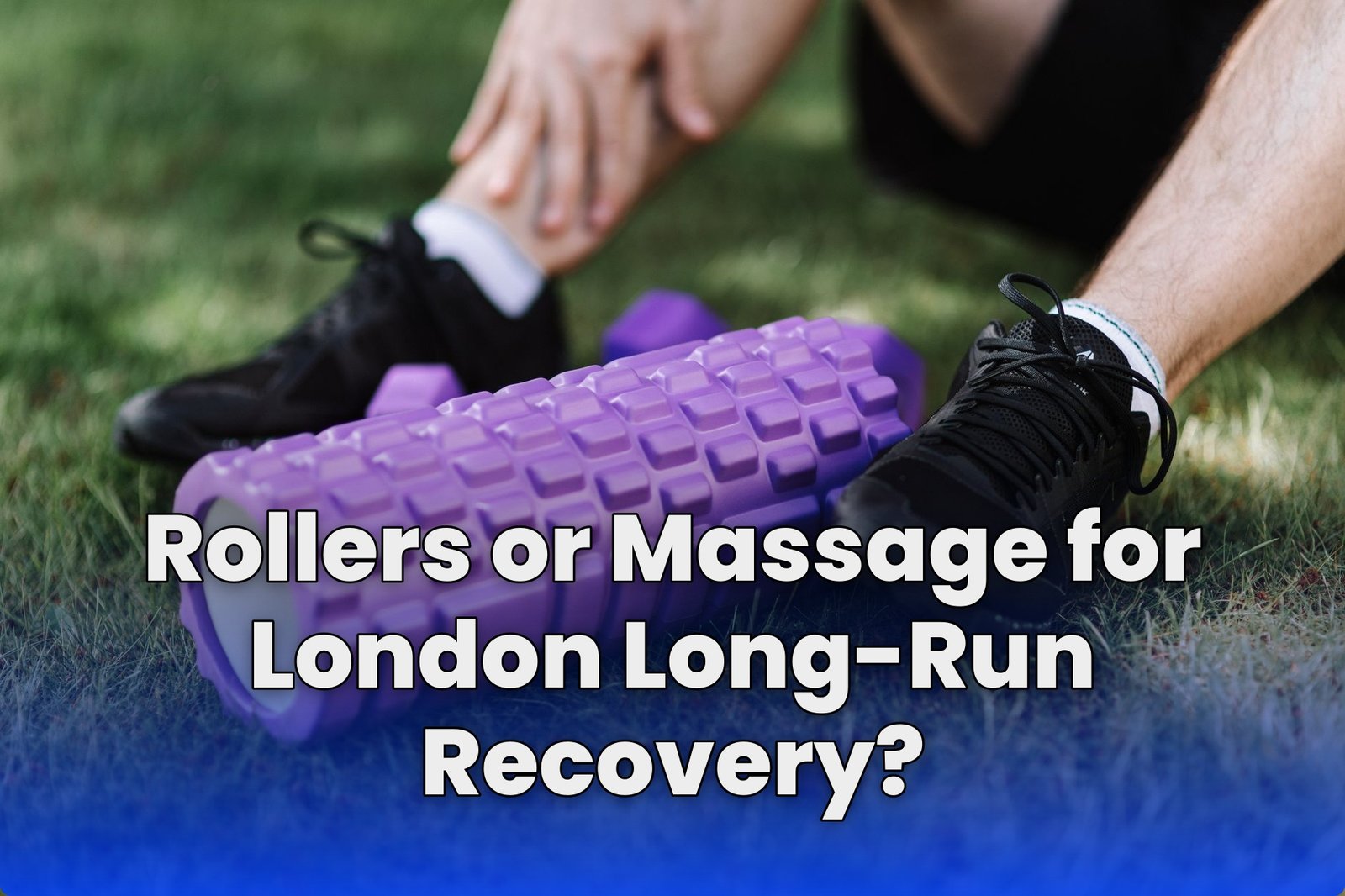
Rollers or Massage sounds like a simple choice, but it is not. If you want faster, steadier recovery after a long run in London, you should treat foam rolling like a quick reset and book real massage when you need deeper, more reliable work.
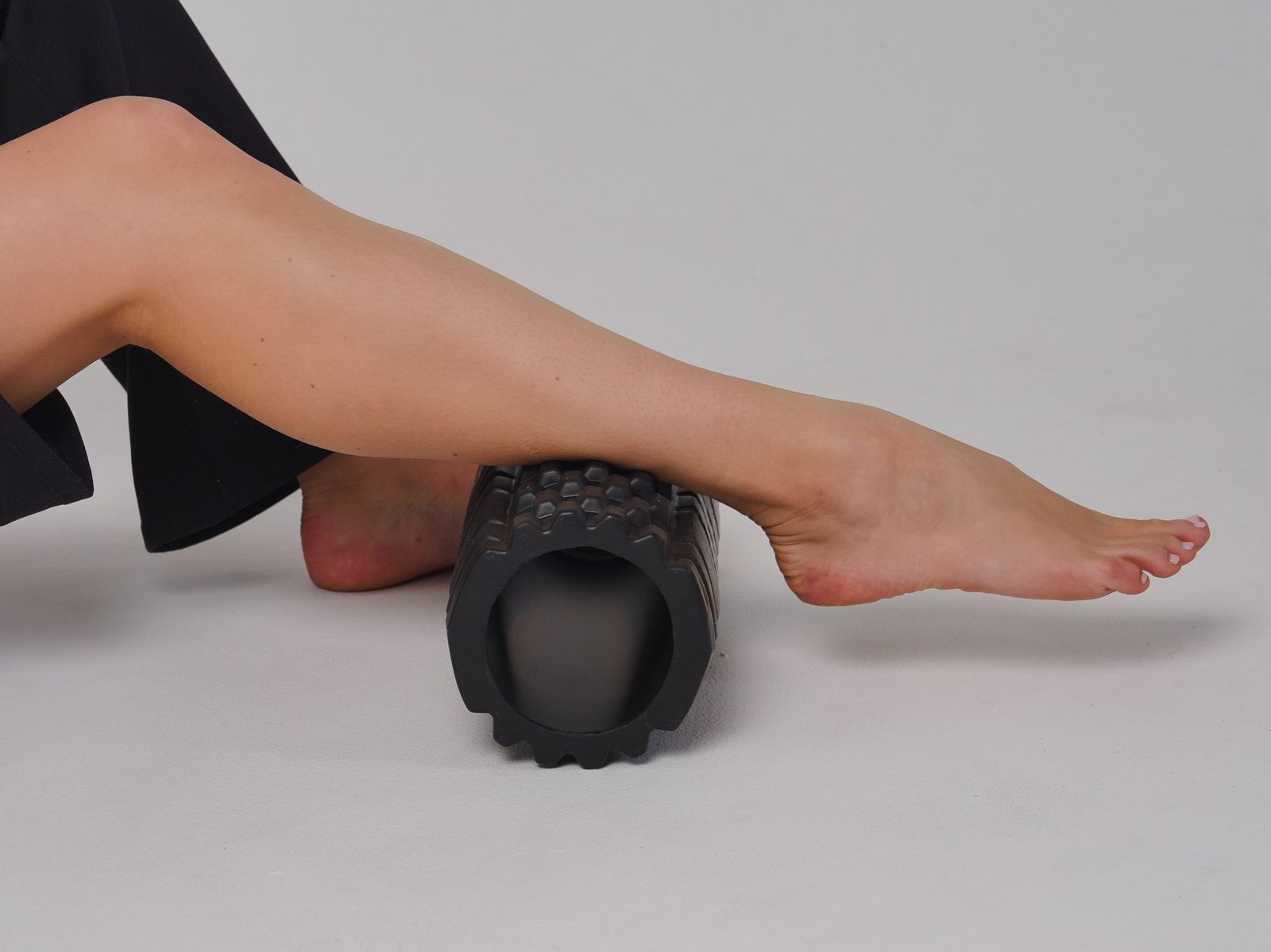
Foam rollers can help modestly with delayed-onset muscle soreness and they can temporarily improve range of motion, so they are worth using for about 5 to 10 minutes soon after you finish, ideally within an hour. Keep it gentle and targeted, around 30 to 60 seconds per muscle, focusing on big areas like calves, quads, hamstrings, glutes, and the TFL, and avoid rolling directly on the IT band or pressing into sharp, acute pain.
Massage by a qualified therapist is usually more consistent for reducing post-exercise soreness and supporting recovery, especially after a marathon-scale effort. For big race timelines, plan light self-massage or rolling in days 1 to 3, then consider deeper tissue sports massage around days 4 to 7, and skip the day of the marathon and the day after so your body can rest and actually heal.
Foam Rollers Are Not Recovery Magic
So, should you use rollers or massage for post-long-run recovery in london? Start with the uncomfortable truth. Foam rollers can help modestly, but they do not replace hands-on sports massage for soreness and recovery. Rolling is a tool for the moment, not a complete plan.
For delayed-onset muscle soreness, rollers may slightly improve range of motion and offer short-term comfort. The time window matters. Use them for about 5 to 10 minutes, ideally within an hour of finishing a run, and keep pressure controlled. If it hurts sharply, you stop.
The counterargument is tempting: “If rolling feels good, it must be doing real recovery work.” Feeling better is not the same as fully recovering. In London, runners often chase that relief and skip the real strategy that reduces soreness more consistently.
Massage Helps Because It Is Consistent, Not Because It Feels Fancy
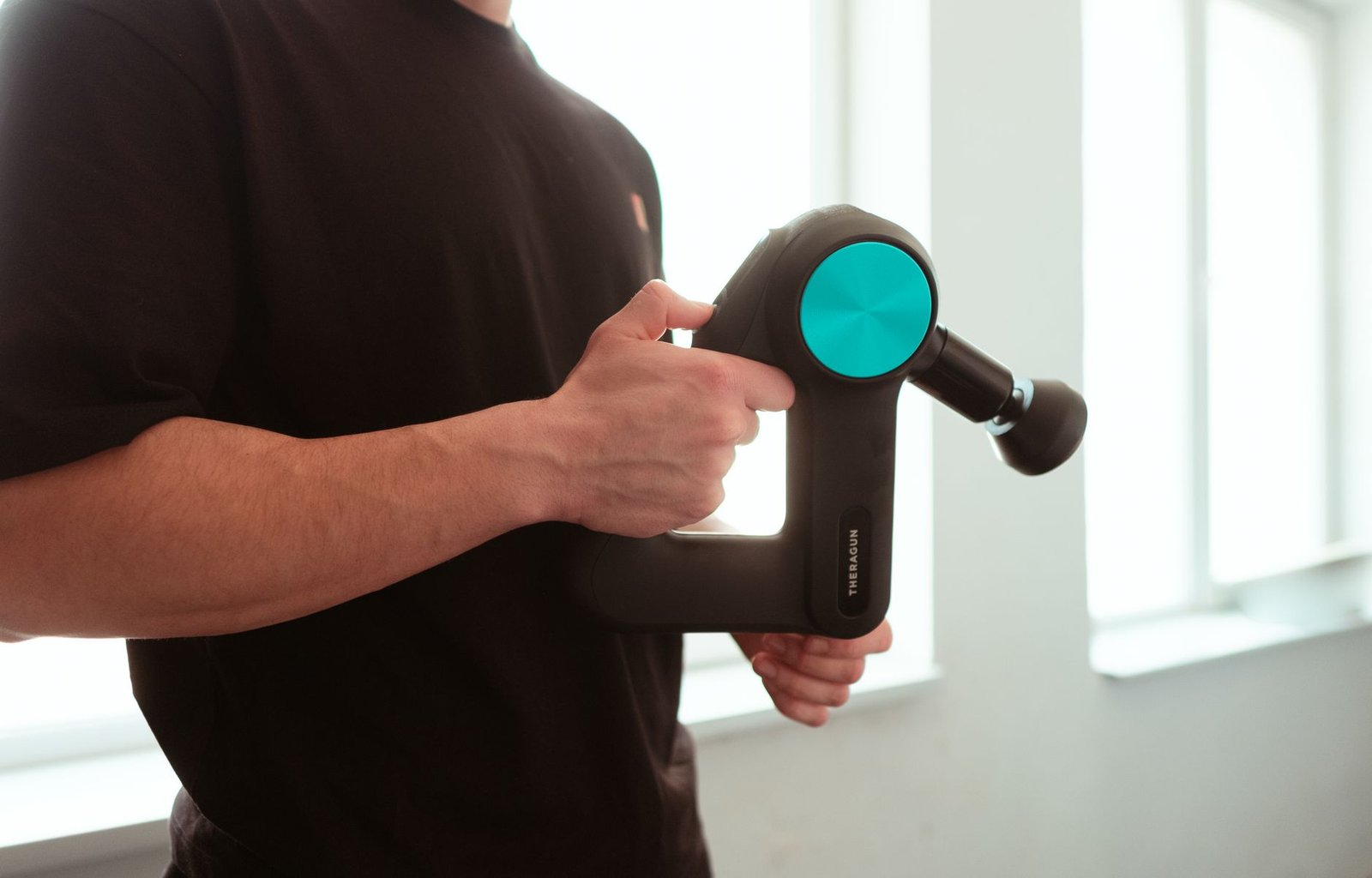
Massage is not a luxury in post-long-run recovery. It is a structured intervention. A qualified therapist can apply techniques more precisely and adjust pressure based on your response. That is why conventional massage tends to be more consistently effective for reducing post-exercise soreness and supporting recovery.
Foam rolling is self-directed and limited. A therapist can target tender regions, vary intensity, and check your feedback in real time. That matters when you are dealing with marathon-scale fatigue or the deep stiffness that comes after long miles.
Comfort after rolling is real. But consistent soreness reduction is where massage earns its place.
The London Reality Of Soreness After Long Runs
In London, recovery is complicated by crowding, commuting, and the sheer grind of daily movement. A long run does not end when you get home. Your calves, quads, hamstrings, glutes, and hip TFL can stay irritable while you sit, stand, and walk through the city.
That is why you need a recovery stack, not a single ritual. Rolling can be one piece early. Massage becomes more valuable when soreness lingers across multiple days and you want deeper, targeted work.
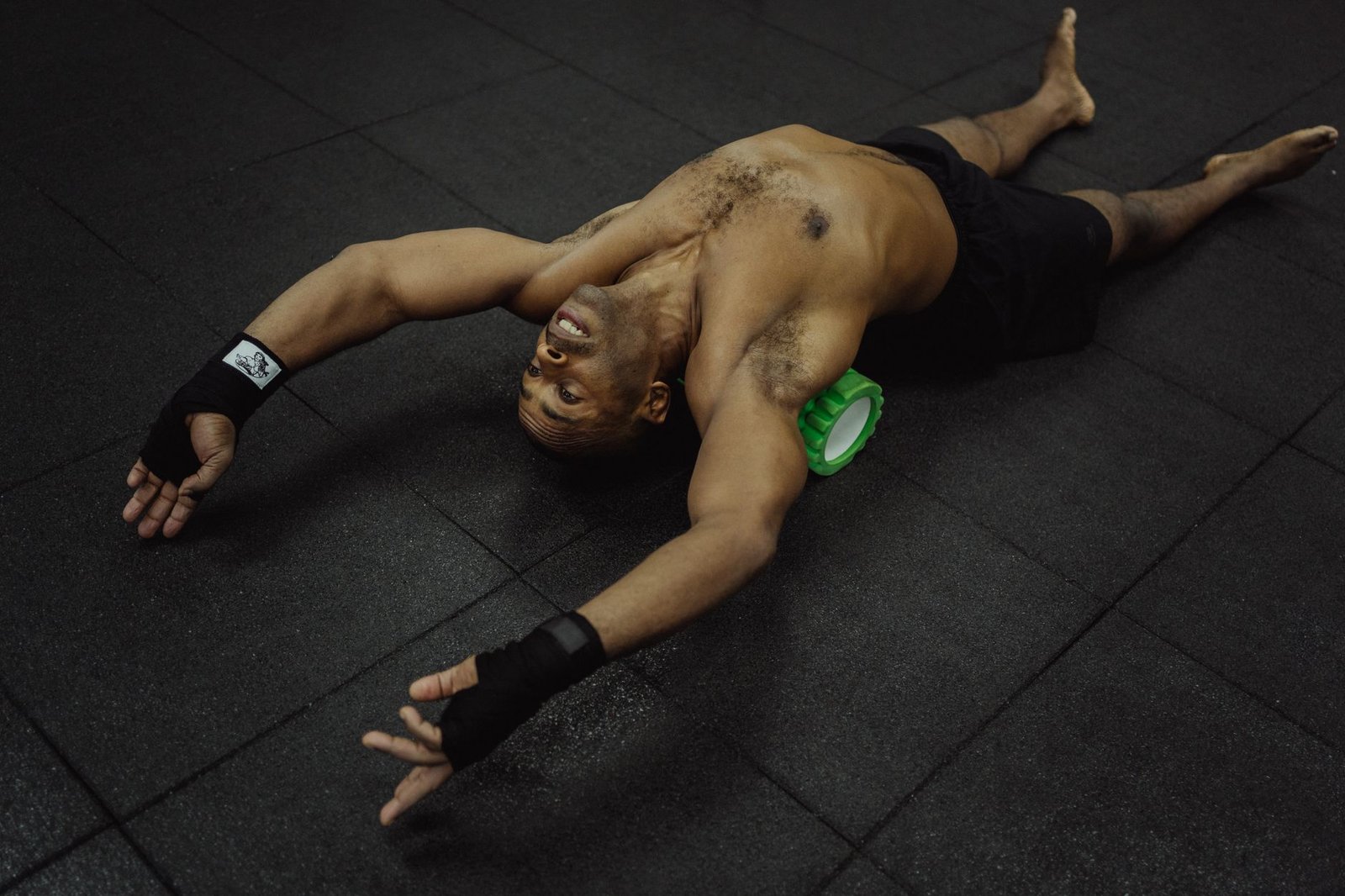
Some runners treat soreness as a badge. The better approach is simple: use tools that match the stage of recovery, then measure results by how you feel at your next session, not by how dramatic the foam roller session looked.
When You Should Roll After A Run
Rollers have a narrow job description: early, gentle self-massage that can modestly help with delayed-onset muscle soreness and temporarily improve range of motion. The practical guidance is clear. Aim for 30 to 60 seconds per muscle, focusing on major areas such as calves, quads, hamstrings, glutes, and hip TFL.
Do not roll directly on the IT band. Skip any spot that produces sharp pain or feels acutely injured. Think controlled pressure and steady breathing, not punishment.
- Timing that fits recovery needs is within about 1 hour of running.
- Duration should stay around 5 to 10 minutes total.
When You Should Book Sports Massage
If you are planning marathon-scale recovery, massage should not be an afterthought. Guidance commonly recommends booking within a 2 to 3 week post-race window and arranging about two sports massages. The goal is to manage soreness progression and stiffness while you still have a training runway.
Light massage and gentle rolling often fit days 1 to 3, while deeper tissue sports massage typically starts from days 4 to 7. That staging respects your biology. You want to avoid forcing depth too early when tissues are still settling.
“But I have a busy schedule.” Then you choose fewer, higher-impact appointments instead of daily chaos with guesswork. Massage pays off when it is timed well.
Avoid The Two Big Mistakes In Post-Long-Run Recovery
First mistake is treating rollers like a diagnostic. If you feel pain, people assume more pressure means more benefit. That logic is backwards. Use rolling for comfort and mobility gains, and stop before sharp pain appears.
Second mistake is mistiming massage around peak fatigue. Many recommendations say to avoid massage the day of a marathon and the day after so your body can rest and heal. Even for long-run recovery, you still need that principle: intensity has a cost when the body is already under maximum load.
London runners are especially vulnerable to this because the city never stops. You can accidentally turn a recovery week into a higher-activity week simply because you feel brave.
A Simple Timeline For Rollers And Massage
You do not need to overthink it. You need a timeline that matches what your muscles are doing. Early on, you want gentle motion and symptom relief. Later, you want targeted work to reduce persistent soreness.
Use this as a starting template for post-long-run recovery in london when you are planning both self-care and clinic care.
| Recovery Stage | Best Tool | Typical Timing |
|---|---|---|
| 0 to 1 Hour | Foam Rolling | 5 to 10 minutes |
| Day 1 to 3 | Light Massage | Same week, early |
| Day 1 to 3 | Self-Massage | Gentle, symptom-led |
| Day 4 to 7 | Deeper Tissue | Usually later in week |
| 2 to 3 Weeks | Sports Massage Plan | About two sessions |
Want the outcome? Track how quickly soreness fades and how your next key workout feels. When your legs loosen faster and stay functional, you picked the right stage for the right tool.
Train Smarter When Soreness Clings
Some runners respond to soreness by grinding harder. That is how you turn a manageable delayed-onset muscle soreness phase into a multi-week drag. If your legs feel stiff, your long-run recovery needs movement with purpose, not punishment.
Rolling can help with short-term range of motion, so it can make your warm-up and easy sessions feel more fluid. Massage can reduce soreness more consistently, which supports your training quality. So ask yourself: are you using rollers or massage to enable the next run, or to postpone accountability?
A common opposing view says pain means progress. Pain after a long run often means you delayed recovery, not that you earned it.
Range Of Motion Is A Useful Clue, Not The Finish Line
Foam rolling can temporarily improve range of motion. That is valuable because mobility limitations often amplify the feeling of stiffness in London traffic, stair climbs, and even seated commuting.
But range of motion is not the same as full recovery. It is a clue that tissues are less guarded today, not proof that soreness will disappear tomorrow. Massage has the advantage of deeper, more consistent effects on soreness, which is why athletes tend to use it when recovery spans multiple days.
If your next session depends on how your legs feel, measure soreness, not only flexibility.
What You Read Online In London Can Mislead You
Online advice swings between extremes. One side sells foam rollers as a cure-all. The other side treats any self-care as useless. Most runners ignore the stage-based truth because it is less dramatic.
London clinics and running writers often recommend a staged approach: gentle early work, then more targeted treatment later. For example, marathon recovery guidance aligns with the idea that deeper work is usually timed for days after the initial fatigue settles.
The counterargument is simple: “If it helps some people, it helps everyone.” Your recovery timeline is personal. Your symptoms matter more than viral certainty.
Cost And Time Choices Matter More Than Pride
In London, time and money are real constraints. Foam rollers are cheap, quick, and repeatable. That is why they belong in your kit. Sports massage costs more and takes scheduling effort, so it should be reserved for moments where it changes your trajectory: persistent soreness, stiffness that limits training, or marathon-scale recovery.
Think in terms of return on effort. Five minutes of safe rolling can improve comfort and help you move well. Two planned sports massages across the right post-long-run window can reduce soreness enough to protect your training plan.
- Use rollers for early symptom relief and mobility.
- Use massage when soreness remains and you need deeper recovery support.
How To Choose Massage Without Guesswork
Massage quality determines results. You want a therapist who understands sports massage principles and can work with your feedback rather than forcing a routine. Ask what techniques they use, how they pace intensity, and what they recommend based on where you feel tightness.
Also be honest about injuries. If you have acute painful areas, stop self-massage and seek appropriate assessment. Recovery tools are for tired tissues, not for damage you should ignore.
Good care is specific. It changes how your body feels in the days that follow, not just how you feel during the session.
So Should You Use Rollers Or Massage For Post-Long-Run Recovery In London
Here is the clear answer: use rollers early for brief, gentle relief, then use sports massage for more consistent soreness reduction when recovery lasts more than a day or two. Foam rollers help modestly and temporarily. Qualified massage is more reliable when you want the soreness to move on and stay gone.
If your goal is better training next week, you match the tool to the stage. Rolling fits the first window. Massage fits the later window, especially for marathon-scale recovery where timing across days and weeks can shape how fast you return to quality work.
Will some runners get by with rollers alone for every long run? Maybe. But the safer, smarter strategy for most people in London is a staged plan that treats recovery as a process, not a single act.
Should You Use Rollers Or Massage For Post-Long-Run Recovery In London?
Does Foam Rolling Help With Post-Long-Run Recovery In London?
Foam rolling can modestly ease delayed-onset muscle soreness and temporarily improve range of motion, making it a convenient self-care option after a long run.
How Long Should You Use Rollers After A Long Run For Recovery?
Use rollers for about 5 to 10 minutes soon after running, ideally within an hour, spending roughly 30 to 60 seconds per muscle and stopping if you feel sharp pain.
When Should You Choose Sports Massage Over Rollers After A Long Run?
A qualified sports massage is generally more consistently effective than foam rolling for reducing post-exercise soreness and supporting recovery, especially after marathon-scale efforts.
What Timing Works Best For Post-Long-Run Massage In London After A Marathon?
Light rolling or lighter massage fits days 1 to 3, deeper tissue sports massage is usually better from days 4 to 7, and you should generally avoid massage the day of a marathon and the day after, with about two sports massage sessions booked within a 2 to 3 week post-race window.
Which Muscles Should You Roll Or Massage, And What Should You Avoid?
Focus on calves, quads, hamstrings, glutes, and the TFL, and avoid rolling directly on the IT band or working on injured or acutely painful areas.
How Often Should You Plan Recovery Rollers Or Massage Sessions In London?
For many runners, light work in the first few days is enough, then plan one or two deeper sports massage sessions across the following week range, aiming for about two sessions total within 2 to 3 weeks after a major race.
Rollers And Massage For London Long-Run Recovery
So, should you use rollers or massage for post-long-run recovery in london? Use foam rollers first as a quick, gentle warm-down tool for modest soreness and short-term range of motion, about 5 to 10 minutes within an hour of finishing, with 30 to 60 seconds per muscle and no sharp pain, steering clear of the IT band and anything that feels acutely injured. If the goal is more consistent soreness relief and better recovery, book a qualified sports massage, with light work in the first days and deeper tissue from days 4 to 7, then avoid massage the day of a marathon and the day after so your body can rest and adapt. Rollers can help you feel looser today, but massage is what meaningfully accelerates your recovery plan.

I am Ozan, a London-focused running writer and marathon enthusiast with a passion for helping people discover the city’s best races, running routes, walking trails, and fitness events. I research and write practical, up-to-date guides covering marathons, race preparation, training tips, running gear, and everything related to staying active in London.
My goal is to create reliable, easy-to-follow content that helps runners and walkers of all experience levels explore London with confidence, whether they’re preparing for their first 5K or their next marathon.