
How to dial in your race-day clothing fit to prevent chafing and irritation sounds technical, but the truth is simple: chafing is a fit problem, not a character-building event. If your kit shifts, bunches, or holds sweat, friction wins before you even reach mile one.
You do not need more gear, you need better placement. Start by mapping your usual hot spots, then do a quick pre-run check that accounts for heat, distance, and course conditions so you pick fabrics that wick moisture instead of trapping it. Make sure every piece is secure without digging, and turn your outfit inside-out to catch flat seams, tags, and any rough stitching that can rub for hours.
Then protect the friction zones like you mean it. Apply a thin, even anti-chafe barrier before the start, reinforce areas prone to skin-on-skin rubbing, and manage bounce with properly fitted liners, compression, or nipple-safe tape where needed. Race day rewards the runner who adjusts early, not the one who waits until irritation becomes a distraction.
Start With Hot Spots, Not Hope
If you want to reduce chafing and irritation, you do not start with a new outfit. You start with your history. Where did you burn last time? Inner thighs, underarms, chest, waistbands, sock lines, or the edge of a bib? Hot spots are your map, and guessing wastes fabric.
Do a quick mental inventory and then do a fast pre-run scan. Weather changes, distance changes, and even sweat level changes. You can keep the same gear for months, yet the friction points can shift when conditions shift. Why treat chafing like bad luck when you can treat it like a repeatable problem?
Remote work productivity does not belong here, but neither does wishful thinking. The right fit work begins with identifying the exact places that already know your pain.
Moisture-Wicking Fabric Cuts Friction At The Source
Chafing often looks like a skin problem, but it begins as a fabric problem. Moisture-wicking technical fabric moves sweat away so the material stays lighter and less clingy. Cotton stays wet, bunches as it saturates, and that wet cling increases friction every stride.
Look for fabrics designed for athletic wear and check how they behave under compression and movement. If the shirt feels clammy in your testing run, it will feel worse on race day after 20 minutes, not 2 minutes.
Some runners argue that any “sports” shirt should work. The reality is simple. Fit and fabric interact, and wet fabric exaggerates every micro-fold.
Seams And Tags Are The Hidden Saboteurs
When people say “my clothes chafe me,” they usually mean the seam ridge they never noticed until it rubbed. Flatlock seams reduce bulk, and seamless construction reduces sharp transitions that scrape skin.
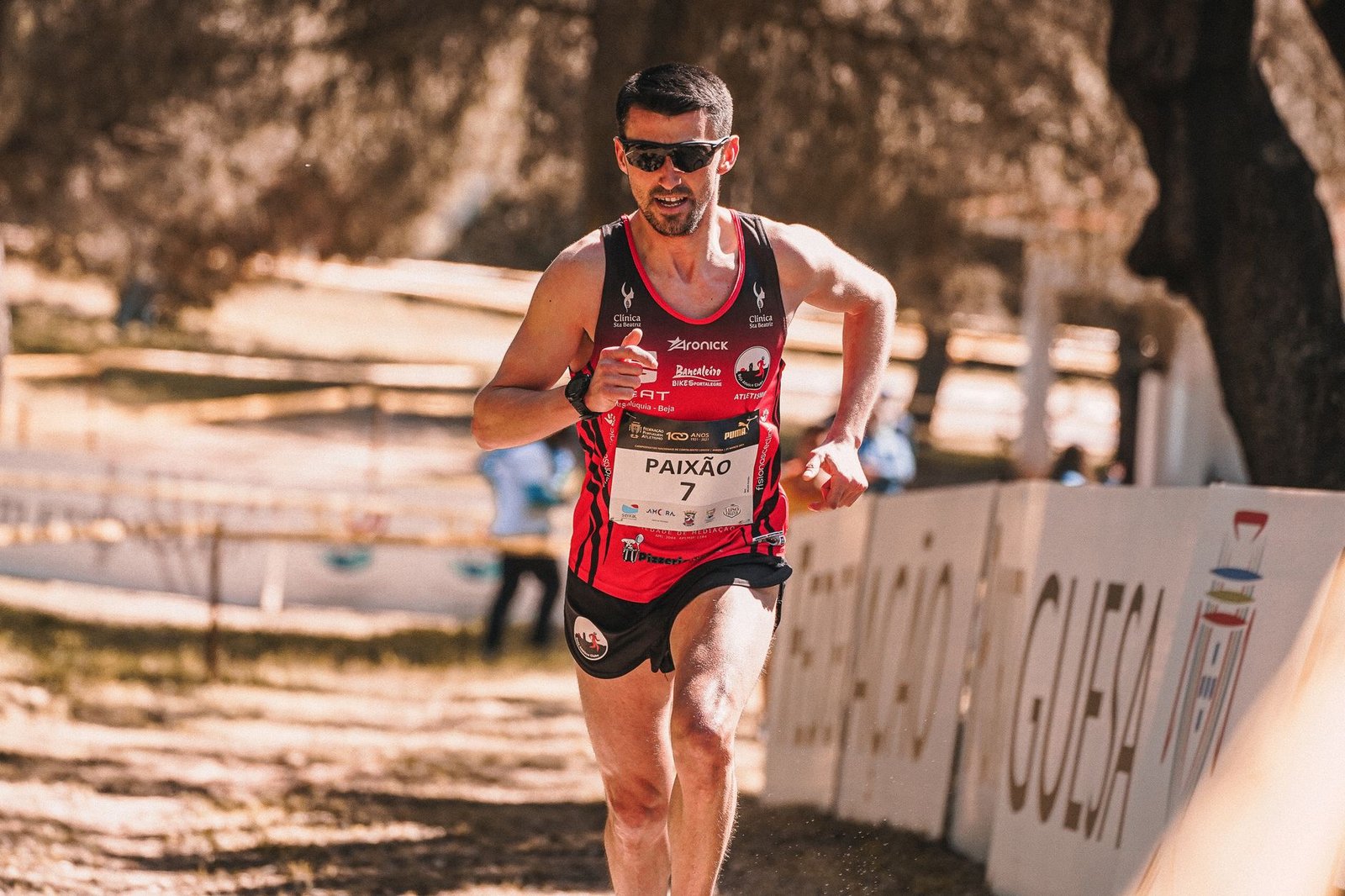
Try the gear inside-out. Look for raised stitching, rough edging, and tags that sit where you bend. Then move through your race posture. If a seam shifts under motion, it will shift during the race too.
Comfort is engineered before the gun, not improvised after the first burn.
Secure Fit Beats Loose Bunching
Chafing thrives on movement. Loose items shift, rotate, and bunch, then release and repeat that cycle for hours. The solution is not tightness everywhere. The solution is secure where you need it and free where you must move.
For tops, leggings, and liners, test the waistband and hem. If you can pinch and see fabric movement when you jog in place, you will feel it later. For shorts and tights, ensure legs stay down without creating ridges that press into skin.
Some competitors prefer a looser fit “for airflow.” Airflow is not the goal. Staying in the same place relative to your skin is the goal.
Map Every Friction Zone To A Specific Fix
Do not protect “your whole body” with one blanket strategy. Dial in a plan per zone. Inner thighs need one approach. Underarms need another. Socks and shoes need their own rules. When you match the fix to the friction type, you stop spreading your effort thin.
Use a simple zone checklist before race day. Then pick the right tools: anti-chafe barrier for contact points, compression or longer liners for skin-on-skin, nipple tape for direct irritation, and lubricants or barriers for stubborn edges that survive every wash.
This is where you win. Why rely on a single product when friction is different in every location?
Anti-Chafe Barriers Need Timing, Coverage, And Reapplication
Barrier products work best when you apply them before friction starts, not after your skin already complains. Apply a thin, even layer to dry skin in your hot spots. Too thick can feel tacky and attract lint. Too thin leaves gaps where rubbing ignites.
For practical guidance, see runner chafing prevention tips and then adapt to your conditions.
| Race Condition | Barrier Application Goal | Reapply Timing |
|---|---|---|
| Cool and dry | Thin even coat | Once pre-start |
| Warm and humid | Seal hot spots firmly | Every 2 to 3 hours |
| Long distance over 10 km | Rebuild worn edges | Midpoint check |
| Rain or wet roads | Max contact protection | Every 90 to 120 minutes |
| Known repeat irritants | Extra coverage at borders | At 1 hour and again at 2 hours |
Bring the small tube or stick you actually use. If you only rely on one application, you are betting on perfect conditions. Race day does not give refunds.
Compression And Liners Control Skin-on-Skin Contact
Skin-on-skin friction is one of the most predictable causes of irritation. Compression shorts, compression tights, and longer liners reduce direct contact and stabilize the skin surfaces so they slide less against each other.
Choose lengths that do not ride up. If a liner crawls over the course, it creates a new rub line. That is why “works in a 20-minute test” does not guarantee “works for 2 hours.” Your testing must include movement and time.

Some runners insist that bandages alone are enough. Bandages can work, but they fight friction after it starts. Compression prevents the contact that creates the burn.
Cover Common Hotspots With Targeted Protection
You know the usual suspects: inner thighs, armpits, chest, waistbands, and sometimes the area where straps cross. Treat them like a configuration problem, not a mystery.
For “runner’s nipple” and similar direct irritation, use nipple tape or bandages that stay put with sweat. For chest and strap areas, consider overlays or shirts with fewer shifting points. Make sure the protective coverage does not create a new ridge that rubs when you breathe and stride.
Ask yourself: if the location already hurt you once, why would it suddenly behave on race day without changes?
Socks And Shoes Must Stop Foot Sliding
Socks are clothing fit. Poor sock sizing, wrinkling, and bunching create friction against your skin and inside your shoe. The result is blister risk where the material repeatedly creases.
Wear the right sock size and test the sock under pressure. During a jog-in-place check, look for slipping at the heel and bunching at the toe. If your foot slides even slightly, your sock will rotate, and rotation is how hot spots start.
Then confirm shoe fit with race pressure, not casual walking. Tight near the toes, roomy at the heel, or laced in a way that shifts with impact can all trigger sock friction.
Stop Bib And Strap Bounce Before It Creates New Rub Lines
Many runners focus on the obvious contact points and ignore the gear that moves. Bib belts, vest straps, watch bands, and shoulder straps can rub skin and rotate fabric. That motion adds friction in locations that did not even exist in your old setup.
Test your race-day accessories like they are part of the outfit, because they are. Put the vest on, adjust straps, run in place, and then jog for a short time. If you can feel bouncing, you can feel rubbing later.
Snug does not mean crushing. It means the gear stays aligned so it does not drag across skin for thousands of steps.
Do A Pre-Run Fit Scan That Accounts For Real Conditions
Before you start, do not just wear the outfit. Scan it. Check for lint, tags, and seam edges. Verify that anti-chafe barriers are in place on dry skin and that your compression or liners sit flat where they should.
Then adjust for conditions. Warmer weather means more sweat, which can loosen fabric grip. Rain means wet surfaces change friction and wash away barriers. Distance means more time for micro-rubbing to turn into real irritation.
Some athletes treat race day as if it will behave like training day. The fix is a five-minute scan and a willingness to adjust.
Use Quick Fixes Mid-Race So Small Problems Stay Small
Chafing usually announces itself early. A hot spot that begins as mild sting can become a full problem if you ignore it. Carry a plan for quick corrections: lubricant reapplication, strap repositioning, and minor adjustments to your stride while you reset.

At the first sign of irritation, stop briefly if you can. Reapply to the exact zone, not a wide smear. Adjust bouncy straps so the contact point returns to where your barrier and fabric protection already match.
And if you feel the rub getting worse, slow your pace for a few minutes. That is not surrender. It is friction management.
Wash, Dry, And Learn So Next Time You Start Ahead
After the race, wash promptly with lukewarm water and gently clean the areas that rubbed. Pat dry. If you leave salt residue on skin and fabric, irritation can linger and inflame even after the run ends.
Then review what happened. Did a seam bother you only after an hour? Did a strap shift with sweat? Did your sock crease? This is your next hot spot list, and it is how you dial in your race-day clothing fit to prevent chafing and irritation in the future.
Chafing is not fate. It is feedback.
How To Dial In Your Race-Day Clothing Fit To Prevent Chafing And Irritation
How Can You Identify Hot Spots To Dial In Your Race-Day Clothing Fit?
Note where you have chafed before, such as inner thighs, underarms, nipples, or the waistband area, then do a short pre-run scan in the same outfit and race-day socks. Move, jog, and stretch your arms and legs to spot rubbing points from seams, straps, or fabric bunching. If weather or distance changed, check again because sweat, heat, and longer effort can shift hot spots.
Which Fabrics Help With Chafing Prevention During Race-Day Clothing Fit?
Choose moisture-wicking technical fabrics that stay dry on the surface and reduce friction while you sweat. Avoid cotton because it holds moisture, increases weight, and makes rubbing worse. If you use compression, pick pieces that feel smooth against skin and do not twist during warm-up.
How Do You Make Race-Day Clothing Fit Secure Without Causing Irritation?
Make each layer feel secure at rest and during movement, without tight pressure that pinches or restricts breathing. Loose spots that slide or shift can create repeated friction, even if the garment is comfortable at the start. Check that waistbands, leg openings, and sleeves stay in place when you take longer strides and when you sweat.
What Should You Check On Seams And Tags To Prevent Chafing?
Inspect gear inside-out for raised stitching, rough edges, and bulky seam joins, especially around the groin, shoulders, and under the straps. Prefer flatlock seams and tagless designs, or remove tags that sit directly on skin. If a seam crosses a known hot spot, adjust the garment position or switch to a different cut before race day.
How Should You Apply Anti-Chafe Protection For Race-Day Clothing Fit?
Use a thin, even anti-chafe barrier on friction zones before you start, then reapply for long efforts or humid, rainy conditions. For skin-on-skin rubbing, add a smooth layer such as compression shorts or a longer liner that does not ride up. For common sensitive areas like nipples, use appropriate tape or bandages, and cover spots like inner thighs and underarms where sweat builds.
How Do Accessories, Socks, And Shoes Affect Race-Day Clothing Fit And Irritation?
Test race accessories like a vest, bib belt, and watch straps so they sit snug and do not bounce with each stride, and check pockets and straps for edges that touch skin. Wear the exact sock model you plan to race in and make sure the fit is smooth, with no wrinkles or sliding that can cause hotspots. During the race, pause briefly to reapply protection or reposition a shifting strap, then shower with lukewarm water afterward and gently pat dry to reduce lingering residue.
Dial It In Now and Ride Comfortably
For runners, how to dial in your race-day clothing fit to prevent chafing and irritation is simple: treat fit like performance, test it before race day, eliminate friction points with the right materials and seam choices, and protect hot spots with a thin, even anti-chafe barrier plus smart layering that stays put. When you take that prep seriously, your gear stops fighting your skin, and every mile feels smoother because the details are already handled.

I am Ozan, a London-focused running writer and marathon enthusiast with a passion for helping people discover the city’s best races, running routes, walking trails, and fitness events. I research and write practical, up-to-date guides covering marathons, race preparation, training tips, running gear, and everything related to staying active in London.
My goal is to create reliable, easy-to-follow content that helps runners and walkers of all experience levels explore London with confidence, whether they’re preparing for their first 5K or their next marathon.