
Time-zone sleep planning wins, and last-minute adjustments lose. This article answers how to tune your sleep schedule for travel across time zones for london races, with a simple point of view: your body needs cues before you land, not frantic fixes on race week.
Start moving your bedtime about three days before you fly, roughly an hour earlier for eastward travel or later for westward travel, then keep tightening the shift with about one more hour on the next nights. If you want your system to adapt instead of fight you, keep changes small, around 30 minutes per day, because bigger jumps just extend jet lag and wreck your training rhythm.
Once you arrive, follow the local day fast, using light as your steering wheel. Get strong late-morning or early-afternoon light when traveling east, dim lights before bed, and use sunglasses when you need to avoid unwanted morning brightness. Lock in basics like a cool, dark room and a consistent wake time, keep caffeine away from mid-afternoon, and plan a short morning routine like outdoor movement or a warm shower after you wake so your schedule sticks when it matters most.
Start Adjusting Before You Touch the Tarmac
If you want how to tune your sleep schedule for travel across time zones for london races to work, you start before you board. You do not “fix jet lag” on arrival day. You pre-load your circadian system so London is a continuation, not a shock.
Most race-day sleep failures come from treating sleep like recovery only, not preparation. Your job is to make local bedtime and wake time feel familiar before it is demanded of you.
- Begin shifting bedtime about three days before you fly.
- Target at least 7 hours in the days you adjust.
- Keep bed and wake times consistent even when travel is messy.
Ask yourself this: how can your body clock be ready if it only meets the new schedule after the start gun?
Shift Bedtime With Time Zone Math, Not Hope
The common plan is simple for eastward travel to London: move bedtime about one hour earlier on the first night, add another hour on the second night, and a third hour on the third night. Your body typically adjusts about one day per time zone, so planning ahead is not a luxury. It is the whole strategy.
But there is a catch. Most guidance recommends limiting shifts to around 30 minutes per day. If you jump too aggressively, you trade one problem for another: insomnia and fragmented sleep.
So use a rule that respects both facts. If the needed shift is large, step toward the target in small daily increments, then let the final adjustment happen after you have stable nights. Your goal is direction, not suffering.
Light Is the Master Clock, So Control It Like Training
Sleep timing is not magic. It is physiology driven by light. If you want your body to treat London time as daytime, you give it light cues that match London.
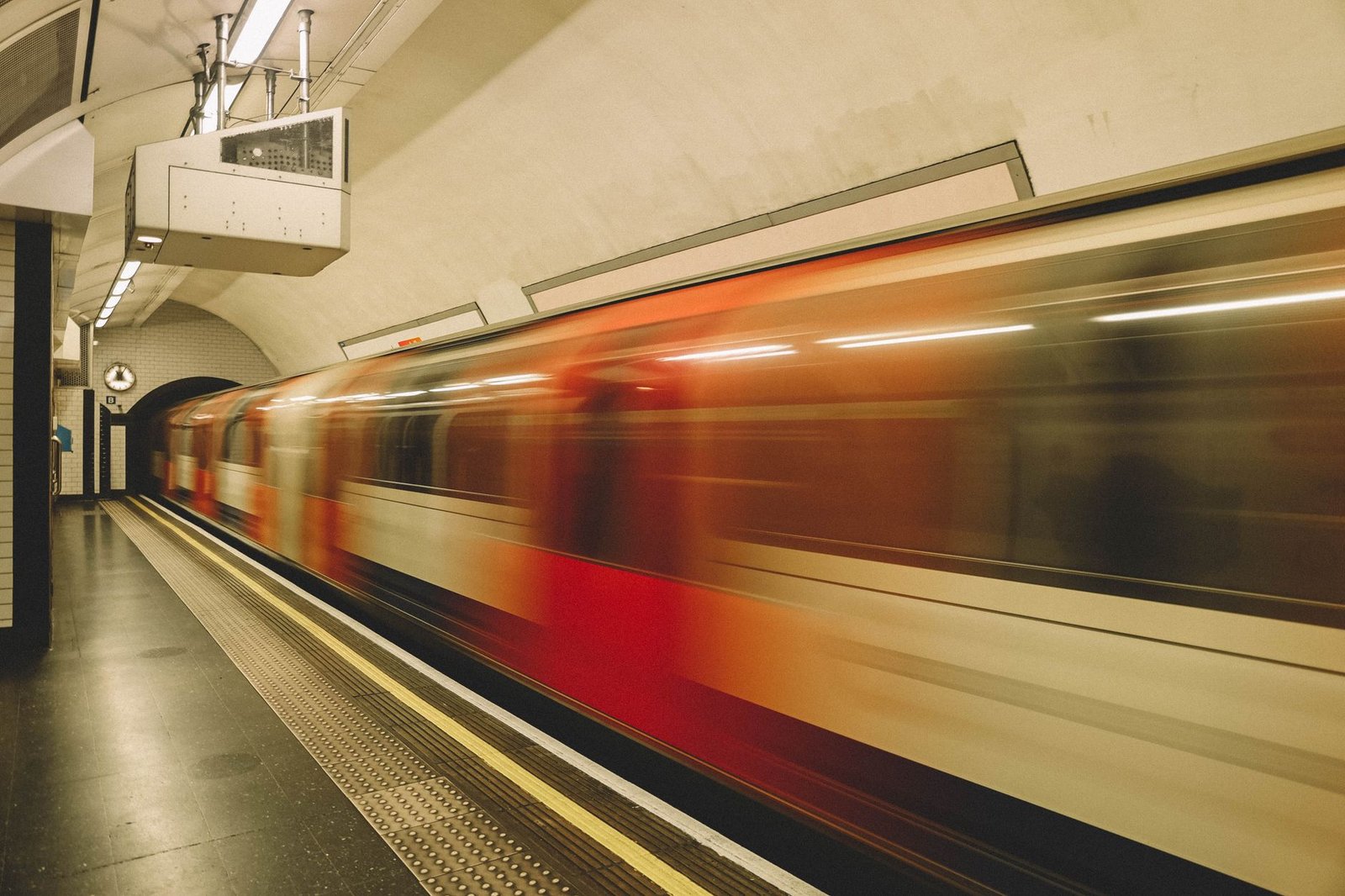
Eastward travel favors late-morning and early-afternoon light exposure. Westward travel favors early-evening light. Dim lights before bed and use sunglasses to reduce unwanted morning light when you need your clock to stay put.
When you control light, you reduce the guesswork that jet lag forces on your race preparation.
If you skip light management, you are asking your circadian rhythm to guess the schedule. Why would you do that when you can guide it in hours?
On the Plane, Follow a Script That Matches Your Landing Time
Your plane strategy should depend on when you land, not on how tired you feel at takeoff. Cabin conditions are poor for sleep, so you need a plan that protects the one window that matters most: your first meaningful sleep opportunity in the destination.
If you arrive in London while locals are awake in the middle of the day, try to sleep as much as possible on the plane and then follow the destination’s wake times. If you land at night, stay awake as much as you can on the plane and then sleep at your destination.
This is the difference between “resting” and resetting. Rest without a reset schedule delays adaptation and steals quality from the days you actually train.
Land in Daylight and Treat Wake Time as Sacred
Landing in the day is an advantage only if you respect it. If you arrive when the city is awake, your job is to stay on local time quickly. That means getting outside for light and moving your body during local daytime, even if you feel off.
What should you do when the urge to nap arrives fast? You decide. If you can stay awake and function, you anchor your rhythm to London clock time. If you nap too late, you drag bedtime later and set yourself up for an ugly night.
Think of the first local afternoon as a circadian receipt. Once you buy it with real wake time, you reduce the bill your sleep pays later.
Land at Night and Build a First-Night Shield
Night arrivals can flip your fatigue into a trap. You do not want to “sleep anywhere.” You want to sleep at the time your body needs, then hold that line long enough for circadian alignment to stick.
If you want practical guidance that many athletes use, travel sleep tips can help you think through room darkening and the first night decisions that shape the next morning.
Use this quick grid to match your arrival to your sleep target:

| Arrival Time in London | First Priority | Sleep Timing Target |
|---|---|---|
| 9 to 10 p.m. | Get to bed on time | Within 1 hour |
| Midnight to 1 a.m. | Prevent late wake | Wake within 7 to 8 hours |
| 1 to 2 a.m. | Protect a full core block | At least 6 hours |
| 2 to 3 a.m. | Stop the drift | Wake by local morning |
| After 3 a.m. | Limit sleep inertia | Short morning sleep if needed |
The counterargument is predictable: “I will just sleep when I can.” That sounds humane, but it usually turns the first night into a mismatch, then forces you to correct your schedule while you are also training.
Build the shield on night one. Then you earn the next week.
Hotel Sleep Hygiene Is Not Optional for Performance
Good sleep is not a mood. It is an environment you create. Keep the room quiet and cool, around 18°C if possible, and use blackout curtains or a strong sleep mask to block early light.
Consistency matters more during travel than it does at home. Aim for regular bed and wake times, even if your exact bedtime shifts by an hour. Your brain learns patterns. It does not reward chaos.
Most athletes accept training structure. They should accept sleep structure just as firmly.
Naps After Mid Afternoon Usually Cost You More Than They Give
Naps feel helpful when fatigue hits, but timing decides whether they rescue you or sabotage you. Avoid late naps after mid-afternoon because they interfere with the night sleep you are trying to consolidate.
If you absolutely need a nap, make it short and earlier, then get light and movement afterward. A long or late nap can push bedtime later and force you to re-run the adjustment process.
Are you chasing “sleep total,” or are you chasing the schedule your race depends on? Choose the schedule.
Caffeine and Alcohol Decisions Protect Training Quality
Caffeine has a clock. If you cut caffeine from mid-afternoon, you reduce the risk of a delayed sleep onset and the next-morning hangover that ruins workouts.
Alcohol is the quiet saboteur. It may help you fall asleep, but it fragments sleep architecture and increases early awakenings, which means you wake up before you are rested and reach for more stimulants later.
During travel, you need calm physiology, not quick relief. Your race pace will reveal the difference.
Use Zeitgebers With Purpose, Not Random Effort
Light is the headline, but zeitgebers are the supporting cast that makes the headline stick. Exercise, especially a morning run soon after arrival, signals daytime. A morning routine with a warm shower and outdoor movement reinforces the new schedule.
You do not need heroic workouts. You need reliable cues at the right time. When your first post-arrival wake period includes outdoor light and movement, your circadian rhythm gets fewer reasons to resist.
Ask yourself a simple question each morning: does today’s schedule give my body enough evidence to trust London time?
Expect the Adjustment Curve, Because Bodies Take Time
Do not confuse “starting early” with “instant results.” Your body typically adjusts about one day per time zone, and sleep schedule changes can take up to four weeks on long-haul journeys, especially when travel disrupts routines.
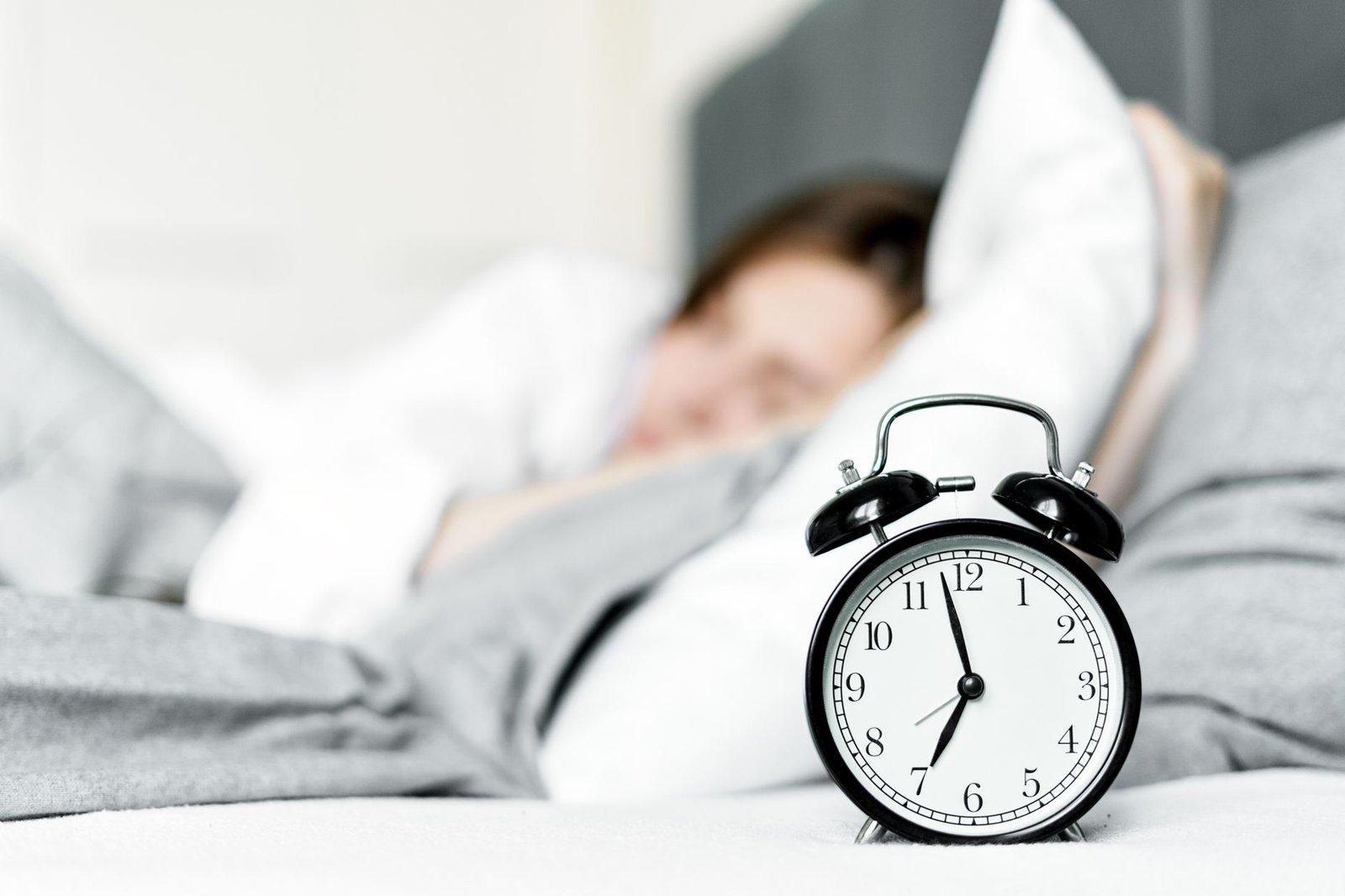
This is why well-timed planning matters. Start adjusting your target wake-up time well in advance of race day. If you wait until the trip begins, you gamble against biology.
The counterargument is impatience: “I will just sleep more on race week.” Sleep more is not the same as shifting more. The rhythm must move at the right pace, in the right direction.
Race Week Needs a Back-Up Plan, Not a Wish
Even when you execute well, travel can throw curveballs. Your back-up plan keeps you from panic when a hotel room is too bright, a flight runs late, or a stomach does not cooperate.
Plan for controlled exposure to light on race week mornings, keep bedtime consistent as much as possible, and protect the hours that matter most for recovery. If you must nap, keep it early and short so you do not steal from nighttime sleep.
Win or lose, your performance depends on how well you manage your sleep schedule for London time. The smart athlete treats sleep timing as race strategy, not a side quest.
How Can You Tune Your Sleep Schedule for Travel Across Time Zones for London Races?
How Should You Shift Your Bedtime Before Traveling to London for a Race?
Start adjusting about three days before you fly by moving your bedtime roughly one hour earlier for eastward travel or one hour later for westward travel, then repeat a similar shift each night so your body eases into the London time pattern.
What In-Flight Timing Helps You Reset Your Sleep After Crossing Time Zones?
Try to sleep according to the destination schedule as soon as you can: if you land while locals are awake, sleep on the plane and stay awake after arrival; if you land at night, stay awake on the plane and sleep once you reach London.
How Do Light Exposure and Sunglasses Affect Jet Lag During Travel to London?
Use light to steer your clock by choosing brighter light at the right local times, dimming lights before sleep, and using sunglasses in the morning when you need to reduce unwanted early light.
Which Daily Routine and Exercise Work as Zeitgebers After You Arrive?
After you land, reinforce the new schedule with consistent morning activity such as a short walk or light run and a steady routine like a warm shower followed by outdoor time soon after sunrise.
What Sleep Hygiene Tips Should You Follow in Your Hotel Before Race Day?
Keep the room dark and cool, aim for a consistent bed and wake time, target about seven hours of sleep, avoid late naps after mid-afternoon, and stop caffeine after mid-afternoon so it does not disrupt your first full night.
How Long Does It Take to Adjust Your Sleep Schedule for London Races?
Time zone changes often take several days to feel normal, and full adjustment can take weeks on long-haul trips, so begin shifting your wake time early and keep your race-day routine as consistent as possible.
Start Adjusting Now For Better London Race Sleep
If you want performance in London races, follow a real plan for how to tune your sleep schedule for travel across time zones for london races, starting days before the flight and shifting bedtime gradually while you protect sleep time on the plane. Once you land, match the local clock with light, keep your routine steady, and treat naps like emergencies, not defaults. You either control the timing, or jet lag controls it for you.

I am Ozan, a London-focused running writer and marathon enthusiast with a passion for helping people discover the city’s best races, running routes, walking trails, and fitness events. I research and write practical, up-to-date guides covering marathons, race preparation, training tips, running gear, and everything related to staying active in London.
My goal is to create reliable, easy-to-follow content that helps runners and walkers of all experience levels explore London with confidence, whether they’re preparing for their first 5K or their next marathon.