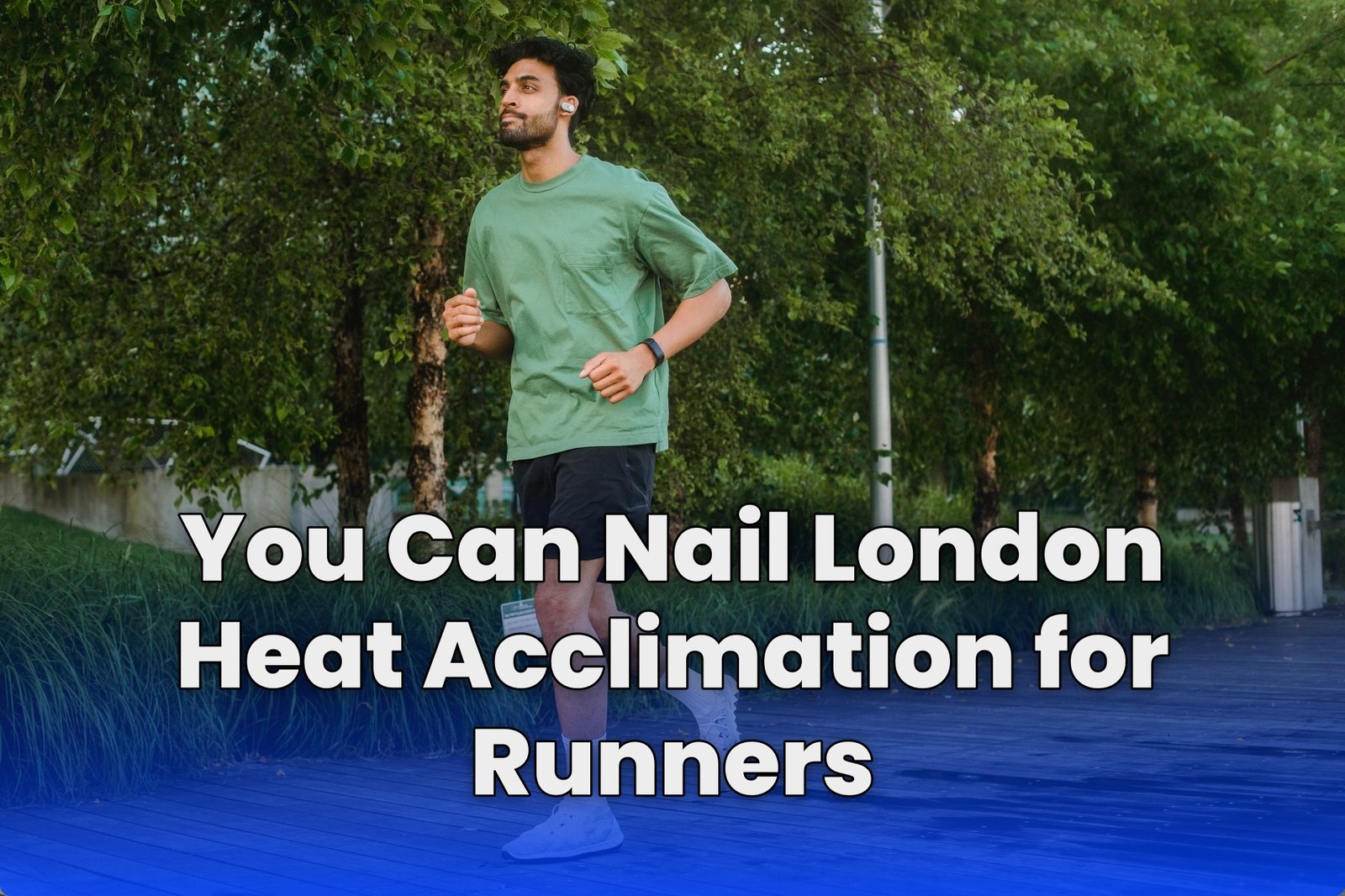
Heat acclimation is not magic, it is repetition with guardrails. If you show up in London expecting your fitness to “carry” you through sudden summer heat, you will pay for it with a hotter core, heavier breathing, and slower paces that feel unfair. The habit-based approach is simpler: start easier than you think, then build heat exposure on purpose so your body learns what to do.
For reliable London heat acclimation for runners, aim for about 10 to 14 days of gradual practice. Try roughly five consecutive hot sessions, take a weekend off, then do another five. Keep most runs at easy to moderate effort around 30 minutes at first, and extend toward 60 to 90 minutes as it feels controlled. Keep hard speed work in cooler windows, because you want adaptation, not injury-level stress.
Hydration and cooling are the part people skip, and that is why they struggle. Start well-hydrated, sip little and often, and consider electrolytes if you sweat salty. Use sweat-rate checking by weighing before and after a one-hour run, then replace only what matters so you limit body-mass loss to about 2 percent on long, very hot days. When conditions turn harsh, adjust: run in the coolest hours, use pre-cooling like cold drinks or cold towels on pulse points, and keep an eye on the heat index.
London Heat Acclimation Is Training, Not Luck
London summer does not care about your training plan. If you wait for perfect conditions, your first truly hot week will feel like a penalty. Heat acclimation for runners is not a gimmick. It is a predictable adaptation you can earn with simple, repeatable habits.
The runners who do best in July and August treat heat like a workout variable, the same way they treat mileage or strength sessions. They do not romanticize it, they manage it.
Adapting to heat is easier when you plan the stress before you feel it.
The keyword is simple habits, not complex rituals. “London Heat Acclimation For Runners: Simple Habits That Work” is a promise you can keep if you show up in the heat with the right intensity, right pacing, and smart hydration.
The First Mistake Is Starting Too Late
If you want to feel comfortable when the Heat Index climbs, you need exposure before race week pressure. The common timeline is straightforward: about 10 to 14 days of repeated heat sessions. That means you start when conditions are already warm, not when the forecast becomes alarming.
A popular pattern is around five consecutive hot days, then a weekend off, then another five days. The logic is practical. You get enough stimulus to drive adaptation, then you recover before you stack more.
Counterpoint: Some runners say they will “figure it out” once the temperature spikes. But what are you really hoping for, faster adaptation on tired legs? Start early and you control the quality of the exposure instead of gambling on it.
Lower Intensity So Your Body Learns Faster
Heat acclimation is not about suffering at the limit. The goal is to raise core temperature in a manageable way, so your body updates its heat-control systems without tipping into exhaustion.
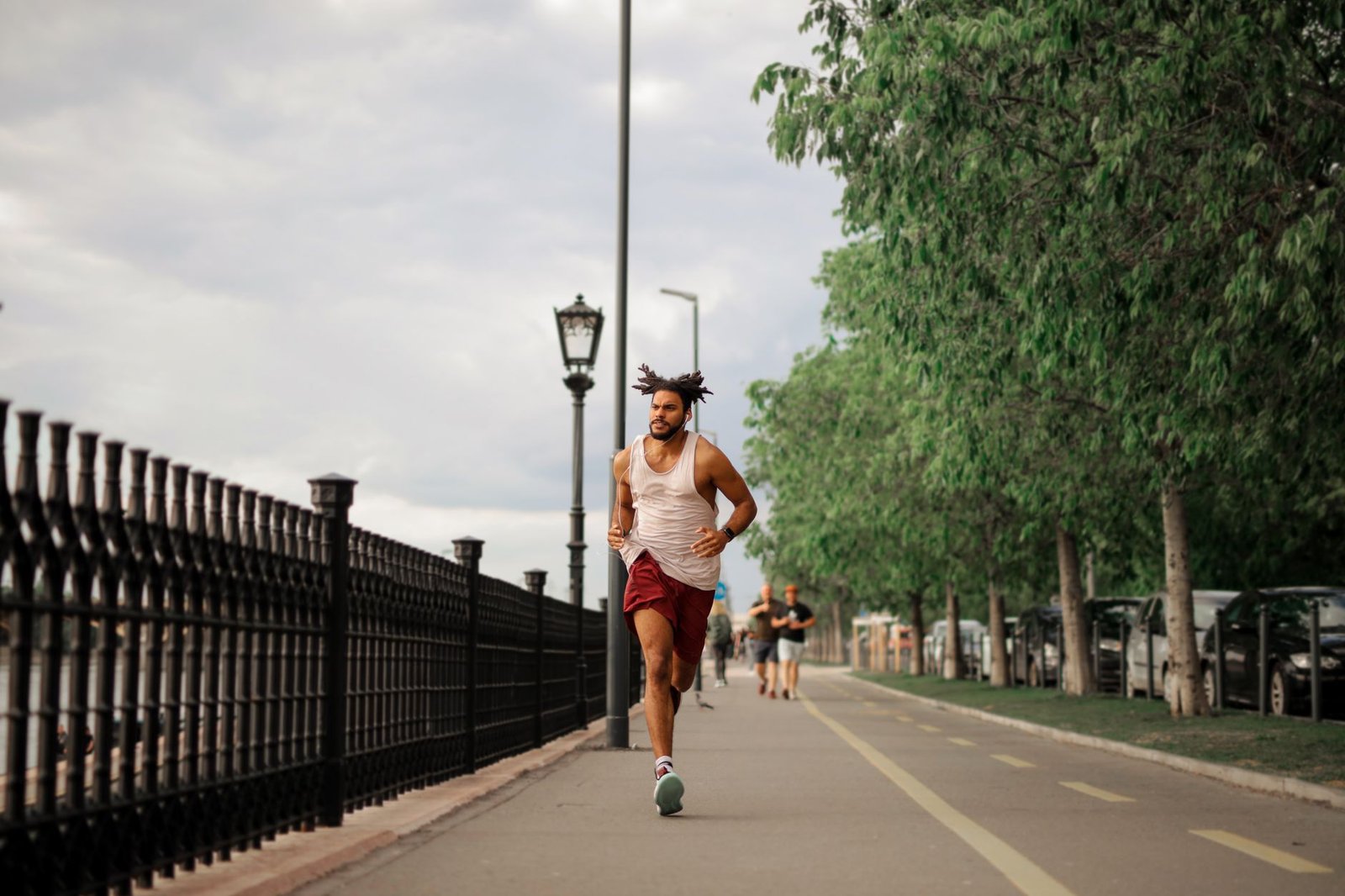
During the first exposures, lower workout intensity. Pace by feel and accept that early splits will be slower. That slower pace is not failure. It is the mechanism that lets you repeat the stimulus across multiple days.
Aim for sessions that comfortably raise core temperature at easy to moderate effort, often around 30 minutes. If you build well, you can extend toward 60 to 90 minutes for longer easy work, still keeping stress sensible.
Do Five Hot Days Then Back Off
The “five on, weekend off, five on” structure is a clean way to balance stimulus and recovery. On the hot days, you get repeated exposure. On the break, you absorb the adaptation rather than turning every session into damage.
Think of it like heat version of progressive overload. You are not trying to set a personal best. You are trying to teach your physiology: sweat more efficiently, improve blood flow distribution, and tolerate higher skin temperatures.
Objection: What if you cannot schedule exact consecutive days? Then you keep the spirit of the plan. You still do repeated heat work with an easy gap. Adaptation responds to exposure patterns, not calendar perfection.
Easy Sessions Win More Than Hero Workouts
Most runners ruin heat acclimation with the same habit they ruin everything with: chasing effort. Hard intervals in the heat feel productive, but they also increase dehydration risk and stress hormone load, making it harder to recover for the next day.
Instead, keep the “meat” of the plan simple: easy to moderate running most days, short enough to stay controlled, long enough to create a real thermal challenge. You should finish sessions able to repeat them tomorrow, not dreading the next one.
And yes, your body may feel warmer than usual quickly. That is the point. The better response is how you manage it, not how fast you can outrun it.
Hydration Must Be Measured, Not Imagined
In heat, hydration is where good plans go to die if you guess. Starting well-hydrated matters, but the most useful habit is sweat rate tracking: weigh before and after a one-hour run and account for what you consumed.
Replace part of what you lose. You do not need to chase every gram. Aim to limit body-mass loss to about 2% on long, very hot efforts. That number is a practical ceiling that keeps performance from collapsing and reduces heat strain.
| Habit | Target Data | How To Use It |
|---|---|---|
| Start Hydrated | Clear urine | Begin sessions ready |
| Small Sips Often | Frequent intake | Prevent early thirst |
| Electrolytes | Sweaty sweaters | Prioritize sodium |
| Sweat Rate | Weigh start and end | Set your fluid target |
| Max Mass Loss | About 2% | Adjust drink volume |
When you do this, you turn “I feel off” into “I know why.” That control is the foundation of london heat acclimation for runners: simple habits that work.
Pre-Cooling And Cooling Delay Overheating
Heat strain hits when your cooling system cannot keep up. Pre-cooling and on-route cooling buy time by reducing starting heat load and lowering skin temperature during the run.
Try a small pre-cooling step such as an ice slushie or cold towels on pulse points like the neck and wrists. During runs, use cold drinks before or during, pour water over head or neck, and stay in shade when you can.
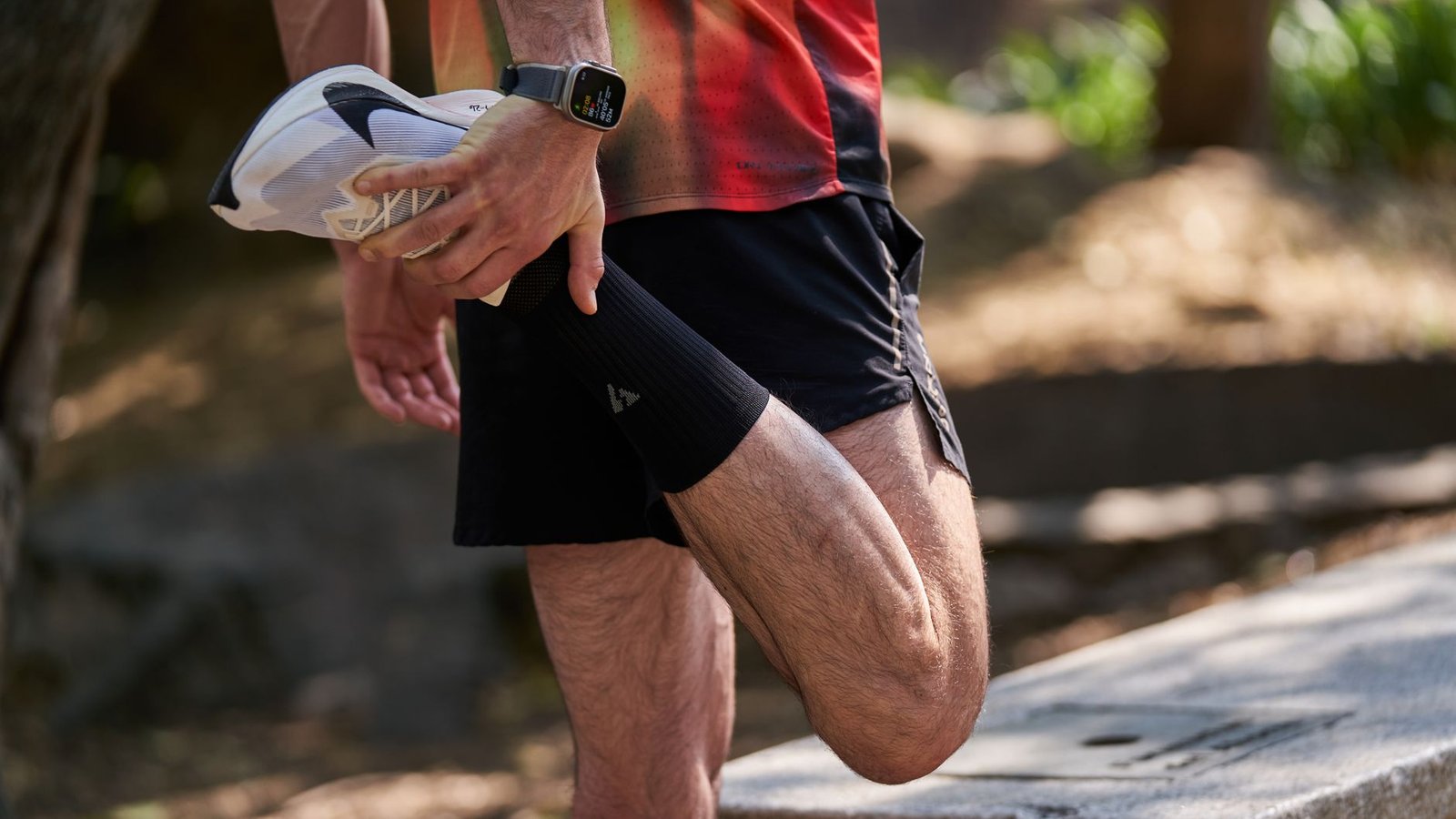
Are you waiting for the perfect moment to cool down? Do it before you feel cooked. The advantage is that you delay the point where cooling becomes insufficient.
Speed Work Goes Elsewhere When the Heat Turns Red
One reason people fail at acclimation is stubbornness. They keep the hardest sessions in the hottest conditions, then blame the heat for a pacing collapse that was self-inflicted.
Keep harder speed work in cooler temperatures. If you cannot, substitute with controlled efforts that still train rhythm without spiking thermal stress. Save “fast” for days you can finish without chasing rehydration afterward.
For practical guidance on risk management and pacing, heat training advice aligns with the same principle: intensity belongs under control when the body is learning.
PACE By Feel Protects Your Adaptation
Splits lie in heat. Heart rate rises, breathing deepens, and the body consumes effort differently when skin temperature climbs. If you cling to your usual pace targets, you end up doing high-intensity work by accident.
Pace by feel and accept that early acclimation days look slower. That is not a setback. Slower runs let you complete the session with the thermal stimulus you need, while keeping stress low enough to repeat.
Yes, you can be fast later. First you earn the ability to stay efficient when conditions are uncomfortable.
Sauna And Hot Baths Can Stack The Right Stimulus
If you cannot train in the heat, you can still create heat exposure with passive methods. A sauna or hot bath soon after easier runs can “stack” acclimation, especially when schedules collide with weather.
Use this as a tool, not a substitute for smart pacing. The point is controlled heat exposure, not chasing collapse. Keep hard workouts in comfortable conditions and treat passive heat as an addition that helps you reach the exposure target over the 10 to 14 day window.
The runners who overdo this turn acclimation into a recovery problem. Keep it measured, then go back to easy-to-moderate sessions in warm weather when you can.
Watch The Heat Index And Adjust On The Spot
Heat acclimation is not permission to ignore warnings. The Heat Index reflects how dangerous conditions feel with humidity. When it is in the red zone, you change your plan, you do not “push through.”
Run in the coolest hours or indoors with climate control. That does not cancel adaptation. It prevents the kind of overheating that derails the training block.
Think of it as a switch, not a vibe. If conditions cross your safety threshold, you trade speed and distance for a controlled exposure and a finish you can repeat.
Air Conditioning Is Not A Reset Button
Some runners think air conditioning wipes out the problem and restores “normal” physiology instantly. It does not. The point of acclimation is repeated thermal exposure plus smart recovery. If you remove all heat stimulus every day, you weaken the adaptation signal.
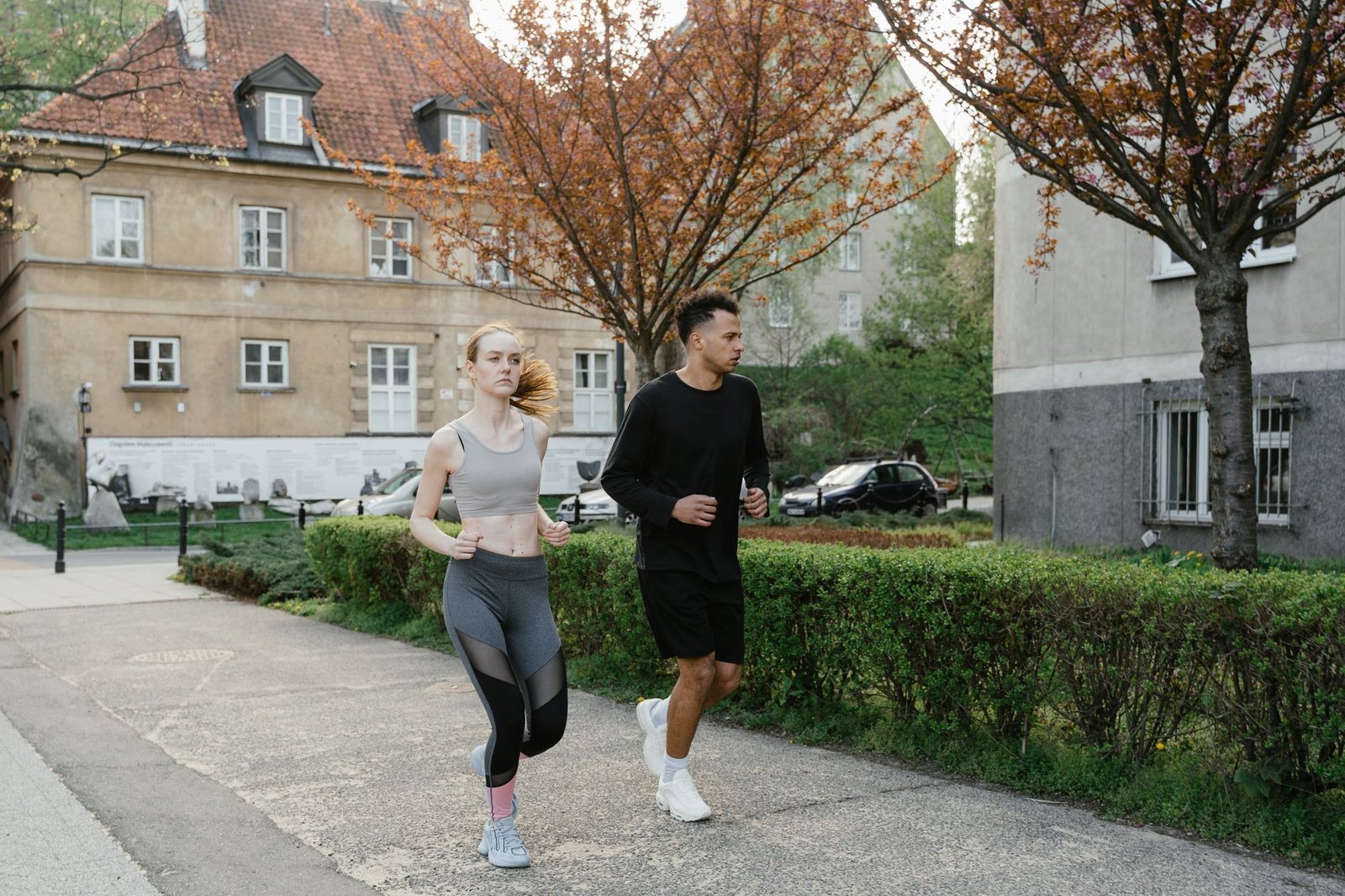
Still, you do not need to bake yourself. Keep a tolerable environment, add a light layer that you can shed if you warm up, and include some passive warmth or exposure in shade when possible.
The most disciplined approach balances learning with recovery. Adaptation stays, heat strain risk stays lower, and your training block keeps moving.
Your Simple London Plan For The Next 14 Days
Heat acclimation for runners is not mysterious. You start early, you lower intensity, you repeat heat exposure for about 10 to 14 days, and you manage hydration with sweat-rate logic. Then you protect recovery by keeping hardest work out of the hottest conditions.
Your plan can be as plain as this: easy to moderate sessions around 30 minutes at first, repeated across about five hot days, a weekend off, then another five hot days. Add pre-cooling and cooling tools when needed. Use electrolytes if you sweat salty. Keep mass loss around 2% on long, very hot efforts.
If you do that consistently, you will stop wondering why July feels punishing. You will feel the difference because your body learned it, not because luck showed up.
London Heat Acclimation For Runners: Simple Habits That Work
How Do I Start London Heat Acclimation as a Runner Safely?
Begin conservatively by slowing your pace at first and aiming for easy to moderate effort so your body temperature rises comfortably. Keep hard sessions in cooler conditions for the first days, and build gradually over a short repeatable period.
How Long Should I Do London Heat Acclimation Before a Race?
Plan for about 10 to 14 days of repeated exposure, often structured as around five consecutive hot days with a break, then another five days. During that window, repeat similar easy sessions so your body adapts rather than trying to rush.
What Training Intensity and Session Length Work Best for Heat Acclimation?
Choose sessions at an easy to moderate effort for roughly 30 minutes at the start, then extend toward 60 to 90 minutes as you adapt. The goal is to tolerate heat without pushing speed work, especially during the acclimation build.
How Should I Hydrate and Use Electrolytes During London Heat Training?
Start well hydrated and sip little and often, especially on warm days. Consider electrolytes if you sweat salty, and manage fluid using sweat rate by weighing before and after a one-hour run and replacing what you lost with sports drink or water.
Can I Use Pre-Cooling and Cooling During Runs to Reduce Heat Stress?
Yes. Use pre-cooling like an ice slushie or cold towels on pulse points before you start, then cool during the run with cold drinks and pouring water over your head and neck. Seek shade when possible and use cooling breaks if you feel heat rising.
When Should I Skip Heat Training and Switch Indoors in London?
If the heat feels too intense or the Heat Index is in a dangerous zone, switch indoors with climate control and keep your workout easy. You can still maintain adaptation with safe exposure later in cooler hours, while avoiding over-stressing during harder training blocks.
Simple Habits For London Heat Acclimation That Work
London heat acclimation for runners: simple habits that work means you train smarter for the heat, not harder. Start conservatively, repeat moderate, heat-exposure sessions for about 10 to 14 days in blocks, and keep hydration and electrolytes tight by sipping little and often and watching your sweat losses. Add practical cooling like cold drinks on the route and pre-cooling on tougher days, because your goal is to build tolerance steadily without cooking yourself. Treat this as a repeatable routine and you will feel the difference on race day.

I am Ozan, a London-focused running writer and marathon enthusiast with a passion for helping people discover the city’s best races, running routes, walking trails, and fitness events. I research and write practical, up-to-date guides covering marathons, race preparation, training tips, running gear, and everything related to staying active in London.
My goal is to create reliable, easy-to-follow content that helps runners and walkers of all experience levels explore London with confidence, whether they’re preparing for their first 5K or their next marathon.