Race-week sleep strategy: what to do the night before is not about pulling off a miracle. It is about protecting the sleep you have already earned by keeping bedtime familiar, calm, and boring enough that your nervous system stops bargaining.
Plan a steady pre-bed routine you already trust: dim the room, switch off screens about an hour before, and make the space cool, dark, and quiet. If you are away from home, use simple comfort tools like an eye mask, earplugs, or white noise, and keep shower timing, reading, and any tea or snack exactly like you normally do.
Then manage the two common threats: late caffeine and bedtime anxiety. Avoid caffeine in the afternoon and, if your mind starts racing, do not fight it; downshift with slow breathing or short visualization of the start and the first tough sections, and if you still feel wound up, switch to a low-stimulation activity until sleep comes naturally.
One Messy Night Does Not Steal Your Fitness
Your race-week sleep strategy: what to do the night before starts with a hard truth. A single disrupted night rarely erases weeks of training, adaptation, and muscle glycogen readiness. What matters more is the pattern you built over the days leading up to race day and how calmly you protect recovery in the final 24 hours.
So stop acting like tonight is a referendum on your future. If you have slept reasonably well in the preceding days, one anxious night is usually a stress spike, not a performance verdict. Go after steadiness, not perfection.
Sleep is a trend line, not a switch. The goal is to keep your body in the same direction.
Yes, you will feel the difference if you get almost zero sleep. But fear magnifies the cost. The best strategy is to reduce chaos, keep your routine intact, and treat sleep like something you support, not something you wrestle to the bed.
Protect Your Routine, Not Your Fantasy
The most effective “night before” plan is boring by design. Keep your established bedtime ritual calm and consistent because your body trusts patterns more than plans. Change too much and you create novelty stress, which is the last thing you need when adrenaline is already high.
Stick to what worked for you before training peaks. That means the same pre-bed shower or bath, the same reading or tea, and the same approximate meal and snack timing. If you usually read for 15 minutes and then turn lights out, do that. If you do a warm shower after dinner, do it again.
“But race day is special, so I need a special sleep hack.” No. The night before is special because your nerves are loud. A familiar ritual quiets them.
Dim Electronics and Engineer Darkness
Begin the wind-down earlier than you think, about an hour before bed. Shut off electronics or, at minimum, reduce brightness dramatically and stop doom-scrolling your race results, gear checks, and worst-case scenarios. Your eyes and brain read that late light as an invitation to stay alert.
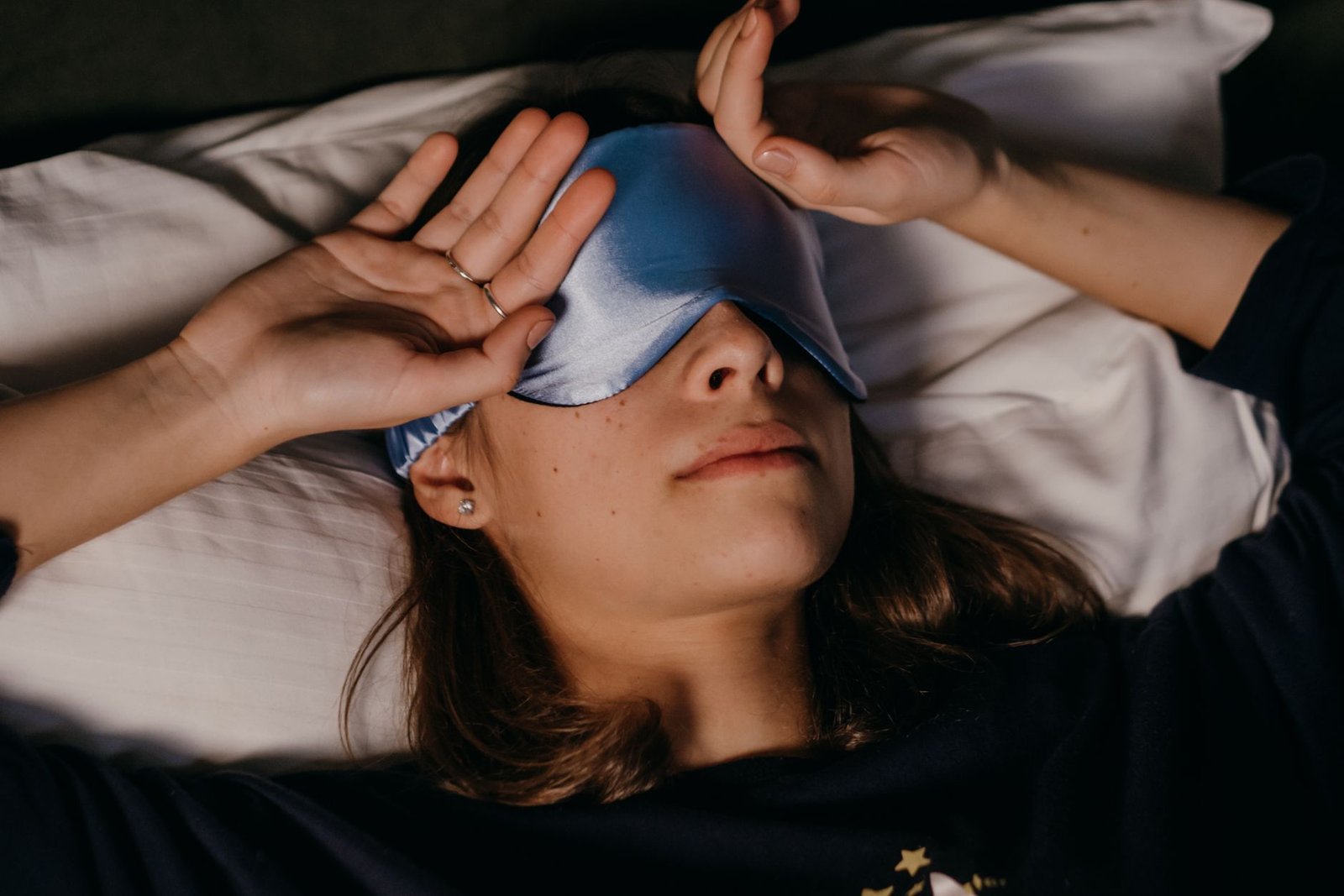
Create conditions that make drowsiness the default. Keep the room cool, dark, and quiet. If you are away from home, use tools you already tolerate, like an eye mask, earplugs, or white noise. Why gamble on unfamiliar hotel acoustics when you can control the input?
This is not about superstition. It is about aligning your environment with the same signals your nervous system expects when sleep is coming.
Caffeine Timing Rules and the Energy Trap
Race excitement makes people do two mistakes with caffeine. First, they take it too late. Second, they take more because they assume caffeine “fixes” stress. It does not. Late caffeine can keep you light-sleeping, cause early wake-ups, and make your bedtime feel like you are failing.
Avoid late or afternoon caffeine in the days before the race. If you are used to a mid-day dose, shift it earlier by small steps instead of jumping straight to zero the night before. The goal is to remove stimulants before your anxiety has a chance to magnify them.
And if you already drank caffeine too late, do not punish yourself tonight. Reset your plan: protect darkness, follow your ritual, and give your body the chance to downshift.
When Anxiety Hits at Bedtime Use a Plan
Bedtime anxiety is common, especially for athletes who care. The mistake is to treat that anxiety as proof that you cannot sleep. You can, but your brain needs permission to stop performing.
Instead of “fighting the feeling,” switch to a script that pulls you out of the spiral. Low-stimulation activity works well when you feel stuck. Consider reading something light, listening to calm music, or doing a quiet routine until you feel ready to sleep. This is the approach that sleep before races writers often recommend.
“But if I do something else, I will train myself not to sleep.” No. You are protecting your sleep association. You are telling your brain, calmly, that bedtime is for winding down, not for staring at the clock.
A Practical Checklist for the Night Before
Here is the real value of a race-week sleep strategy: it turns panic into execution. If you do only a few things, do the things that reduce stimulation and increase predictability. Your checklist should be short enough that you can follow it even when you feel keyed up.
Use this as a quick run-through after you finish dinner and before you start your final wind-down.
| Action | Timing | Expected Benefit |
|---|---|---|
| Dim screens | 60 minutes before bed | Less alertness |
| Cool, dark room | Bedtime through sleep | Faster downshift |
| Eye mask or earplugs | If traveling or noisy | Fewer awakenings |
| Pre-bed shower | As usual | Predictable wind-down |
| Low-stimulation reset | If awake and tense | Breaks clock fixation |
Remember the point: you are not trying to summon sleep on command. You are stacking the odds by reducing stimulation and keeping your routine consistent.
Visualization Beats Rumination at Start Time
Visualization is not a mystical technique. It is attention training. When you picture the start and the first mile in detail, you move from vague fear to specific readiness, which makes your nervous system feel more prepared.
Think through the likely problem sections you usually face. Will there be a fast first stretch? A hilly portion? Crowding at a turn? Imagine how you will handle it. The more concrete your plan, the less your brain has to invent disasters.
“If I visualize, I will get more nervous.” That can happen if you visualize only worst cases. Make it practical. Include your breathing rhythm, your pacing choices, and what you will do when fatigue shows up. You are rehearsing control, not suffering.

Breathwork Downshifts Your Nervous System
Breathwork works because it gives your body a signal to stop revving. Simple patterns like slow nasal breathing or box breathing can help you transition from sympathetic arousal toward calmer parasympathetic recovery.
Try this mindset: the goal is not deep sleep in 30 seconds. The goal is a measurable shift. If your breathing slows and your shoulders drop, your body is listening. Then you can return to your ritual and let sleep come naturally.
Why add one more task at bedtime? Because anxiety feeds on helplessness. A breathing routine gives you an anchor when thoughts start running.
Pre-Bed Shower and Snacks Keep the Body Predictable
Nutrition and comfort matter, not as performance magic, but as stability. Keep your usual pre-bed shower or bath. If you rely on a specific kind of meal timing, stick to it. Familiar routines reduce the stress your body assigns to uncertainty.
Be careful with late heavy meals. You want enough fuel for comfort, but not so much that digestion keeps you awake. A small snack can be appropriate if you know you tend to wake up hungry, but keep it simple and not experimental.
Predictability calms the system. When your stomach, temperature, and bedtime cues match your history, sleep is easier to initiate even under pressure.
If You Are Traveling Adjust Light and Wake First
Jet lag punishes last-minute fixes. If you cross time zones, adjust sleep and wake times and your light exposure ahead of time instead of trying to “catch up” the night before. Light is a powerful clock signal, and moving it strategically beats scrambling when race nerves are already high.
Plan your caffeine exposure and meal timing around the local race schedule. If you can, get outdoor light at the right times and minimize bright light late in your local evening. Your goal is a smoother circadian shift, not a perfect overnight correction.
“I will just sleep whenever I can on arrival.” That sounds compassionate, but it usually stretches your worst sleep window into the most important day. Make a schedule and follow it as closely as travel allows.
Don’t Chase Sleep by Taking Big Risks
Stronger sleep aids may sound tempting when you feel desperate, but many athletes regret the next day. Antihistamines can leave people groggy or dry, and stronger prescription options can create unpredictable sedation. If you already know you react badly to them, why use them now?
Melatonin is different, but it is still not a panic button. If you use it at all, do it in advance as part of your routine adjustment rather than as a last-ditch experiment the night before a race. The night before should be a calm rehearsal, not a chemical gamble.
And if someone insists that you “must” take something to guarantee sleep, ask a simple question. Do they understand your individual response, your sleep inertia risk, and how you will feel on race morning?
Start Sleep Training Days Ahead, Not Hours
If you wait until the night before to handle sleep, you are already late. Sleep training should start days to weeks earlier, especially if your job schedule, stress, or travel history tends to disrupt your normal rhythm. That is where you win the week, not in one frantic bedtime.
Consider gradual sleep banking or adjusting shift patterns if you need it. Even small changes, like moving bedtime 15 to 30 minutes earlier for several nights, can improve your ability to fall asleep when race stress rises.
Think of it like tapering. Sleep needs a taper too. You reduce the chaos before race day, so the final night can be steady and familiar.
Wake-Time Matters More Than Bedtime Drama
When bedtime is a struggle, it is tempting to obsess over how long you slept. Resist it. Focus on the next controllable step: your wake-time routine and race-morning plan. That is where performance happens.
If you do not sleep quickly, your job is to keep your environment calm and your actions low stimulation. Then, when morning comes, follow the same routine you rehearsed during training. Your body adapts to a schedule faster than it adapts to guilt.
Win the night by reducing stress, and win the day by executing your race plan. The best race-week sleep strategy is not a dramatic fix. It is consistency, predictability, and a refusal to let anxiety drive the steering wheel.
What Is the Best Race-Week Sleep Strategy the Night before a Race?
How should you keep your race-week sleep routine calm the night before race day?
Stick to your usual sleep schedule as closely as possible, aim for a familiar bedtime, and protect the hours leading into night with a relaxed, low-stimulation plan so your brain treats it like normal rest.
What bedtime ritual supports your race-week sleep strategy the night before a race?
Choose a repeatable pre-bed routine like dimming lights, shutting off electronics about an hour before bed, keeping the room cool and dark, and using tools such as an eye mask, earplugs, or white noise to recreate the environment you sleep best in.
What should you avoid with caffeine and late meals in your race-week sleep strategy the night before?
Keep caffeine early in the day (avoid late afternoon and evening), limit alcohol close to bedtime, and time your last meal or snack so you’re not digesting heavily when you lie down.
What can you do if you’re anxious at bedtime using a race-week sleep strategy?
If racing thoughts keep you awake, don’t fight the feeling—try simple downshifting like slow nasal breathing or box breathing, and use visualization to picture the start and the first tough sections so your mind focuses on actionable, familiar details.
How do you adjust for travel and time zones with a race-week sleep strategy the night before?
Shift your sleep and wake times gradually ahead of travel and manage light and caffeine exposure to match the local schedule, rather than trying to fix everything the night before arriving.
Are sleep aids or melatonin helpful the night before a race?
Sleep aids are best avoided on race-eve because they can add side effects or disrupt sleep quality; if you use melatonin, do it as an earlier plan rather than a last-minute fix.
Keep It Calm the Night Before, and Sleep Will Follow
Your race-week sleep strategy: what to do the night before should be simple and consistent, not desperate. Protect your established routine, lower stimulation, and handle bedtime anxiety with practical downshifts like breathwork and visualization so you do not teach your brain to fear the dark. If you travel or shift time zones, plan adjustments early, because one “off” night is rarely the real problem. Commit to steady sleep habits now, and you will line up the kind of rest that actually supports race-day performance.

I am Ozan, a London-focused running writer and marathon enthusiast with a passion for helping people discover the city’s best races, running routes, walking trails, and fitness events. I research and write practical, up-to-date guides covering marathons, race preparation, training tips, running gear, and everything related to staying active in London.
My goal is to create reliable, easy-to-follow content that helps runners and walkers of all experience levels explore London with confidence, whether they’re preparing for their first 5K or their next marathon.