Swollen ankles are rarely a mystery, and they are usually your body asking for better fluid balance and better gravity support. I am convinced that how to prevent swollen ankles with smart elevation and hydration is a practical routine, not a lucky fix, because both water and positioning directly affect how fluid pools in your lower legs.
Start with hydration you can actually measure. Aim for roughly 6 to 8 glasses of water a day, and adjust upward if you are active or in hot weather; then watch for pale yellow urine as a quick reality check, since dehydration can push your body to retain fluid. Also keep sodium in check and dial back alcohol and excessive caffeine, because those habits can tilt the system toward swelling.
Then make elevation a daily skill, not an emergency. Lie back and prop your legs above heart level for about 15 to 20 minutes per session, about three to four times a day, especially if swelling builds by evening. Pair it with movement breaks and consider compression socks when swelling tends to start, during long standing or travel, and consult a clinician if swelling is persistent or tied to pregnancy, diabetes, heart or kidney issues, or injury.
Swollen Ankles Start With Fluid Traps, Not Random Bad Luck
Swollen ankles usually come from two forces working together. First, fluid drifts into the lower legs when circulation slows. Second, the body can respond to low fluid intake by holding onto water, which makes swelling harder to shake. That is why asking how to prevent swollen ankles with smart elevation and hydration is more productive than chasing temporary fixes.
Do you really think gravity is the villain, when your daily habits determine how long your legs stay under it? If you sit, stand, or travel for long stretches, the veins and lymphatic system lose their rhythm. The result shows up at the ankle, where drainage is slowest.
When fluid retention meets weak return flow, the ankle becomes the easiest place for swelling to show up.
Hydration Targets That Reduce Swelling Pressure
Hydration helps in a simple way. Aim for about 6 to 8 glasses per day, roughly 6 to 7 cups, and adjust upward if you are active or in hot weather. Then use your body as a dashboard. Pale yellow urine is a practical indicator that you are not driving your system into dehydration stress.
Dehydration can push the body toward fluid retention, which worsens swelling. Keep it steady and boring, not sporadic. And since salt affects how much water your body holds, keep sodium in check. For many adults, the American Heart Association recommends under 1,500 mg per day, so cutting high-sodium foods like canned soups can make a real difference.
To align your daily routine with hydration guidance, treat water like a schedule, not a mood.
Elevation Works Because Gravity Is a Tool
Elevation is not a bedtime ritual. It is a controlled use of gravity to move fluid back toward the heart. The goal is straightforward: lie down and prop your legs so they are above heart level, for example on a stack of pillows or with legs up against a wall.
If you elevate only slightly, you get only slight relief. The body needs enough height to change the pressure gradient in the veins. Think in terms of outcomes, not comfort. Your legs should feel supported, not awkwardly suspended.
Stop Wing It With a Daily Elevation Schedule
Elevation works best when you repeat it. Aim for about three to four sessions per day, each around 15 to 20 minutes. This is short enough to be realistic and structured enough to matter.
Pay extra attention if swelling builds by evening. Add an afternoon session and one before bed, so fluid has less time to pool while you are moving less. Would you ignore a leak until the room fills with water? Elevation prevents the pool before it expands.
Compression Socks Help When You Need Stronger Return Flow
Compression socks are a targeted support for venous return, especially when swelling is likely to start. Use them before the ankle starts getting puffy, during long standing and travel, and at the first sign of a tendency to swell.
Travel is a common trap because you sit with limited ankle movement and no natural drainage rhythm. On flights or long rides, compression plus movement breaks is a stronger plan than either one alone.
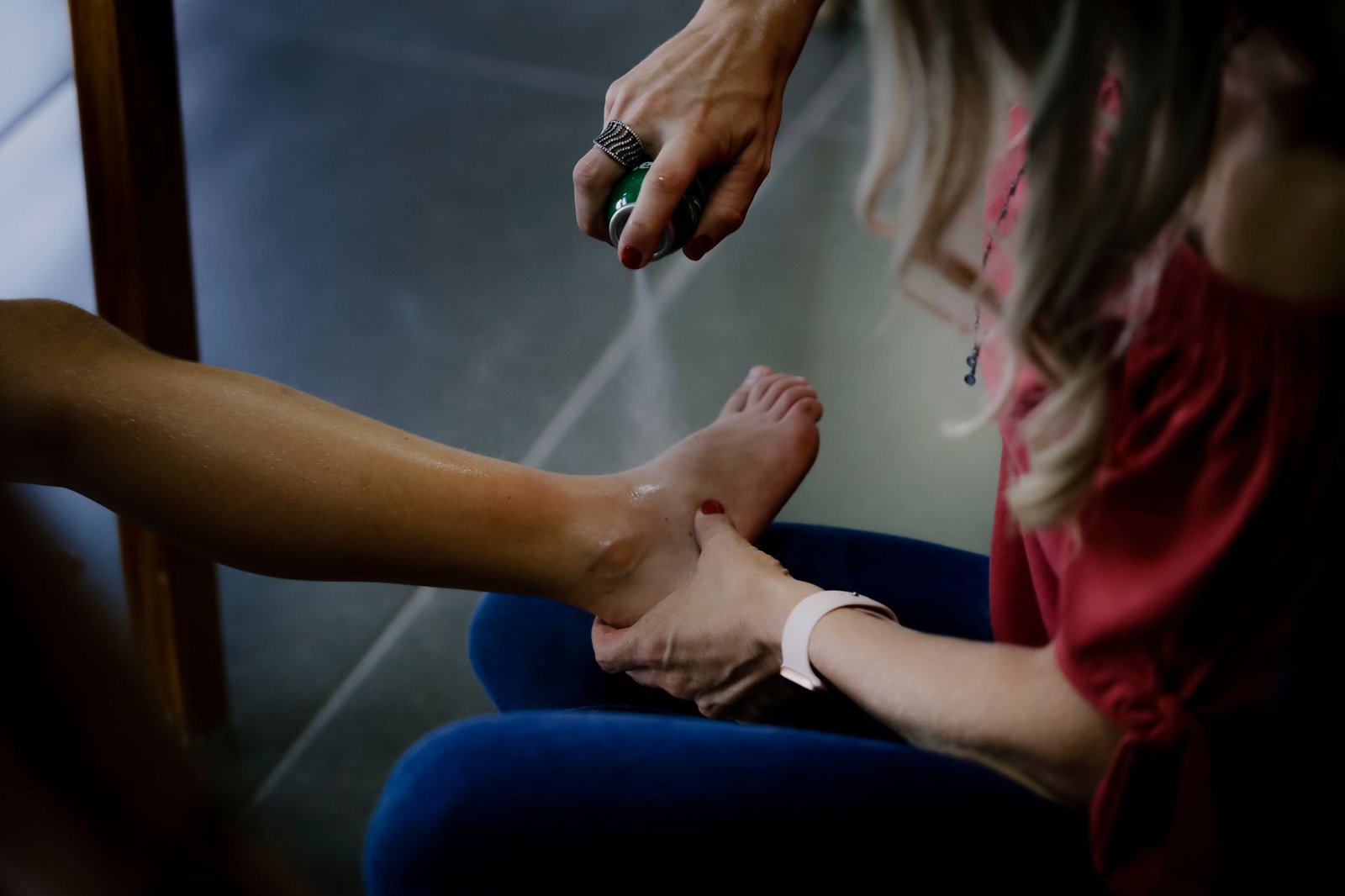
The Small movement Habit That Prevents Fluid From Pooling
Elevation and hydration are powerful, but they do not replace movement. Muscle contractions in the lower leg act like a pump. Without them, fluid lingers. With them, drainage improves even when you are busy.
A practical schedule beats willpower. Here is a quick guide you can use between meetings, chores, and travel.
| Situation | Action | Timing |
|---|---|---|
| Office desk | Ankle pumps | Every 30 to 60 min |
| Long sitting | Foot flexes | 1 minute per hour |
| Standing job | Short walk breaks | Every 45 to 60 min |
| Post workout | Light cool-down walk | 5 to 10 minutes |
| Evening screen time | Repeat ankle pumps | Before symptoms start |
This is not complicated. It is repeatable. Pair these micro-breaks with supportive footwear, and your ankles spend less time fighting pooled fluid.
Food and Drinks That Feed Swelling
Some triggers are easier to control than you think. Alcohol can worsen fluid balance and circulation for many people. Excessive caffeine can also push you toward dehydration stress, especially if your water intake does not keep up. If your ankles swell despite elevation, review what you are drinking and when.
Then look at salt. High-sodium meals pull water into the bloodstream and tissues, raising the likelihood that fluid will exit and linger in the lower legs. A consistent sodium check makes hydration work better, not harder.
Footwear and Standing Habits That Matter More Than You Admit
You can undo a week of careful elevation with a single day of poor mechanics. Supportive footwear helps stabilize the foot and reduces strain that can impair circulation. When you can, choose shoes that support your arch and avoid prolonged flat, unsupportive styles.
Standing for long stretches is another risk. If your work or errands require it, schedule small breaks and, when possible, alternate between standing and light walking. Your goal is to keep the drainage rhythm alive.
How to Spot When It Is a Warning, Not a Normal Pattern
Some ankle swelling is common, but certain patterns deserve medical attention. Persistent swelling, swelling tied to pregnancy, or swelling associated with diabetes, heart problems, kidney problems, or injury should not be managed with home routines alone.
Ask yourself this: if you elevate, hydrate, and move and the swelling still keeps returning, what exactly are you treating. When symptoms come with pain, redness, warmth, or shortness of breath, treat it as urgent and seek clinician guidance.
Elevation and Hydration Have Limits, So Use Them Wisely
Elevation and hydration are excellent first-line tools for many people, but they are not a cure for every cause of swelling. Lymphatic issues, medication side effects, and inflammatory conditions can need targeted evaluation. If swelling is frequent, one-sided, or worsening, your body is sending a message you should not ignore.
Smart prevention means recognizing when prevention turns into delay. Take the home steps seriously, then escalate when the pattern does not respond.
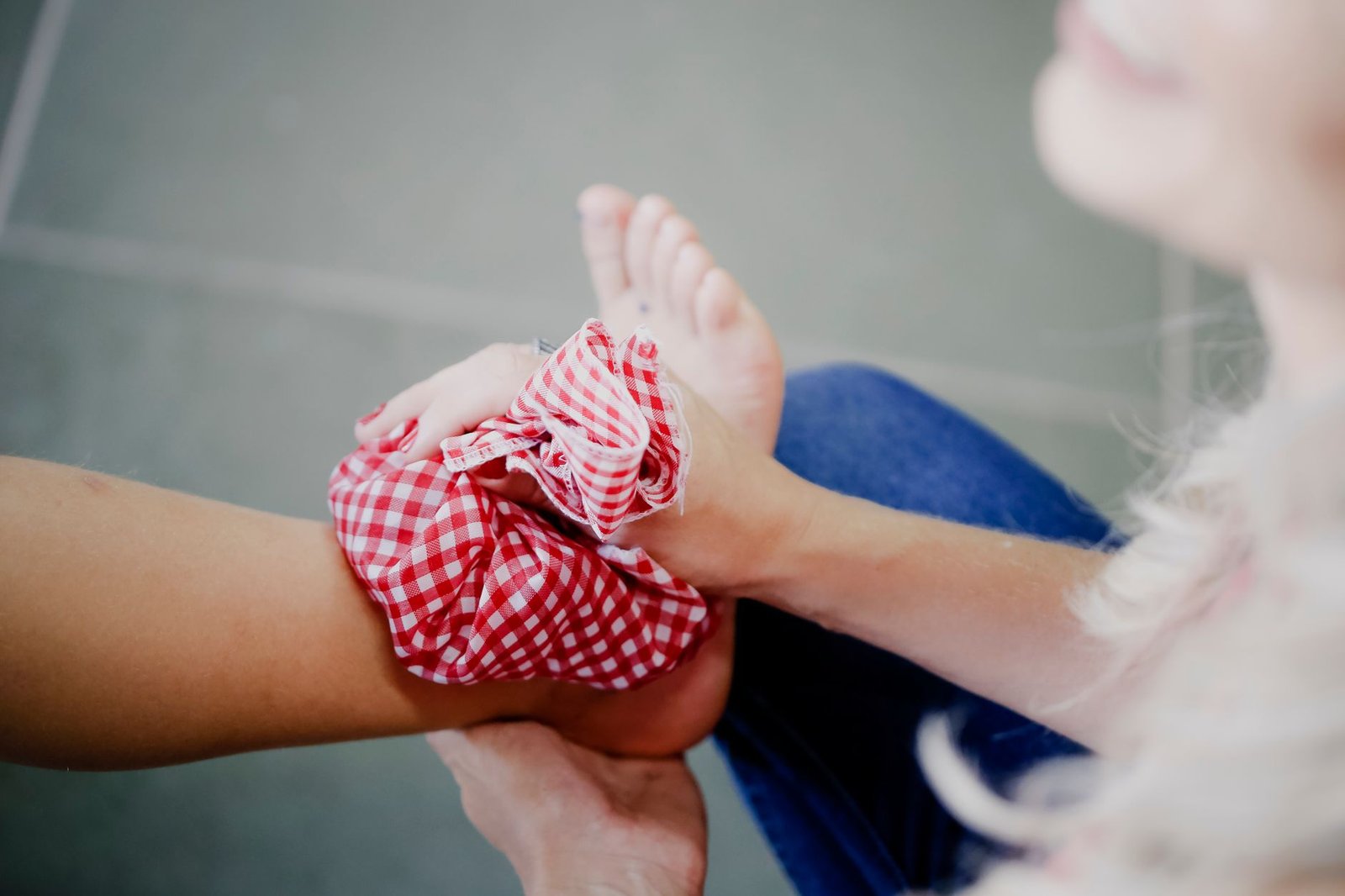
Track Simple Signals So You Stop Guessing
Swelling prevention improves when you measure the right things. Track water intake for a week, note your urine color, and record when swelling tends to appear, such as late afternoon or after travel. You are building a map of your personal triggers.
You can also track what works. If elevation after work reduces ankle puffiness, keep that timing. If compression helps on flights, treat travel as your cue to start earlier rather than waiting for symptoms.
A Start Today Plan That Turns Prevention Into a Routine
Begin with three actions you can complete before your next busy day. First, drink enough water to keep urine pale yellow and consistent across the day. Second, schedule one elevation session for 15 to 20 minutes above heart level. Third, add a micro-movement break every 30 to 60 minutes with ankle pumps or foot flexes.
If you already swell during travel or long standing, add compression socks at the right moment. Then keep sodium in check and limit alcohol and heavy caffeine, so hydration actually has a chance to work with your body rather than against it.
How To Prevent Swollen Ankles With Smart Elevation And Hydration
How Can Smart Elevation Help Reduce Swollen Ankles?
Elevating your legs so your feet are above heart level helps gravity move fluid back toward your circulation, which can lessen ankle swelling after standing or sitting.
How Much Hydration Helps Prevent Swollen Ankles?
Aim for about 6 to 8 glasses of water per day, and drink more in hot weather or when you are active, using pale yellow urine as a simple sign that you are hydrated.
How Often Should You Elevate Your Legs to Prevent Ankle Swelling?
Try about 15 to 20 minutes per session, about three to four times daily, especially in the afternoon and again before bed if swelling tends to build by evening.
What Movement Breaks Support Circulation When Ankles Start to Swell?
Take short movement breaks every 30 to 60 minutes by walking a bit and doing ankle pumps or foot flexes, since muscle activity helps move fluid out of the lower legs.
Can Compression Socks Help With Swollen Ankles, and How Should You Use Them?
Compression socks can improve venous return, so consider them if swelling tends to start or during long standing or travel, and check with a clinician if you have circulation problems.
When Should You Seek Medical Care for Swollen Ankles?
Get medical care if swelling is persistent or one-sided, comes with pain, redness, warmth, shortness of breath, or weight gain, or if you are pregnant or have diabetes, heart disease, kidney disease, or an injury.
Smart Elevation And Hydration Beat Swollen Ankles
If you are looking for how to prevent swollen ankles with smart elevation and hydration, build a simple routine and stick to it: drink enough water to keep urine pale yellow, then elevate your legs above heart level for 15 to 20 minutes about three to four times a day. Keep sodium in check, and limit alcohol and excess caffeine since both can worsen fluid retention. If swelling still shows up with long standing or travel, add properly fitted compression socks and take movement breaks with ankle pumps every 30 to 60 minutes. Do this consistently, and swelling becomes the exception rather than the daily norm.

I am Ozan, a London-focused running writer and marathon enthusiast with a passion for helping people discover the city’s best races, running routes, walking trails, and fitness events. I research and write practical, up-to-date guides covering marathons, race preparation, training tips, running gear, and everything related to staying active in London.
My goal is to create reliable, easy-to-follow content that helps runners and walkers of all experience levels explore London with confidence, whether they’re preparing for their first 5K or their next marathon.