Stop treating a shoe fitting like a casual shopping trip, because the socks you wear on race day can change the fit more than you expect. If you try on running shoes in random socks, you will likely end up with toe pressure, heel slip, or hot spots once your feet swell and your stride kicks in.
Set up your fitting the same way you will race: wear the exact sock type, thickness, and brand you plan to use, then test the shoes at the right time. Late in the day, or after a short run if you can, your feet are closer to race-day size, which makes the sizing check far more honest.
Then do a quick reality test before you commit. Aim for a toe-end fit with a thumb’s width of space at the front, make sure the heel feels secure without sliding, and walk or jog for about 10 to 15 minutes to reveal pressure points. If anything rubs or pinches, fix the lacing and volume now, because race day is not when you want to troubleshoot fit.
Stop Guessing Fit Without Your Race Socks
If you want how to set up a race-day shoe fitting with real socks, you have to stop testing in “similar” socks. Sock thickness, compression, and even stitch placement change the shoe’s effective volume. That change alters toe clearance, heel lock, and how the upper grips your midfoot.
Retail comfort can fool you. A shoe that feels great in thin store socks can feel sloppy or cramped once your feet swell during running and your race socks add the exact bulk they were designed to add. Why gamble on the one variable you can control?
Time the Appointment When Your Feet Are Largest
Fit is not a static snapshot. Feet expand over the day and swell during running, and race-day timing amplifies that effect. Schedule your fitting late in the day, or after you’ve been on your feet. If testing immediately after a short run, give your feet a minute to settle while they remain larger than they were at rest.
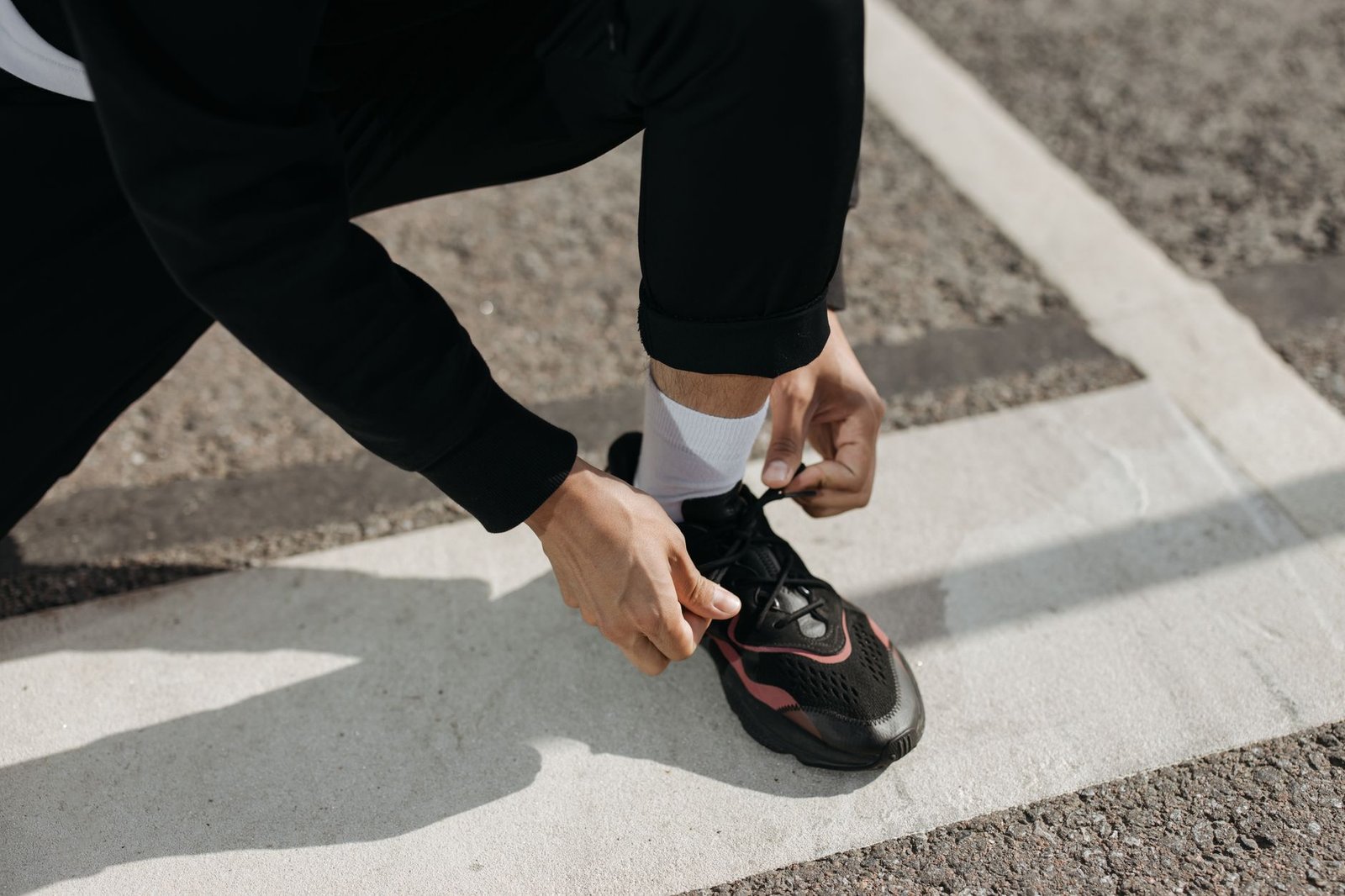
This is where many people fail. They book a morning appointment, try on shoes that feel roomy, and then wonder why the toe box feels tight after a few kilometers. The fix is simple: match the conditions, not your memory.
Use Toe-End Space Targets, Not Vibes
Toe space decides whether you end up with black toenails or clean finishes. You should feel clearance in a “toe-end” way with your shoe on, your laces set, and your weight evenly distributed. A practical target is about a thumb’s width between your longest toe and the shoe’s end.
That means you check the toe box with the shoe laced and your foot in its running stance. If your longest toe is often your second toe, measure for that reality, not the toe you wish you had.
Heel Security Beats “It Feels Fine”
Heel slip is the quiet saboteur of race-day comfort. If the heel lifts even slightly, the upper rubs when you drive forward. That friction becomes hot spots, blisters, and wasted energy correcting your stride.
Go beyond the initial feel. Stand, then do a gentle forward lean. Your heel should feel secure without squeezing. If it slips during movement, sizing the shoe “later” will not fix it. You adjust lacing, lock-down, or the fit baseline.
Get Volume Right With Eyelet Chain Feedback
Many shoppers chase length and ignore volume. But the shoe’s upper still has to accommodate the shape of your foot while staying locked. When you check the eyelet chain across the top, you’re reading whether the upper has room to move with you without collapsing.
As a working rule, about two finger widths across the top eyelets suggests a sound volume starting point. Too little space can choke your forefoot as you swell. Too much makes it easier for your heel and midfoot to shift.
Measure the Fit System, Not Just the Shoe
A race-day fit is a system: sock thickness, lacing tension, toe clearance, and heel lock all interact. When you treat this like a checklist instead of a hunch, you prevent the common mistake of “almost right” sizing that fails after 20 minutes of running.
Use the following quick targets during your try-on. They are short, practical, and tied to what your foot does while moving.
| Fit Check | Target Range | What It Should Tell You |
|---|---|---|
| Toe-End Clearance | ~0.5 to 1 inch | Avoid toe bang under load |
| Heel Hold | No slide on lean | Upper grips without rubbing |
| Top Eyelet Volume | ~2 finger widths | Upper space matches foot shape |
| Movement Test | 10 to 15 minutes | Find hot spots early |
| Sock Match | Race socks exact | Stops thickness surprises |
After you run through these checks, you can decide whether the shoe needs a different size, a different model, or a lacing adjustment. What you should not do is keep switching variables at once and hoping the “right” outcome appears.
Walk and Jog to Expose Pressure Points
Static fitting is incomplete. Walk, then jog for a short block to bring pressure points to the surface. Ten to fifteen minutes is enough to reveal early friction, toe pressure, and midfoot rubbing that often disappears when you only stand still.
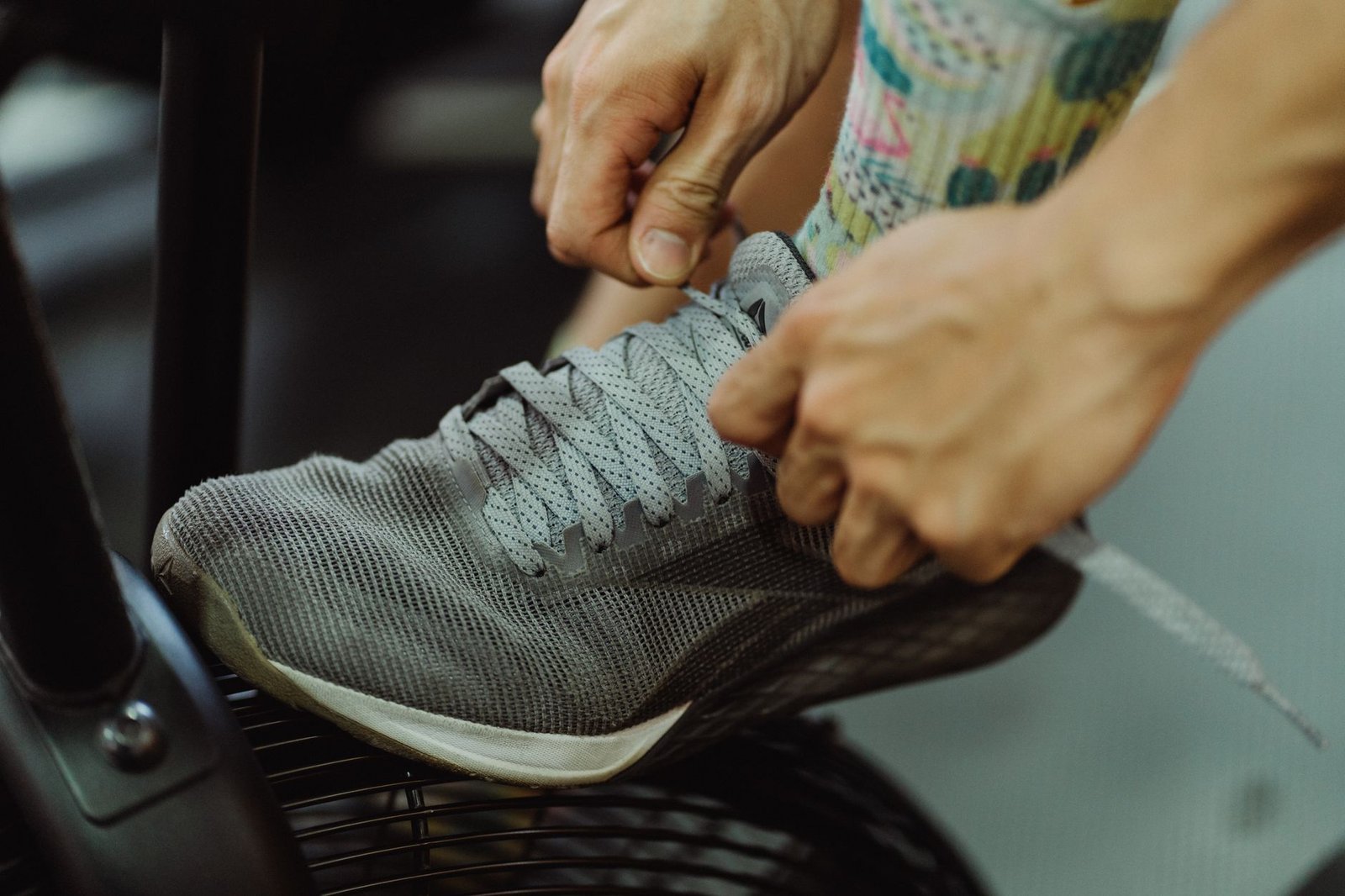
Comfort at rest is cheap. Comfort under motion is the real test.
If a hot spot appears in the first few minutes, why would it magically disappear at mile 18? Note where it happens and whether it tracks with toe-end clearance, heel lock, or volume.
Control the Variables That Change the Fit Feel
Temperature, fatigue, and recent activity affect how your feet behave. If you test after a heavy day or in a warmer room, you may swell more and feel pressure sooner. That is not a problem. It is information that brings you closer to race-day truth.
Also match socks exactly, including brand and thickness. Even “similar” can compress differently and change how the upper lays against your foot.
Don’t Ignore Lock-Down Lacing Options
If your heel slips and you already have adequate toe-end space, you may need a lock-down lacing technique rather than a size swap. A runner’s knot, heel lock, or using the “rogue” upper lace hole can change how tension distributes across the eyelets and stop backward movement.
These changes matter because they keep the heel planted while your foot expands. A larger size can increase toe room, but it can also create more heel slide if the upper still lacks grip.
Fix Lacing Only After You Confirm Baseline Fit
There is a temptation to “solve everything with laces.” That approach can hide poor sizing and create new pressure where tension concentrates. First confirm the baseline: toe-end clearance, heel hold, and volume feel with your chosen race socks.
Only then adjust lacing. If heel lock needs a different technique, do it. If the toe box lacks clearance even with correct socks and normal tension, you are not dealing with a lace problem.
Give Yourself Real Time to Validate Wear
If you’re fitting early, gradually increase wear time across the days before the race. That gives the materials time to settle and lets your skin adapt to friction points that show up late. A shoe that works on day one can still fail after repeated runs if the sock and upper shape do not agree.
Test with the socks you will race in. If you change socks during validation, you restart the experiment and lose confidence in the result.
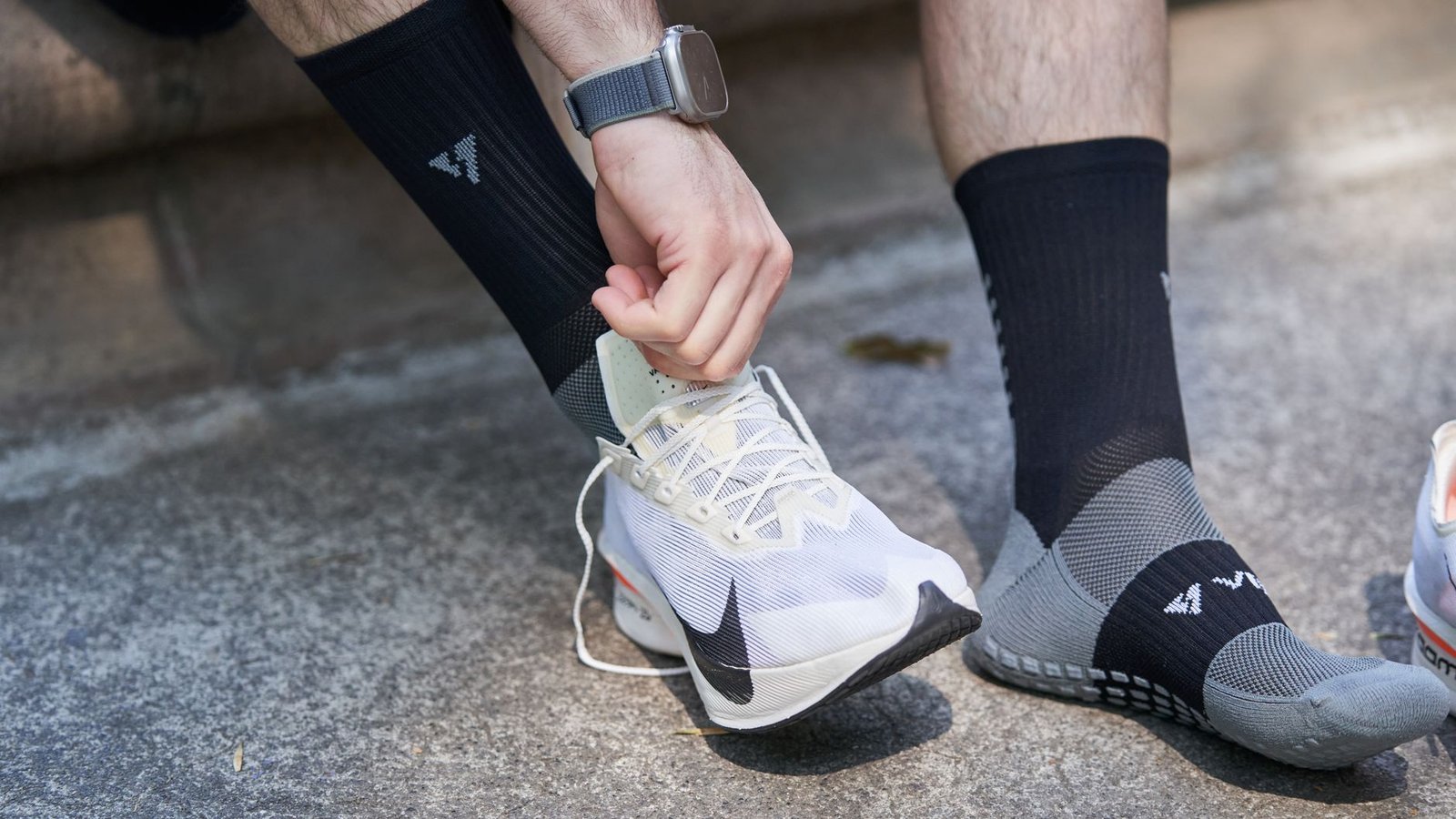
Choose Outcomes Over Sales Pitch Comfort
Some shoes sell on first steps. The problem is that first steps do not replicate toe splay, heel drive, and swelling under effort. You need outcome-based comfort: stable heel lock, no toe end pain, and no hot spots emerging during movement.
There is fitting guidance that aligns with this approach and focuses on how racing shoes should behave during real wear: fit guidance.
Have a Backup Plan for Race Morning
Race mornings are where small problems become expensive. If you suspect a mismatch, bring your race socks and a lacing plan you already tested. Arrive with time to adjust, not to improvise.
If you end up on the edge of the toe-end target, accept that you are closer to risk than comfort. Your best insurance is preparation: the exact socks, a late-day or post-run fitting, a short jog test, and a decision that treats fit as measurable, not magical.
How To Set Up A Race-Day Shoe Fitting With Real Socks?
What Socks Should You Wear for a Race-Day Shoe Fitting?
Wear the exact type of running socks you will use on race day, including the same brand and thickness, because sock changes can alter shoe fit while your feet swell during running.
When Should You Try Your Shoes for the Most Accurate Race-Day Fit?
Fit shoes later in the day when your feet are slightly larger, or test right after a short run if you are trying them immediately, so the sizing matches race-day foot volume.
How Much Toe Space Should You Check When Trying Race Shoes with Real Socks?
With the shoe on, you should feel about a thumb’s width between your longest toe and the shoe end, and the heel should feel secure without slipping while the midfoot feels supportive without pinching.
How Do You Check Volume and Heel Lock During a Race-Day Shoe Fitting?
Assess volume and lock-down using the top eyelet area, aiming for about two finger widths across the eyelets, and confirm the heel stays put when you move, since poor lock leads to rubbing.
How Should You Test the Shoes by Walking or Jogging in Your Race Socks?
Walk or jog for about 10 to 15 minutes to spot pressure points and hot spots early, then if you test before race week, increase wearing time gradually in the days leading up to the event.
What Lacing Tweaks Help Prevent Heel Slippage and Blisters?
If your heel slips, use heel-lock lacing or a runner’s-knot setup, and consider using an extra upper lace hole if it improves hold, so you get consistent contact without extra toe pressure.
Real Socks Make Race-Day Shoe Fitting Work
If you want to avoid last-minute surprises, follow how to set up a race-day shoe fitting with real socks exactly as you will race. Wear the same sock type, fit the shoes when your feet match race-day size, confirm toe-end clearance, and verify heel lock-down during a short run, not just a standstill test. Do it once, do it correctly, and you will earn comfort and confidence when the miles start adding up.

I am Ozan, a London-focused running writer and marathon enthusiast with a passion for helping people discover the city’s best races, running routes, walking trails, and fitness events. I research and write practical, up-to-date guides covering marathons, race preparation, training tips, running gear, and everything related to staying active in London.
My goal is to create reliable, easy-to-follow content that helps runners and walkers of all experience levels explore London with confidence, whether they’re preparing for their first 5K or their next marathon.