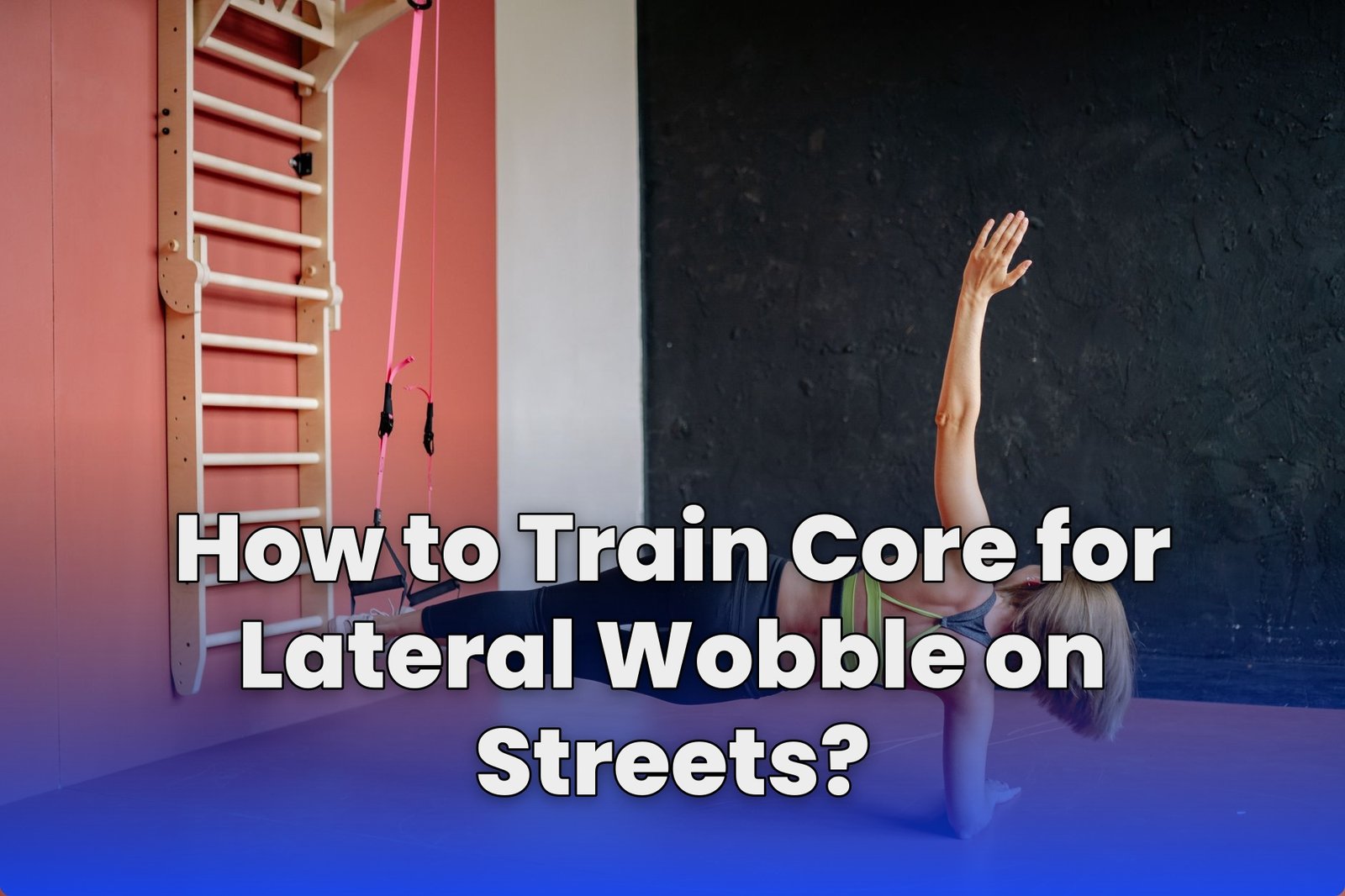
You do not lose balance on crowded streets because you are “not strong enough.” You lose it because your core fails at lateral stability, so your torso collapses side-to-side the moment your environment gets unpredictable. If you have ever searched how to train your core to resist side-to-side wobble on crowded streets, you have probably been handed endless crunches. That approach trains flexion, not the sideways control your body actually needs.
Core training for real-world wobble should feel boringly controlled, not flashy. You want your deep abdominal wall, especially the transversus abdominis, to stay engaged while your limbs move. That means practicing anti-lateral flexion with steady breathing, so your trunk resists the urge to lean, twist, or dip when there is pressure around you.
This article will guide you through a short routine built around exactly that goal: stable planks and dead bugs with a neutral, non-arched back, anti-rotation and anti-lateral-flexion holds that teach you to “brace and hold,” and then dynamic moves like bird-dog and mountain climbers that keep your alignment under fatigue. When your core can stay rigid while your body travels through chaos, crowded streets stop feeling like a balance test.
Stop Chasing Crunches For Street Stability
If your goal is to resist side-to-side wobble on crowded streets, then you need core stiffness under moving loads. Crunches are a flexion party. Street wobble is a lateral and rotational problem.
Picture the moment your wheels, shoes, or stance gets nudged by a passerby. Your torso must stay rigid while your limbs keep working. That rigidity comes from bracing, anti-lateral flexion, and anti-rotation control, not from high-rep abdominal burn.
Stability is what happens when your torso refuses to collapse while everything else keeps moving.
Brace Like You Mean It Engage The Transversus Abdominis
Most people train their core like a muscle group. You must train it like a mechanical brace. The deep abdominal wall, especially the transversus abdominis, is the engine behind that “stay firm” effect.
Practice the cue during every rep: tighten the abdomen as if preparing for a gentle poke, keep your back neutral, and let your arms and legs move without letting your midsection go soft. When your core brace works, wobble decreases because your trunk no longer responds to lateral disturbance with uncontrolled side bending.
Breathing Controls Your Core Rigidity
Breathing is not a warm-up detail. It controls pressure and timing. Use controlled breathing with deep, unrestricted breaths during each rep or set, then re-brace as the next movement begins.
Think of it this way: you are building a rhythm where inhalation does not collapse your ribcage or lower back. Exhale does not steal your stability. When breathing and bracing coordinate, the core resists lateral collapse even when you fatigue.
Train On The Floor First So Wobble Stops
Your training surface matters because it changes how easily you compensate. Start on a mat or carpeted floor where you can feel a neutral spine and controlled movement. If you begin on a slick or unstable surface, you learn balance instead of core control.
Set up for quality: slow reps, deliberate bracing, and no momentum. If you cannot keep a neutral, non-arched back during dead bug variations, why would you expect your trunk to stay firm when crowded streets force sudden corrections?
Use Anti-Lateral Flexion Drills To Fight Lateral Collapse
Side-to-side wobble is often lateral flexion dressed up as “balance.” Anti-lateral flexion training teaches your trunk to resist collapse when force hits from the side.
Run drills that keep your pelvis and ribcage aligned while your limbs move. Dead bugs with strict control, forearm plank holds, and side plank variations help your deep abdominal wall stay engaged so your body does not fold sideways under disturbance.
Master Anti-Rotation Stability So Your Torso Stays Square
Streets do not only push sideways. They twist your path. Anti-rotation training blocks that torque from turning into wobble through your trunk.
If you want baseline core strength basics from a medical source, using a form-first approach will keep you honest about what your core should do during movement and what it should not do.
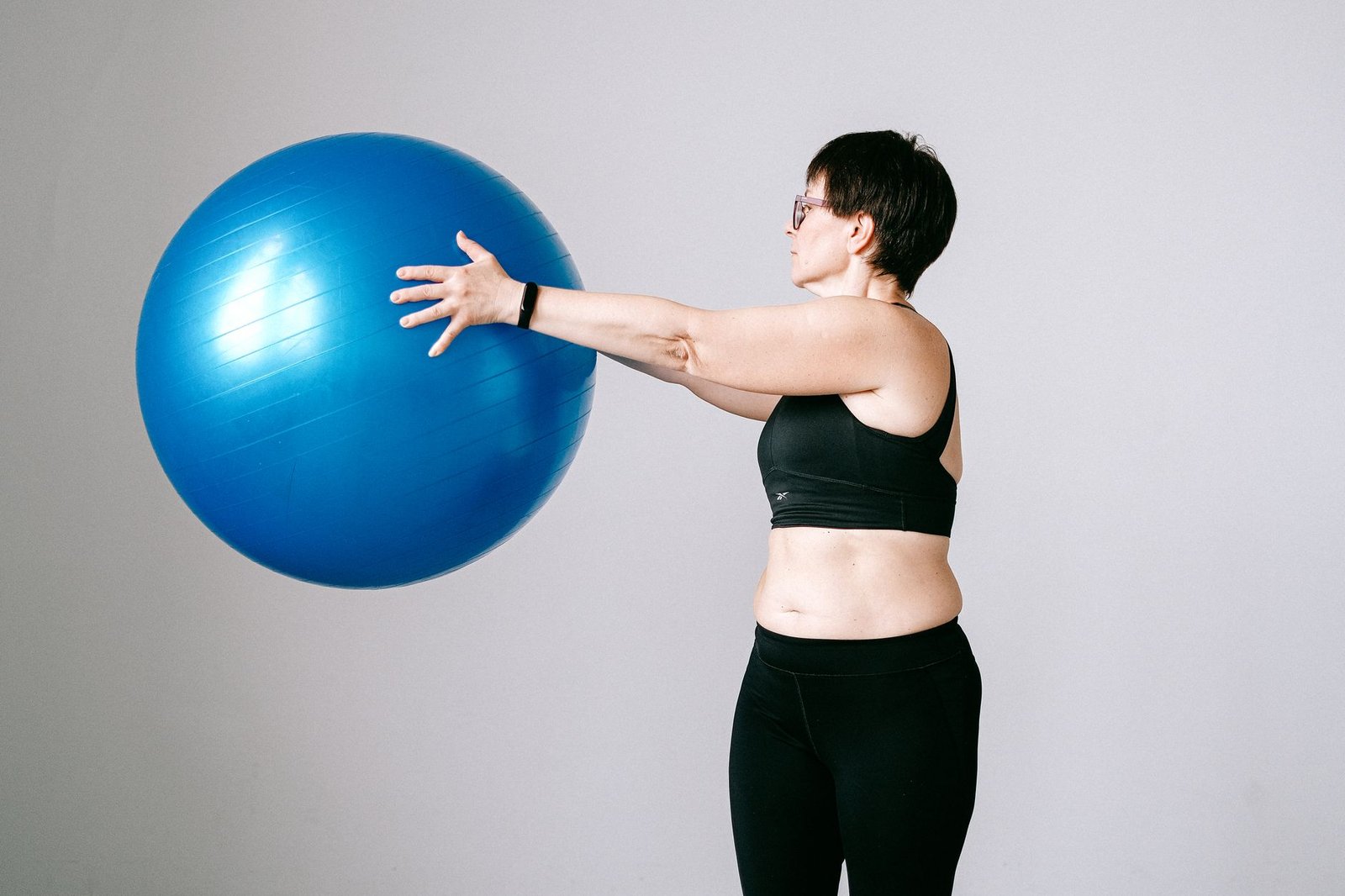
Resist sideways pressure while maintaining upright posture. Contract without rotating, hold pressure for about 5 to 10 seconds per side, then repeat. Progress later by lengthening the lever arm and adding controlled instability.
Pick The Right Holds And Rep Ranges For Consistent Performance
Consistency comes from dosing. You want enough volume to build control, and enough intensity to make the brace matter when you fatigue.
| Drill Type | Dose | What To Watch |
|---|---|---|
| Dead Bug Variations | 12 to 15 reps | Neutral spine, no drifting |
| Forearm Plank Variations | 3 deep breaths | Elbows and knees press in |
| Side Plank Holds | 5 to 10 seconds | Ribs stay stacked over hips |
| Anti-Rotation Pressure Holds | 5 to 10 seconds | Upright posture, no turn |
| Mountain Climbers | 12 to 15 reps | Core brace stays on |
Use a repeatable structure: dynamic work in the 12 to 15 rep range, plus drill holds with about 3 deep breaths in the braced positions. This keeps your training aligned with the exact skill you need on crowded streets: stay rigid while your limbs move.
Add Dynamic Multi-Directional Moves Under Fatigue
Static control is a starting line. Street wobble hits when you are tired and your form starts to drift. That is why dynamic, multi-directional work belongs in your program.
Include bird-dog for cross-body stability and mountain climbers for stabilization under fatigue. Keep movement quality high by bracing first, moving second, and slowing down when your trunk starts to sag.
Turn Static Holds Into Moving Control
Planks and side planks teach rigidity, but only for one moment unless you connect them to motion. Add controlled transitions so your core brace holds while your limbs change position.
For planks, create resistance by pressing elbows and knees toward each other. Then keep that same “brace and resist” intention as you add leg movement in dead bug progressions or as you shift your base in supported anti-lateral drills.
Progress The Challenge Lever Arms Unstable Surfaces And Eyes Closed
Once you can stay rigid on a mat, raise the difficulty. Progression should load the stabilization demand without trashing your alignment.
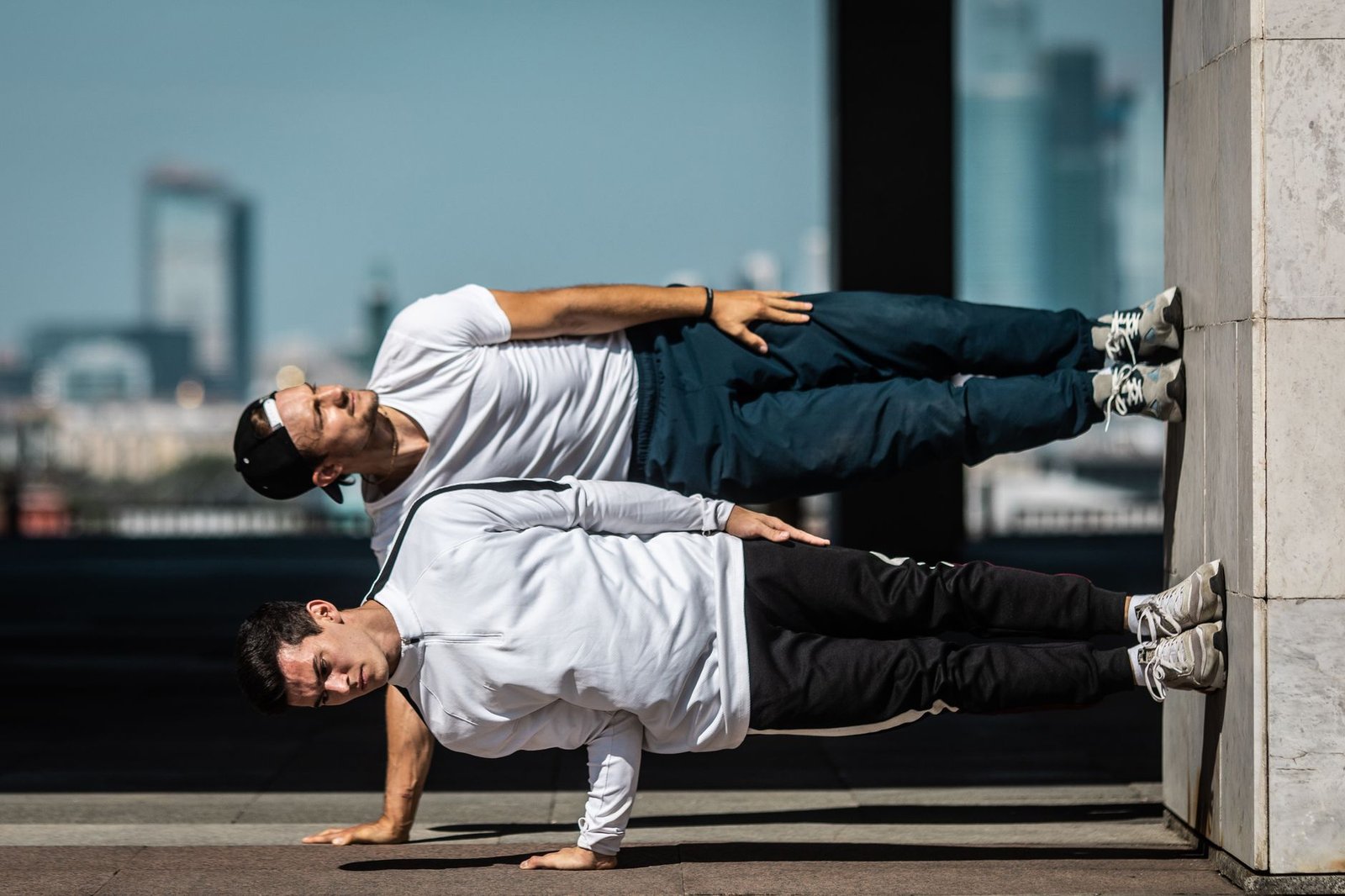
Try longer lever arms, then unstable surfaces like a stability ball, then closing your eyes in the supported holds. You are teaching your nervous system to produce the brace even when sensory input drops. That is exactly the kind of control you want when the crowd disrupts your timing.
Practice A Short Routine 2 To 3 Times Per Week
Train your core 2 to 3 times per week on non-consecutive days. That spacing lets you repeat skill practice while recovering enough to keep bracing crisp.
Keep the session short, about 15 minutes. Short routines win because you will do them. Rotate through anti-lateral flexion drills, anti-rotation holds, and one dynamic stabilization exercise each session so your body learns the “rigid while moving” pattern repeatedly.
Common Mistakes That Keep You Wobbly In Crowds
Wobble persists when training targets the wrong job. Do not chase burn by letting your trunk collapse. If your back arches, your ribs flare, or your hips twist, the exercise stops teaching stability and starts teaching compensation.
Another classic error is using momentum. Street disturbances force instant correction, but your practice should teach control first. Stay slow, keep breathing organized, and stop each set when your brace fails. If you feel sharp pain, scale the range or switch to a supported version.
Follow the plan for how to train your core to resist side-to-side wobble on crowded streets, and you will stop reacting to chaos with your whole body. You will react with a braced torso that keeps your limbs doing their job.
How To Train Your Core To Resist Side-To-Side Wobble On Crowded Streets?
How Can Core Stability Reduce Side-To-Side Wobble On Crowded Streets?
Focus on resisting lateral collapse so your torso stays aligned while your arms and legs move. Training anti-lateral flexion and steady trunk stiffness helps your body hold a consistent line when space is tight.
What Breathing And Bracing Cues Keep The Transversus Abdominis Engaged?
Use deep, controlled breaths so your ribcage expands and your belly stays firm during each rep. Exhale to “brace” and maintain tension through the deep abdominal wall as your limbs change position.
Which Exercises Like Dead Bugs And Planks Improve Anti-Lateral Flexion Control?
Dead bugs work well when your back stays neutral and your abdomen remains tight while you move one leg at a time. Forearm planks and side planks improve trunk control when you press elbows into the floor, squeeze the legs lightly, and hold with controlled breathing.
How Do Anti-Rotation And Sideways-Pressure Drills Train An Upright Core Under Stress?
Practice resisting a sideways push while staying tall without twisting, then hold the force for about 5 to 10 seconds per side. Supported standing drills or simple partner-free variations help you keep posture while resisting lateral and rotational pull.
How Should You Progress Sets And Reps For Core Control During Fast, Multi-Directional Movement?
Use a mix of holds and controlled reps, often around 12 to 15 reps for dynamic work and short breath holds for static positions. Progress by increasing lever length, adding instability like a stability ball, or extending time under tension.
How Often Should You Train And What 15-Minute Routine Builds Wobble Resistance?
Train two to three times per week on non-consecutive days so your core adapts without fatigue. Try a short routine with dead bugs, forearm planks, side planks, and one drill for lateral pressure, repeating the cycle until you can stay rigid while your limbs move.
Street Stability Starts With Controlled Core Work
When you ask how to train your core to resist side-to-side wobble on crowded streets, the answer is simple: train anti-lateral stability and anti-rotation with deliberate form, then add movement under fatigue so your body can stay rigid while you move through noise and crowding. Use controlled breathing, progress from floor drills to harder holds, and practice 2 to 3 times per week long enough that stability becomes automatic.

I am Ozan, a London-focused running writer and marathon enthusiast with a passion for helping people discover the city’s best races, running routes, walking trails, and fitness events. I research and write practical, up-to-date guides covering marathons, race preparation, training tips, running gear, and everything related to staying active in London.
My goal is to create reliable, easy-to-follow content that helps runners and walkers of all experience levels explore London with confidence, whether they’re preparing for their first 5K or their next marathon.