How to plan a race day strategy for the London Marathon course is not a cute exercise, it is the difference between running your goal and surviving the chaos. You do not need more motivation on the start line, you need an execution plan that respects how this course actually behaves, especially when early downhill sections tempt you to sprint and the crowd noise tricks you into overreaching.
The smartest approach is simple: build your strategy around a classic negative split, pace calmly through the opening miles, then earn your speed as the race settles into its later pressure points. Study the bends and landmark rhythm so you can hold efficient tangents, lock in mental checkpoints like Tower Bridge, and decide how you will react when the crowds thin between about 15 and 18 miles. When the Embankment noise grows louder and the finish gets close, your plan should tell you when to “empty the tank” instead of asking you to guess.
Finally, treat logistics and pacing data as part of the strategy, not an afterthought. Arrive early with buffer time, use your bib color to get into the correct starting pen, and do not trust GPS blindly when mile markers matter for rhythm. Plan fueling and hydration like you practiced in training, and pack for cold waiting so you can stay warm, change fast, and start focused rather than stressed. In London, precision beats intensity, and your race day should prove it.
Treat the First 10K Like a Warm-Up Not a Victory Lap
Most runners lose the London Marathon before they even feel the second half. The early miles include temptations, including downhill sections, and the crowd energy makes it easy to go 15–20 seconds per kilometer too fast. That surge feels heroic. It is usually self-sabotage.
Here is the position I will defend: your race plan must assume you will feel better early than you should. So you must plan to feel disciplined early. If you refuse to “earn it” later, you will pay for it later. Aim for a classic negative split by running conservatively through the first 10K and building from there.
Memorize Landmarks So Crowds Do Not Steal Your Line
The fastest runners on this course do not just chase pace. They protect their tangents. With many bends and dense spectators, your shortest path is often your cleanest path, and your cleanest path is rarely your instinct.
For a concise rehearsal of key turns, you can rely on course strategy tips before locking in your landmarks and water points. When the map is in your head, you stop arguing with the street.
Practice a simple mental routine: landmark, turn, water/gel, relax your shoulders. If you do not have a sequence like that, the course will write one for you using distraction and detours.
Plan for Pressure Points Where the Course Tries to Break You
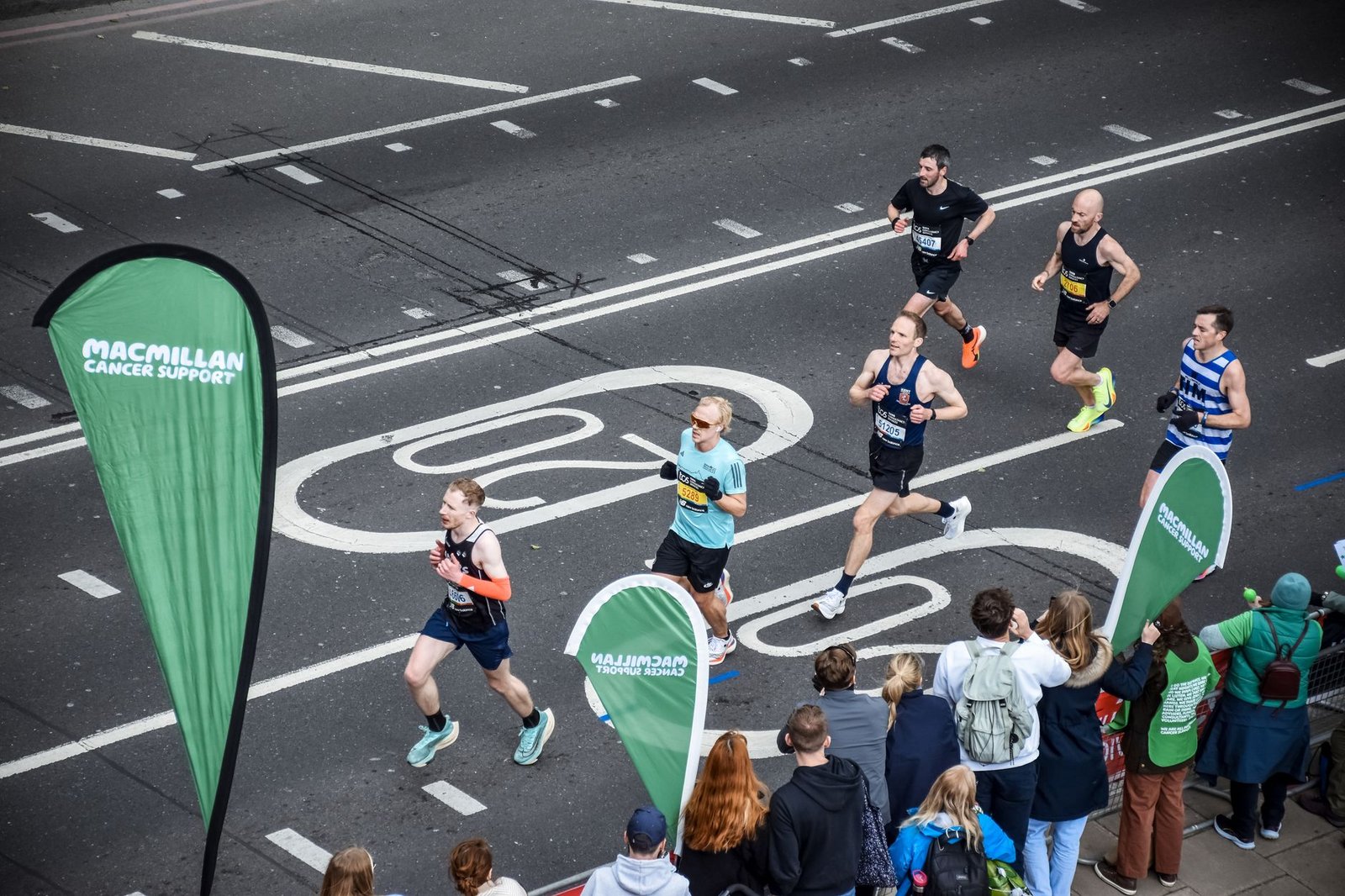
London has an unfair advantage over your training: it knows exactly when your willpower runs thin. The strategy is not to “hope for the best.” The strategy is to identify the course’s pressure points and pre-decide your response.
Key segments matter because your effort must change at the same times the environment changes:
- Cutty Sark area around mile 6 where sound and energy can hijack your pacing
- Miles 15–18 when crowds thin and your mind starts negotiating with fatigue
- From about mile 22 onward when proximity to the finish and Embankment noise demand that you empty the tank
What happens when you feel stronger than planned at mile 6? You stay patient. What happens when crowds vanish at mile 16? You lean on your anchors and keep your form stable.
Use Mental Anchors to Control Effort and Beat Race Noise
Your plan needs more than numbers. It needs checkpoints that protect you from panic and pride. If the first half becomes a chase, the second half becomes a survival story.
Your job in the first half is not to run fast. Your job is to set up the second half to feel inevitable.
Build an effort-based system. For example, treat Tower Bridge as a mental checkpoint and aim for about a 7 out of 10 effort at halfway, not the feeling of “I must catch that runner.” When your effort target is stable, the pace can breathe with conditions.
And when race noise swells, remind yourself why it helps some runners and hurts others. Noise creates false urgency. Your anchor creates real urgency toward the right moment.
Fuel and Hydrate With Math, Not Hope
Many people run London as if fuel is optional. It is not. If you want the second half you trained for, you must feed the engine early enough that it is ready when the course stops being kind.
Start with a plan you can measure: gels on a schedule, water when you reach water points, and a hydration rhythm that matches your sweat rate. The best way to know your needs is not to guess on race day, but to practice fueling and hydration in training so your stomach trusts you.
Make it concrete. Decide what you will take before you line up, then decide what you will skip if you feel off. Hope is not a system. A timed plan is.
Wind and Shelter Decide Pace More Than GPS
Wind can turn the same pace effort into two different outcomes. On exposed stretches, a headwind punishes you even if your legs feel steady. On calmer sections, your effort can hide your advantage, and then you arrive to the next segment unprepared.
| Scenario | Where to Position | Effort Target |
|---|---|---|
| Crosswind near open roads | Inside line with buildings | 6 to 7 out of 10 |
| Headwind on long straights | Run behind groups | Stay controlled |
| Gusts near riverfront | Seek shelter at corners | Do not sprint |
| Tailwind with clear visibility | Let stride open slightly | Match your plan |
| Unpredictable shifts | Adjust posture and cadence | Keep breathing steady |
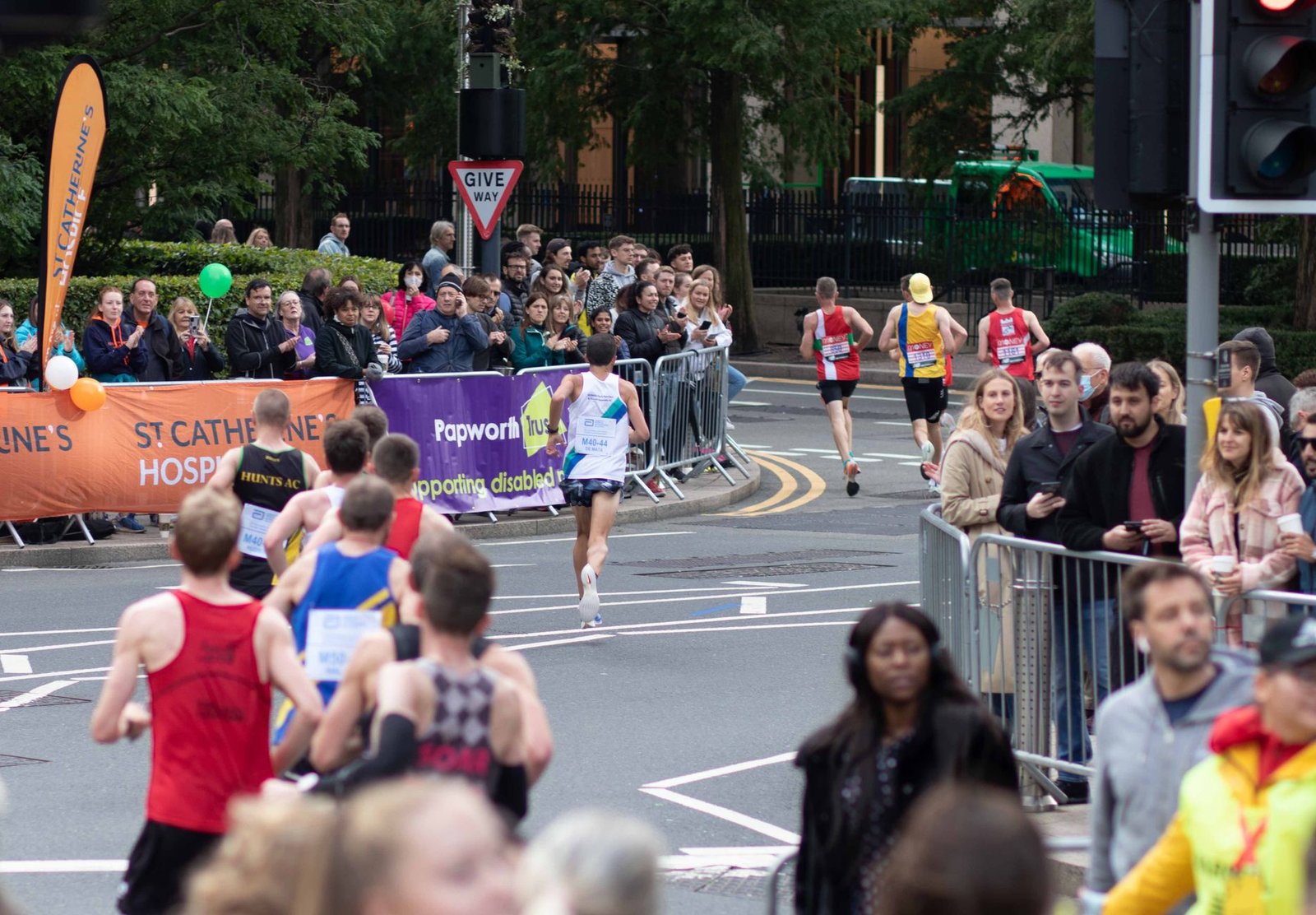
GPS may be unreliable, especially with crowds, buildings, and signal gaps. Use manual lap timing to track mile markers so your strategy stays honest. Wind is real, GPS drift is not.
If you plan to “run by feel” but also refuse to measure anything, you are just trading one uncertainty for another.
Start Corrals and Transport Logistics Can Save Minutes
You cannot execute the course strategy if you miss the start. That is why logistics are not boring details. They are part of your race plan, just like your pacing targets.
Arrive early with real buffer time. Mass waves can roll off starting around 10:00, while many runners cross closer to 10:30, depending on assignment and corrals. Use your bib color to route to the correct starting pen. Don’t treat corral selection like a guess.
Use free public transport with your bib until 6:30 pm, and follow assembly-area tube guidance based on your specific start. Your goal is one thing: get to the start line calm, warm enough, and properly placed.
The Expo and Gear Routine Prevent Cold-Weather Panic
Cold waiting and changing conditions are part of London Marathon physics. If you arrive underprepared, your body spends the day negotiating discomfort instead of running miles.
Get the expo early in the week so race-week stress does not stack on race-day logistics. On race morning, pack for cold waiting and quick changing weather: throwaway start layers or joggers, a bin bag for wind or rain in queues, anti-chafe, tested race fuel and gels, and reliable shoes rather than brand-new uncertainty.
The best gear plan is the one that prevents you from thinking. When you have everything in place, you can focus on the strategy, not the weather gamble.
A Negative Split Is a Strategy, Not a Slogan
People say “negative split” like it is a vibe. It is not. It is a deliberate pacing blueprint that respects how the human body breaks down when effort spikes early.
Your plan should read like this: first half “tidy,” second half earned. That means you run the early stretches with discipline, then you convert the later miles when the course rewards those who manage pace and stay smooth through the final segment.
Don’t confuse comfort with control. Comfort early can come from overspending. Control early comes from matching effort to plan, even when the pace feels slower than your ego wants.
Practice Race-Day Conditions in Training
You cannot simulate crowds, but you can simulate the behaviors that matter. Practice running with a fueling schedule, practice pacing discipline, and practice staying calm when the route changes rhythm.
In training, rehearse the decisions you will make at mile 6 and mile 16, not just the long run itself. How do you respond when you feel strong too early? How do you keep form when mental fatigue starts to appear? Practice those moments so they do not surprise you later.
If your “strategy” only exists on race morning, it is not a strategy. It is a hope with a clipboard.
Temperature, Chafing, and Shoes Are Performance Decisions
People obsess over pace targets while ignoring the simplest threats to execution. Chafing slows you down and steals focus. A shoe that is not fully trusted can ruin your mechanics when fatigue arrives.
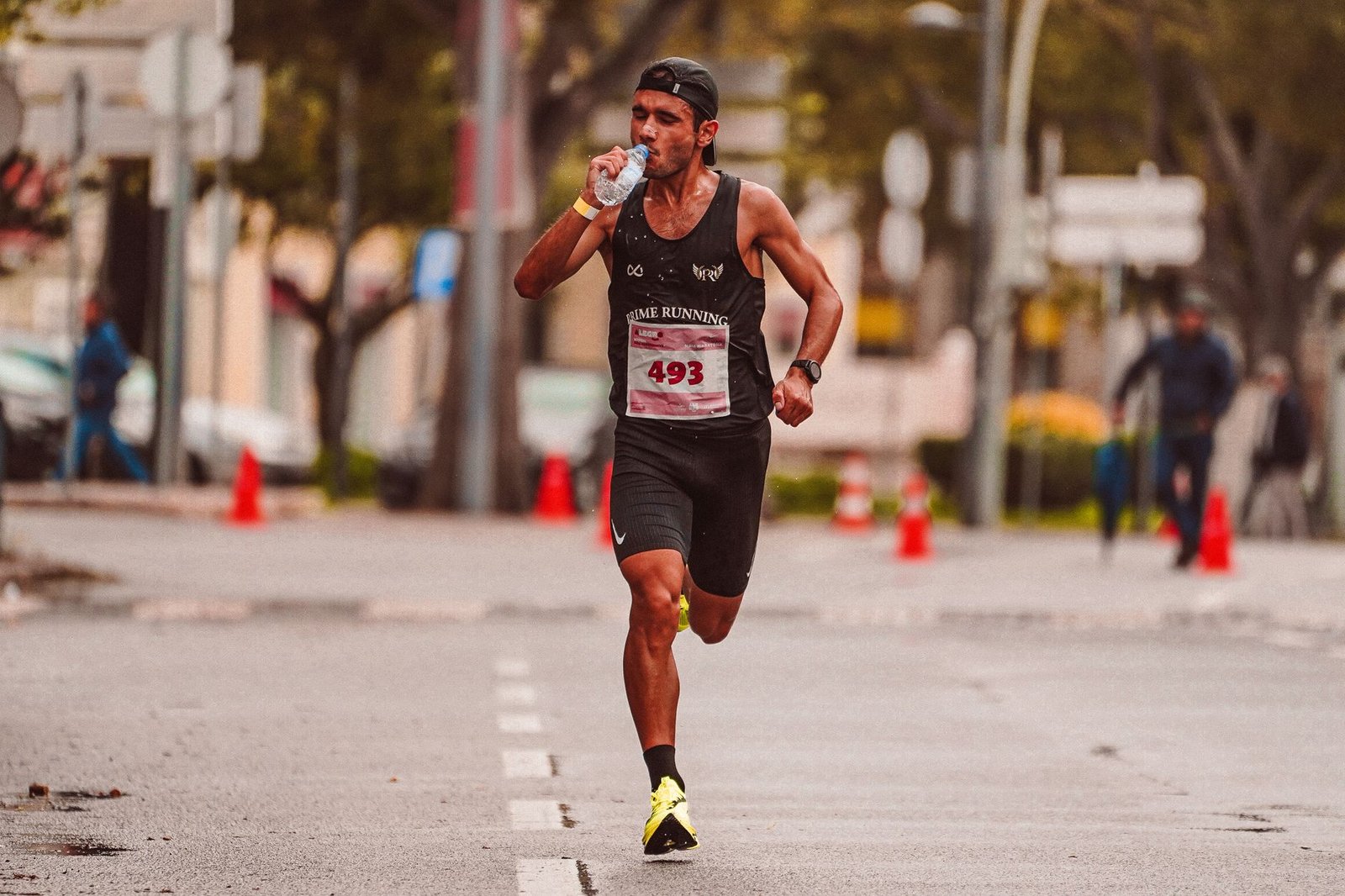
Plan anti-chafe like it is part of your training, not a last-minute add-on. Choose reliable shoes and break any necessary adjustments into earlier sessions. Then keep clothing logic simple: layers you can remove quickly without compromising comfort.
When discomfort rises, your brain looks for reasons to slow down. You must remove the reasons before the race even begins.
Commit to Execution so the Finish Lets You Empty the Tank
From about mile 22, London becomes a test of decision-making. Embankment noise, increased density near the finish, and the knowledge that the end is near can create a trap: people sprint too soon to “finish strong.” The better approach is to build into that strength, not stumble into it.
So you commit. You keep your effort controlled until the point where your second-half plan says you can turn it up. Then, and only then, you give everything you planned to give.
The course rewards those who manage their pace early and stay smooth through the final miles. Your race day strategy is not about predicting the future. It is about deciding your response before the pressure arrives.
How to Plan a Race Day Strategy for the London Marathon Course?
How should you study the London Marathon course before planning your race day strategy?
Review the elevation and layout, note where you’ll face early downhill sections, bends, and turns, and memorize key landmarks like major bridges and water points so you can plan tangents and avoid wasting effort weaving through crowds.
What pacing plan helps you execute a negative split on the London Marathon course?
Start conservatively through the first 10K, especially during the early downhill stretches that tempt you to run 15–20 seconds per kilometer faster, then build gradually after, aiming to feel stronger late rather than chasing pace early.
Which pressure points and mental anchors should you use along the London Marathon course?
Plan for high-impact areas like the loud Cutty Sark section around mile 6, mentally tough stretches when crowds thin around miles 15–18, and the decisive push from about mile 22 onward, using anchors such as Tower Bridge and aiming for a controlled effort level at halfway.
How do you manage fueling and hydration during the London Marathon?
Practice your fueling and hydration in training, then set a clear schedule for gels and fluids on race day, targeting steady intake so you can stay smooth through the final miles and protect your second-half performance.
How should you handle wind, GPS uncertainty, and course navigation on race day?
Check wind direction and plan to seek cover near buildings or behind runners when gusts hit, and don’t rely solely on GPS for pacing—consider manual lap timing and use mile markers to keep your plan on track through turns.
What race-day logistics and gear choices matter most for the London Marathon course?
Arrive early with buffer time, use your bib to enter the correct starting corral, plan transportation with your bib, and pack for cold waiting and changing conditions with tested race fuel, anti-chafe, reliable shoes, and a throwaway layer for queues.
Race Day Strategy Wins When You Commit
To succeed with how to plan a race day strategy for the london marathon course, you must treat the course like a map and your plan like a contract: go out controlled, protect your effort through the early temptations, use landmarks for mental pacing, fuel and hydrate on schedule, and protect your logistics so nothing steals focus before the start. Then execute the second half with purpose, because the finish belongs to the runner who stays disciplined when the crowd noise fades and the miles start to bite.

I am Ozan, a London-focused running writer and marathon enthusiast with a passion for helping people discover the city’s best races, running routes, walking trails, and fitness events. I research and write practical, up-to-date guides covering marathons, race preparation, training tips, running gear, and everything related to staying active in London.
My goal is to create reliable, easy-to-follow content that helps runners and walkers of all experience levels explore London with confidence, whether they’re preparing for their first 5K or their next marathon.