
Most people do not lose the London Marathon because they lack fitness. They lose it because they make predictable, avoidable choices. The good news is that these errors are not mysterious, and you can address them long before race morning. If you want a smoother, faster run, you need to treat the marathon like a plan you execute, not an event you improvise.
Pacing is usually the first mistake, and it is also the most fixable. Many runners “charge off” early and then wonder why the middle miles collapse. Base your target marathon pace on your training and long-run results, start slightly conservative for the first few miles, and monitor lap pace with a GPS watch so you do not drift upward. The goal is simple: ease into your target pace, because losing a couple of minutes early can be recoverable, while large late losses usually are not.
Race-day experimentation is the second big culprit, and it often shows up as nutrition, gear, or timing problems. Do not wear new shoes or try new gels, foods, or routines you have not tested in training, and do not make last-minute diet changes when your taper is already fragile. Practice carrying and taking fluids and energy every 30 to 45 minutes before you feel tired, keep your taper consistent with your plan, and protect sleep. Finally, handle logistics early so you can warm up calmly, use the toilets without panic, and get to your start pen with a weather and kit plan that accounts for anything from cold wind to heat.
Charging Off at the Wrong Pace
When people list the common London Marathon mistakes and how to avoid them, the top culprit is simple: starting too fast. It feels heroic for the first few miles, then it punishes you for the next 20 to 30. Why do runners “charge off” at a tempo they cannot hold? Because adrenaline and optimism make them confuse intensity with control.
Early overreach is recoverable when it is small. Lose about 1 to 2 minutes early and you can still right the ship if the rest of the race stays disciplined. Lose more, and you are no longer pacing a marathon, you are firefighting. “I’ll just settle in after the congestion clears.” That sounds reasonable, but by mile 10 the damage is already physiological.
Base Your Target Pace on Your Long Runs
Stop guessing. Your marathon pace should be built from your training reality, not from a motivational quote. If your long run pace and race simulations cannot support your target goal pace, then your plan is fiction.
Choose a target by comparing three inputs: your long-run effort, your recent 10K or half marathon pace, and your race simulations where you intentionally practiced holding pace under fatigue. Then start slightly conservative for the first few miles. You are not surrendering ambition, you are buying future consistency.
Let GPS Lap Splits Stop Your Ego
Even with a good plan, the mind can hijack the race. That is why you need lap-by-lap feedback. A GPS watch is not a trophy, it is a steering wheel. If your lap splits are systematically faster early, you adjust early, not late.
Here is the rule most runners ignore: ease into goal pace. If you demand perfection from mile one, you will chase your own speed when it collapses. The crowd will help you run faster than you planned, and your watch will tell the truth when everyone around you is cheering.
No New shoes, Gels, or Clothing on Race Day
Race-day experimentation is how prepared runners turn into volunteers for the “hitting the wall” club. New shoes can break in the wrong places, unfamiliar insoles can irritate, and a first-time gel can upset your stomach exactly when you need steady fuel absorption.
“But this brand feels great in the store” is not evidence. The only evidence that counts is what you did in training. Wear what you trained with, test your gels and foods, and keep the routine familiar. Your stomach does not care about your confidence. It cares about consistency.
Carbo-Load the Way You Trained
Carbo-loading is not a last-minute hack. It is a deliberate strategy that should match what your gut and digestion already tolerate. Yes, guidance often suggests keeping carbs high in the final week, sometimes as much as at least 70% of intake, but the real requirement is not the percentage. The real requirement is that the foods are ones you have already proven.
If you change your breakfast, dinner, or brand of energy products during race week, you are trading a controlled physiology for a guessing game. Keep your meals predictable. The goal is to arrive with glycogen topped up, not to arrive curious about your own tolerance.
Fuel Before You Feel Tired
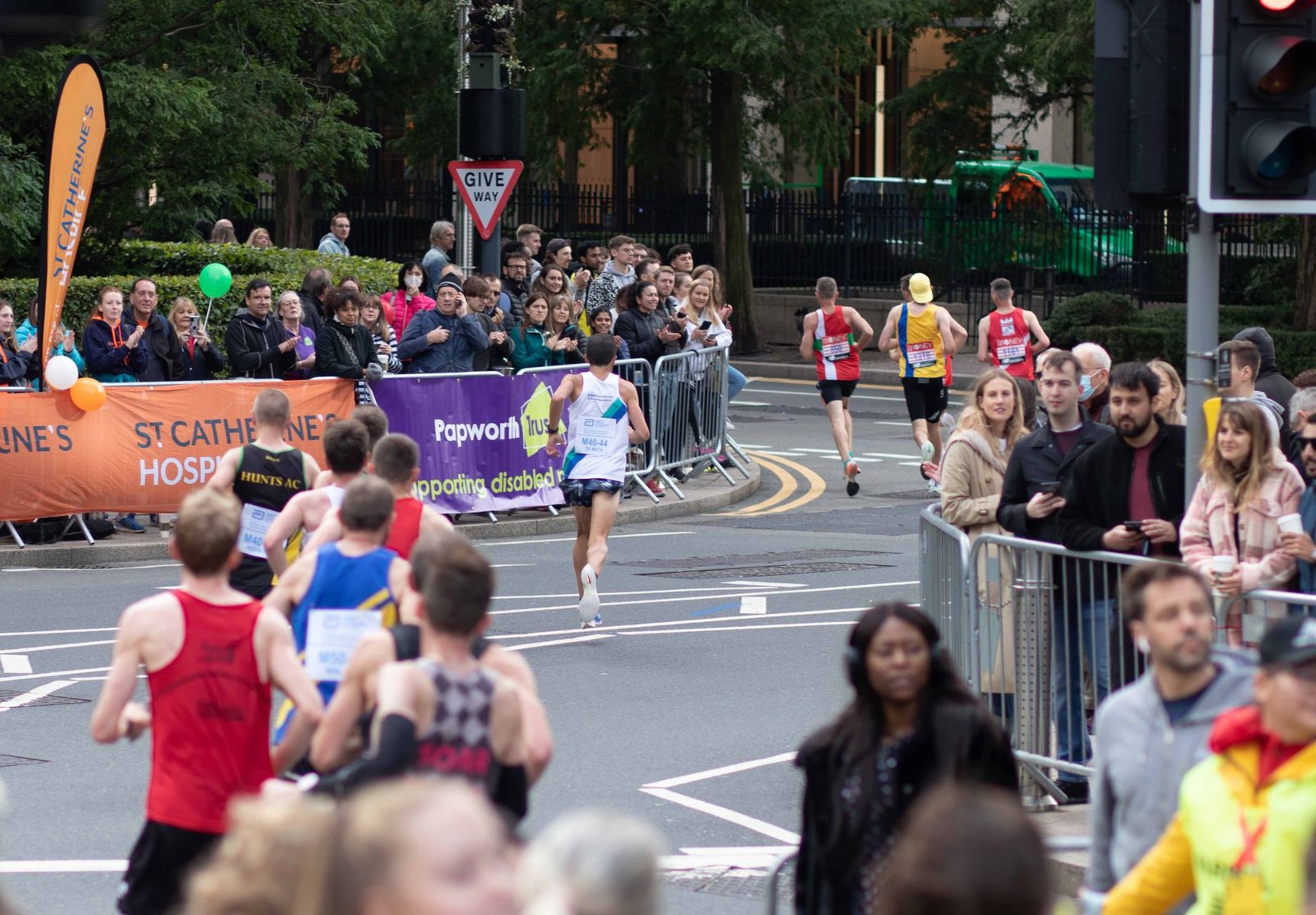
Most runners do not “run out of fitness.” They run out of fuel. That is why fueling errors are a major cause of the dreaded wall. Practice carrying and taking fluids and gels every 30 to 45 minutes before fatigue makes the decision for you.
| Race Need | When to Take | Target Outcome |
|---|---|---|
| Gel | Every 30 to 45 min | Stable energy |
| Fluids | Same intervals as gels | Prevent dehydration |
| Electrolytes | When it is warm | Reduce cramping risk |
| Carbs | Consistent intake | Support endurance |
| Practice carry | During long runs | No race-day fumbling |
Why does this matter so much in London? Because the course tempts you to get emotional, and emotion delays nutrition. If you wait until your legs feel heavy, you are already behind. Start fueling on schedule, even when you feel fine.
Hydration Is a System, Not a Sip
Hydration mistakes are rarely dramatic, which is why they persist. A few missed cups early can become a steady deficit later, and heat exposure can turn a manageable pace into a brutal effort. Plan your drink strategy, not just your speed.
Make your hydration plan match your training. If you used electrolytes in hot or humid sessions, use them in the race. If you did not, do not invent them mid-event. Your goal is to keep discomfort small and predictable, not to correct mistakes with frantic drinking at mile 20.
Taper With Intent, Not Panic
The taper should sharpen you, not scramble you. Many common London Marathon mistakes happen when runners treat taper week like retirement day: too much rest, too little movement, or last-minute “fixing” by adding extra workouts because they feel nervous.
Follow your training plan. Reduce volume and intensity as race day nears, but keep the routine alive with light sessions if they support your rhythm. You are not trying to become fitter in the last days. You are trying to arrive rested, efficient, and mentally steady.
Sleep, Then Trust Your Fitness
Sleep is the silent performance enhancer that runners underestimate. The week of the marathon is not the time to win an argument with your bed. Poor sleep worsens pain tolerance, undermines decision-making, and makes pacing harder because your brain runs out of patience.
“I’ll just sleep on the night before.” That is how people manufacture stress and then blame race logistics. Prioritize sleep, and if you want active recovery, keep it light. Your fitness is already built. Your job is to protect it.
Logistics Win the Race Before the Start
A marathon is a physical test, but it is also a logistics test. The earlier you handle travel, bib collection, and kit decisions, the less room there is for panic. Stress is not neutral. It changes how you warm up, how you breathe, and how fast you settle into rhythm.
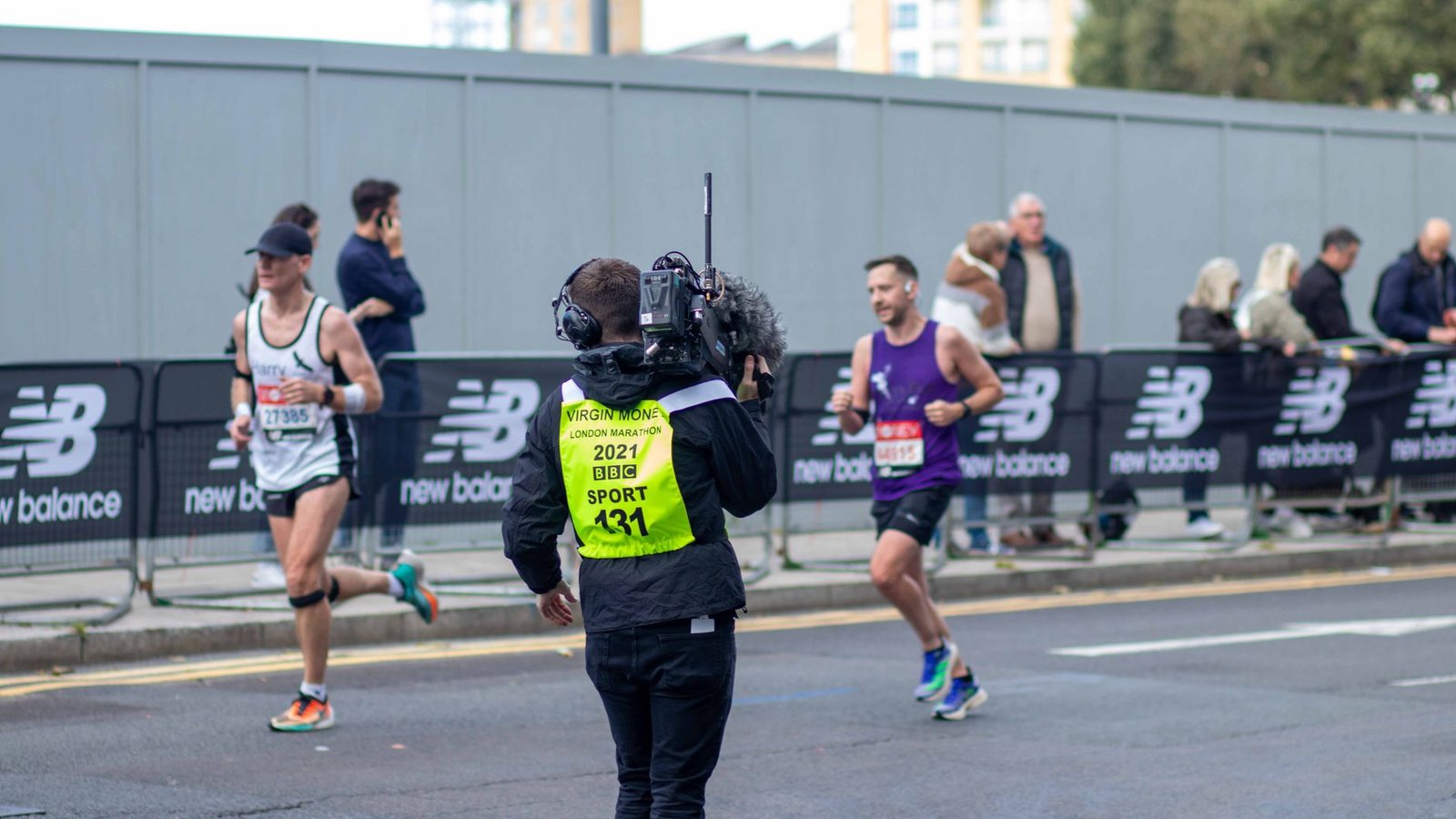
Plan your journey early enough to avoid crowding and rushing. Use a simple check list the night before. If you treat logistics as an afterthought, you will pay for it with tunnel vision at precisely the moment you need clarity.
Warm Up Calmly and Enter Your Pen Steady
Warm up like you have a job to do, not like you are trying to outrun nerves. Gentle movement, controlled pacing, and a predictable routine reduce the shock when the start cannon fires. And yes, toilets matter. Running to find one at the last minute trains your stress system, not your legs.
Enter your start pen calmly. Congestion will shape the first miles, but panic will shape your form. If you can control yourself at the beginning, you can keep fuel and pace decisions on track when the race becomes demanding.
Weather and Journey Plans Prevent Late-Stage Chaos
London weather can swing. Wind, cool air, or sudden warmth can change how your body feels at the same pace you planned. That is why your kit decision cannot be a gamble made in the morning. Plan for contingencies, including sun protection and hydration adjustments if temperatures run high.
And do not underestimate navigation. Practice the route from where you will be to the start area, and keep a backup plan. Recent race-week guidance highlights how preventable confusion creates stress that spills into pacing. When your plan survives the day’s surprises, your run becomes what you trained for, not what the moment demands.
Common London Marathon Mistakes and How to Avoid Them
Why do runners make common London Marathon pacing mistakes, and how can you avoid starting too fast?
Many runners “charge off” at a tempo they can’t hold, so base your target marathon pace on your training and long-run effort, start slightly conservative for the first few miles, and use a GPS watch to monitor lap pace and ease into goal pace.
What preparation mistakes lead to common London Marathon performance problems, and how do you train to prevent them?
Under-preparation often shows up as poor pacing control, missed long-run practice, or untested race-day routines, so stick to your plan, include realistic marathon simulations, and rehearse your strategy rather than improvising on race day.
How can you avoid common London Marathon fueling errors, and what helps prevent “hitting the wall”?
Fueling mistakes cause “hitting the wall,” so practice carrying and taking fluids and gels before you feel tired, aim for intake roughly every 30–45 minutes during long runs, and keep those same products in your race plan.
Which common London Marathon nutrition and carbo-loading mistakes should you avoid before race day?
Avoid last-minute food experiments—keep your pre-race meals familiar, test your gels and brands in training, and maintain high carbohydrate intake in the final week while using only foods you have already trialled.
How do common London Marathon tapering mistakes affect your race, and how should you adjust training?
Don’t disrupt your taper by cramming or resting too much; follow your training plan, reduce volume and intensity as race day approaches, and prioritize sleep with light active recovery if it helps you feel fresh.
What common London Marathon logistics mistakes create stress at the start, and how can you plan better?
Plan logistics early to reduce crowding and last-minute confusion: arrive with enough time to warm up gently, use toilets calmly, enter your start pen without panic, prepare for weather and kit, and test your route to the start with a backup option.
A Smarter Finish Starts Before Mile One
Common London Marathon mistakes and how to avoid them come down to one hard truth, you cannot solve race-day problems with last-minute bravery. Pace conservatively, test nutrition and kit in training, protect your taper, and lock in logistics early so your mind stays on the run, not the scramble. Run the process, and your marathon will reward you.

I am Ozan, a London-focused running writer and marathon enthusiast with a passion for helping people discover the city’s best races, running routes, walking trails, and fitness events. I research and write practical, up-to-date guides covering marathons, race preparation, training tips, running gear, and everything related to staying active in London.
My goal is to create reliable, easy-to-follow content that helps runners and walkers of all experience levels explore London with confidence, whether they’re preparing for their first 5K or their next marathon.