You are one bad snack away from a slow, flat workout, and that is exactly why carb-rich snacks for training days: simple options that travel well deserve a serious spot in your routine. The goal is simple: fuel fast with mostly carbohydrates, add a little protein for steadier support, and keep calories reasonable so you feel energized, not weighed down.
When snacks travel well, your plan stops depending on luck. Packable carbs like dates, dried fruit, a banana, or squeeze pouches are hard to mess up, and choosing the right timing matters too, with bigger carb needs a few hours before training and smaller, easy-to-digest bites about an hour before.
This article will show you practical, no-fuss options that fit real schedules, plus a quick way to build your “grab-and-go” carb strategy so you start strong and finish like you meant it.
Carbs Are the Point on Training Days
If your goal is to perform, your snack should do one job first: provide carbohydrates for quick energy. Not vibes, not “healthy” branding, not a salad that travels badly. When you prioritize carb-rich snacks for training days: simple options that travel well, you are choosing fuel that matches the demand.
Carbs show up fast in the bloodstream and help you sustain intensity, especially when the training session is hard and the clock is short. That does not mean ignore nutrition. It means you start with the right lever and then fine-tune the rest.
Timing Beats Perfection Every Time
Most people overthink ingredients and underthink timing. A snack eaten 2 to 4 hours before training can include more total carbs because digestion has time to settle. A snack eaten 30 to 90 minutes before should be simpler and easier to digest.
Ask yourself a simple question: do I need an energy bump now, or am I fueling for later? If it is now, reach for fruit, dates, or a small portion of pretzels. If it is later, a bar or oatmeal-based option can fit without turning your stomach into a debate club.
Use Portion Targets to Avoid Energy Whiplash
Portable snacks fail when portions are random. A practical target is about 150 to 300 calories and at least 15 grams of carbohydrates, with a small amount of protein. Too little carb and your session feels flat. Too many calories and you pay for it with sluggishness.
For many athletes and active people, adding a modest protein amount helps take the edge off hunger without crowding the snack with slow digestion. You want steadier energy, not a second meal in disguise.
Packability Is a Performance Skill
Convenience is not laziness. It is execution. The best carb-rich training snack is the one you actually carry, grab, and eat. That is why options like dates, dried fruit, pretzels, rice cakes, and squeeze pouches win over “technically better” homemade ideas that require refrigeration or a kitchen scale.
If you stock up and want to keep the process repeatable, high-carb snack lists can help you standardize portions on the spot.
Dates and Fruit Make the Best Travel Fuel
When you need quick carbs that travel well, Medjool dates and fruit are hard to beat. One Medjool date delivers about 100 calories and around 30 grams of carbohydrates. A banana offers roughly 27 to 31 grams of carbs depending on size, and it is naturally portioned by nature.
For people who cannot stand sticky hands, applesauce squeeze pouches are a lifesaver. Many pouches provide about 15 grams of carbohydrates and are truly grab-and-go. You get carbs with minimal mess, which means fewer excuses on busy mornings.
Dried Fruit and Pretzels Keep You Moving
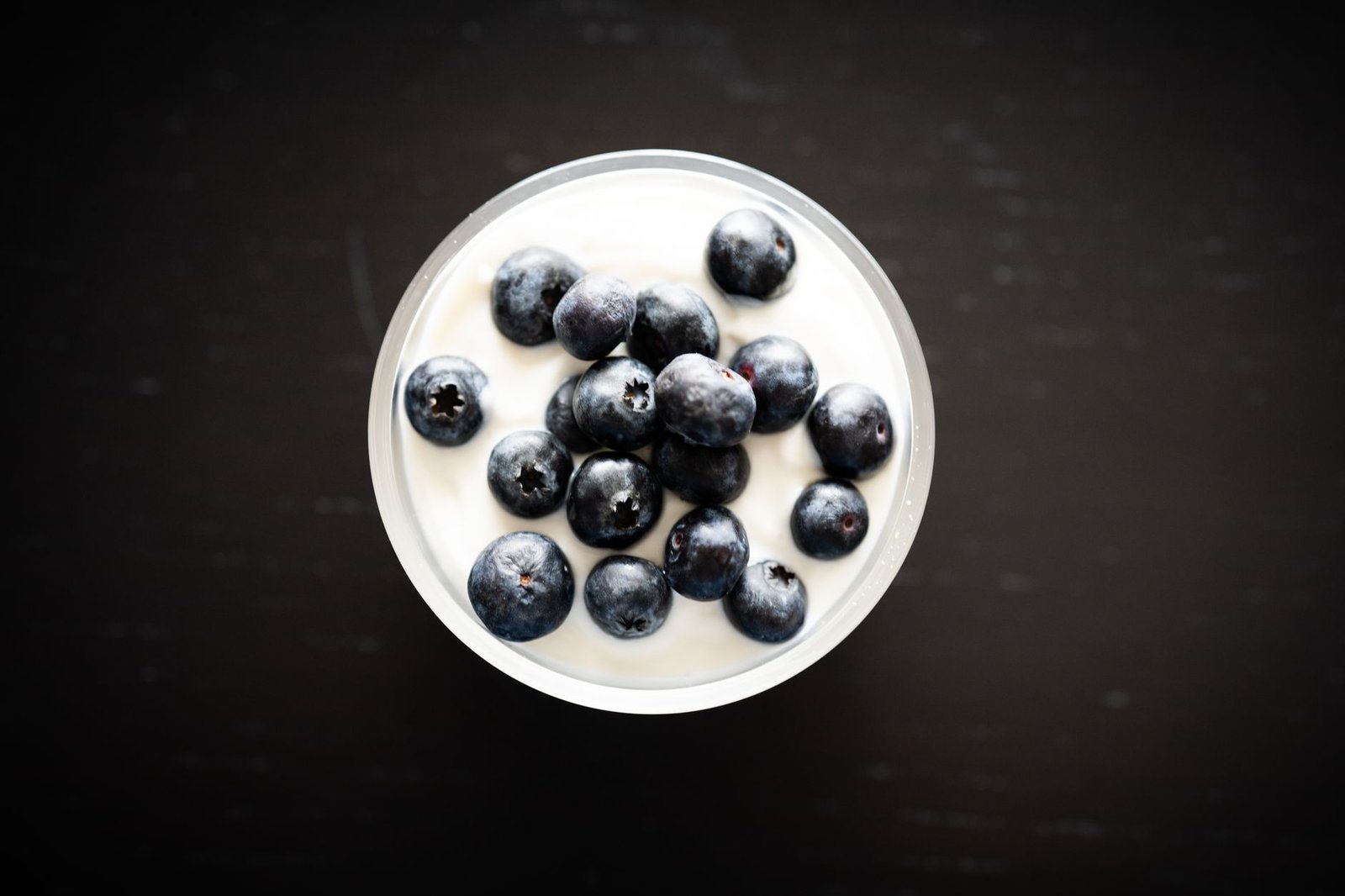
Dried fruit and pretzels are the unsung champions of training-day snacking. They are shelf-stable, easy to portion, and they deliver carbohydrates without the drama of crunching on something that crumbles in your bag. They also tend to travel well through heat, commutes, and early start times.
Here is a quick reference for common grab options. Use it to keep carb intake on track without turning every session into a guessing game.
| Snack Option | Carbs per Serving | Approx Calories |
|---|---|---|
| 1 Medjool Date | ~30 g | ~100 kcal |
| Raisins 1/4 Cup | ~30–35 g | ~120 kcal |
| Cranberries Dried 1/4 Cup | ~25–30 g | ~100 kcal |
| Mango Dried 1/4 Cup | ~20–28 g | ~90–110 kcal |
| Mini Pretzels 16 Pieces | ~23 g | ~80–110 kcal |
Notice what is missing here: fancy recipes and moral judgments. You are buying reliable carbs in a form you can carry. That reliability matters when training schedules are tight and hunger shows up fast.
Bars and Oats Work When They Are Simple
Sometimes you need something you can eat with one hand while walking to the car. That is where figure-it-out bars and portioned oatmeal cups earn their place. Many bars provide a strong carb dose, often around ~38 grams of carbohydrates, which can be exactly what you want when the session is less than a couple hours away.
For repeatable fueling, whole-grain oatmeal cups and meal-prepped overnight oats are excellent. Boost them with fruit or a measured drizzle of honey or maple syrup so the carbs are clear and predictable. The goal is not complexity. It is dependable energy.
Trail Mix Only Helps If You Build It Right
Trail mix can be either a smart carb snack or an accidental calorie trap. If you build it with dried fruit plus whole-grain cereal for the carbs, and nuts in a smaller amount for balance, it becomes a practical solution for fueling on the go.
Keep your mental checklist short: carbohydrates first, then add a little protein and fat for satisfaction. If the mix is mostly chocolate and crunchy candy, it might taste great but it will not reliably match your training needs.
Smoothies and Parfaits Turn “Later” Into Fuel
Some people do not digest solid snacks well before training. In that case, a fruit smoothie or a fruit-and-yogurt parfait can make carbs feel effortless. You can customize them with fruit, juice, milk or yogurt, and a small addition of honey or maple syrup if you need a bigger carb hit.
Between-meal fueling is where parfaits shine. Add granola or cereal for carbs and keep portions consistent. The practical win is that you can portion them before you leave and skip the scramble when hunger hits.
The Small Protein Rule Makes Carbs Behave Better
Carb-rich snacks do not need to be protein-heavy, but a little protein helps. A common guideline is that snacks should include at least a couple grams of protein, often more than 2 grams. That is enough to support satiety and reduce the spike-and-crash feeling that can follow a carb-only snack.
Opponents will argue that protein should be the priority. Sure, protein matters. But on training days, your snack timing and intensity demand carbohydrates first. Protein is the seasoning, not the main dish.
Don’t Forget Salt and Hydration Pairing
Carbs work better when your body is ready to use them. If you train hard, sweat, or do long sessions, sodium and fluid intake matter. That is why pretzels are useful, not just because they are portable, but because they bring some sodium alongside carbs.
Before you tell yourself you “just need better willpower,” consider whether dehydration is dragging your performance. A carb snack plus appropriate fluids can prevent that slow, heavy feeling that people wrongly blame on “the snack.”
Build a Travel Kit and Stop Relying on Hope
The simplest strategy is to plan a small set of go-to snacks you know work: dates, bananas, squeeze pouches, dried fruit, pretzels, rice cakes, and one reliable bar or oatmeal option. Rotate them so you do not tire of the same flavor, but keep the carb structure consistent.
When the day is chaotic, you will not be making thoughtful nutrition decisions. You will be executing what you packed. So pack your carbs on purpose, hit your timing window, and treat training-day fueling like part of training, not an afterthought.
What Are the Best Carb-Rich Snacks for Training Days That Travel Well?
Which Carb-Rich Snacks for Training Days Travel Well Without Getting Messy?
Choose portable, low-mess options like Medjool dates, raisins or dried cranberries, banana slices in a sealed container, rice cakes, pretzels, graham crackers, and applesauce squeeze pouches because they’re easy to portion and won’t leak.
How Many Carbs and Calories Should You Aim for When Choosing Carb-Rich Snacks for Training Days?
For pre-workout fueling, aim for about 150–300 calories with at least ~15 g carbohydrates and a small amount of protein (often a little over 2 g), then eat about 2–4 hours before training for larger carb needs or 30–90 minutes before for smaller, easier-to-digest carbs.
Are Dates, Dried Fruit, and Bananas Solid Carb-Rich Snacks for Training Days?
Yes—1–2 Medjool dates provide quick carbs, dried fruit offers long-lasting carbs that travel well, and a fresh banana supplies a fast, practical dose of carbohydrates, making all three good choices when you need energy on the go.
What Packaged Grab-and-Go Carb-Rich Snacks Work Best for Training Days?
Look for convenient options such as applesauce squeeze pouches, oatmeal or breakfast bars, fig or granola bars, energy bars, and pretzels or rice cakes, and pair them with water for an easy, consistent pre-training routine.
Can You Make Homemade Carb-Rich Travel Snacks for Training Days?
Absolutely—mix trail mix with dried fruit plus whole-grain cereal and nuts, or portion unsweetened oatmeal cups and pre-mix overnight oats with a little honey or maple syrup and fruit so you can grab a ready-to-eat carb source.
Are Smoothies and Fruit-and-Yogurt Parfaits Good Carb-Rich Snacks for Training Days?
They work well because they’re highly customizable and portionable: a fruit smoothie with juice or milk/yogurt and optional oats or honey can provide quick carbs, and a fruit-and-yogurt parfait with granola or cereal is a steady pre-meal or pre-workout option.
Simple Traveling Snacks Beat Complicated Plans
Carb-rich snacks for training days: simple options that travel well should be your default, not a last-minute scramble, because quick energy beats uncertainty when you are moving. Pack mostly carbs with a touch of protein, keep calories reasonable, and choose grab-and-go foods like dates, fruit cups, rice cakes, or oatmeal cups that you can eat on schedule without fuss. If your fueling fits your routine, your training will fit your life, and that is the real win.

I am Ozan, a London-focused running writer and marathon enthusiast with a passion for helping people discover the city’s best races, running routes, walking trails, and fitness events. I research and write practical, up-to-date guides covering marathons, race preparation, training tips, running gear, and everything related to staying active in London.
My goal is to create reliable, easy-to-follow content that helps runners and walkers of all experience levels explore London with confidence, whether they’re preparing for their first 5K or their next marathon.