Runner’s knee on long runs in London is mostly preventable. If you have been searching for how to prevent runner’s knee on long runs in london, here is the blunt truth: it is not fixed by willpower, it is fixed by controlling load, improving stability, and respecting early warning signs.
London makes the problem worse in subtle ways, from uneven pavement and road camber to the temptation to push through “just a bit more” on long routes. Runner’s knee often shows up when your tissues are asked to absorb more impact than they can handle, while strength and mechanics lag behind. That is why the best prevention plan is proactive, not reactive.
This article will argue for a smarter build-up: get properly fitted shoes (and address foot support if you need it), warm up before you start stacking miles, increase distance gradually, and train the muscles that keep the knee tracking well. You will also learn how to adjust form and surface choices, plus what to do if pain starts, so one bad session does not turn into weeks off your schedule.
London Long Runs Punish Knee Weakness and Bad Planning
If you want how to prevent runner’s knee on long runs in London, stop treating this injury like bad luck. Runner’s knee is usually a predictable outcome of load spikes, weak support muscles, and running choices that look normal until the pain shows up.
London does not help. Uneven footpaths, frequent turns, and a mix of pavement stiffness and crowd-dodging mechanics change how your knees absorb force. The real question is simple: will you adjust your routine like an adult, or will you keep running hard and hope the patella stays calm?
Prevention is not one trick. It is a system you follow before the pain has any power over your training calendar.
Get Fitted Shoes Before You Chase Another Marathon Block
Supportive footwear is your first line of defense because runner’s knee is sensitive to how your foot and ankle control landing. In practice, the shoe that feels fast can still fail at the job of cushioning and alignment.
Start with a proper fitting and choose shoes that match your foot type and stride. If you have foot issues, consider arch supports or inserts. And yes, shoes wear out even if they look fine. Replace them roughly after 400–500 miles and do not stretch “just one more month” into a recurring injury cycle.
When a runner blames London but ignores footwear, what are we really talking about?
Your Warm-Up Should Start the Engine, Not Waste Time
A warm-up that actually helps runner’s knee is short, steady, and purposeful. Think 5–10 minutes of brisk walking or gentle jogging before you ask for longer strides. This reduces the shock when your body switches from normal circulation to higher impact.
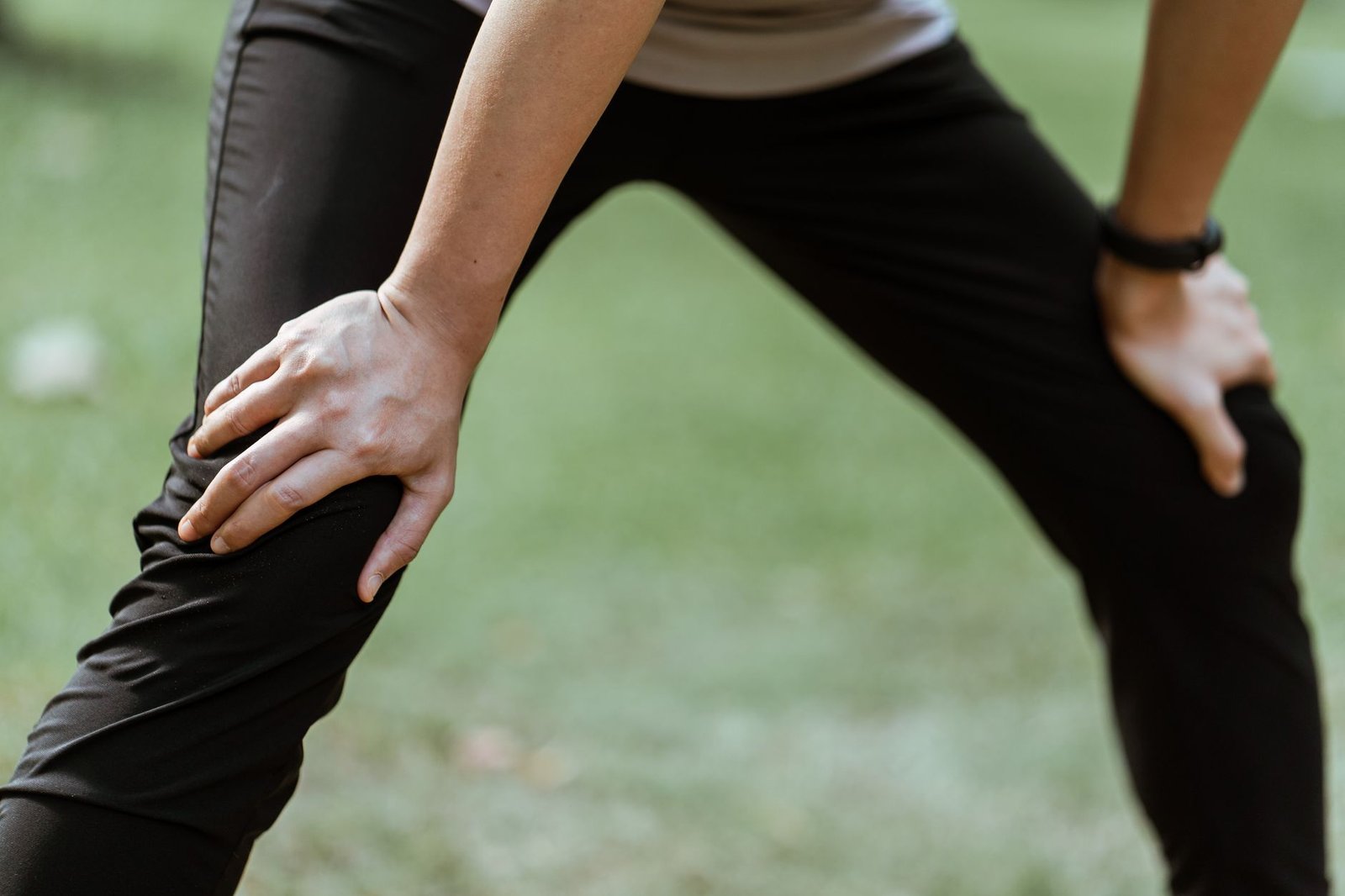
Skip the cold start and you reduce the stress your patella has to manage right away. London runners often begin outside, in damp air, over mixed surfaces. That is exactly when tissues need time to adjust.
Warm-up is not optional etiquette. It is load management, plain and simple.
Increase Distance and Intensity Like You Mean It
Most runner’s knee cases begin with impatience. You add mileage too quickly, you change the plan because you “feel good,” and then you wonder why pain arrives at the worst moment.
Progress is supposed to be boring. Pain is supposed to be rare.
Use a plan and increase gradually. Keep similar runs for several repeats before you progress, and avoid sudden additions like heavy strength volume or a big jump in long-run distance. If you are going to modify training, do it slowly enough that your knees can adapt.
Strength Training Is Not a Side Quest for Runner’s Knee
If you want long-run durability, build the muscles that stabilize the knee: quadriceps, hamstrings, calves, glutes, and a solid core. Your knee does not stand alone. It rides on a chain of support.
Two to three short sessions per week is enough for many runners. Use bodyweight or light weights: squats, lunges, glute bridges, step-ups. When appropriate, add controlled explosive work like plyometrics, but only after your basic strength is steady.
“I run a lot, so I don’t need strength.” That is not fitness, it is hope.
Cross Training Keeps Your Fitness While Lowering Overuse
Cross training reduces repetitive knee impact without forcing you to “pause everything.” Cycling, swimming, or the elliptical can keep your aerobic engine working while you calm irritated tissues.
Yoga and Pilates also matter because they support mobility and hip control, which influences knee tracking. Schedule cross training a few times a week, especially during blocks where the long run volume is rising.
Hard runs are valuable. But if they come with constant recovery debt, what is your real goal?
A Practical London Runner’s Load Checklist
Prevention works best when you run with rules you can actually follow. Here is a simple checklist that connects training choices to knee risk, including practical numbers you can track.
| Area | Target Range | Why It Matters |
|---|---|---|
| Shoe Replacement | 400 to 500 miles | Maintains cushioning and support |
| Warm-Up | 5 to 10 minutes | Prepares joints for impact |
| Load Progression | Gradual weekly steps | Lets patella tolerate force |
| Strength Frequency | 2 to 3 sessions per week | Improves knee stability |
| Cross Training | A few sessions weekly | Reduces overuse while keeping fitness |
Use this checklist as a minimum standard. If you cannot meet it, your next step is not more willpower. It is smarter training design.
Form Fixes Reduce Stress Without Killing Your Style
You do not need a new running personality. You need a few form cues that cut unnecessary knee stress. Aim for an upright posture, relaxed shoulders and jaw, head up, and eyes looking ahead. A tense upper body often shows up in the legs.
Small mechanical improvements can change how your knees track through each stride, especially on long runs when fatigue changes your landing habits. If you feel your mechanics degrade after mile after mile, shorten the stride slightly and focus on smooth, controlled foot strike.
Ask yourself this on every long run. Am I moving efficiently, or am I merely enduring?
Run Smarter Surfaces and Keep Terrain Changes Gradual
When possible, avoid hard surfaces and manage the stiffness of your training environment. London has plenty of pavement, and pavement has a way of amplifying every flaw in loading and technique.
If your route includes sudden terrain changes like steep hills or frequent turns, treat that as a training variable. Keep similar routes for a while when you are building volume, then progress to tougher terrain once strength and conditioning are ready.
Your knee does not care whether it is “one more hill.” It cares about the cumulative stress.
Do Not Run Through Pain When Runner’s Knee Starts
Runner’s knee is a pain signal, not a negotiation. If knee pain starts, stop running and rest. Running through pain often converts a manageable irritation into a longer, more stubborn problem.
Use evidence-based caution and follow appropriate guidance such as official injury guidance, then allow at least a week off from running if symptoms begin. Ice can help safely using a towel barrier, and a brace may help if a clinician recommends it.
Severe pain, swelling, or lack of improvement after about a week should trigger medical advice sooner rather than later. Why wait and pay with weeks of lost training?
Recovery Means Sleep, Nutrition, and Hydration That Actually Help
Knees recover when the body can recover. That means sleep you do not cut short and nutrition that supports tissue repair. If you are under-fueling, you are asking your knee to do extra work when it should be rebuilding.
Hydration matters too, especially on long runs through London’s variable weather. Dehydration can worsen fatigue and coordination, and fatigue is when mechanics slip and knee stress rises.
Recovery is not a reward after you suffer. It is the mechanism that keeps you injury-resistant.
Pick a Training Plan That Honors Adaptation, Not Ego
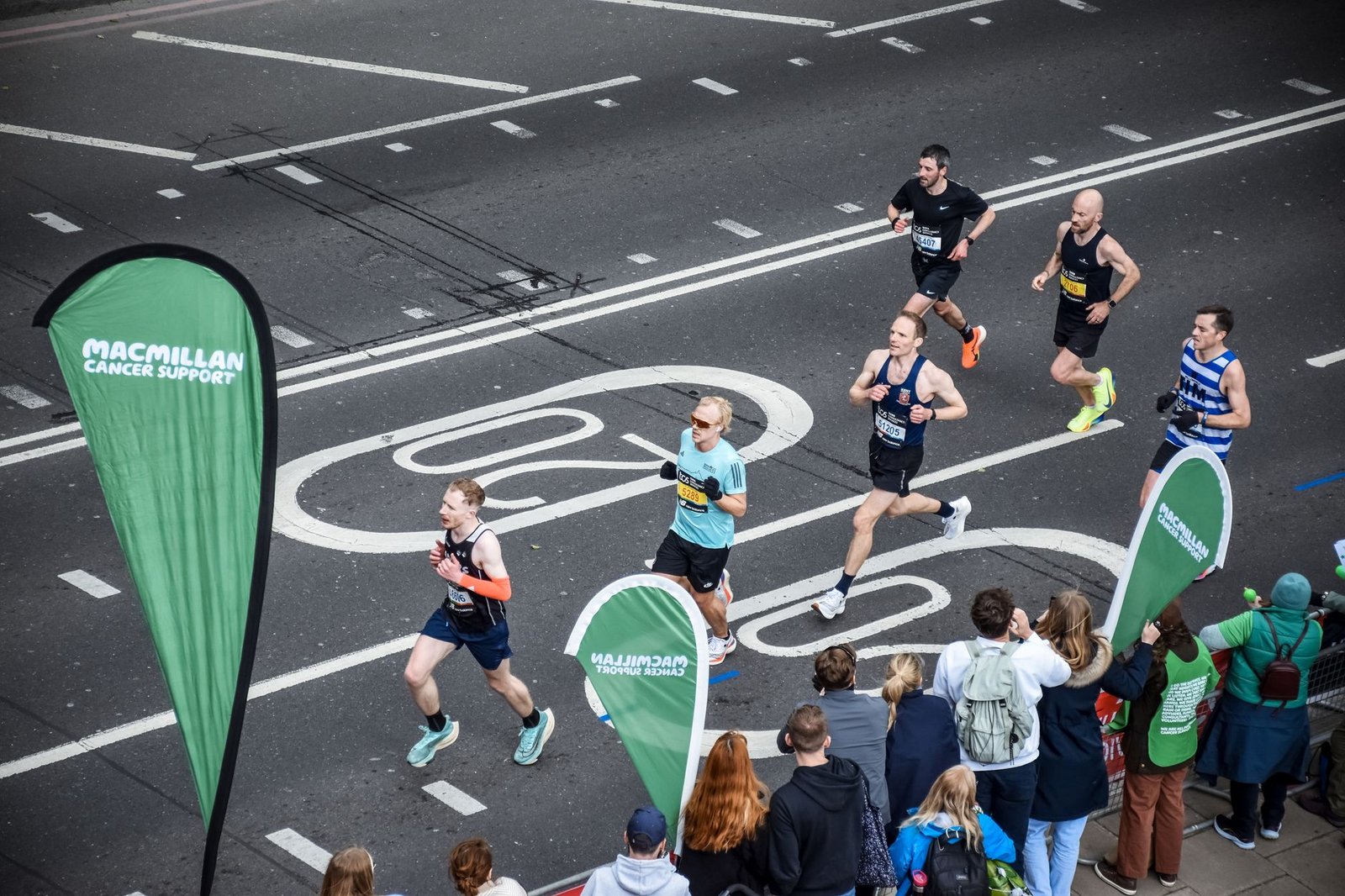
The best prevention strategy is a plan you can follow consistently. Choose workouts that include long runs, but also build in rest, easier days, and gradual progression. Avoid dramatic changes mid-block, and do not bolt on aggressive strength or high-intensity sessions just because you want to “catch up.”
Keep similar runs several times before you progress. When you want to increase intensity, do it after you earn the volume base. Ego spikes are how knees get punished.
Your long-run goal is worth protecting. Treat adaptation like it is part of the training, because it is.
See a Physio Early When It Stops Improving
Self-care is useful, but it has limits. If pain is severe, swollen, or not improving after a short window, get help. A physiotherapist can guide targeted exercises and a recovery plan that matches your specific mechanics and strength gaps.
In London, that matters because runners often keep changing routes, trainers, and surfaces. A clinician can help you stop guessing and start applying a plan that reduces recurrence.
Do not wait until you cannot train. Get the right assessment early, keep your fitness, and return to long runs with confidence.
How Can You Prevent Runner’s Knee on Long Runs in London?
What Footwear Helps Prevent Runner’s Knee on Long Runs in London?
Get fitted for supportive running shoes that match your gait, replace them when they’re worn (often around 400–500 miles), and consider arch supports or inserts if you have foot alignment issues.
How Should You Warm Up and Cool Down to Reduce Runner’s Knee Risk?
Warm up with 5–10 minutes of brisk walking or gentle jogging, then progress gradually into your target pace, and cool down afterward with easy running or a walk plus light stretching to help calm the knee.
What Training Plan Prevents Overuse and Sudden Increases That Cause Runner’s Knee?
Increase mileage and intensity slowly using a structured plan, keep runs similar for several sessions before progressing, and avoid sudden changes like adding heavy leg strength, big distance jumps, or new workout intensity all at once.
Which Strength Exercises Best Support Runner’s Knee During Long Runs?
Train the muscles that control the knee—quads, hamstrings, calves, glutes, and core—2–3 times per week using exercises like step-ups, glute bridges, lunges or squats (as tolerated), and add plyometrics or explosive work only if your form and pain levels stay stable.
How Do Running Form and London Route Surfaces Affect Runner’s Knee?
Aim for an upright, relaxed posture with a steady cadence and avoid overstriding, and when possible choose less punishing surfaces or routes for recovery days since hard or uneven surfaces can increase knee load.
When Should You Stop Running and Get Help for Runner’s Knee Pain?
If pain starts during a long run, stop and rest (at least a week), don’t “run through” sharp or worsening pain, use ice safely with a towel barrier, and seek GP or physio advice if symptoms are severe, swollen, or don’t improve after about a week of self-care.
Stop Knee Pain Before It Starts
If you want an answer to how to prevent runner’s knee on long runs in London, you need a simple, consistent plan: get properly fitted shoes, warm up and cool down, increase mileage gradually, build strength in your quads, glutes, and calves, and pay attention to form instead of chasing faster splits. Ignore those basics and you are just inviting overuse, so treat prevention like training and adjust early at the first sign of pain.

I am Ozan, a London-focused running writer and marathon enthusiast with a passion for helping people discover the city’s best races, running routes, walking trails, and fitness events. I research and write practical, up-to-date guides covering marathons, race preparation, training tips, running gear, and everything related to staying active in London.
My goal is to create reliable, easy-to-follow content that helps runners and walkers of all experience levels explore London with confidence, whether they’re preparing for their first 5K or their next marathon.