Your race plan should control your effort before adrenaline starts doing it for you. If you skip that discipline, the early miles feel smooth right up until they suddenly stop matching your goal, especially when congestion and crowd energy pull you off your target.
That is why London Marathon race-plan zones work so well, when they are built around effort boundaries early. Instead of letting the first 10 km set the tone, you pre-decide how easy you will feel from the start, then you gradually “tighten” into marathon pace through the middle stretches without chasing every surge in the pack.
The smartest mindset is simple: run to effort, not excitement. From there, you can use later sections to either protect your rhythm or press forward, turning the course’s changing terrain and crowds into a controlled advantage rather than a test you never planned for.
Adrenaline Is a Budget You Should Spend Later
Setting london marathon race-plan zones, set effort boundaries early is not about personality or superstition. It is about economics. You cannot spend adrenaline at mile 3 and expect the same engine at mile 23.
The early kilometers feel easy for a reason. Crowds swell, crowds move, and your body believes the story. But belief is not pacing. If you treat the first miles like they are part of your peak, you will buy a collapse with interest later.
Start Too Easy or Pay Interest
What happens when you “feel good” early? You run faster than your plan, and fast becomes your new normal. Then fatigue turns every decision into a scramble. That is the classic unraveling pattern.
If you can’t explain your first 10 km in effort terms, you don’t have a race plan. You have a hope.
This is why the first zone exists. It guards you from the one thing every London Marathon runner faces: adrenaline-driven denial.
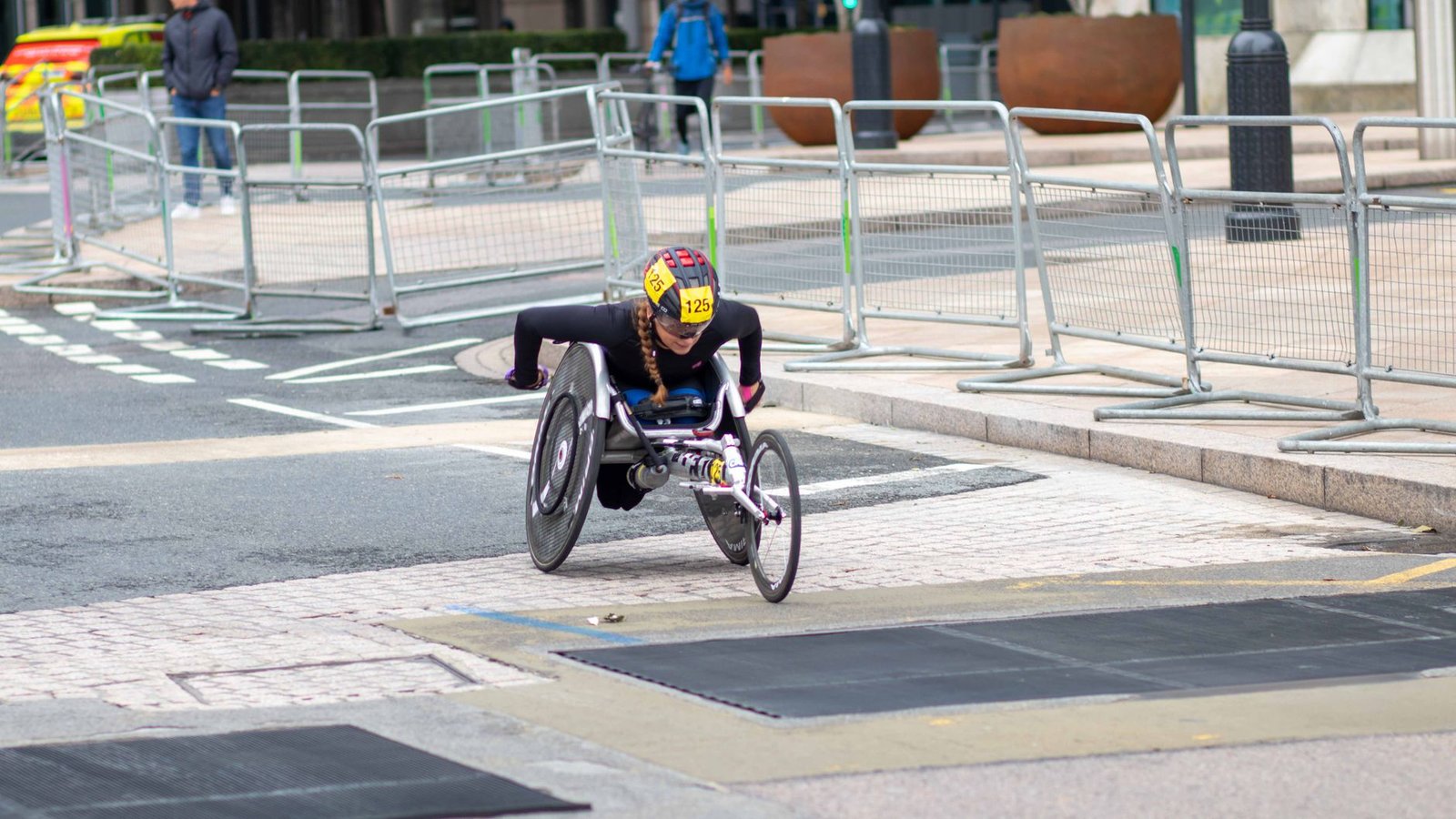
Zone 1 Miles 1 to 6 Embarrassingly Easy
Your instruction for Zone 1 is simple and uncomfortable. From miles 1 to 6, aim to feel “embarrassingly easy”, roughly 10 to 15 seconds per mile slower than marathon pace. That slower number is not a suggestion. It is a seatbelt.
Ask yourself a hard question. Do you want to be brave with your legs, or brave with your ego? Zone 1 asks you to be disciplined, not timid. You should finish mile 6 thinking you could still talk without sounding out of breath.
Zone 2 Miles 6 to 18 Controlled Marathon Pace
Zone 2 is where the plan becomes real. Through miles 6 to 18, settle into controlled marathon pace and resist the urge to chase every surge from the side of the road.
The course helps you and tempts you. The early downhill, the Canary Wharf lead-in, and the Tower Bridge area all encourage speed. Use that momentum to stay smooth, not to prove something. Controlled means you can repeat it for long enough to matter.
This is also the zone where your stride should look and feel consistent. If your cadence spikes or your breathing climbs, you are already spending adrenaline that belongs later.
Zone 3 Miles 18 to 22 Run to Effort and Pass
Zone 3 is where most runners either execute or unravel. From miles 18 to 22, you run to effort, not a public pace target, because this is the window where conservative pacing lets you pass people who went out too hard.
The counterargument is tempting. “If I just squeeze a bit more pace now, I will gain places.” But this is exactly where gains turn into losses. When pacing breaks at 18 to 22, the rest of the marathon feels like a slow argument with your muscles.
So keep your effort honest. You should feel strained but not frantic. That difference decides whether the late miles feel like work you chose or work you can’t control.
Zone 4 Miles 22 to 26.2 Turn Crowds into Work
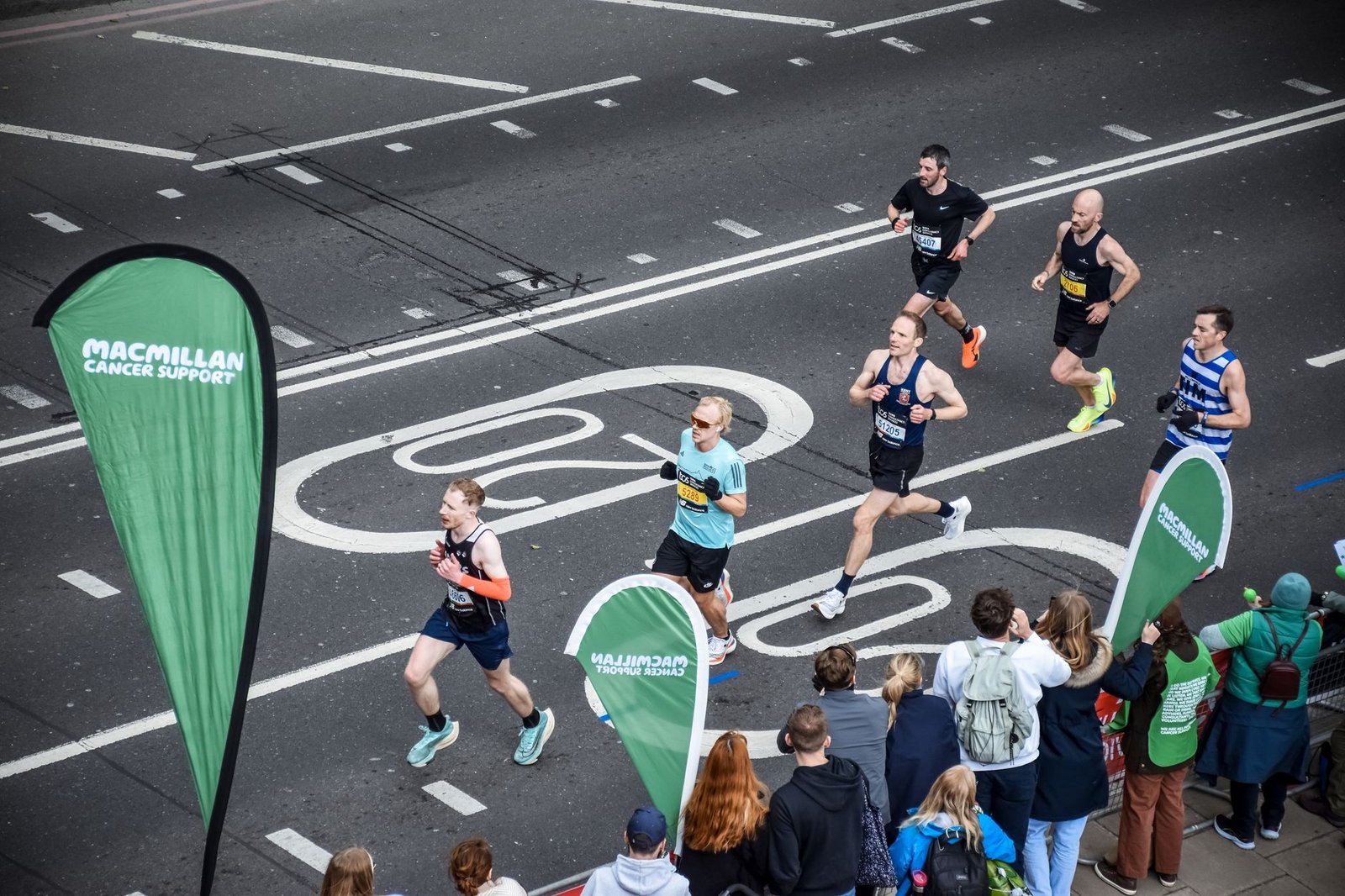
This is the payoff zone. From miles 22 to 26.2, use the Embankment crowds to push forward with intent. You are not chasing random fireworks. You are converting noise into output while your plan stays intact.
To make the zones feel automatic on race day, keep a simple boundary table in your pocket mind.
| Zone | Miles | Effort Boundary |
|---|---|---|
| 1 | 1 to 6 | Embarrassingly Easy 10 to 15 sec per mile slower |
| 2 | 6 to 18 | Controlled Marathon Effort |
| 3 | 18 to 22 | Run to Effort Don’t gamble on pace |
| 4 | 22 to 26.2 | Push With Crowds Stay aggressive |
| Finish | 26.2 onward | Gentle Acceleration Not a last-second sprint |
When you’ve held the boundaries earlier, this zone stops feeling like punishment. It becomes the moment you finally get to move with conviction, because you saved the match.
GPS Lies in Canary Wharf So Use Effort Splits
Technology is useful, but it is not your coach. GPS pace errors are real, especially when the course layout and signal conditions turn your watch into a guesswork machine.
That is why you should plan for manual or effort-based splits rather than letting your device dictate emotion. If you want a course-specific reference, pacing guide can help you sanity-check your assumptions before race day.
In Canary Wharf, track effort, not just numbers. If the effort stays correct while the pace wanders, your plan is still working.
Training Makes the Zones Automatic, Not Hopeful
Your race-day execution should not be a negotiation with yourself at mile 12. It should be a continuation of training patterns you practiced long before the start gun.
Build that automation with progressive long runs that steadily climb to a peak roughly 20 to 22 miles around weeks 11 to 12. Most running should remain easy, about 65 to 75% of max heart rate, so your body learns to tolerate the early discipline.
- Practice Zone 1 effort on long runs, not just on short tempos
- Use back-half marathon pace segments to train restraint and control
- Rehearse the same split logic weeks before taper, not on race morning
Marathon Pace Miles Must Live in the Back Half
If marathon pace only happens when you feel fresh, you are training a fantasy. The real marathon requires steadiness when your brain wants a bailout.
That is why marathon pace miles belong in the back half of long runs. This timing forces controlled rhythm under fatigue. It also conditions you to trust effort boundaries even when the legs protest.
Progress is not just speed. It is your ability to stay calm while time keeps moving.
Tempo and Threshold Build the Late Surge
Long runs teach endurance, but tempo and threshold teach the specific ability you need for Zone 3 survival and Zone 4 aggression. Midweek work gives you the muscular and metabolic vocabulary for running hard without falling apart.
Keep the focus sharp. Tempo and threshold are not excuses to “go by feel every time.” They are training sessions that sharpen your capacity so your effort boundaries hold under pressure.
Yes, some people prefer randomness in training. But if you want a reliable late-marathon push, you do not build it with randomness. You build it with deliberate intensity and recovery that lets that intensity stick.
Fuel and Hydration Protect Your Effort Boundaries
Pacing is a system, not a single lever. If fuel and hydration are off, your effort boundaries become a cruel trick. You will either spike your perceived effort or slow down early without understanding why.
So treat nutrition like part of the plan. Your goal is to keep effort stable through the zones, especially as fatigue rises between miles 18 and 22. If your stomach pays the price, your race-plan zones cannot do their job.
On race day, execute what you practiced. Nothing derails effort boundaries faster than a last-minute fueling experiment.
Negative Splits Win the Medal and the Memory
The final mindset is straightforward. A negative-split mindset means you gently accelerate late because you paced well, not because you panicked early.
From the moment you hit Zone 4, let the plan carry you. Use the crowds from miles 22 to 26.2 to push, then finish with a controlled late acceleration that feels like momentum, not desperation.
Afterward, you will remember not just the finish line, but the discipline that got you there. That is the real reward of london marathon race-plan zones, set effort boundaries early.
London Marathon Race-Plan Zones: Set Effort Boundaries Early to Avoid Adrenaline Drag
How should you structure London Marathon race-plan zones from miles 1 to 26.2?
Use effort-based zones: start “embarrassingly easy” for miles 1–6, settle into controlled marathon pace for miles 6–18, switch to an effort-led push for miles 18–22, then take advantage of the Embankment crowd to drive home from miles 22–26.2.
Why do you need to set effort boundaries early in the London Marathon, and what should they feel like?
Because adrenaline makes early pacing easy to overshoot, your first effort boundary should feel significantly slower than goal marathon pace—comfortable and controlled—so you protect your later fuel and avoid “unravelling” near the middle miles.
How do you run the early downhill, Canary Wharf lead-in, and Tower Bridge area without chasing crowd surges?
Stick to a controlled effort through miles 6–18, treat downhill and route changes as opportunities to stay calm, and focus on what your body is doing rather than reacting to momentary pace spikes around crowded segments.
Should you run by pace or effort for miles 18 to 22 in the London Marathon?
Run by effort for miles 18–22, using conservative pacing to pass people safely rather than trying to “catch” them—this is the segment where going out too hard most often leads to a late collapse.
How can you use Embankment crowds from miles 22 to 26.2 to push to the finish?
Once you’ve managed the earlier boundaries, increase commitment through Embankment using steady pressure, keeping form efficient and effort consistent so the crowd energy turns into forward motion rather than another pace surge.
How should you practice the London Marathon pacing strategy weeks in advance?
Plan progressive long runs that peak around 20–22 miles, keep most running easy (about 65–75% max heart rate), add marathon-pace work in the back half of long runs, include tempo or threshold sessions midweek, and rehearse effort/manual pacing to limit GPS-induced pace errors.
Set Effort Boundaries Early And Keep Control
London marathon race-plan zones, set effort boundaries early is the difference between a smooth, runnable plan and a first-weekend adrenaline disaster. Go out with “embarrassingly easy” control, lock into your marathon effort before the race tempts you to chase crowds, shift to effort-based passing when fatigue arrives, and then earn your late push with a well-practiced negative split mindset. Plan it in training weeks ahead and you will finish stronger, not just faster.

I am Ozan, a London-focused running writer and marathon enthusiast with a passion for helping people discover the city’s best races, running routes, walking trails, and fitness events. I research and write practical, up-to-date guides covering marathons, race preparation, training tips, running gear, and everything related to staying active in London.
My goal is to create reliable, easy-to-follow content that helps runners and walkers of all experience levels explore London with confidence, whether they’re preparing for their first 5K or their next marathon.