
Big carb-loading binges the night before the London Marathon are overrated, and they often backfire. The goal is not to stuff yourself, it is to leave race day feeling hungry, comfortable, and fueled.
For the evening before, choose a small, carbohydrate-heavy dinner that is low in fibre and fat, and eat it nice and early. Think easy-to-digest staples like pasta or rice with tomato-based sauce, or potatoes with lean protein, and go light on creamy, heavy dishes.
Keep it simple and familiar, then plan to wake up hungry. If you have a carb-loading window over 2 to 3 days, build your carbs gradually with smaller meals rather than one huge dinner, and avoid anything new or fibre-heavy that could increase gut discomfort.
Stop Treating Carbs Like a Mystery
If you want better london marathon carb intake for evening before race day, you do not need a nutrition doctorate. You need a repeatable plan that matches how your body actually uses carbs: to top up glycogen so your early pace feels controlled instead of desperate.
Carb loading fails most often because people overcomplicate it. They chase “perfect macros,” then panic when their stomach disagrees. That is backwards. Keep it simple, and your routine becomes easier to execute when adrenaline and nerves show up.
A Small Early Dinner Beats a Midnight Binge
For the evening before the race, the goal is not to gorge. It is to eat a small, carbohydrate-heavy dinner that is low in fibre and fat, served nice and early so it digests well. You are trying to arrive at race day with steady fuel, not with a heavy stomach.
Ask yourself a blunt question: do you want your last meal to feel like comfort or like a trap? If you bet on comfort, you choose a portion you can finish confidently and then forget. That is how you help yourself wake up feeling hungry, which is exactly what you want before breakfast.
Use the 85 to 95 Percent Rule for the Window
In the broader 2 to 3 day carb-loading window, the simplest principle works: make 85 to 95 percent of calories carbohydrates. That is not magic math. It is practical fuel planning for glycogen storage.
Most runners do best aiming for roughly 8 to 12 grams of carbs per kilogram per day. For a 70 kg runner, that is about 560 to 840 grams per day. You do not need to hit a number perfectly. You need to consistently tilt your day toward carbs.
Spread Carbs Across the Day so Energy Stays Smooth
A big evening binge can be one of the fastest ways to wreck your carb-loading plan. If you cram most of your carbs into one sitting, you invite GI stress, and you reduce the chance that you are calmly topping up glycogen.
Instead, spread carbs across the day in 5 to 6 smaller meals. You do not have to gamble; the simplest approach follows marathon carb timing advice from nutrition experts about starting early and building gradually.
Carbs for the Evening Must Be Easy to Digest
Tonight food should be familiar, low residue, and gut-friendly. Think pasta or noodles with tomato sauce, and keep creamy sauces light or skip them entirely. Cream plus nervous system plus pre-race nerves is a bad combination.
Potatoes or rice paired with lean protein can also work well, especially if the meal is not enormous. The standard you are aiming for is clear: low fibre, low fat, and not too much. This is not a meal to impress anyone. It is a tool to manage your body.
Staples Beat Experiments and Confetti Flavors
If you want to keep it simple, your menu should be built from staples you already tolerate. The evening before the race is not the time for “new-to-you” sauces, unusual spices, or fancy topping experiments that might be delicious, but might also be unpredictable.

Use this kind of checklist when choosing your dinner so your london marathon carb intake for evening before race day stays steady and stomach-safe.
| Evening Choice | Fibre Level Target | Timing Target |
|---|---|---|
| Pasta with tomato sauce | Low, under 3 g per serving | Eat 3 to 4 hours pre-sleep |
| Rice with lean protein | Low, under 2 g per serving | Finish 2.5 to 3.5 hours before bed |
| Potatoes with broth and turkey | Low, under 3 g per serving | Finish at least 3 hours before sleep |
| Plain noodles with simple sauce | Low, under 2 g per serving | Leave a digestion window of 3 hours |
| White bread with lean topping | Low, under 2 g per serving | Eat earlier than you think you need |
What about those “healthy” add-ons like big servings of fibrous veg? Skip them. Fibre-heavy foods can increase GI risk when you are already loading carbs and trying to sleep.
New Foods Are a Risk You Can Avoid
Every runner has a story about a “small treat” that turned into an uncomfortable night. That is why your evening menu should come from your training log, not your curiosity.
But what if I try something once and it works? The problem is that the evening before the marathon is a low-control environment. You cannot fix GI issues at midnight. So the rule is firm: do not try anything new. Repeat what you know.
Wake Up Hungry That Means Fueling Worked
It feels counterintuitive, but waking up hungry on race day is a sign you did your carb-loading correctly. If you wake up stuffed, you likely pushed too late, ate too much, or chose foods that sat in your stomach.
Your job is to make breakfast boring and reliable because you are already fueled. Hunger sets you up to eat what you planned, absorb it, and start with confidence instead of heaviness.
GI Stress Is Usually a Timing Problem
When runners complain that carbs “did not agree with them,” the root cause is often timing and meal composition, not carbs themselves. A high-fibre, high-fat dinner eaten late can trigger nausea, cramping, or bathroom urgency.
So if you have ever suffered pre-race GI issues, learn the real lesson: adjust portion size, keep meals earlier, and choose low-fibre options. Remote work productivity planners learn this as well. When you control inputs and timing, outcomes improve. The same logic applies to your gut.
Common Mistakes People Call Carb Loading
Many “carb-loading” attempts are actually just random eating. They skip the window, they binge the night before, or they shove in fibre because it feels virtuous.
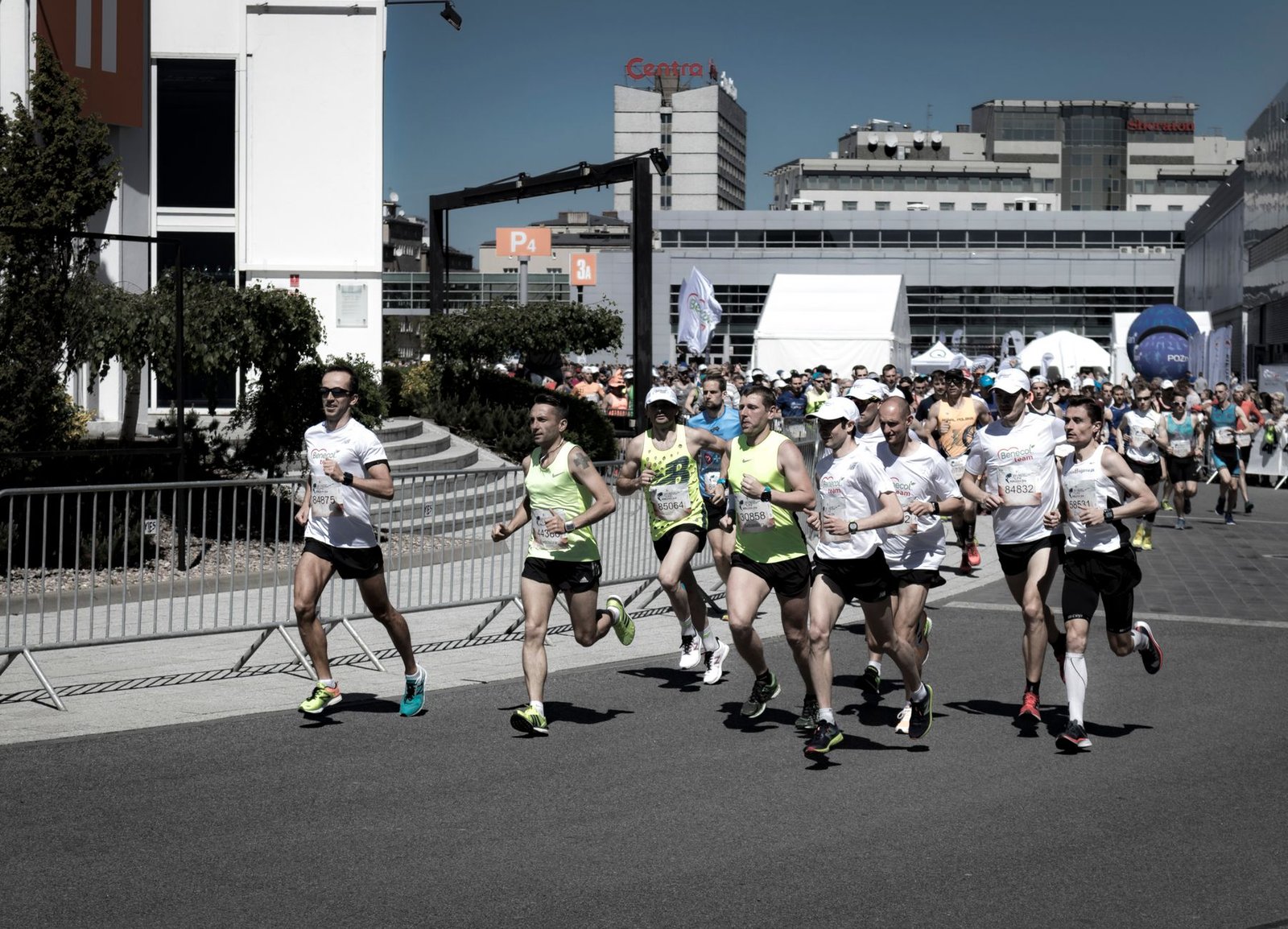
Here are the errors that most often derail london marathon carb intake for evening before race day plans:
- Waiting until the last evening and then overeating carbohydrates.
- Keeping fibre high with fruit, vegetables, or whole grains when you want low fibre.
- Choosing rich, creamy, or high-fat meals that slow digestion.
- Trying new foods “for variety” right before the biggest effort of the year.
Adjust for Your Body Size and Your Training Reality
Carb targets should respect your body size and your tolerance. The guideline of 8 to 12 g carbs per kg per day gives you a strong starting point, but you still need to consider what your stomach has already accepted during long runs and training weeks.
In practice, that means using the numbers as a range and the experience as the filter. If you know you struggle with very large meals, your carb-loading should still be carb-forward but portion-smart. The objective is glycogen support, not a stomach workout.
Keep It Simple Enough to Execute
The best carb-loading plan is the one you can follow without bargaining with yourself at the last minute. If you build your dinner from familiar low-fibre, low-fat carbs and you eat it early, you reduce the variables that cause GI surprises.
Keep it simple: choose an easy-to-digest meal, go easy on creamy sauces, avoid fibre-heavy foods, eat earlier, and do not try anything new. That is not a compromise. It is the smartest way to protect your energy on race day.
Keep Your London Marathon Carb Intake Simple the Evening Before Race Day
What should my London Marathon carb intake be in the evening before race day?
Have a small, carbohydrate-heavy dinner that is low in fibre and fat, eaten early enough to digest well so you wake up feeling hungry for race day.
Should I eat a huge meal the evening before the London Marathon?
No—avoid “carb-loading” with a large binge meal, and instead choose a modest portion that helps top up glycogen without increasing the risk of stomach upset.
How early should I eat my evening before London Marathon dinner to digest properly?
Eat it nice and early (well before bedtime), keeping the meal simple and familiar so it digests comfortably and you don’t feel weighed down when you sleep.
How should I carb-load in the 2–3 days before the London Marathon, without overcomplicating it?
Over the 2–3 day window, aim for about 85–95% of your calories from carbohydrates and spread carbs across the day in 5–6 smaller meals rather than relying on one big evening.
What carb amounts should I target for London Marathon carb intake during the 2–3 day window?
A practical target is around 8–12 g of carbohydrates per kg of body weight per day, which for many runners works out to roughly 560–840 g per day if you’re about 70 kg.
Which low-fibre foods are best for the evening before the London Marathon?
Choose easy-to-digest options like pasta or noodles with tomato sauce (go easy on creamy sauces), or rice and potatoes with lean protein, and avoid fibre-heavy choices like large portions of fibrous fruit and vegetables.
Keep It Simple The Night Before
For the London Marathon, your best move is straightforward: follow this london marathon carb intake for evening before race day, keep it simple by choosing a small, carbohydrate-focused dinner that is low in fibre and fat, eaten early enough to digest, and then going to bed expecting to wake up comfortably hungry. Do not experiment, do not overeat, and trust the basics that protect your stomach while topping up your energy.

I am Ozan, a London-focused running writer and marathon enthusiast with a passion for helping people discover the city’s best races, running routes, walking trails, and fitness events. I research and write practical, up-to-date guides covering marathons, race preparation, training tips, running gear, and everything related to staying active in London.
My goal is to create reliable, easy-to-follow content that helps runners and walkers of all experience levels explore London with confidence, whether they’re preparing for their first 5K or their next marathon.