Most runners do not struggle at the London Marathon because they lack training, they struggle because they underpack for London’s fast-changing conditions. If you build your race-day plan around a real checklist instead of hoping for “maybe good weather,” you will feel calmer, move better, and avoid the miserable distractions that rain, wind, and temperature swings create.
This is where a smart London Marathon Gear Checklist pays off. Pack layers that can breathe when it warms up and protect you when it turns cold, add a lightweight rain option that can actually handle drizzle, and bring small weather fixes like sunglasses for glare and a compact umbrella for sudden showers. Most importantly, include the boring essentials that save your legs and feet, like blister-safe shoes and socks, plus spare socks for when wet ground or sweat changes the situation instantly.
Then think beyond the start line. You need quick-access items for the waiting period, reliable hydration and snacks for fueling, and comfortable recovery clothes for after you cross. When your packing choices are organized around every weather scenario, you stop guessing, start executing, and let the race be the only variable you have to manage.
Stop Guessing About Weather
Your london marathon gear checklist should not be built on hope. It should be built on weather reality: London changes fast, and runners pay for every wrong assumption in time, comfort, and focus. If the forecast shifts from mild to damp in a few hours, your plan must flex just as quickly.
Here is the editorial truth: what to pack for every weather scenario is mostly about deciding your three layers of protection before race day even starts. Weather is the opponent, and your kit is your tactics.
Yes, you can overpack. But you can also underpack and lose the race before the gun goes off. The goal is not maximum gear. The goal is correct gear.
Rain-Proof Your Commitment
People panic about rain and then buy the wrong rain stuff. Don’t. What you need is an ultralight rain jacket that is waterproof or, at minimum, water-resistant, plus a small packable umbrella for the wait and walking segments. A poncho can work in a pinch, but a jacket keeps your posture and stride more natural.
When rain starts, friction and insulation stop behaving normally. That is why your rain plan is also a comfort plan. If your jacket is breathable, you reduce that soaked-sweat feeling that drains performance.
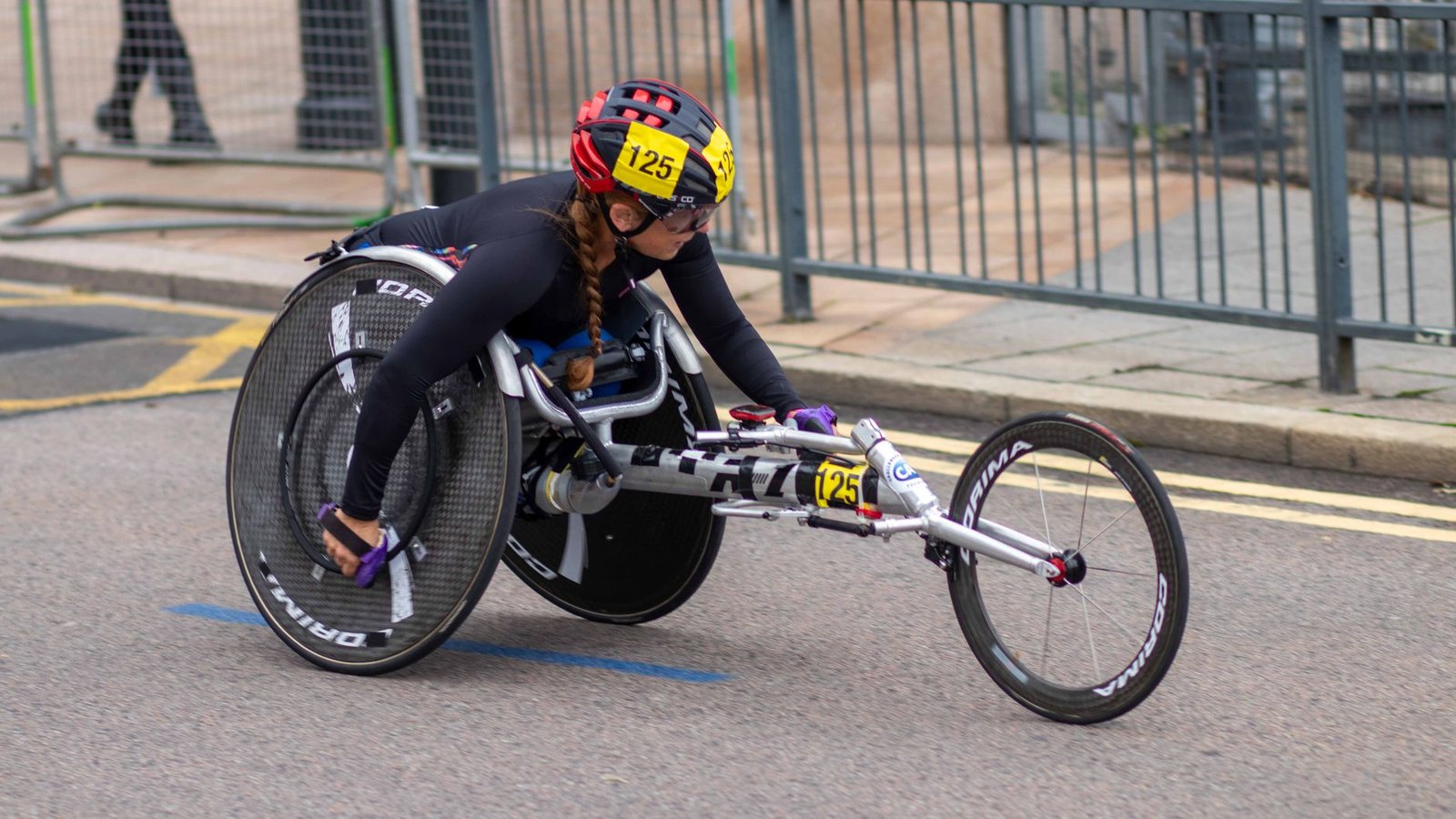
- Ultralight, breathable rain jacket
- Packable umbrella for Greenwich Park waiting
- Quick-dry layers that don’t turn into a wet weight
Sunlit Wind Still Drains You
London can feel bright and warm right up until the wind cuts through. That is when runners who only packed for cold end up overheating, and runners who only packed for sun end up with wind-chill discomfort. The fix is to treat sunshine and wind as separate issues.
Bring sunglasses and a mini sunscreen even if clouds roll in. Why gamble with eyes and skin when a small bottle solves the problem? Add breathable running layers you can vent, not thick pieces you cannot regulate.
Layering Beats One-Size Packing
One-size packing is how people end up either freezing for the start or cooking before the first mile. Layering wins because you can adjust without changing your whole kit. Start light if conditions seem mild, then secure quick warmth as the race build-up begins.
For milder weather, pack light layers. For colder snaps, bring a combination of tights, long sleeves, and a jacket with quick-drying fabric. If the conditions turn darker, consider reflective elements so you are visible during early morning movement.
Counterpoint Some runners think layers are extra hassle. But without layers, you are stuck in one temperature mode for hours. Which risk is bigger?
Cold-Weather Extras That Actually Work
Unseasonably cold turns marathon morning into a full-body test. If it is chilly enough, you need gloves and a beanie. Not because you want the look, but because you want circulation and warmth where you actually feel it.
Keep these extras easy to stow. You are not trying to run a winter expedition. You are trying to survive the wait, stay comfortable, and then shed warmth when your body finally warms up.
- Gloves to protect hands during standing and walking
- Beanie for head warmth when the air feels sharp
- Quick-drying gear so heat changes do not create clammy overload
Blister Prevention Is the Real Race Strategy
Every runner understands the obvious risks, but most fail to treat blister prevention as a strategy, not a hope. Choose shoes and socks that have already proven themselves. New gear can feel fine in the shop and then betray you after dozens of minutes on uneven ground.
Blisters are rarely “bad luck.” They are friction plus moisture plus time. This is why your london marathon gear checklist should prioritize sock fit, proper materials, and routine readiness. For a practical weather-aware view, use this quick table to match conditions to friction risk and change timing.
| Weather Situation | Friction Risk | Change Timing |
|---|---|---|
| Dry and cool | Moderate | Check after mile 10 |
| Mild with sweat | Moderate | Switch socks before race start |
| Light rain | High | Keep spare socks ready |
| Heavy rain | Very High | Use backup clothing immediately after |
| Wet ground seating | High | Plan disposable cover option |
Practical takeaway If you build your kit around fast changes and pre-tested fit, you stop treating pain as inevitable. You control it.
Some will argue that blisters are just part of racing. That belief is lazy. Your skin is not a gamble. It is a system you can protect.
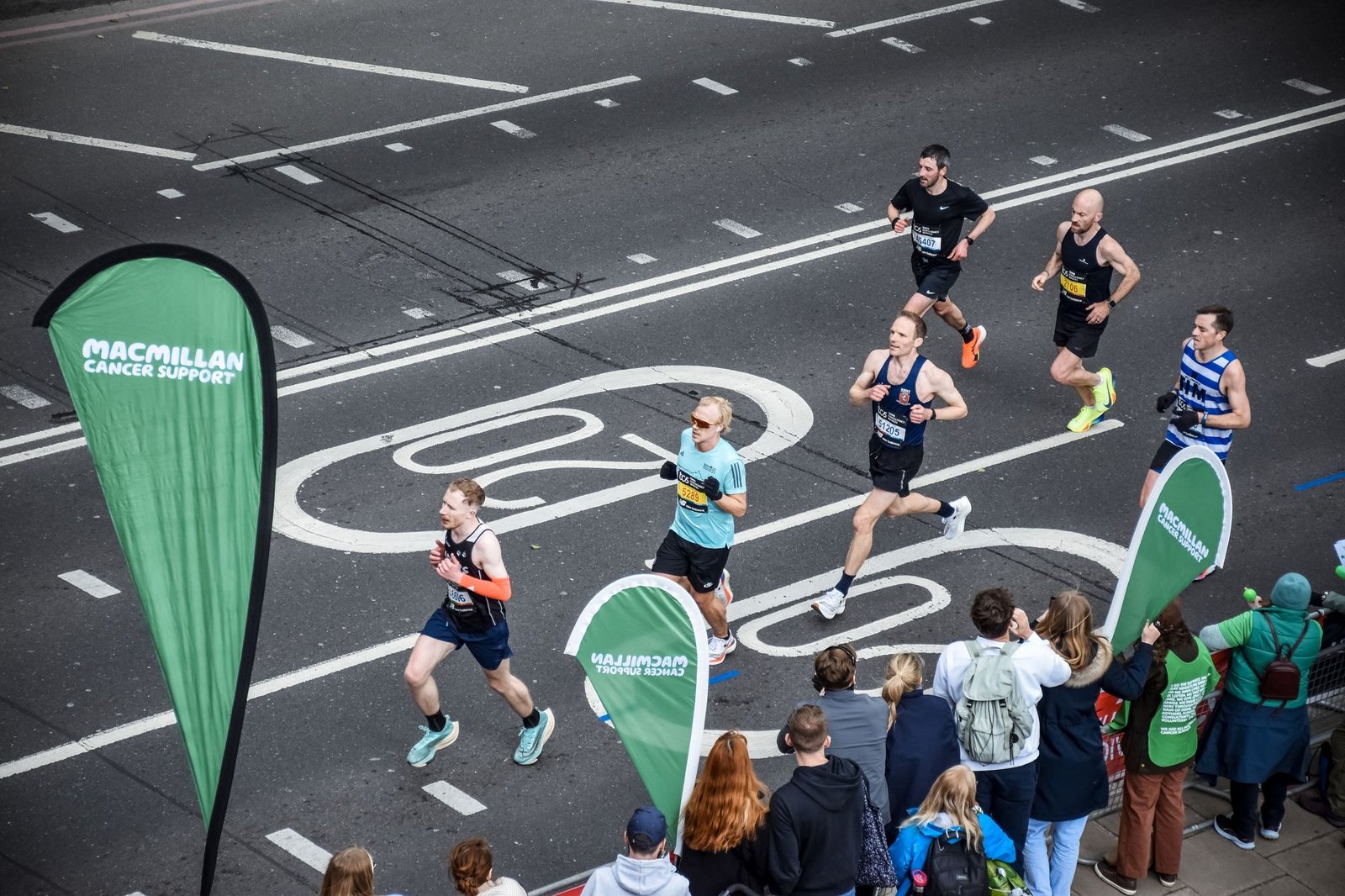
Socks and Spare Options for Wet Ground
Even if your shoes are perfect, the ground can ruin your day. London rain and damp grass can soak through faster than you expect. Pack spare socks, and include options in different heights so you can match footwear and conditions without improvising.
Also pack a disposable or backup solution for sitting on wet ground, like a garbage bag or a poncho. It sounds trivial until you are shivering in soaked clothing during the wait, or stuck with cold fabric after the finish.
This is the difference between “I prepared” and “I managed.” Preparation feels quieter, but it pays off loudly at the moments that matter.
Travel Clothing for Warming Up and Reset
Before the race, you need clothing for warming up and for the uncomfortable transitions. Bring at least one non-race outfit you can use to get warm, plus a loungy sweatshirt for colder turns when you are not moving fast enough to generate heat.
After the race, treat recovery clothing as non-negotiable. Pack soft change-of-clothes such as fresh socks and pants, and consider a zip hoodie that is easy to remove and can be left to charity. Add a fresh pair of sunglasses or a hat if the weather and sweat have done their work.
Fuel and Hydration Before You Reach the Start
Don’t let race morning turn into a scramble. Have snacks and hydration that suit you and travel well: granola, candy, a bagel, and fruit options work because they are simple to digest and easy to portion. Carry your own fuel too, because there may be limited nearby options.
Hydration planning includes practical items. Even if you get a bottle at the expo, bring your own small bottle so you are not dependent on logistics. And remember: nerves and adrenaline change how your body handles thirst and hunger.
For staging and packing priorities, many runners rely on packing list guidance when they map out what to carry from expo to start.
Mind Your Stomach and Nerves
Race anxiety can show up as an upset stomach. That is not weakness. It is physiology. Include antacid support such as Tums or Pepto, and prefer chews if you might travel through TSA. This is the kind of item you hope you never need, yet you will thank yourself for when your nerves spike.
Bring tissues and wipes. You will use them for sweat cleanup, gel residue, and quick refreshes. Cleanliness is not cosmetic. It is comfort, and comfort keeps you moving smoothly through the day.
- Antacid help for nerves and upset stomach
- Tissues and wipes for quick cleanup
- Mini plan for how you will handle gel stickiness
Power and Tech Keep the Day Smooth
Staying powered is not about gadget obsession. It is about communication, timing, and avoiding avoidable stress. Pack a power bank with the right charger, and make sure you know you have the correct cables for your devices.
If you need to charge at the start area, a universal outlet adapter can save you. This is one of those “rarely used, devastating when missing” items. Add it once, and you buy calm.
And yes, bring safety and practical extras too: hair ties, anti-chafing, and nipple covers if you use them. Deodorant can double as a stick for some needs, but don’t assume one product covers everything.
Organize for Fast Access and Wet-Seat Survival
Organization is performance. If you cannot reach what you need quickly, you will be stuck making decisions while cold or distracted. Put jackets with pockets where you can access nutrition easily. Keep your essentials grouped so you can move through your routine without rummaging.
Consider a black bag at the start to sit on if it rains. It is a simple barrier that prevents damp grass from becoming a cold distraction. And for the post-finish scramble, include a clear path to change into recovery clothing without delay.
Your kit should behave like a system: protect you from weather, prevent friction problems, and support refueling and reset. That is what a truly effective london marathon gear checklist delivers.
London Marathon Gear Checklist: What to Pack for Every Weather Scenario
What Should You Pack in a London Marathon Gear Checklist for Fast-Changing Weather?
Bring breathable base layers, a packable mid layer, and a weather-appropriate outer option so you can add or remove clothing quickly as temperatures and wind shift.
Which Rain Gear Items Should You Bring for the TCS London Marathon?
Carry an ultralight water-resistant or waterproof rain jacket, plus sunglasses and a small packable umbrella, and consider quick-drying accessories like reflective elements if conditions turn gray.
How Do You Choose Running Layers, Gloves, and a Beanie for Cold or Windy Conditions in London?
Opt for light layers when it’s milder, but switch to tights and long sleeves with a jacket for colder months, and pack gloves and a beanie for unseasonably chilly or windy weather.
What Footwear and Socks Help Prevent Blisters on Marathon Day?
Use race-ready shoes and socks that you’ve tested, pack spare socks in at least one extra pair, and bring a backup plan for wet ground with something like a disposable poncho or bag to sit safely.
What to Pack for Race Morning: Hydration, Snacks, and Quick-Access Essentials?
Include your hydration plan, easy snacks, and carryable fuel, plus a mini sunscreen, tissues or wipes, and any stomach support you may need while waiting, so you can access items fast in the start-area.
What Travel and Recovery Clothing Should You Include After the London Marathon?
Pack at least one non-race warm-up outfit, a comfortable post-race layer like a sweatshirt, and recovery clothes for after (fresh socks and bottoms), along with a simple zip hoodie you can remove easily if you’re not using it later.
Pack Smart for London Weather Every Step
Use this london marathon gear checklist, what to pack for every weather scenario as your non negotiable plan: prioritize a reliable base layer system, a true rain layer you can run in, and quick drying extras like spare socks and a disposable sit on wet ground option, then add race morning essentials like fuel, hydration, sunscreen, and wipes so weather swings never control your pace.

I am Ozan, a London-focused running writer and marathon enthusiast with a passion for helping people discover the city’s best races, running routes, walking trails, and fitness events. I research and write practical, up-to-date guides covering marathons, race preparation, training tips, running gear, and everything related to staying active in London.
My goal is to create reliable, easy-to-follow content that helps runners and walkers of all experience levels explore London with confidence, whether they’re preparing for their first 5K or their next marathon.