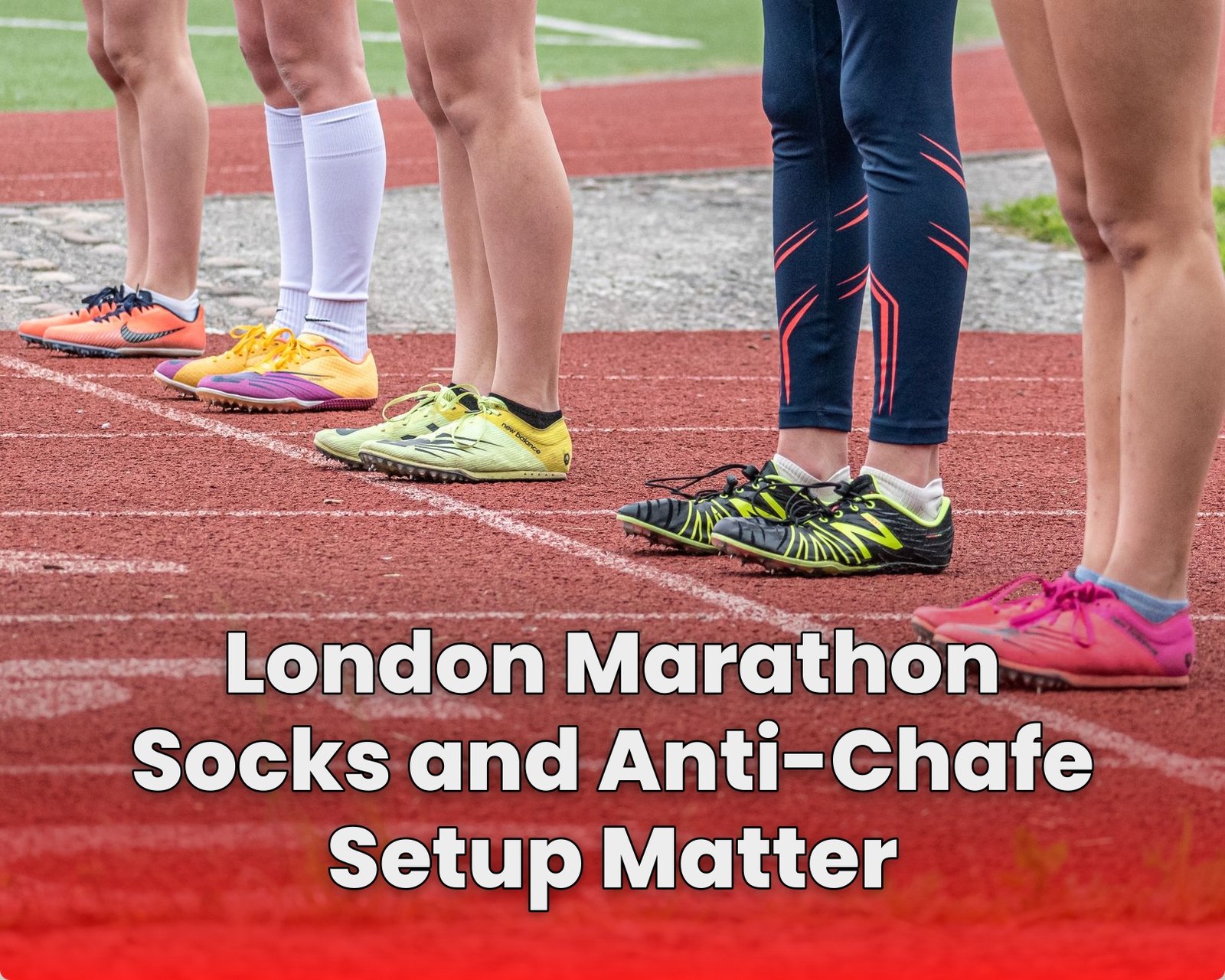
Hot spots do not happen by luck, they happen because you ignored friction. On marathon day, your performance is decided long before the starting gun, by how well your kit protects your skin. If you treat socks and anti-chafe as an afterthought, you are gambling with blisters that no training plan can erase.
A smart London Marathon socks and anti-chafe setup starts with preventing rubbing, not reacting to it. Choose well-fitted, sweat-wicking technical socks with minimal seams, and build a protective layer where irritation usually starts. Apply anti-chafe balm or lubricant to clean, dry skin on your known high-risk spots, and cover enough area so it actually stays put while you move.
Then plan for real race conditions, because wet routes and long efforts amplify problems fast. Use moisture control when needed, tighten anything that bounces, and reapply anti-chafe if you are getting soaked. Most importantly, do not ignore the first sting, stop briefly, smooth or adjust, and fix the setup immediately so a hot spot never gets the chance to become a blister.
Hot Spots Are Predictable, So Act Like It
The london marathon socks and anti-chafe setup: reduce hot spots before they start is not luck. Heat, sweat, and friction hit the same contact points for the same runner every race. If you have ever felt a repeat sting by mile 3, you already know your pattern.
Why wait for pain to confirm what your body already reported in training? Identify your personal hotspots and treat them proactively, because chafing is a process, not a surprise.
Fit Beats Fabric Marketing Every Time
Loose clothing and oversized socks create micro-movements that turn sweat into sandpaper. Technical fabrics can wick moisture, but only a well-fitted garment limits sliding, bunching, and rubbing.
If your kit moves when you jog, it will move when you fatigue. Adjust during warm-up, not after the first blister forms.
Seams and Tags Are Small, Until They Aren’t
Even one raised seam can concentrate pressure over a long distance. That is why seamless/tagless or flat-seamed gear matters, especially on inner thighs, underarms, and where bra bands and pack straps sit.
“It is only a tiny seam” is the most expensive thought on race day. Replace friction points in training, when returns are possible and irritation is manageable.
Balm Placement Wins the First Half Hour
Anti-chafe balm is not a magic eraser. It is a barrier, so it must be applied to clean, dry skin on known high-risk areas: inner thighs, nipples, underarms, bra band or clasp points, waistband, toes, and any spot where a strap rubs.
For practical guidance on chafe prevention, runners and clinicians often stress the same principle: coverage should stay put under motion. Apply enough to prevent friction contact, and reapply if conditions are very wet or you have a long interval without it.
Moisture Control Changes the Equation
Chafing accelerates when skin stays damp and garments trap moisture. Sweat-wicking materials help, but they do not eliminate moisture. That is why powder can be useful when sweat is heavy, particularly for areas that repeatedly feel slick.
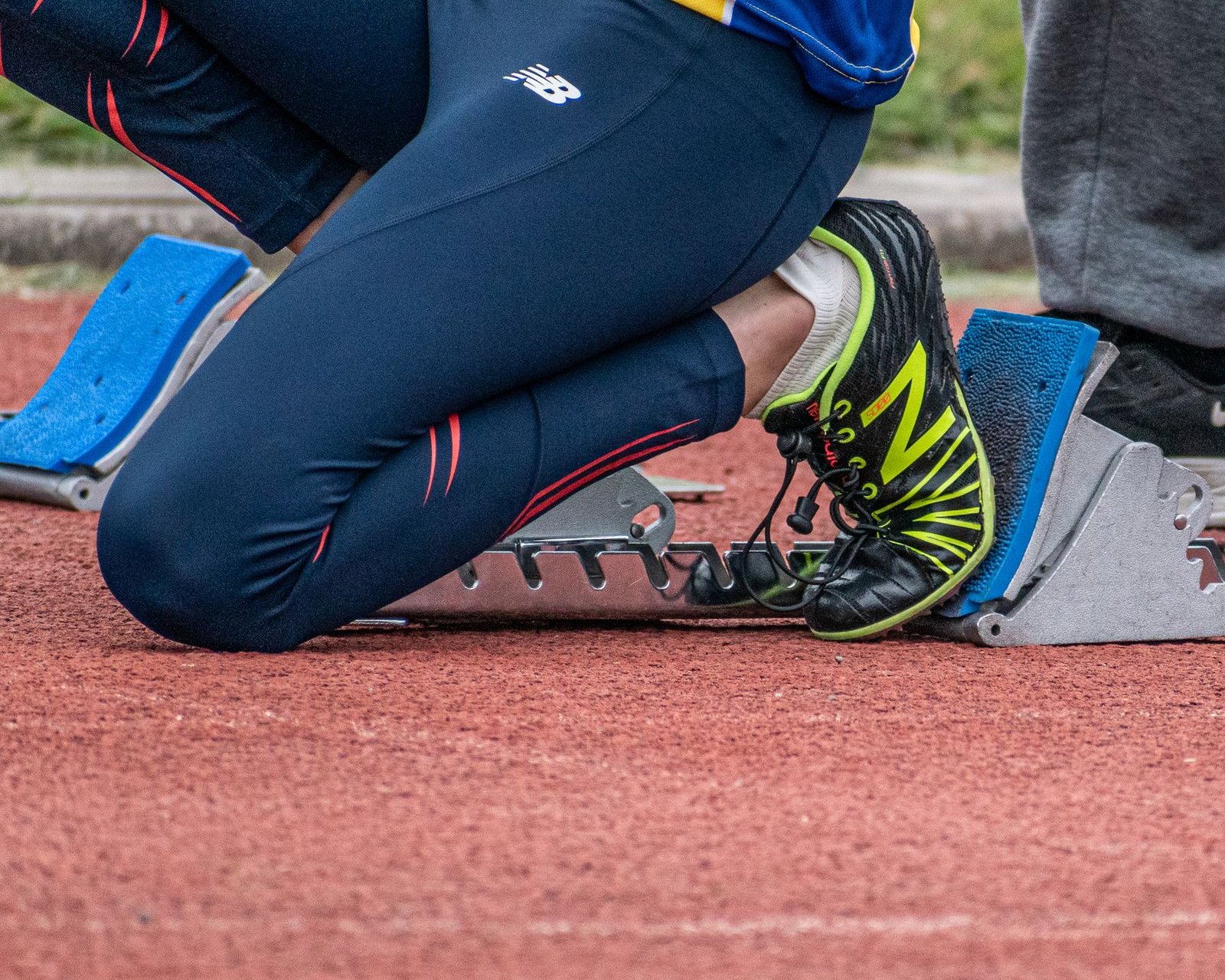
Do you want less friction, or do you want to fight it once the hot spot already started? Absorb moisture first, then protect with a barrier.
Socks Need Structure, Not Extra Padding
London marathon socks and anti-chafe setup fail most often at the feet. Choose socks that fit closely without wrinkles and avoid thick cotton that holds moisture. Running socks with smooth interiors reduce sliding, and better sock construction helps keep toes aligned during each stride.
| Zone | Common Failure | Fix That Fits Race Day |
|---|---|---|
| Toe Box | Wrinkles rub | Close fit, no creases |
| Heel | Heel slip | Snug heel cup |
| Between Toes | Moisture pooling | Drying materials |
| Midfoot | Seam pressure | Smooth, low-seam socks |
| Race Conditions | Puddles and soak | Fast-dry sock choice |
Your socks should feel secure by the time you hit the first kilometer, not gradually improve after the first hour. If your route includes puddles, prioritize socks that drain and dry quickly, and consider additional protection where you have historically blistered.
Dress for How You’ll Feel After Ten Minutes
Your kit should not be chosen for the start line mood. Dress for the reality after 10 to 15 minutes when sweat builds and fabric shifts. If layers slide once wet, they will chafe harder as the race lengthens.
Try on and move hard before race morning. If you see shifting in motion, you already have your answer.
Stop Bounce With Straps That Actually Stay Put
Packs, belts, and shoulder straps can create repetitive friction even when everything looks fine in the mirror. Tighten gear to minimize bounce, and treat contact points like they are part of your skin protection plan, not an afterthought.
Here is the logic: bounce creates shearing forces. Shearing turns a mild hot spot into a blister by late miles. Reduce bounce early and you cut the risk curve.
Tape Predictable Flare Points Before They Flare
When an area reliably ignites, you do not negotiate with it. Use taping or dressings designed for staying on during exercise, especially nipples and pack-rub spots. The key is secure placement and skin readiness.
Known trouble zones deserve known solutions. Training tells you where friction starts, so your race plan should mirror that evidence.
Keep Skin Dry Where It Matters Most
Anti-chafe products work best on dry skin. If you apply balm after sweat is already present, you reduce its ability to bond as a barrier and you increase the chance of slippage.
After warm-up, re-check high-risk areas and adjust. Even a small wipe and quick dry can be the difference between comfort and constant “almost fine” irritation.
Early Stinging Is a Stop Signal, Not a Stubborn Moment
Do not ignore early warning signs. If you feel a sting or a hot spot, stop briefly, even for around 30 seconds. Smooth or adjust clothing and straps, then reapply balm or switch to a dry layer if it is safe to do so.
Comfort in the last third of a marathon is built in the first third of discomfort.
That quick intervention prevents a small irritation from becoming a blister that dictates your pace and your thoughts.
Make Your Plan Stick Before London Day Arrives
Your best anti-chafe setup is the one you practiced under real conditions. Run in the same socks, shoes, and kit system you plan to wear on race day, and test your balm routine on the exact areas that have historically caused trouble.
If you change anything on race morning, you gamble with fit, moisture behavior, and contact pressure. Prepare now so your body can focus on running, not repairing skin.
How to Set Up London Marathon Socks and Anti-Chafe to Reduce Hot Spots Before They Start?
What London Marathon socks help prevent hot spots and blisters?
Choose close-fitting running socks in sweat-wicking, technical fabric, and avoid loose, ill-fitting cotton; look for minimal wrinkles and no thick seams across the toes so friction stays low, and consider socks that drain and dry quickly if puddles or wet weather are likely.
Where should you apply anti-chafe balm or lubricant to reduce hot spots before they start?
Apply a generous protective layer to clean, dry, known high-risk areas where fabric or gear rubs, such as inner thighs, nipples, underarms, bra band or clasp points, waistband, toes, and any spot where a pack strap or belt shifts, reapplying if conditions are very wet or after long intervals.
How can you set up your kit to reduce friction and hot spots before the London Marathon?
Start with well-fitted, sweat-wicking technical layers, prefer seamless/tagless or flat-seamed items to limit rubbing, and tighten straps and clothing so there’s minimal bounce during the first miles, since movement changes quickly once you’re warm.
Should you use powder for moisture control to prevent hot spots during the London Marathon?
If sweat and moisture are a problem, using powder can help absorb excess moisture and reduce the slippery-to-grabby cycle that drives friction, then follow it with balm or lubricant on contact points that reliably flare.
How do you stop pack or strap rubs with an effective anti-chafe setup?
Identify predictable rub zones where straps or a race vest contacts your skin, then protect them with staying-power anti-chafe balm or exercise-safe dressings/taping, and make adjustments before the start so straps sit securely and don’t migrate as you move.
What should you do if you feel a sting so a hot spot doesn’t turn into a blister?
Don’t ignore early warning signs; stop briefly, smooth or adjust clothing and straps, and reapply balm or lubricant to the spot (or switch to a dry layer if that’s safe), so the irritation doesn’t progress and cause a full blister.
Get Hot Spots Under Control With The Right Socks And Anti Chafe Setup
If you want a smoother London Marathon, your london marathon socks and anti-chafe setup: reduce hot spots before they start has to be more than a last minute tweak. Prevent friction with well-fitted, sweat-wicking layers, load known hot zones with anti-chafe balm on clean, dry skin, and choose running socks that stay close and wrinkle free. Then adjust early at the first sting so irritation never gets time to escalate. Commit to this setup, and you give your legs the best chance to finish strong, not in pain.

I am Ozan, a London-focused running writer and marathon enthusiast with a passion for helping people discover the city’s best races, running routes, walking trails, and fitness events. I research and write practical, up-to-date guides covering marathons, race preparation, training tips, running gear, and everything related to staying active in London.
My goal is to create reliable, easy-to-follow content that helps runners and walkers of all experience levels explore London with confidence, whether they’re preparing for their first 5K or their next marathon.