
Most runners blame their form when the real bottleneck is ignored: the best glute activation routine for smoother running mechanics should be quick, specific, and matched to what your stride actually demands. When your glutes do not “switch on” before you run, your body compensates elsewhere, and that is where the stiffness and uneven mechanics start.
I’m convinced the fix is not more stretching or random core work, but a pre-run activation that wakes up both the power side of your glute max and the stability side of your glute med. Do it slowly, control every rep, and squeeze at the top so your hips learn to push off and stay level while your foot strikes and rolls through.
In practice, you can use a simple under-10-minute routine and repeat it consistently before runs: start with a banded glute bridge to drive extension, add clamshells for pelvic control, use standing hip hitches for smoother hip loading, and finish with crab walks to keep that stability under tension. Stick with 2 sets per exercise, then translate the activation into your run by staying tall and “pushing the ground backward,” letting your glutes do the work instead of your back or hamstrings.
The Best Glute Activation Routine Starts With One Goal
If you want smoother running mechanics, your glute activation routine must do one job first: turn glutes on before you ask them to propel you. Not after. Not “sometime during the run.” The nervous system needs a clear signal so hip extension and hip stability show up when your feet hit the ground.
Glute max drives the push off. Glute medius keeps your pelvis level so your stride stays efficient instead of collapsing inward. When activation is sloppy or missing, runners often compensate with hamstrings, hip flexors, or a shaky pelvis. That shows up as wasted energy and a stride that feels harder than it should.
Why 10 Minutes Beats Guesswork
A pre-run routine works because it is short enough to stay consistent and specific enough to create immediate motor priming. Ten minutes is the sweet spot: long enough to recruit the right muscles, short enough that you do not fatigue yourself before the run.
Do it immediately before every run, or every morning on training days if your schedule is chaotic. The goal is reliability, not heroics. If you turn this into a daily ritual, your mechanics will stop swinging between “on” and “off.”
Pick Exercises That Match How You Run
Activation is not random warm-up. It should mirror the movement demands you repeat thousands of times: hip extension for toe-off and frontal-plane control for pelvic stability. That is why the best glute activation routine for smoother running mechanics uses exercises that cue extension and abduction control without turning the set into a cardio class.
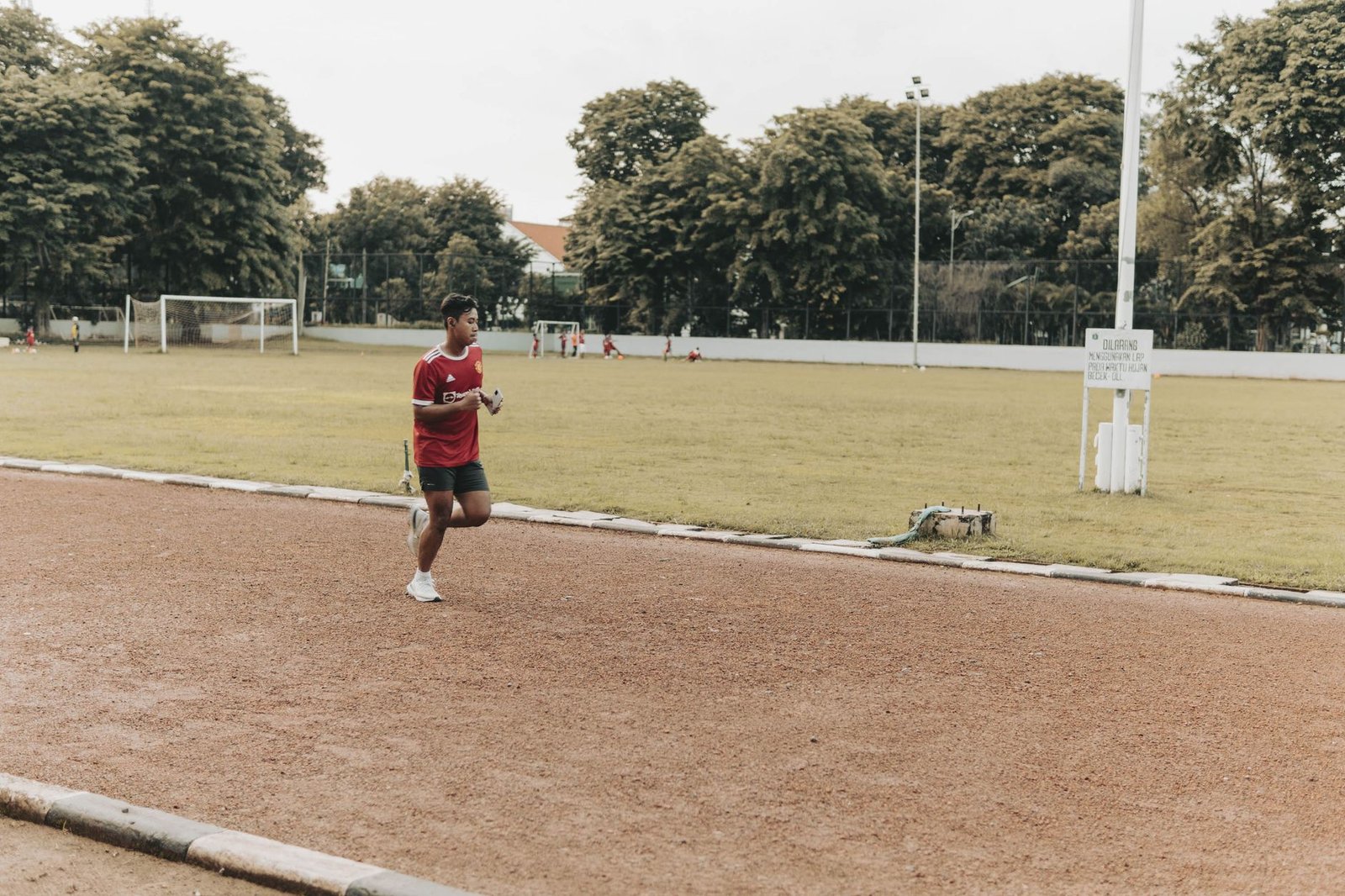
When you choose drills, ask a blunt question. Does this movement help you feel the glutes doing the work, or does it let other muscles take over? If you cannot sense the target muscle, the exercise is probably not giving your body the right message.
For exercise selection, you can cross-check with expert guidance that focuses on the same glute functions tied to running.
The Starter Combo You Can Use Tomorrow
Here is a starter combo that is practical, repeatable, and aligned with real stride mechanics. You will do 2 sets each, keep reps slow and controlled, and squeeze glutes at the end of every rep. That hold at the top is what teaches your body where “on” feels like.
Use this sequence as written or cycle it across the week. The routine is meant to be a reliable baseline, not a constantly changing puzzle. Consistency builds the connection between activation and stride.
Banded Glute Bridge Builds Hip Extension Without Chaos
Start with a banded glute bridge, band above the knees. This drill targets glute max for extension and uses the band to keep your knees from collapsing inward. Drive your hips up until shoulders and knees line up, then pause.
Dosage: 2 sets of 10 holds of about 10 seconds. Move slowly, control the descent, and stop the set if you feel your low back doing the work. The best glute activation routine for smoother running mechanics uses this as a clean signal for push-off.
Clamshell and Hip Hitch Train Pelvic Stability
Running efficiency depends on stability. When your pelvis drops or rotates, your stride gets shorter and your mechanics start to “hunt” for balance. Two simple drills cover that problem space with isolation work that is hard to fake.
Use the clamshell first to wake up glute medius without turning it into a trunk twist. Keep feet together, lift the top knee without hip rolling, and stay smooth. Then use the hip hitch or glute medius drive on a step to build control through the range.
| Exercise | Dosage | What It Teaches |
|---|---|---|
| Clamshell | 2 x 15/side | Controlled knee lift |
| Hip Hitch | 3 x 15/leg | Pelvic level control |
| Banded Bridge | 2 x 10 holds | Glute max extension |
| Crab Walk | 2 x 60 sec | Abduction under load |
| Kickback Option | 2 x 12/side | Glute-driven extension |
The key is control, not speed. If you rush, you lose the stability training and you end up recruiting whatever muscle can “cover” the movement fastest. Is your top knee lifting cleanly, or is your body searching for a shortcut?

Crab Walk Forces Glute Medius Under Strain
Crab walks finish the routine by turning stability into tension. Band above the knees. Step sideways while keeping constant band tension so the glute medius works continuously, not only at a peak position.
Dosage: 2 sets of 60 seconds with steady spacing. Keep your torso tall and avoid rocking. If you feel your hips tip or your knees lose control, shorten the steps and slow down. You are training mechanics, not proving toughness.
Swap Options When Your Body Rejects the Baseline
Not every runner responds well to every isolation drill. If clamshells irritate your hips or bridges feel awkward, you can swap in reliable alternatives while keeping the same activation intent. The point is always glute max extension and glute medius stability, not a specific exercise brand.
Good replacements include lying kickbacks or donkey kicks (knee bent around 90 degrees so hamstrings do not steal the show), fire hydrants, and single-leg glute bridges with a short top hold. These options can preserve the same neural signal even if your joints prefer a different setup.
Progress From Activation to Strength on a Schedule
Activation is the on switch. Strength is what keeps it on when fatigue hits and the run gets longer. Once your isolation sets feel consistent, progress about 2 times per week into more challenging glute work like single-leg glute bridges, split squats, or single-leg deadlifts.
Use a simple rule. If your top holds become shaky or your pelvis starts dropping, you are chasing load instead of clean glute output. Progress should feel like better control, not more chaos.
Turn Activation Into Stride With Three Cues
Most runners do the exercises, feel the burn, and then forget the connection. That is a mistake. Translate the activation into your run with cues that match the same muscle roles. Run tall with a slight forward lean from the ankles, not a collapsed waist. Let your arm swing drive your knee drive. Then commit to toe-off mechanics.
Use the cue: push the ground away and drive the ground backward. If you are landing and “backing into” propulsion, glutes will struggle. This cue forces your body to create force in the direction that glute max and medius are built to control.
Common Mistakes That Ruin Remote Glute Activation
Not every “glute warm-up” is actually glute activation. A frequent error is speeding through reps so your body recruits momentum instead of muscle. Another is letting your knees cave on bridges and crab walks, which shifts demand away from the glutes you need for stability.
Are you feeling hamstrings or hip flexors more than glutes? If yes, adjust setup before you blame your training. Bend the knee appropriately on kickbacks, reduce range if form breaks, and slow down until you can feel the glute contract at the end of each rep.

How Soon You Should Notice Smoother Mechanics
Some improvements show up fast because activation changes how your body recruits muscles. After consistent use, you should feel your stride feel more organized: less wobble at landing, more consistent toe-off, and less “early fatigue” that forces you to shuffle.
Do not expect a permanent transformation after one session. Expect a pattern. Give it several runs while tracking how your hips behave and whether your pace feels easier at the same effort. That is how you know the best glute activation routine for smoother running mechanics is actually doing its job.
Make Consistency Non-Negotiable and Watch Your Running Improve
The best routine is the one you can repeat. If you skip days, your nervous system never fully learns the new recruitment pattern. Schedule it: ten minutes before the run or a short morning session on run days. Set a rule you can keep even when motivation dips.
When you commit to glute activation, you are not chasing a trend. You are correcting a mechanical bottleneck at the source. Keep the reps controlled, keep the glutes engaged at the end of each rep, and let your stride prove the point.
The Best Glute Activation Routine for Smoother Running Mechanics
Why does glute activation improve smoother running mechanics?
Glute activation wakes up glute max for stronger hip extension and better push-off, while engaging glute med to stabilize the pelvis so your stride stays aligned and controlled.
What is the ideal glute activation routine length for pre-run?
A focused under-10-minute routine works best before running, using slow, controlled reps and brief glute squeezes so the muscles are ready to contribute to toe-off.
Which exercises are best for glute activation before every run?
A reliable starter combo is banded glute bridges plus clamshells plus a glute-med–focused standing hip hitch (or step drive), followed by a crab walk to reinforce lateral pelvic stability.
How often should you do this glute activation routine?
Do the routine immediately before every run when possible, or practice daily in the morning; once activation feels consistent, progress by adding more demanding single-leg strength work about twice per week.
What are good glute activation alternatives if you don’t have equipment?
You can swap in lying kickbacks or donkey kicks (with the knee near 90°), fire hydrants, and single-leg glute bridges; keep the movement controlled and avoid letting hamstrings or hip flexors take over.
How do you turn glute activation into better running mechanics?
After activation, run tall with a slight forward lean from the ankles, drive the knee with your arm swing, and cue “push the ground away” or “drive the ground backward” so your toe-off actually uses your glutes.
The Best Glute Activation Routine For Cleaner Strides
The best glute activation routine for smoother running mechanics is the one you actually repeat consistently and you cue correctly, so your glute max drives toe off and your glute med keeps your pelvis stable before you ever pick up speed. If you do a short, controlled pre-run set every time and progress it only when the movement is solid, your mechanics will stop wobbling and start showing up in every stride.

I am Ozan, a London-focused running writer and marathon enthusiast with a passion for helping people discover the city’s best races, running routes, walking trails, and fitness events. I research and write practical, up-to-date guides covering marathons, race preparation, training tips, running gear, and everything related to staying active in London.
My goal is to create reliable, easy-to-follow content that helps runners and walkers of all experience levels explore London with confidence, whether they’re preparing for their first 5K or their next marathon.