
Too many people guess their electrolyte dose in London. That guess is usually either nowhere near enough, leaving you chasing headaches and heavy fatigue, or far too much, turning a workout helper into a salt problem. This article is your guide to electrolyte doses in london—avoiding too much and too little, with a simple principle: electrolytes matter when you actually lose fluid and salt, not as a default daily habit.
In London, most people don’t need electrolyte supplements for everyday life if they eat a varied diet and drink to thirst. The risk comes when you move the goalposts. If you’re sweating hard for 90+ minutes, training in heat, or dealing with rapid fluid loss from vomiting, diarrhoea, or fever, sodium is the electrolyte that tends to drop most and most affects performance. If you’re doing shorter, low-sweat sessions, extra electrolytes usually add little value compared with plain water.
The safest approach is to match the dose to the situation and keep sodium in a reasonable range instead of stacking “energy” products. Aim higher only for endurance sweat sessions, stay more conservative for everyday wellness, and remember the other minerals like potassium and magnesium because they influence how your body handles fluids. If you’re dehydrated due to illness, pharmacy oral rehydration solutions are the better choice than sports sachets, and if you have kidney disease or high blood pressure, you should get clinician advice before using electrolytes regularly.
London Doesn’t Require Daily Electrolytes
If you live in London and you eat a varied diet, your baseline sodium and other minerals usually arrive through food. Most electrolyte supplements are designed for people who lose fluids and salts on purpose, not for people who sit at a desk, walk to a tube station, and drink water to thirst.
UK adult guidance typically allows about 6 to 8 glasses of fluid per day, while many people already exceed the rough ceiling for salt intake from food alone, which is often framed around no more than about 6 g salt per day. So why add daily sachets and risk pushing intake higher than you need?
Counterargument says electrolytes are “wellness insurance.” But insurance has a cost. When the body is not depleted, extra sodium can mean more thirst later, more stomach discomfort, and more unnecessary kidney workload over time.
Sweat, Not City Life, Determines Your Need
Electrolytes become relevant when you are losing fluid and salts, and the key trigger is heavy sweating over time. That most often means long sessions, heat, and endurance efforts where sweat continues for 90+ minutes.
London’s mix of weather, commuting, and layers can make people feel “dehydrated,” but feeling warm is not the same as losing measurable sodium. Vomiting, diarrhoea, and fever are different scenarios because they can cause rapid fluid loss and mineral depletion.
Opponents argue that supplements compensate for everyday stress. Stress is real. Still, electrolyte dosing is a physiology question, not a mood question. If you are not losing sweat or fluids fast, your best move is water and sensible food.
Sodium Is The Lever During Long Hot Sessions
When sweat loss is the problem, sodium is usually the most depleted electrolyte, and sodium intake is the factor most likely to affect performance. That is why endurance-focused electrolyte plans emphasise sodium rather than vague “mineral blends.”

For endurance sessions in the 90+ minute category, a practical guardrail is sodium in the range of about 500 to 1,000 mg per litre of fluid. Too little and you may feel flat and crampy. Too much and you can worsen gastrointestinal strain and thicken how fast you can drink comfortably.
Ask yourself a simple question. Are you sweating enough to see salt marks on clothing or to feel your body “draining” during long efforts? If yes, sodium helps. If no, adding sodium daily is just noise.
Short Workouts Rarely Need Electrolyte Supplements
For workouts under about 60 minutes and low-sweat training, water is usually sufficient. The body can handle the fluid shift, and your regular diet covers the minerals you are not replacing during a brief session.
The case against extra electrolytes is not theoretical. Unnecessary daily sodium can contribute to bloating and GI upset for some people, and overdone supplementation during events can raise the risk of exercise-associated hyponatraemia when combined with high fluid intake without adequate salt replacement.
Some people fear they will “run out” of minerals. In most London training routines, the missing piece is not minerals. It is pacing, sleep, and enough total calories.
Lower-Salt Options Fit Everyday Training Better
If you train moderately, the safer approach is not to eliminate electrolytes, it is to use less. For general wellness or moderate activity, many people do well with about 200 to 400 mg sodium per serving, especially when they already consume salt through meals.
This lower-sodium strategy reduces the chance you overshoot, which matters because added sodium is not risk-free. Possible downsides include stomach discomfort, swelling, and added strain for people with kidney issues or uncontrolled blood pressure.
So if your bottle sits on your desk “just in case,” choose a product designed for low-salt use rather than a full-strength endurance sachet you never truly need.
Don’t Forget Potassium And Magnesium
Sodium gets the headline, but you still need a balanced mineral picture. Potassium supports fluid balance and muscle function, and a practical target is at least about 100 mg potassium per serving.
Magnesium is often the more common shortfall in people’s diets. If a product includes magnesium, more than 50 mg elemental magnesium per serving is a helpful bonus for recovery and normal physiology.
Critics say these minerals are “secondary.” They are not. If you only chase sodium, you still leave gaps that show up later as fatigue, poor recovery, or persistent cramps.
Label Math Beats Mood-Tracking
Marketing loves simplicity. Your body does not. A daily sachet can look harmless, but it hides the real question: how much sodium are you adding, and what are you already taking in from food?
Read the serving facts like a London commuter checking train times. You want clarity on sodium in milligrams, and you want to know whether the dose makes sense for your actual sweat rate and session length.
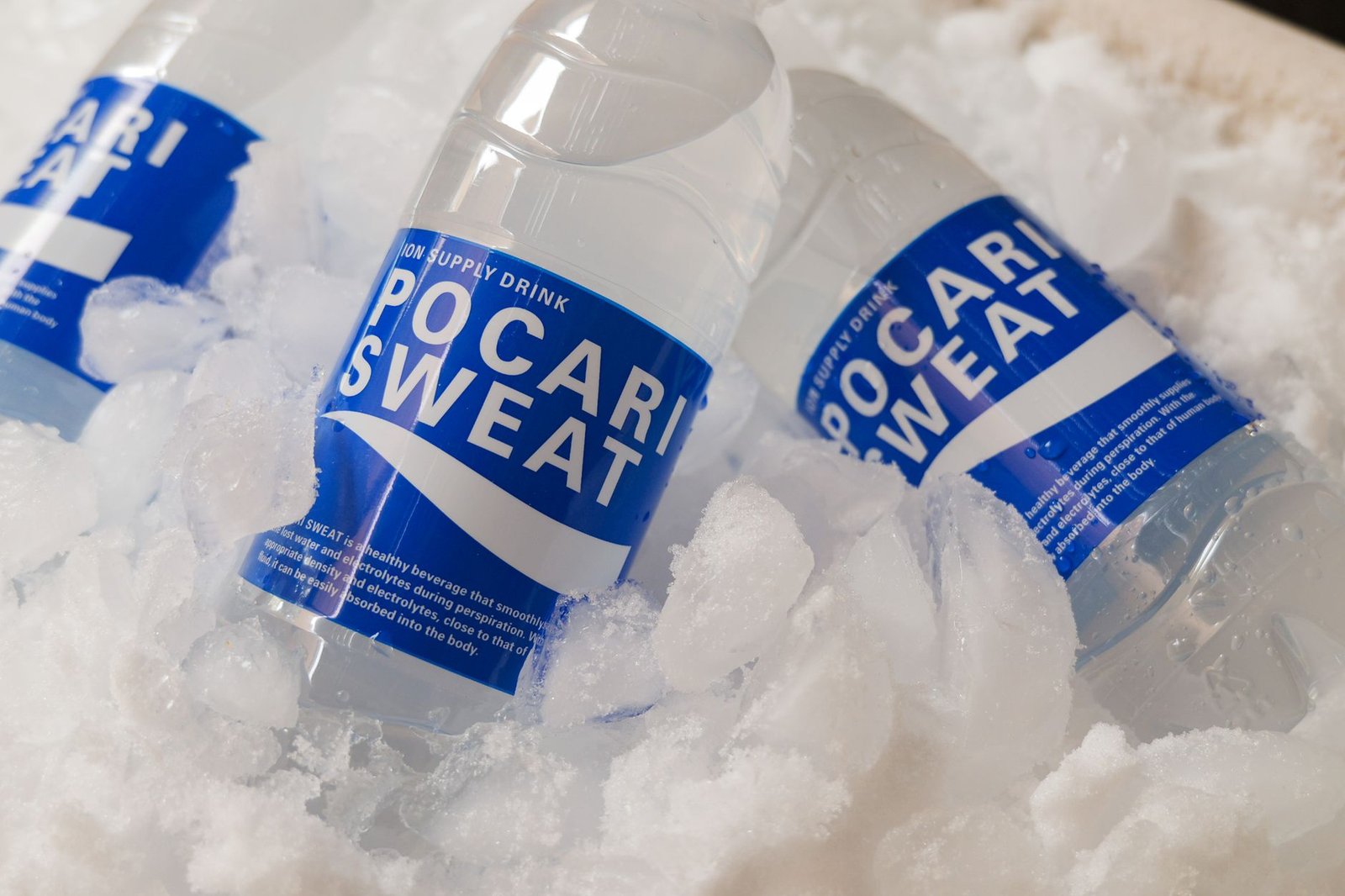
- If the product is built for endurance, treat it as situational, not daily.
- If you cannot justify the timing, reduce the strength and frequency.
Illness Requires ORS, Not Sports Powder
If dehydration comes from vomiting, diarrhoea, or fever, reach for oral rehydration solutions (ORS) like pharmacy options rather than sports drinks. ORS products are designed for fluid and salt replacement with a glucose-to-sodium ratio that supports absorption.
That is why electrolyte guidance frames ORS for illness and reserves sports formats for performance needs. Your goal is recovery, not training-room performance.
Counterpoint says “any electrolyte drink will do.” It often does not, because the dosing and ratios are different when your gut is compromised.
Heat Illness Means Get Salt Right And Stop Testing Yourself
Heat and sweat stress can be dangerous, and it is a mistake to treat symptoms as a puzzle you can solve with guesswork. If someone is confused, collapses, has severe headache, or cannot cool down, dosing becomes irrelevant. Medical help becomes the priority.
When heat stress is mild but ongoing, sodium replacement during longer sweating helps people maintain output and hydration comfort. The guardrail stays the same: use 500 to 1,000 mg sodium per litre for sustained, sweaty sessions, then drink at a pace you can tolerate.
Ask yourself this: are you trying to prevent heat illness, or are you trying to validate a theory? Prevention is measurable. Testing with your body is not.
DIY Mixing Works Only When You Measure Like An Adult
If you need a practical DIY option, it must be specific. A workable mix example is 500 ml water plus about one quarter teaspoon table salt (roughly 500 mg sodium) and about one quarter teaspoon Lo-Salt (potassium chloride substitute, roughly 400 mg potassium). Add lemon or lime for taste, and optionally magnesium if you have a clear reason.
But DIY dosing is not a license to freestyle. You should avoid “stacking” ingredients when you are already getting plenty of minerals from meals and previous drinks.
Important If you have kidney disease or high blood pressure, regular electrolyte supplementation deserves clinician advice before you settle into a routine.
Use Scenario Doses That Match London Realities
The fastest way to avoid too much and too little is to dose by situation, not by habit. Your guide to electrolyte doses in London should start with the time window and sweat level, then pick the sodium strength accordingly.
| Scenario | Sodium Target | Fluid Plan |
|---|---|---|
| Desk day and normal meals | Minimal extra | Drink to thirst |
| Short workout under 60 min | Low or none | Water is usually enough |
| 90+ min endurance in heat | 500 to 1,000 mg per litre | Sip steadily during effort |
| Long sweaty session, lower sweat | 200 to 400 mg per serving | Match intake to thirst |
| Extreme endurance only | 1,000 mg+ per serving | Plan alongside carbs |
Once you choose a scenario, keep it consistent. The body is not a mystery; it is a system that responds to input and timing. If you keep changing doses randomly, you will keep guessing why your energy dips.
Read Risk Signals Before You Add More
Electrolytes are helpful when you need replacement. They are harmful when you chase them without depletion. So watch for the risk signals that you may be overdoing it, like persistent bloating, GI upset, swelling, or frequent intense thirst after “recovery” drinks.
If you train hard in London and you still feel worse after you add electrolytes, the problem may be dose too high, fluids too high, or total calories too low. Fix the basics first. Performance improves when the whole plan fits together, not when sodium becomes a personality.
Skeptics claim that “more minerals” can never be wrong. That is false. Your body has limits, and sodium in particular can tip the balance in the wrong direction.
Choose Guidance That Respects Your Actual Sweat
Many people treat electrolytes like a daily vitamin. That mindset is backwards. The correct mindset is situational dosing based on sweat loss, session length, and whether fluid depletion comes from sweat or illness.
Your guide to electrolyte doses in London should end with this rule: match sodium strength to the category, keep potassium and magnesium in view, and use ORS when illness is involved. If you do that, you avoid the common trap of taking too much when you needed nothing.
So will you keep paying for sachets you rarely need, or will you start dosing like your body is keeping score?
Your Guide to Electrolyte Doses in London: Avoiding Too Much and Too Little
Do You Need Electrolyte Supplements for Day-To-Day Life in London?
Most people in London do not need an electrolyte supplement day to day if they eat a varied diet and drink to thirst. UK adult guidance often puts typical intake around 6 to 8 glasses of fluid per day, and many people already reach the common UK salt advice of no more than about 6 g of salt per day through food, so extra daily electrolytes can add sodium without clear benefit.
How Much Sodium Should You Take During Long, Sweaty Workouts in London?
Electrolytes matter most when you lose fluid and salts through sustained heavy sweating, especially over about 90 minutes in heat or during long training. For that situation, a practical guardrail is sodium in the range of about 500 to 1,000 mg per litre of fluid, and you should follow the product label to match the amount to how much you actually drink.
What Electrolyte Dosage Works Best for Short Workouts With Low Sweating?
For workouts under about 60 minutes with low sweat loss, water is usually enough, and extra electrolytes are not clearly supported by evidence for performance or recovery. If you want to be careful, focus on drinking consistently rather than adding higher-sodium products you do not need.
How Can You Balance Potassium, Magnesium, and Calcium Without Taking Too Much?
If you use an electrolyte product, sodium is the one most tied to sweat losses, but you can also check potassium, magnesium, and calcium content. Look for potassium at around at least 100 mg per serving, magnesium often around 50 mg elemental or more for a useful contribution, and rely on food for calcium unless a clinician advises otherwise, while people with kidney disease or high blood pressure should get medical advice before using electrolyte supplements regularly.
Should You Choose Oral Rehydration Solutions Instead of Sports Electrolytes in London Illness?
If you have dehydration from vomiting, diarrhoea, or fever, use a pharmacy oral rehydration solution such as Dioralyte rather than typical sports electrolyte powders, because oral rehydration solutions are dosed to replace both fluid and salts using a glucose to sodium ratio that supports absorption. If you need a simple DIY option, you can mix about 500 ml water with about 1/4 teaspoon table salt for roughly 500 mg sodium plus about 1/4 teaspoon Lo-Salt for roughly 400 mg potassium, add lemon or lime for taste, and optionally include about 1/4 teaspoon magnesium glycinate for about 100 mg elemental magnesium, but use it only when you have a clear need and follow manufacturer or clinician guidance when possible.
What Are the Signs You Took Too Much or Too Little Electrolytes?
Signs of too little can include headache, dizziness, unusual fatigue, weakness, or cramps during or after sweating, especially if you are not replacing fluids. Signs of too much can include nausea, stomach upset, swelling, or feeling unusually thirsty, and in endurance situations overdoing sodium and fluids can contribute to low blood sodium, so stop and seek medical advice if symptoms are severe, persistent, or paired with confusion, severe vomiting, or reduced urination.
Dose For Sweat, Not Guesswork
Your guide to electrolyte doses in london avoiding too much and too little is simple: don’t take electrolytes as a default, take them when you are actually losing fluid and sodium through extended sweating or illness, and use the right product for the job, like ORS for dehydration from vomiting or diarrhoea. For short, low-sweat sessions, water is usually enough, while longer heat-heavy training is where a sodium-focused approach makes sense and going higher than needed just raises the risk of stomach upset, swelling, or hyponatraemia. Match the dose to your loss, then stop chasing sachets and start trusting the signals your body gives you.

I am Ozan, a London-focused running writer and marathon enthusiast with a passion for helping people discover the city’s best races, running routes, walking trails, and fitness events. I research and write practical, up-to-date guides covering marathons, race preparation, training tips, running gear, and everything related to staying active in London.
My goal is to create reliable, easy-to-follow content that helps runners and walkers of all experience levels explore London with confidence, whether they’re preparing for their first 5K or their next marathon.