Sleep is the real recovery advantage, and most runners treat it like an afterthought. Recovery between races in London, walk, stretch, and sleep like it matters sounds like a simple slogan, but it is really a decision about priorities. When you protect your nightly sleep, everything else feels easier, from stiffness to mood to next-run confidence.
After the finish, keep movement gentle, not heroic. A short walk helps circulation, light stretching restores range, and quick refueling gives your body the raw materials it needs. Then elevate your feet, rehydrate, and eat a recovery meal with protein and carbs soon after, because “later” rarely works when you are trying to get back on your feet.
In the first day, choose real meals and real rest, then build momentum with easy mobility instead of speed. If you travel through London, add extra attention to hydration and staying loose, and do not force the body through pain or a new limp. From days 7 to 14, you can gradually return to easy running, but only once soreness is gone, because consistency beats celebration workouts every time.
Sleep Wins More Than Supplements
You want recovery between races in London without turning your life into a science project. Start with sleep. Not “someday I will catch up,” but a real commitment to 7 to 9 hours nightly with consistent bed and wake times. That alone speeds muscle repair, steadies mood, and keeps your nervous system from dragging through the next start line.
When people skip sleep, they compensate with caffeine, late-night stretching, and frantic foam rolling. The result is a broken cycle: you sleep worse, you move worse, and you feel “tired but wired” on run day. Why would your body build back when you keep cutting the materials?
The fastest recovery tool is the one you can repeat tonight: sleep.
Walk Immediately to Keep Circulation Moving
Right after you finish, do not collapse into a chair and hope for the best. Walk a bit to maintain circulation and reduce that stiff, heavy feeling that often lingers for days. Even a few minutes matters because blood flow helps clear byproducts of effort.
Then keep moving across the next hours. In London, that can mean using walking as your “default recovery pace” between stations, meals, and hotel rooms. Stiffness is not a mystery. It is a mechanical problem you can prevent with light, regular motion.
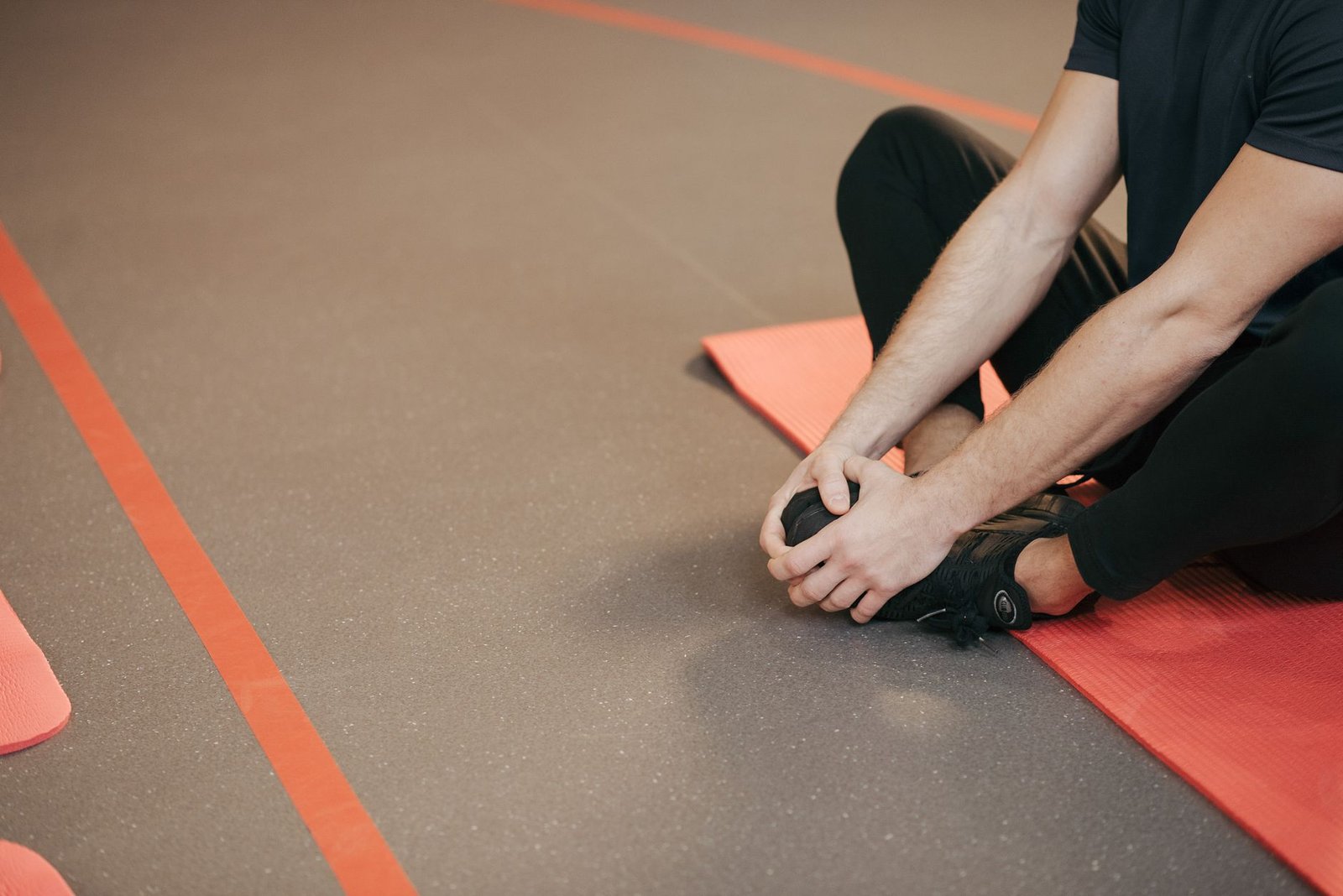
This is where your plan should be simple and immediate: walk, breathe, and get warm. If your legs feel like concrete, that is your cue to move gently, not to stop all motion.
Stretch for Mobility Not for Ego
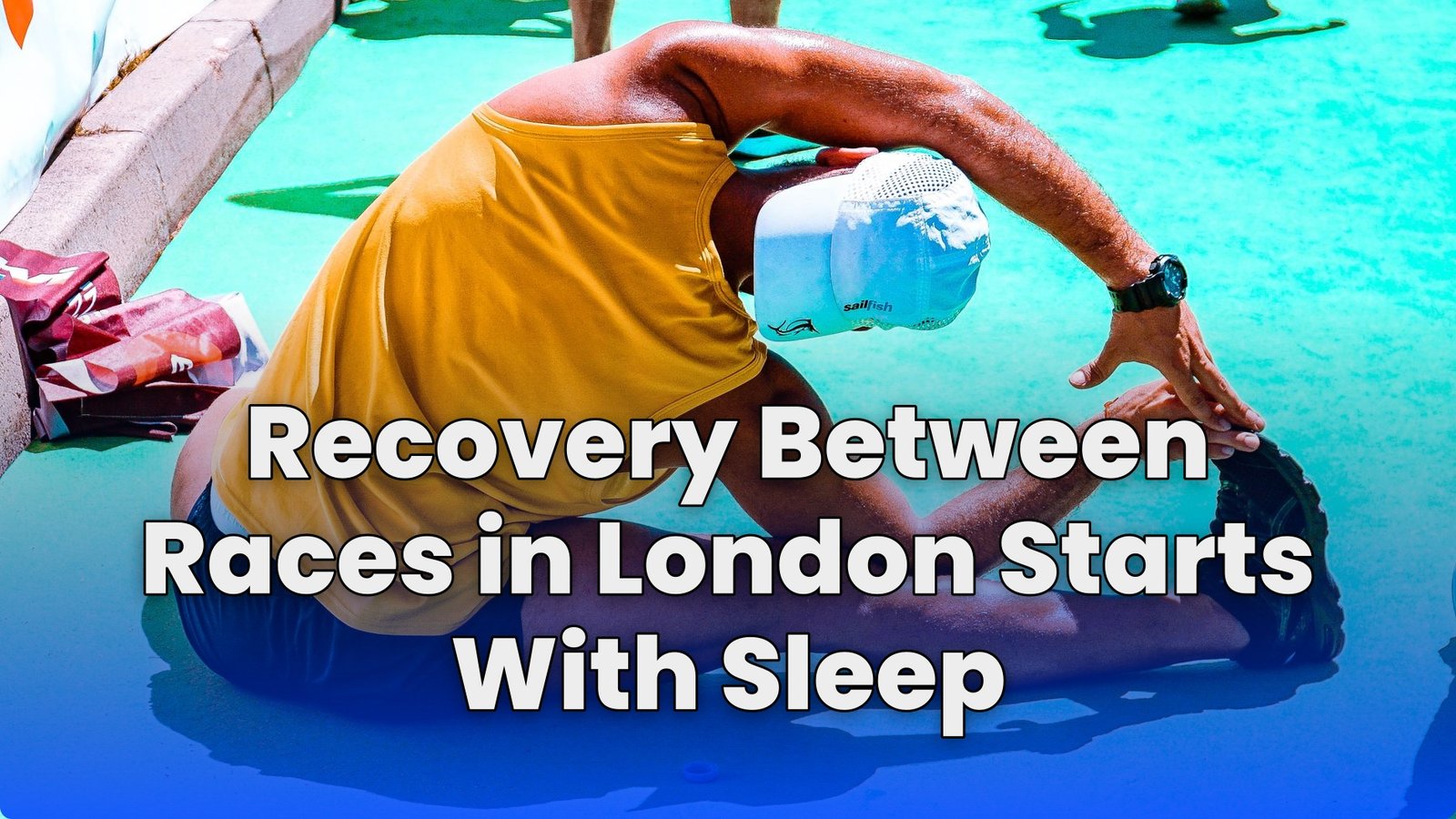
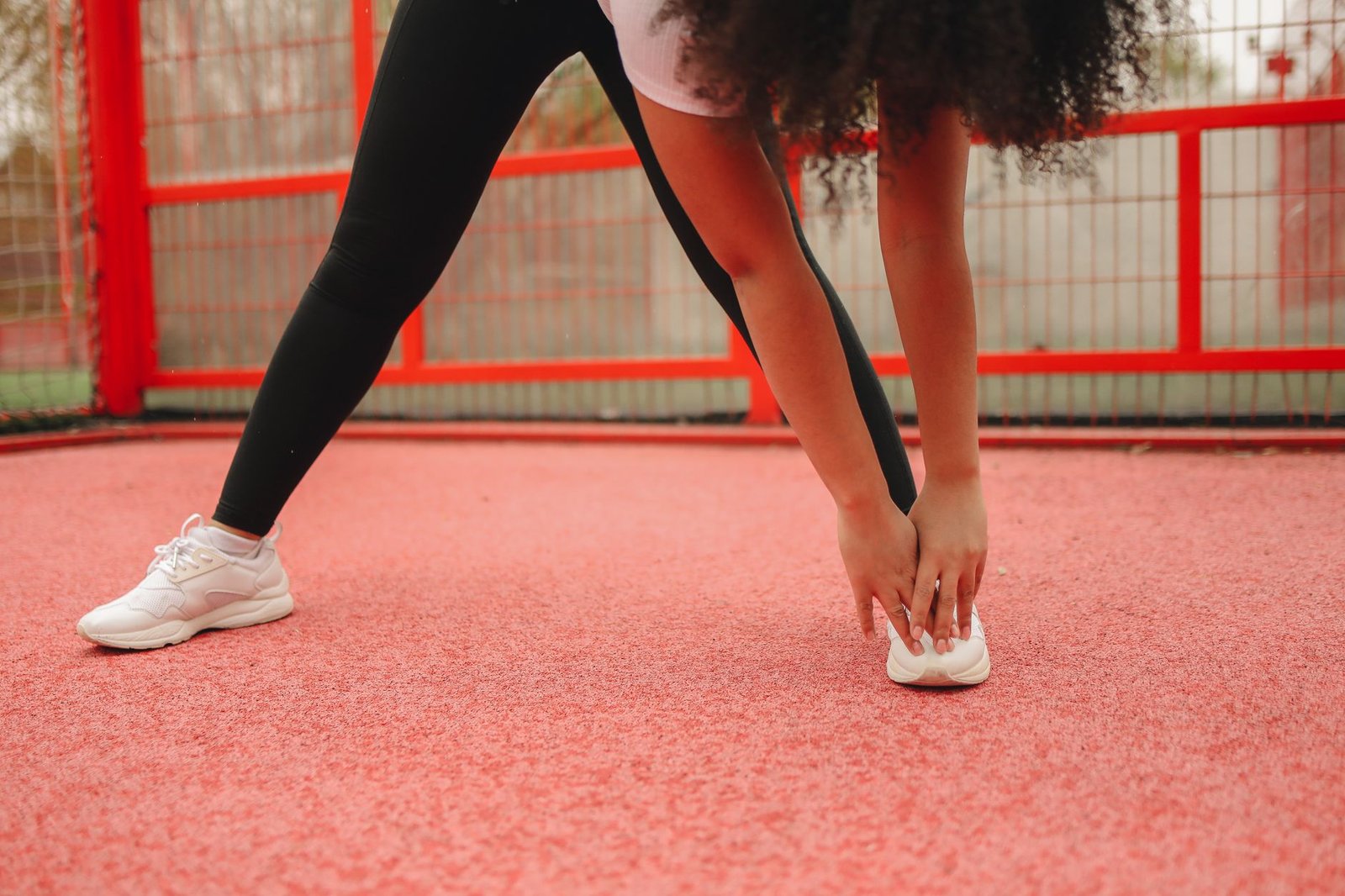
Stretching helps when it restores range of motion. It hurts when it becomes a performance. After races, aim for light stretching that makes you feel looser, not stretched out. Comfort wins. Pain changes your plan, and you should treat sharp or shifting discomfort like a warning light.
Try this mindset: stretch to move better, not to prove you can tolerate more. Static stretching in the easy window is fine, but do not chase deep angles when your tissue is still irritated.
If the stretch makes you worse, why are you still doing it? The best “flexibility session” is one that leaves you walking normally afterward.
Refuel Like a Deadline Is Coming
Your body starts recovery as soon as you stop. That is why refueling right away matters. Within the first 30 minutes, eat a recovery meal with protein plus carbs so your muscles can rebuild glycogen and repair tissue.
In real life, London mornings and tight schedules can make people miss the window and then compensate with random snacks all day. Do not do that. Put the meal plan in your bag. A sandwich, yogurt, rice, pasta, or a simple bowl can work. What matters is timing and balance.
- Protein and carbs within 30 minutes
- Avoid sugary processed drinks and heavy alcohol binges
Refueling is not a treat. It is the next run you are buying with food.
Hydration Targets Beat Guesswork
Hydration errors feel invisible until they snowball. You finish a race, you think you are “fine,” and then two days later you are inflamed, sluggish, and cramping at the wrong moments. Better to be deliberate immediately.
A practical rule if you know your pound loss is 16 to 20 oz of fluid per pound lost. If you do not weigh, watch your body: dry mouth, dark urine, and headache are hydration feedback. Drink consistently rather than chugging once.
London air can be cool and damp, which tricks runners into drinking less. Do not let weather manage your intake. Set your water routine the same way you set your bed routine.
First 24 Hours Use Real Food
The first day after racing should feel boring in the best way. Stick to a “real meal” with carbs plus protein. Your goal is steady recovery calories, not novelty. If you overdo celebration foods and then chase it with salad, your timeline gets messier.
Keep movement minimal and purposeful: a short walk, no “hero” workouts, no sudden sprints because you feel better for ten minutes. The recovery win here is sleep quality and consistent refueling, not extra exertion.
Why earn fatigue when you are already paying for effort? Protect the engine so you can restart it.
Days 2 to 7 Move Easy and Stay Curious
In the next stretch, you should feel relief, not pressure. Days 2 to 7 are for easy movement and light mobility, plus comfortable static stretching if it helps. Think circulation and range, not speed. If you are itching to train, let that itch become a walk, a gentle ride, or an easy set of mobility drills.

Watch for pain that changes your gait. That is a signal to adjust. Skip speedwork. Shorten sessions. If something feels off, treat it as data, not an inconvenience.
When you move easy, you learn what your legs still need. That is how you rebuild without guessing.
Days 7 to 14 Return to Easy Running Gradually
You should not rush back just because the first soreness fades. The smart move is gradual return to easy running, with early runs staying light. If you cannot stop thinking about your pace, use time limits instead. A common approach is 30 to 35 minutes max on non-consecutive days.
This is where structure beats motivation. Use a simple progression so you do not inflate intensity faster than your recovery can handle.
| Time Window | Running Choice | Upper Time Limit |
|---|---|---|
| Days 7 to 8 | Very Easy Run | 30 min |
| Days 9 to 10 | Easy Run With Full Stops | 35 min |
| Days 11 to 12 | Easy Run, Smooth Effort | 40 min |
| Days 13 to 14 | Easy Run, Light Finish | 45 min |
| Pain Changes Gait | Rest and Easy Mobility | Stop running |
Only ease intensity once soreness is gone. Many marathoners take roughly 10 to 14 days off running, using active recovery like longer walks, cycling, or yoga to keep the body responsive.
London Travel Turns Stiffness Into a Trap
Travel is not a side quest. It is part of recovery. If you can, avoid flying the same day you race. Flights intensify stiffness through prolonged sitting, dehydration, and reduced circulation.
If you are commuting between events, plan movement breaks. Every hour, stand up, walk for a few minutes, and loosen hips and calves. London makes walking easy, so use it. If you take the Tube, treat stairs and station walking as part of your recovery plan, not a separate burden.
Your schedule is not stronger than your muscles. The smartest athletes build recovery into travel time.
Heat Cold and Massage Choose Timing Over Intensity
Optional contrast heat or cold can help some runners feel better. Sauna and ice baths are tools, not trophies. Use them when they reduce stiffness and leave you feeling more mobile afterward.
Massage and bodywork can also be helpful, but timing matters. Avoid aggressive massage and heavy foam rolling on the day you race. That is extra irritation when your body needs calm and rebuilding. If you want a simple reminder for post-race choices, post-race recovery advice fits right into a practical routine.
Pick one or two gentle interventions and keep the rest clean. Recovery is a chain; rough handling breaks the link.
Ignore the Loud Metrics and Protect Your Recovery
Some trackers reward activity, not recovery. If you chase steps, workouts, or “productive” soreness, you may feel busy while your body is still repairing. The win is staying functional: walk normally, sleep deeply, eat on schedule.
Use simple signals instead of noise. Your legs should feel progressively less heavy. Your mood should stabilize. Your sleep should get easier, not harder. If you keep ignoring those cues, you will pay later with a longer slump.
Recovery is not weakness. It is training without the camera.
The Next Block Starts Tonight With a Simple Bedtime
People talk about race strategy like it ends at the finish. It does not. The next training block starts the moment you protect your recovery basics. For recovery between races in london: walk, stretch, and sleep like it matters, do not look for complicated hacks. Lock in your bedtime, take a gentle walk, and keep stretching light and sensible.
When you do those three steps consistently, everything else becomes easier: refueling goes smoother, travel feels less punishing, and your return to running stays controlled. That control is what turns recovery from guesswork into progress.
Ask yourself one question tonight. Would your future self thank you for chasing intensity, or for choosing sleep and calm?
Recovery Between Races in London: Walk, Stretch, and Sleep Like It Matters
How Much Sleep Should You Aim For Between Races in London?
Try for 7 to 9 hours of sleep each night with consistent bed and wake times, then use a simple bedtime routine like a warm shower, light stretching, and no screens so your body can repair muscle and restore energy before the next start.
What Walking Plan Helps Recovery Right After a Race in London?
After you finish, walk briefly to keep blood moving and reduce stiffness, then elevate your feet for about 15 to 25 minutes several times if you are swollen or tight, and rehydrate right away to help your muscles recover.
Which Stretching and Mobility Moves Are Best After Races in London?
Choose gentle stretching and easy mobility that feels comfortable, not painful, and focus on range of motion for calves, hips, and hamstrings while you stay relaxed and upright, avoiding any move that changes your gait or increases soreness.
How Should You Rehydrate and Refuel After a Race in London?
Rehydrate immediately and estimate intake based on sweat loss if you know it, then eat a recovery meal with protein plus carbs within about 30 minutes, while avoiding sugary processed drinks and going easy on alcohol so you refuel the right way.
What Should You Do in the First 24 Hours After a Race in London?
Prioritize sleep and take one short walk only, stick to a real meal that includes carbs and protein, and skip celebration workouts, because the first day is mainly about cooling down, refilling energy, and letting soreness settle.
When Can You Return to Easy Running After a Race in London?
In most cases, return around days 7 to 14 with easy running on non-consecutive days and keep early sessions light, then increase intensity only once soreness is gone, and if you need extra recovery many runners take about 10 to 14 days off running and use longer walks or gentle cycling instead.
Walk, Stretch, Sleep Recovery Gets You Ready For The Next Race
The real edge in recovery between races in london: walk, stretch, and sleep like it matters is that you treat the hours after the finish as training for repair, not as downtime you can wing. Prioritize sleep with a steady schedule, move gently right away to keep circulation moving, rehydrate and refuel fast, and keep the first days easy so soreness does not turn into a problem. Do that consistently, and your next start feels cleaner, steadier, and more in your control.

I am Ozan, a London-focused running writer and marathon enthusiast with a passion for helping people discover the city’s best races, running routes, walking trails, and fitness events. I research and write practical, up-to-date guides covering marathons, race preparation, training tips, running gear, and everything related to staying active in London.
My goal is to create reliable, easy-to-follow content that helps runners and walkers of all experience levels explore London with confidence, whether they’re preparing for their first 5K or their next marathon.