Weather forecasts beat guesses every time. If you plan a long run, you should treat the forecast like a decision tool, not background noise. Temperature, wind, rain risk, and humidity change how fast your body heats up, how quickly you lose warmth, and how hard the same effort feels when you are outdoors longer than usual.
Start with the basics the forecast gives you. Plan your outfit around predicted temperature and conditions several days ahead, then adjust for wind and precipitation. A simple rule helps: dress like it is roughly 8 to 11°C warmer than the thermometer for general effort, closer to 11°C when you are doing faster work, and nearer 5 to 8°C warmer for slow easy running. If it is windy, dress for about 3 to 6°C cooler than the reading, and if it is wet, add real protection and traction rather than hoping you will “tough it out.”
Then use the same forecast logic to set your pace, not just your layers. Higher humidity and stronger conditions mean your body sheds heat less efficiently, so you typically need slower effort as humidity climbs. Use intensity to your advantage: faster sessions create more body heat, so you can usually wear fewer layers, but you still pace by feel when the air is sticky or the wind is aggressive. Finally, use the “first-mile liar” test: if you feel comfortably warm immediately, you are likely fine, and if you are still shivering after about two miles, add a layer and slow down before the cold starts stealing your form.
Forecasts Are Training Data, Not Small Talk
If you want remote work productivity levels of discipline during training, you need the same mindset in your runs: weather is inputs, effort is outputs. Weather forecasts tell you what your body will spend, whether you admit it or not. So why pretend the long run is a gamble when the forecast is a measurable plan?
When you decide how to use weather forecasts to decide your long-run outfit and pace, you stop reacting to discomfort after it arrives. You choose ahead of time, then adjust within the first miles. That is the difference between “I guess I dressed wrong” and “I ran the plan.”
Convert Temperature Into Clothing Delta
Temperature on a phone is just a starting number. Use the “dress warmer” guideline: choose clothing as if it’s about 15 to 20°F (8 to 11°C) warmer than the thermometer reading. That rule gets you moving without freezing, which matters because heat takes time to build.
Dial the delta to the workout. Higher intensity like tempo, race, or intervals can be closer to 20°F warmer. A slow easy run can be closer to 10°F warmer. Want a quick sanity check? If you feel comfortably warm the moment you stand still, you are probably overdressed.
Start slightly chilly. Your first decision is the layer, not the attitude.
Wind and Moisture Beat Temperature Every Time
Wind strips warmth from still air and replaces it with moving cold. If it’s windy, dress for a temperature about 5 to 10°F lower than the reading. This is why two “same temperature” days can feel completely different under open skies.
Rain and snow add two problems at once: wet insulation loss and traction. Add outer protection for precipitation, and plan footwear and traction early instead of late. If you find yourself thinking, “I’ll be fine,” ask yourself how you’ll be three miles in when sweat turns to chilled runoff.

Use a Three-layer System and Cover Heat-Loss Points
Outfit design should be boringly consistent. Build with a three-layer system: a moisture-wicking base, an insulating mid-layer, and a windproof outer shell as needed. This structure lets you keep moving rather than overheating, then peeling off when conditions shift.
Heat-loss points decide comfort faster than the “middle” of your torso. Cover head, hands, and feet with technical accessories that match the forecast. The smarter move is to bring adjustability, not to hope your body temperature behaves.
Even if the forecast looks mild, a long run amplifies small mistakes. Cold fingers and numb feet can ruin form, increase fatigue, and make you shorten stride without noticing.
Intensity Determines How Many Layers You Actually Need
Your pacing plan controls your clothing needs. Higher intensity produces more body heat, so you can wear fewer layers. On long runs that include faster segments, you can often dress closer to the “just right” range and avoid the trap of overdressing for the slower first miles.
Think in sequences. If the first third is easy but the second third tightens pace, you need layers that handle both phases. A mid-layer that feels perfect at mile one can become annoying by mile eight.
Humidity Changes Pace in Real Numbers
Humidity is not a vibe. It is a mechanical barrier to cooling through sweat evaporation. Use the rough pacing adjustment: expect about a 1 to 3% pace slowdown for every 10% increase in humidity above 60%. Around 80% humidity, you may need a noticeably slower effort than your normal rhythm.
Don’t confuse “slow feels bad” with “I am failing.” In sticky air, your body is doing extra work to move heat out. The forecast lets you account for that before your legs pay the price.
| Humidity Level | Cooling Impact | Pace Adjustment |
|---|---|---|
| Below 60% | Evaporation works | Baseline pace |
| 60 to 70% | Moderate slowdown | 0 to 2% slower |
| 70 to 80% | Heat removal harder | 2 to 4% slower |
| 80 to 90% | Cooling stress climbs | 4 to 6% slower |
| Above 90% | Cooling challenged | 6% or more slower |
If the humidity forecast is ugly, plan to protect the long-run purpose. You are not training your ego. You are training your capacity to finish strong under stress.
Weather Score Tells You When to Back Off
When conditions score poorly, you should treat it like a red flag, not a dare. A weather score below 60 is a practical signal to reduce intensity. That can mean a 5 to 15% intensity cut or shifting a hard session indoors.
Why stubbornly chase pace on a day built to steal your cooling? You can keep the workout quality by changing location and effort rather than pretending the air will cooperate. weather score tools can help you translate messy forecasts into a decision you can trust.
On bad weather days, rely on effort-based pacing and support your hydration. Longer runs need extra attention to water and electrolytes, even when it feels cool outside.
Time of Day Determines Visibility and Thermal Strategy
Forecasts are real, but the clock matters. Cooler times in hot conditions let you run harder with less thermal strain. Night and evening runs demand extra visibility gear, because safety is part of performance.
Use the forecast plus your schedule to manage heat and cold. If the run spans a temperature swing, you need layers that tolerate both ends. A single “best guess” outfit often collapses when the sun drops.
The First-mile Liar Logic Applies to Pace, Too
The “first-mile liar” rule starts with clothing: if you feel comfortably warm immediately without moving, you’re likely overdressed; if you’re still shivering after about 2 miles, you likely need another layer. The same logic can guide pace because early comfort predicts whether you are burning efficiently.
If the first 10 to 20 minutes feel unusually labored for the planned effort, adjust early. In high humidity or gusty wind, your body might not meet your pace targets without a cost you cannot afford later.
When the first miles lie, believe the forecast and correct fast.
Plan an Outfit You Can Adjust Without Quitting
Long runs reward outfit flexibility. If you plan a base layer plus mid-layer plus a shell, you have options when conditions change, especially with clouds, wind shifts, or unexpected sun. The goal is to stay in motion comfortably rather than to “win” with perfect clothing at minute one.
Bring small, practical adjusters: gloves that can be removed, a hat that can be traded for a hood, and layers that dry reasonably. Overplanning is not the problem. Underplanning your ability to adapt is.
Hydration and Electrolytes Still Matter in Cool or Wet Weather
It is easy to misjudge hydration when it looks cold or when rain reduces how sweaty you feel. Sweat still happens, and in wind or light drizzle you can evaporatively cool while still losing fluid. If you cut intensity due to bad weather, you might drink less out of habit, then miss what your body needs.
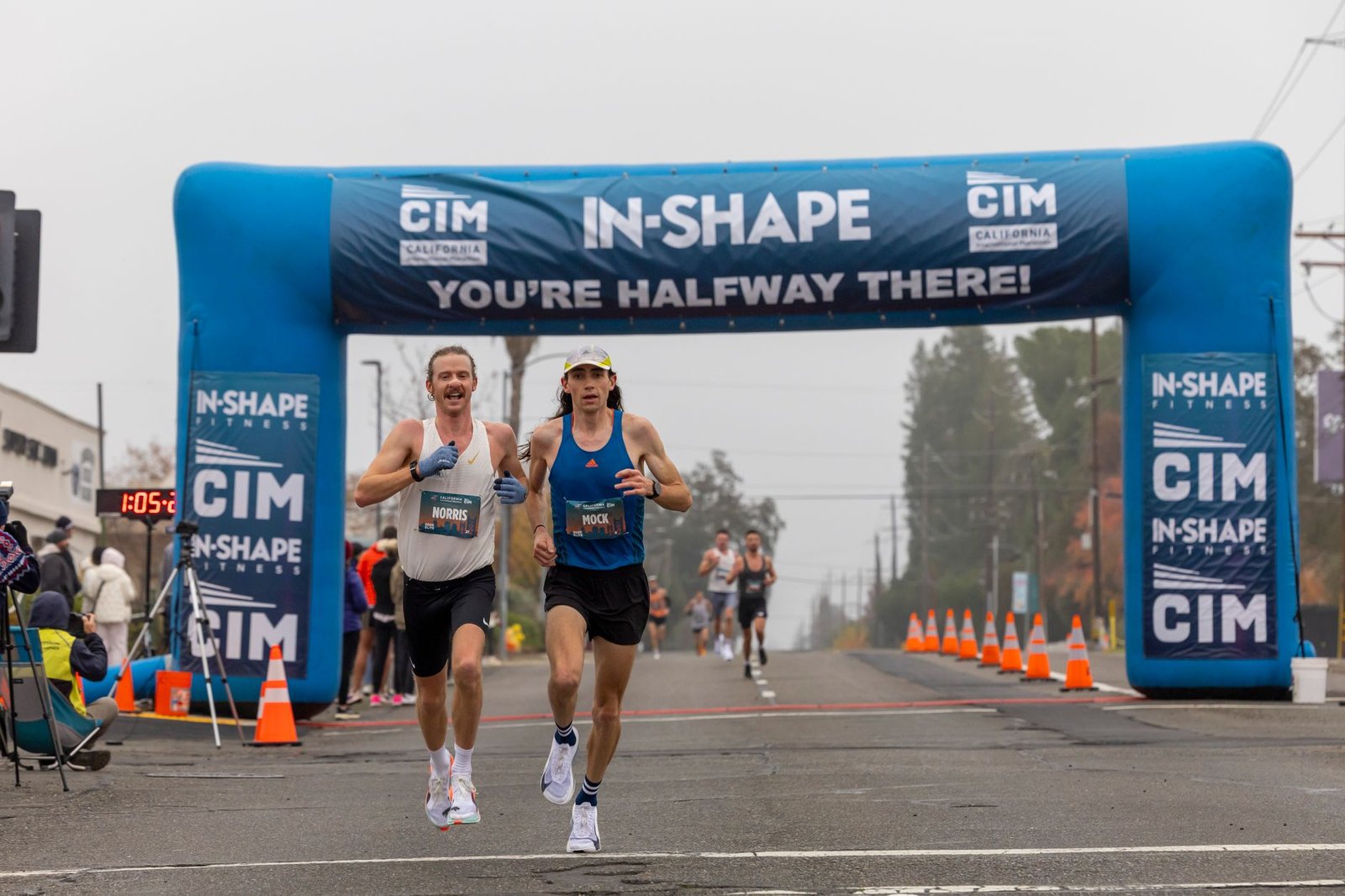
Use the forecast to set a baseline: longer runs require a water-and-electrolyte plan aligned with humidity and temperature, not your perception. When humidity is high, sweat gets harder to cool, and electrolyte needs often rise with time.
Log Outcomes So Next Forecast Feels Less Guessy
The best way to get better at how to use weather forecasts to decide your long-run outfit and pace is feedback. Write down what the forecast said, what you wore, and what pace felt like at miles 3, 10, and on the final quarter. Then compare those notes to reality.
Over time, you will learn your personal margins. Some runners tolerate wind better, others run hot and sweat early. Forecast-to-action mapping is a skill, and skills improve with practice, not with superstition.
Stop Treating Weather as Fate and Start Treating It as Inputs
People resist forecasting because it feels like micromanagement. But micromanagement is checking your watch every 30 seconds. Using forecasts is structured planning based on physics: wind increases heat loss, humidity reduces cooling, precipitation changes insulation, and intensity changes heat production.
Yes, plans fail. But you are not helpless. You have a framework: temperature delta for clothing, wind and precipitation overrides, a three-layer system, and pace adjustments tied to humidity and intensity. When you follow that logic, you reduce chaos and protect the long-run work that actually builds fitness.
How to Use Weather Forecasts to Decide Your Long-Run Outfit and Pace
How Can You Use Weather Forecasts to Plan Your Long-Run Outfit?
Check several days ahead and then confirm on race-day or morning-of for temperature, wind, and precipitation, then pick layers and accessories that match the expected conditions and your workout effort so you start slightly chilly and adjust in the first miles if needed.
What Temperature Adjustment Should You Use for Dressing on Long Runs?
When you dress, plan as if it is about 15 to 20°F warmer than the thermometer, with tempo, race, or intervals closer to the higher end and a slow easy run closer to about 10°F warmer so your outfit fits your heat production.
How Should Wind, Rain, and Snow Forecasts Change Your Clothing?
If it is windy, dress for roughly 5 to 10°F lower than the reading, and for rain or snow add appropriate outer protection plus traction if surfaces are slick so you manage both heat loss and grip.
How Should Humidity and Forecast Conditions Affect Your Long-Run Pace?
Higher humidity and rough conditions slow you down, so as a guide expect about a 1 to 3% pace slowdown for every 10% increase in humidity above 60%, then keep pace effort-based to stay controlled.
What Layering System Works Best When Weather Conditions Change?
Use a three-layer system with a moisture-wicking base, an insulating mid-layer, and a windproof outer shell when needed, and cover heat-loss areas like head, hands, and feet with technical accessories.
When Should You Adjust Intensity or Workout Plans Based on a Poor Forecast?
If conditions look bad or a weather score is below about 60, reduce intensity by roughly 5 to 15% or move the harder session indoors, then rely on how you feel for pacing and use extra hydration and electrolytes for longer runs.
Stop Guessing and Start Forecast-Planning
Mastering how to use weather forecasts to decide your long-run outfit and pace turns every run into a controlled decision instead of a roll of the dice, so check conditions several days out, dress using the temperature plus wind and precipitation realities, and pace by humidity and intensity from the start. If you match clothing and effort to the forecast before the first mile, you stay comfortable, you avoid wasting energy on the wrong layers, and you protect the workout that matters most.

I am Ozan, a London-focused running writer and marathon enthusiast with a passion for helping people discover the city’s best races, running routes, walking trails, and fitness events. I research and write practical, up-to-date guides covering marathons, race preparation, training tips, running gear, and everything related to staying active in London.
My goal is to create reliable, easy-to-follow content that helps runners and walkers of all experience levels explore London with confidence, whether they’re preparing for their first 5K or their next marathon.