Winter training should not be treadmill-only. In a London winter, the smarter move is to treat the treadmill as your safety net, not your default plan. When the roads are safe and visibility is decent, outdoor running keeps your effort honest and your body prepared for what a race actually feels like.
Road running wins for realism, because wind, corners, pavement texture, camber, small slopes, and even judging effort against changing traction are part of the challenge. A treadmill can still be excellent when conditions are ugly, since you can lock in pace and incline, nail structured sessions, and reduce slip risk when darkness, ice, or traffic makes outdoor routes unreliable.
The best approach is a “treadmill plus outdoor” split: keep most miles and key sessions outside when you reasonably can, then use the treadmill for one controlled session per week, often intervals or an easy recovery when the weather, lighting, or route safety would otherwise derail consistency. If you do run on the treadmill, adjust incline thoughtfully, but remember it will never fully copy the road, so do not let it replace outdoor specificity.
Winter In London Demands Strategy, Not Nostalgia
In a London winter, the temptation is to treat road running as the default and everything else as a compromise. That mindset is backwards. If your goal is race-specific fitness, you choose the surface and the session based on conditions, safety, and workout design, not on habit.
Ask yourself this: do you want a training week, or do you want a calendar tradition? Weather, visibility, and route quality decide whether you should prioritize outdoor skill-building or indoor control. That choice directly affects how you progress toward remote work productivity-level consistency, where planning beats hope.
Run Outside When The Road Teaches You What Races Demand
When conditions are safe enough, outdoor road running should be your first option, especially if you are training for a race. Road running better prepares you for the details that make races feel different: wind, corners, uneven pavements, small slopes, and the road camber that nudges your mechanics.
Treadmills cannot fully copy those micro-features. Even if the data looks similar, your body learns different demands when you must judge effort, manage balance, and respond to subtle terrain changes. That is not romantic. It is measurable training value.
Use Treadmills When Safety And Visibility Remove The Variables That Matter
When it is icy or snowy, when visibility collapses in dark evening/night runs, or when your usual routes become unsafe, outdoor running loses its edge. In those moments, the treadmill becomes the rational tool. It provides a controlled environment where you can set speed and incline accurately and repeat the same pacing again and again.
That control matters most when slip risk, traffic, or uneven ground would otherwise force you to run conservatively. If you cannot train with quality outside, you train indoors with discipline. You do not skip the workout. You change the platform.
Protect Consistency With One Treadmill Session A Week
If your plan is built around only outdoor miles, winter will punish you with missed sessions and inconsistent intensity. The fix is simple: keep most miles and long or race-specific practice outside, then schedule one treadmill session per week as your bad-weather backup.
This is how you stay on track when childcare, work travel, and London daylight both shrink your options. You get repeatable work without turning your whole season into a monotonous indoor routine.
Stop Measuring Output By Presence And Start Measuring By Effort
Indoor or outdoor, the core question is not whether you saw your pace on a screen. The question is whether you hit the intended stimulus. Treadmills help because they remove fluctuations from wind, turns, and terrain, which makes it easier to match your effort targets.
Some runners chase the readout and forget the job. Do the job. For example, if the session is threshold, you control it by time and perceived effort, not by whether the road looks inviting.
Treadmill Settings That Actually Match Road Demands
To make indoor running feel like road running, you must adjust more than speed. Incline approximates the extra gravitational cost of outdoor grade, and it can help you keep effort aligned. A common practical cue is setting about a 1% incline for many steady efforts to bring treadmill mechanics closer to the road.
Use the table below as a winter cheat sheet for how to align stimulus, not just numbers.

| Session Purpose | Road Cues To Mimic | Example Treadmill Settings |
|---|---|---|
| Easy Aerobic | Flow And Smooth Strides | 0%–1% incline, relaxed pace |
| Tempo Or Threshold | Stable Effort On Flat-ish Roads | 1% incline, 15–25 min continuous |
| Intervals | Surges With Controlled Recoveries | 1% incline, 5×3 min with 2 min jog |
| Steady Long | Race Rhythm Without Chaos | 0%–1% incline, 40–70 min steady |
| Recovery | Promote Circulation Without Stress | 0% incline, very easy pace 20–30 min |
Remember the limitation: no treadmill perfectly reproduces road camber, corners, or uneven pavements. But when winter removes safe outdoor options, well-chosen incline and structured pacing produce a training effect you can trust.
Intervals And Tempo On The Treadmill Still Build Race Fitness
Some runners assume indoor work cannot transfer to race day because it feels controlled. That assumption ignores a key point: the treadmill lets you execute structured sessions with repeatable pacing and clean recoveries. If your plan says “tempo for 20 minutes,” you can actually do that, rather than negotiating slippery streets or dodging traffic.
Want proof in your own legs? Run intervals with consistent effort, keep recoveries truly easy, and compare how quickly you regain rhythm. You are training the physiological engine and the pacing discipline that races punish if you lack it.
Don’t Pretend Biomechanics Are Identical
Biomechanics appear broadly similar between treadmill and outdoor running, and many runners see comparable VO2 max responses. But differences still show up. Some people shorten their stride on a treadmill, and matching road gradients exactly is difficult.
So what should you do? Use treadmill sessions to build fitness and pacing consistency, then protect road running time to preserve your natural stride mechanics. Winter is not the season to turn biomechanics into a lab experiment.
Route Wind, Corners, And Camber Can Be Training, Not Randomness
On the road, wind and corners force real-time adjustments. Instead of treating those as distractions, you can treat them as training. If your route includes mild slopes and predictable turns, you get repeated exposure to pacing judgment and stability demands.
Is that fair? Real races are not fair, and they are rarely flat and calm. Training with the road’s variability when it is safe prepares you for the moment you feel the change in wind or the kick from a slight camber shift.
How To Avoid Treadmill Mental Traps
Indoor training is not automatic progress. It is a chance to be precise, and precision can still fail if your brain turns the treadmill into a mindless treadmill. If you run by boredom, you lose the workout intent and inflate effort where you should be controlled.
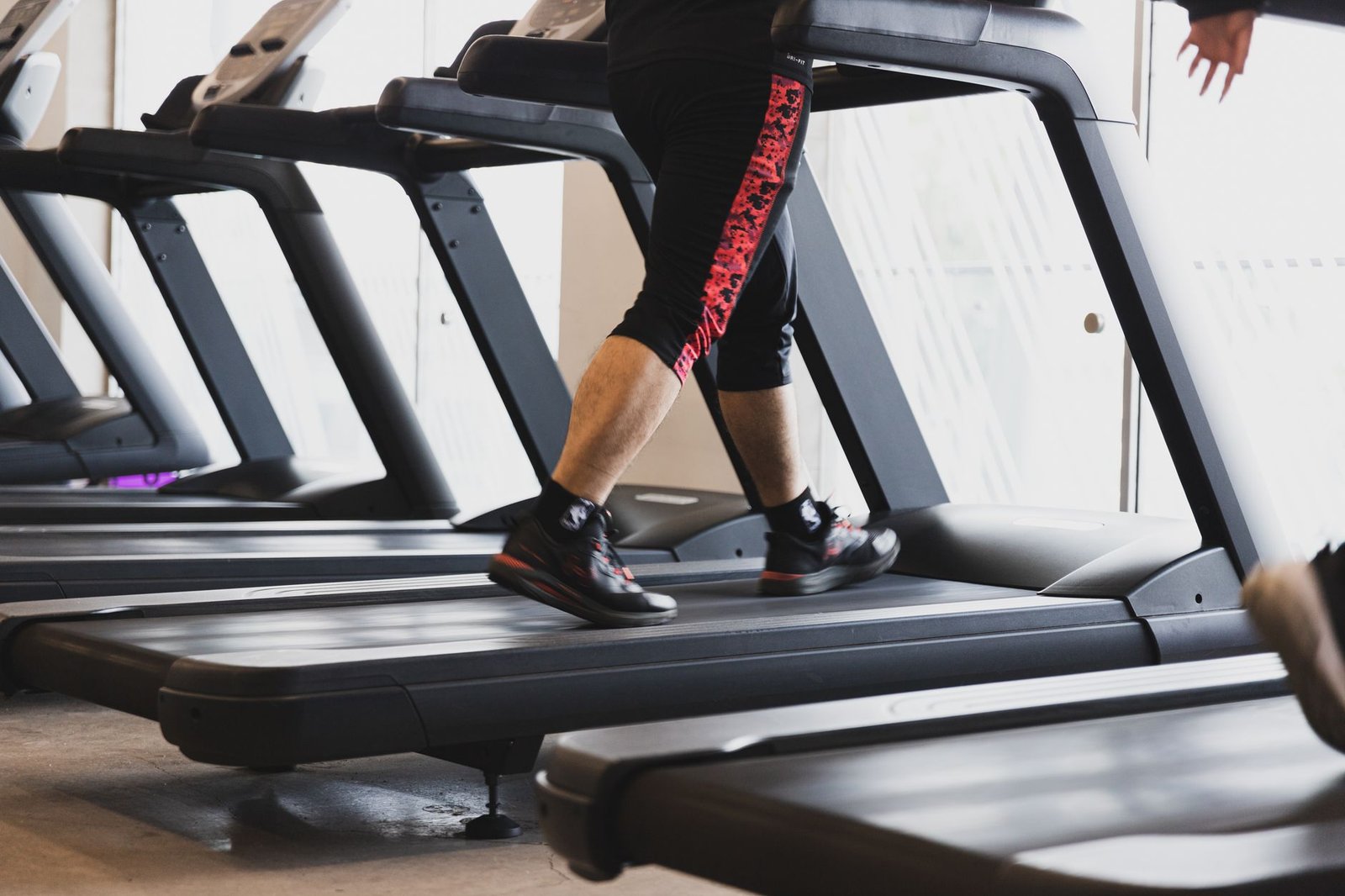
Combat that by planning the session before you step on the belt. Use timer-based intervals, set incline deliberately, and commit to effort targets. The goal is repeatable training, not a vague “I ran for a while.”
Use The Treadmill When Returning From Injury With Predictable Loading
When you are coming back from injury, predictability matters. The treadmill offers a more controlled surface and loading pattern, which can support a safer ramp-up compared with unpredictable winter pavements.
That does not mean indoor work is a permission slip to ignore form or progression. It means you reduce external chaos so you can follow a structured reintroduction of volume and intensity without guessing how your feet will react on icy or uneven streets.
Build A Winter Week That Prioritizes Road Skills And Indoor Precision
The best winter plan is not “more treadmill” or “less treadmill.” It is treadmill plus road running with clear purpose. Keep most miles and your long or race-specific practice outdoors whenever safe. Place one key session on the treadmill each week when conditions demand control.
If you want guidance on how runners balance these tradeoffs, consider the practical framing in treadmill versus outside training and then tailor it to your own weekly constraints and race demands.
How to Use a Treadmill vs. Road Running During London Winter?
When Should You Choose Outdoor Road Running Instead of a Treadmill in a London Winter?
Choose outdoor road running when conditions are safe enough—especially if you’re training for a race—because it better prepares you for wind, corners, uneven pavements, small slopes, road camber, and judging effort, details a treadmill can’t fully replicate.
Can a Treadmill Replace Road Running During Icy, Snowy, or Dark London Weather?
Yes—use a treadmill when outdoor running is impractical due to ice/snow, poor visibility (dark evening or night), dangerous routes, or high slip risk, since it offers a controlled environment where you can set speed and incline precisely and repeat structured sessions.
What Treadmill Settings Help Mimic Road Running Effort in Winter?
Set realistic speed targets for the session, and consider an incline of about 1% to approximate outdoor running for certain paces; then focus on consistent pacing and clean recoveries during intervals, tempo, or threshold work.
How Should You Schedule Treadmill Sessions vs Road Running for Race Training in London Winter?
A practical approach for most runners is treadmill plus outdoor: keep most miles and your long, race-specific practice outside when possible, and use the treadmill for one session per week as a weather backup, a childcare-friendly option, or a safe way to control effort.
Do Treadmill Workouts and Road Running Build Similar Fitness?
Fitness effects are broadly similar, including comparable improvements in measures like VO2 max, but some runners may shorten stride on a treadmill, and matching exact road gradients is difficult.
How Can a Treadmill Support a Safer Return to Running After Injury in Winter?
If you’re returning from injury, a treadmill can be helpful because the surface and loading are more predictable, making it easier to control intensity and reduce uncertainty compared with uneven, slippery roads during a London winter.
Choose Smart, Not Just Safe
How to use a treadmill vs. road running during london winter comes down to one rule: run outside whenever conditions are safe enough, because winter road practice builds race-specific skill you cannot fully replicate indoors, then use the treadmill only when weather, visibility, or route safety breaks the outdoor plan. If you want winter training that actually transfers to race day, keep the majority of your miles on the roads and make the treadmill a controlled backup, not a replacement.

I am Ozan, a London-focused running writer and marathon enthusiast with a passion for helping people discover the city’s best races, running routes, walking trails, and fitness events. I research and write practical, up-to-date guides covering marathons, race preparation, training tips, running gear, and everything related to staying active in London.
My goal is to create reliable, easy-to-follow content that helps runners and walkers of all experience levels explore London with confidence, whether they’re preparing for their first 5K or their next marathon.