Most people fail at step goals because they treat them like a daily test, not a training signal. If you want steadier effort, step-counting should do the boring job for you: keep your movement consistent while you learn what “enough” feels like for your body.
Start by wearing your tracker every day and place it the same way on your hip, close to your body, with a consistent fit. Then build a baseline by tracking 5 to 7 typical days and averaging your steps. After that, increase gradually, using small weekly adds instead of jumping to a target that turns every walk into a stressor.
Track trends, not perfection. Use step ranges or “step zones” so you can stay steady even when life happens, and update your plan based on weekly or monthly averages. If the numbers look off, verify with a known walking distance and adjust the placement or clipping, because misreads can quietly sabotage your confidence and consistency.
Step Counting Is Not a Fitness Scoreboard
Remote work productivity starts with output, deadlines, and focus. Step counting is the same lesson in motion: it measures behavior, not worth. If you treat your daily number like a report card, you will chase spikes, panic over dips, and lose the one thing you actually want, steady effort.
Why do people burn out on steps? Because they confuse counting with coaching. A tracker tells you what happened. It does not tell you what you should feel, how hard today should be, or whether life got in the way.
The goal is not a perfect count. The goal is a pattern you can repeat.
Use step counting as feedback for consistency. Your body learns from repetition, not from occasional hero days.
Set Your Baseline With Real Typical Days
Before you touch a target, you need a baseline. That baseline should come from 5 to 7 typical days, not your weekend when you suddenly feel motivated or your workday when you were stressed and stuck indoors.
Take an average, then build from reality. If you start from an inflated number, your plan will be fragile. If you start from a deflated number, you might feel like you are failing even when you are doing fine.
Establishing a baseline is not bureaucracy. It is the difference between steadiness and self-sabotage.
Wear the Tracker Like a Tool, Not a Guess
Consistency comes first. Put the tracker on each morning, keep it positioned the same way every day, and treat the device like a measuring instrument. If you slap it on differently, your “effort” becomes noisy data.
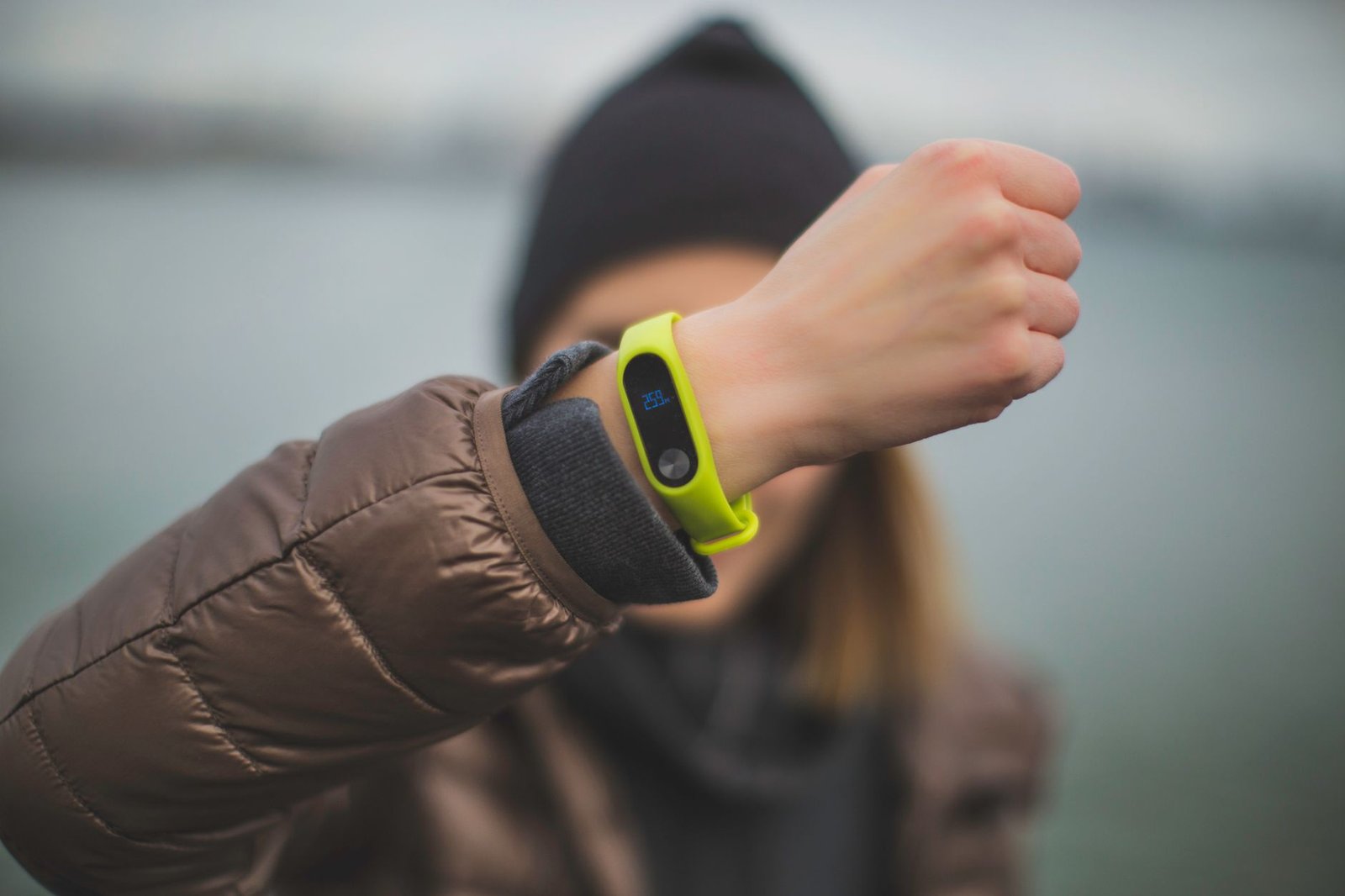
Your hip position matters. The safest habit is choosing one side and sticking with it, then keeping the tracker close to the body and upright. Is it tedious? Yes. Is it worth it? Also yes.
When you wear it reliably, step counting becomes predictable. When you wear it casually, it becomes drama.
Fix Placement So Your Numbers Mean Something
Bad fit leads to bad decisions. Step undercounting is common when the device is clipped wrong or positioned inconsistently, and it can trick you into thinking you are less active than you are.
If you want practical walking guidance, anchor your routine to what you can sustain, then trust the tracker only after it matches your real stride.
Decide that placement is part of the plan. Adjust once, then keep it stable. Steady effort requires credible numbers.
Increase Effort in Increments That Your Body Accepts
Jumping from “I barely move” to “10,000 steps” is how people quit. Your body adapts to gradual change, and your mind adapts to small wins you can repeat.
Build the ramp. Establish baseline over 3 to 4 days, then add about 2,000 steps over the next 2 weeks, or increase more slowly if you have been inactive. Keep increments realistic so the change feels like progress, not punishment.
- If your average is 2,000 steps, aim to add 200 to 500 steps per day for a week.
- Update again, then keep increasing in similar increments until your goal feels sustainable.
Steady effort is a math problem. If the steps are too large, the plan breaks.
Use Step Zones to Keep Effort Steady
Exact targets invite obsession. On a day when energy is low, you will force the number and resent the process. Step zones solve that. Instead of one number, you choose a range that still counts as “on track.”
Ranges also protect you from normal life variation. Sleep changes, weather changes, schedules change. Your job is to keep the pattern alive, not to win a daily contest.
Here is a simple way to structure zones and adjustments.
| Step Zone | Effort Level | Adjustment Rule |
|---|---|---|
| Below Baseline | Reset Day | Hold goal for 2 days |
| Baseline to +10% | Recovery Stable | Add 100 to 300 next week |
| +10% to +25% | Steady Progress | Maintain for 7 days |
| +25% to +40% | Challenge | Lower by 10% after 1 week |
| Near Goal | Sustainable Push | Adjust by 200 to 500 only |
Once zones are set, you stop bargaining with the app. You move with purpose and keep your effort steady.
Review Trends Weekly Instead of Daily
Daily “perfect” numbers are a trap. A tracker is a record of movement, but your progress is in the trend, not in whether you hit one digit on Tuesday.

Use weekly or monthly totals and simple logs. If you miss one day, the question becomes, “Where am I headed over time?” Not, “Am I failing again?”
Steady effort is measurable through direction. Trends give you direction without draining your attention.
Attach Walking to Habits, Then Let It Run
You do not build consistency by willpower. You build it by linking walking to behaviors that already exist. The best step plans look boring because they fit inside your normal day.
After meals, walk for 5 to 10 minutes. Take the stairs when you can. Park farther away. Then set hourly reminders to stand and move a few hundred steps. Why wait for motivation when your calendar can trigger motion?
- Walk 5 to 10 minutes after meals.
- Use stairs and extra walking on errands.
- Set hourly prompts to add a few hundred steps.
Once the habit anchors the steps, your effort stops wobbling.
Verify Accuracy With a Known Distance
If accuracy looks off, do not guess. Verify. Walk a known distance, like four laps on a standard field that totals around 2,000 steps, then compare what you see on the tracker to what you expected.
Under-counts can happen with clipping problems or inconsistent positioning. If the numbers look low or odd, adjust the placement and retest. Your goal is data you trust.
Would you plan your spending with a broken scale? Step counting deserves the same respect.
Cut Guilt by Turning Off Step-Cheering Alerts
Pressure destroys consistency. Notifications that trigger guilt make you look for ways to “fix” the app instead of supporting your body. Turn off alerts that spike anxiety.
Use the tracker as a guide for patterns, not a judge. When you reduce the emotional noise, you can follow a realistic plan and keep moving even when life is imperfect.
Steady effort is calm effort. The quickest way to calm is removing guilt-driven signals.
Plan Recovery Days Without Breaking Consistency
Consistency does not mean relentless. It means you keep showing up across good days and hard days. If you treat every low-energy day as failure, you will eventually burn out.
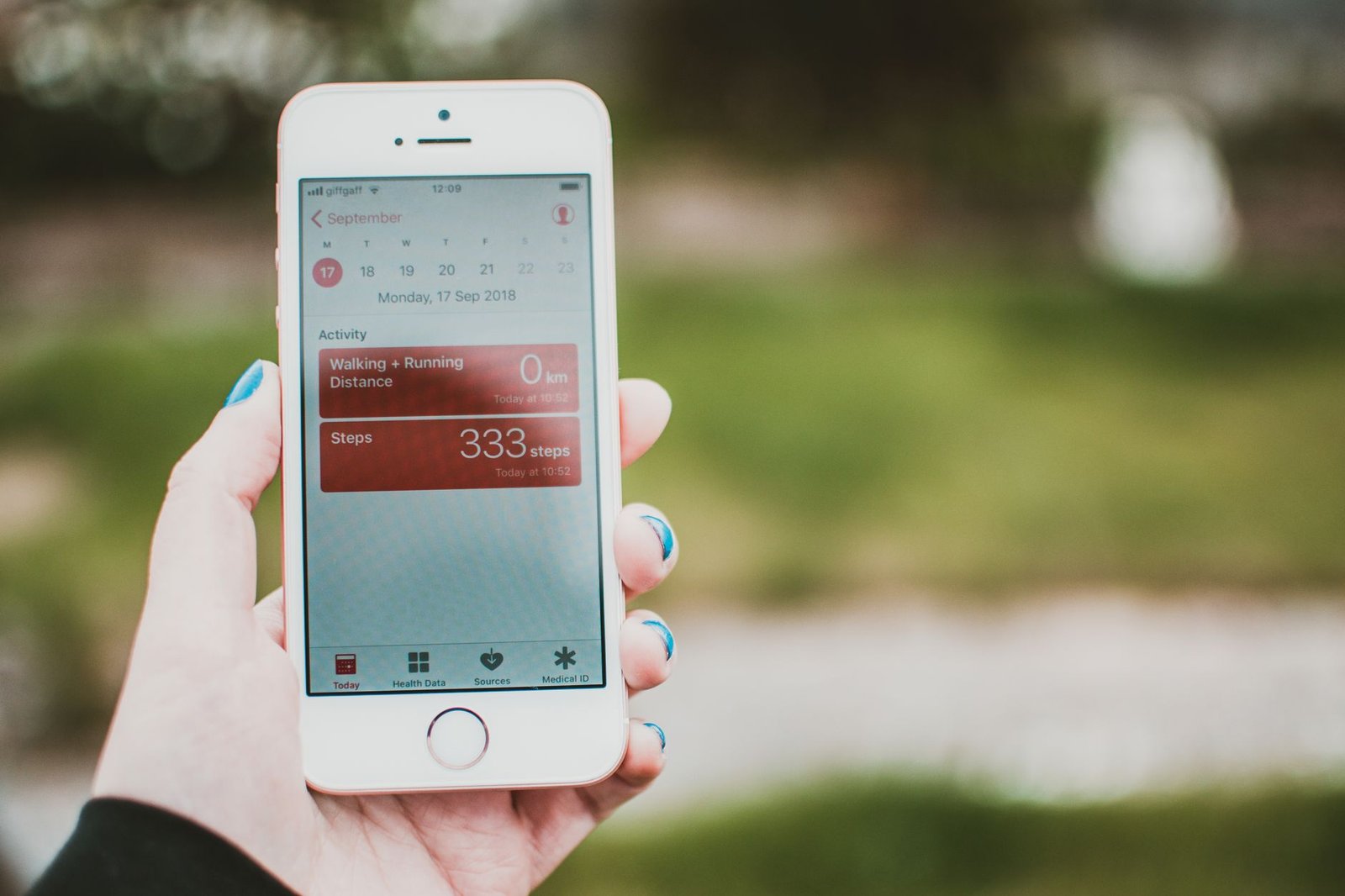
Use zones and trend review to give yourself permission to recover. On tough days, aim for baseline stability, then return to your incremental ramp when your week normalizes.
Your plan should protect the long game. If it collapses the moment you are tired, it never was a steadiness plan.
Choose the Effort You Can Repeat for Months
The best step goal is the one that survives real life. A target like 10,000 steps per day can work for some people, but the real win is choosing a pace you can repeat without panic.
Start where you are, increase gradually, and keep adjusting based on what your body tolerates. When you focus on repeatable effort, step counting becomes a quiet coaching system.
Ask yourself one question every week. “Can I keep this up?” If the answer is yes, you are finally using step counting the right way to keep your effort steady.
How to Use Step-Counting to Keep Your Effort Steady
How Do You Use Step-Counting to Keep Your Effort Steady?
Wear your pedometer or tracker every day, keep it in the same place on your body, and reset your daily count so your data stays comparable while you follow a gradual plan based on your current average.
What Should You Do to Set a Baseline With Step Counts?
Use your tracker for 5 to 7 typical days, calculate your average steps per day, and treat that average as your baseline before you make any changes to your target.
How Should You Wear and Position Your Pedometer or Tracker?
Put it on each morning, position it consistently on the same side near your hip close to your body, keep it upright, and ensure it is clipped or fastened securely so your step readings stay stable.
How Can You Increase Steps Gradually Without Spiking Your Effort?
Add steps slowly by using small increments for a set period, then update again using your new average, especially if you have been inactive, so the change feels repeatable rather than exhausting.
How Do You Track Trends With Step-Counting Instead of Chasing Daily Perfection?
Review weekly or monthly totals and the overall trend, consider step ranges instead of a single exact number, and use short planned walking moments after meals or during breaks to keep effort steady.
How Can You Check Step Accuracy and Reduce Guilt-Based Notifications?
Verify accuracy by walking a known distance, adjust placement or the clip if readings seem low, and turn off notifications that trigger guilt so the tracker supports consistency without pressure.
Use Step-Counting To Keep Your Effort Steady
If you want consistency that lasts, follow how to use step-counting to keep your effort steady: set a baseline, increase gradually, track trends instead of chasing daily perfection, and use your data to adjust your routine, not your mood. When your steps line up with repeatable habits, steady effort becomes the default and progress stops depending on willpower.

I am Ozan, a London-focused running writer and marathon enthusiast with a passion for helping people discover the city’s best races, running routes, walking trails, and fitness events. I research and write practical, up-to-date guides covering marathons, race preparation, training tips, running gear, and everything related to staying active in London.
My goal is to create reliable, easy-to-follow content that helps runners and walkers of all experience levels explore London with confidence, whether they’re preparing for their first 5K or their next marathon.