


Heavy legs at the start are rarely a mystery. If what to do when your legs feel heavy before mile one keeps popping into your head, here is my stance: you should treat it as a recovery and pacing signal, not a reason to force the effort. Most of the time, it means you are either under-recovered, warming up too lightly, or starting faster than your body can handle.
Start by taking the edge off before you run the first mile. Do 5 to 10 minutes of easy movement, then add a short burst of dynamic activation like leg swings, lunges, and light air squats, and only then begin running. Go by feel from the first steps, and if heaviness hits, slow down immediately and aim for quicker, lighter steps with tall posture and a braced core.
After the session, support the fix that you already started. Hydrate and fuel properly, and prioritize recovery so the next run does not begin with the same dull resistance in your legs. If stiffness lingers, ease it with gentle post-run stretching and consider a rest day or easier cross-training, and if heaviness is persistent, worsening, or comes with pain, get medical advice rather than trying to out-train the problem.
Heavy Legs Before Mile One Is a Recovery Alarm
If your legs feel heavy before mile one, treat it as information, not a personal failure. Your body is telling you that the system you need for running, whether it is muscular readiness or energy availability, is not fully online yet. Ignoring that message and forcing the pace is how a “short workout” turns into a drag that steals both confidence and fitness.
Remote work productivity taught many of us that performance collapses when conditions are mismatched to effort. Running works the same way. When legs feel heavy immediately, the workout is already out of sync with your current recovery state.
Stop Calling It Laziness
“Maybe you just need to get moving” is a comforting lie. Heavy legs at the start often reflect fatigue accumulation, insufficient sleep, missed carbs, dehydration, or simply a warm-up that is too abrupt for your current physiology. You do not “coach” your way out of depleted fuel or poor neuromuscular readiness.
But what if you have been training consistently? Even then, the body can lag behind. The point is not to blame yourself. The point is to change the plan fast enough that the run still produces value.

The Warm-Up Pace Test Before You Commit
Before you settle into your main pace, run a short decision test. Start easy, then ask a clear question: do your legs lighten as you warm up, or do they stay heavy and tighten? If the heaviness persists early, you are not “warming up through fatigue.” You are arriving under-recovered.
This is where most runners lose the whole workout. They interpret discomfort as a sign to push. Instead, interpret it as a signal to adapt. The earlier you adjust, the less damage you do to form, breathing, and confidence.
Fuel and Hydration Set the Tone
Low glycogen, poor hydration, and electrolyte gaps can make even a normal run feel like you are carrying sandbags. You can have great shoes and solid training and still feel heavy if you started with an energy deficit or a fluid shortfall.
That logic mirrors tired-leg guidance from veteran coaches: slow down early and earn the rhythm. If your energy is behind, your pace will pay interest immediately.
Electrolytes and Iron The Quiet Culprits
Electrolytes matter because sweat is not just water. If you are replacing only fluids while neglecting sodium and other minerals, your nervous system and muscle function can feel sluggish. This shows up as heavy legs, uneven effort, and a “grinding” stride.
Iron deficiency is another common culprit because it affects oxygen delivery. If you routinely feel unusually drained, especially with shortness of breath, dizziness, or persistent fatigue, do not guess forever. A medical check can turn a mystery into a fix.
Go by Feel or You Will Pay
When heaviness hits before mile one, your best tool is pacing discipline. Do not chase yesterday’s workout. Start slower than you think you should, and then reassess every few minutes. If the legs remain heavy, the correct response is not bravery. The correct response is compliance with reality.
Create a simple rule: if heaviness worsens or your cadence drops, you slow down right away. Posture tall, core engaged, and shoulders relaxed. This keeps movement efficient and prevents your stride from turning into a braking motion.
A Short Activation Routine You Can Actually Do
Warm-up is not just time on your feet. It is activation plus a gentle rise in intensity so your legs can fire without panic. If you wait too long or go from zero to “training pace,” your legs will feel heavy because the system is not ready.
Use this as a repeatable reset, then decide what the workout should become:

| Step | Time or Target | What to Watch |
|---|---|---|
| Easy Walk or Light Jog | 5–10 minutes | Breath stays calm |
| Leg Swings and Lunges | 2–3 sets | No sharp discomfort |
| Air Squats or Calf Raises | 10–15 reps | Movements feel smooth |
| Pick-Up Starts | 3 x 20–30 seconds | Cadence feels quicker |
| Final Decision | After warm-up | Heavy legs improve or not |
After activation, if your legs are still heavy, treat that as the workout message. Choose an easy run, run-walk, or another low-impact option. That is not giving up. That is steering the session toward a result you can build on.
Form Tweaks That Reduce Ground Contact
Heavy legs often lead to a common form trap: longer stride, more braking, and heavier contact. Instead, aim for quicker, lighter steps by shortening stride and keeping cadence higher without forcing speed.
Think “land under you,” not “reach forward.” Keep your hips stacked, core engaged, and arms driving for rhythm rather than tension. Small changes here can make the same fitness feel easier.
Run-Walk and Cross-Training Are Not Failures
When legs feel heavy before mile one, the question is not whether you should work hard. The question is whether your current hard effort matches your current capacity. Run-walk preserves aerobic work while reducing the stress your tired legs cannot handle.
Low-impact cross-training like cycling or swimming can maintain conditioning without compounding fatigue. Want a hard session? Make it hard in a way your body can absorb, not hard in a way that wrecks the mechanics of your next two runs.
Strength Training Must Not Stack Fatigue
Many runners accidentally schedule strength work so it amplifies the very day their legs feel heavy. Heavy squats, long tempo legs, and hard plyometrics right before demanding runs can shift you into a low-readiness state.
The fix is scheduling, not avoidance. Prioritize strength that builds stability and efficiency, and keep the most fatiguing sessions away from hard or long run days. If your legs feel heavy early, treat that as evidence to scale intensity, not as a reason to “prove toughness.”
Sleep and Stress Control Your Engine
You can fuel perfectly and warm up correctly and still feel heavy if sleep is short or stress is high. Recovery is biological, not motivational. Poor sleep affects nervous system readiness, coordination, and perceived effort, which is why the start of your run can feel like someone turned the resistance up.
Make sleep a performance variable, not an afterthought. If your legs feel heavy repeatedly, look at your week: bedtime consistency, total sleep time, and mental load. Then adjust the schedule before you adjust your ego.
When to Get Checked Instead of Guessing
Sometimes heaviness is not just training fatigue. If the problem persists, worsens, or comes with pain, swelling, numbness, or unusual shortness of breath, it is time to talk to a clinician. Do not gamble with circulation or underlying medical issues because you feel stubborn.
Be especially cautious if you have concerns about varicose veins, poor circulation, or symptoms that suggest possible iron deficiency. The smart move is simple: rule out what you cannot self-fix, then return to training with confidence.
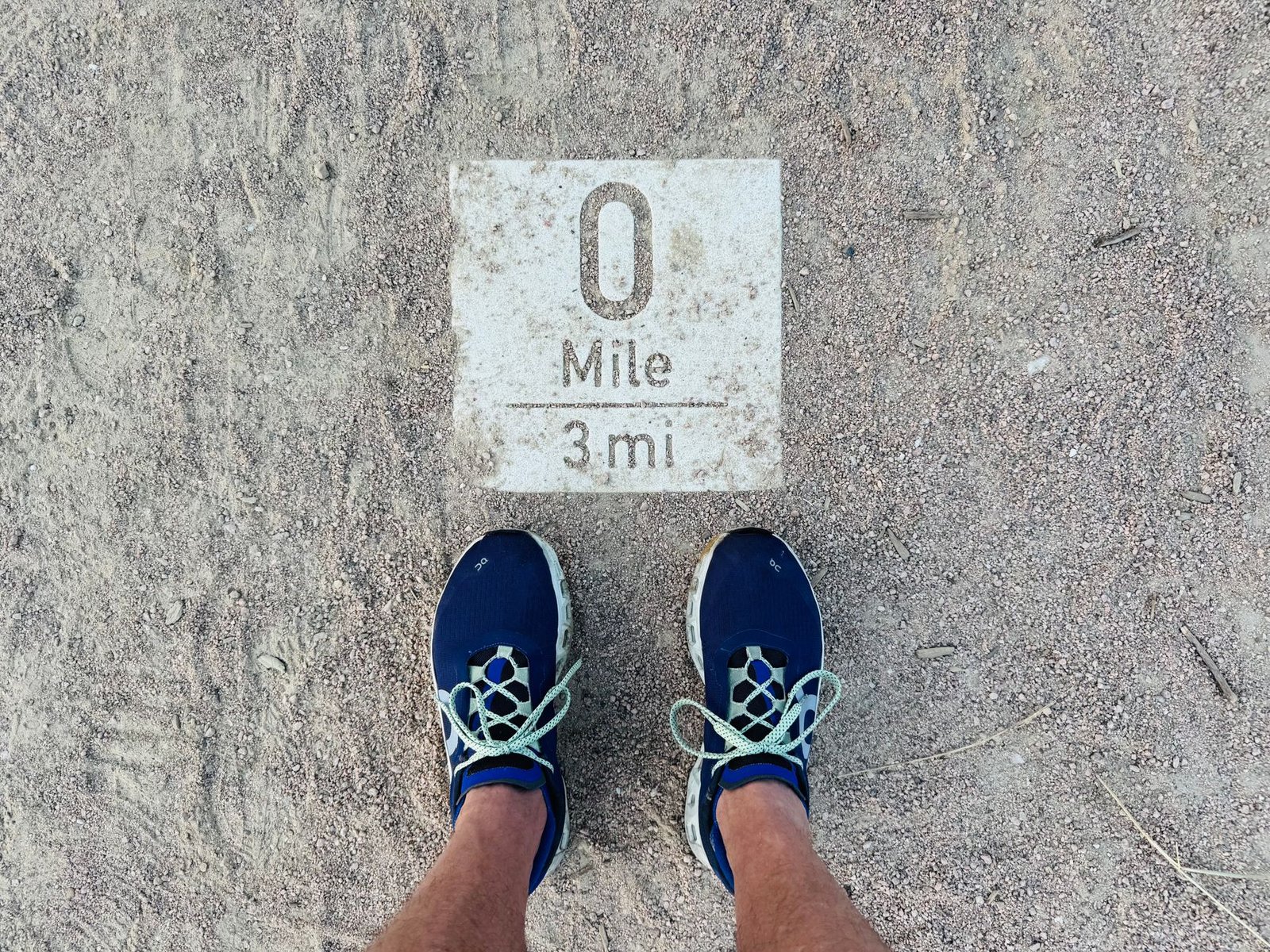
Build a Smarter Default for Your Next Run
So what to do when your legs feel heavy before mile one? Start easy with a real warm-up, check hydration and fueling, adjust pace immediately if heaviness persists, and protect your recovery with rest or low-impact work. Then review what likely caused the under-readiness so you do not keep repeating the same mistake.
The point is control: you cannot control your training week the moment you hit the trail, but you can control the response. Adapt early, keep the session useful, and let consistent preparation beat heroic perseverance.
What Should You Do When Your Legs Feel Heavy Before Mile One?
Why do my legs feel heavy before mile one?
Heavy legs before mile one often mean you’re under-recovered or starting too aggressively, and it can also be caused by skipping a proper warm-up, fatigue or overtraining, dehydration, poor fueling, inadequate sleep, or low iron and other nutrient gaps.
What should I do in the first minutes if my legs feel heavy before mile one?
Take the edge off immediately by doing a 5–10 minute easy warm-up (brisk walk or light jog), then add dynamic mobility and activation (leg swings, lunges, air squats) and start at an easy pace—if heaviness hits, slow down right away rather than pushing through.
How can I warm up when my legs feel heavy before mile one?
Use progressive warm-up: easy movement first, then dynamic leg drills and a few short, controlled accelerations, keeping posture tall and engaging your core while you aim for looser hips and smoother stride before increasing effort.
How do hydration and fueling affect heavy legs before mile one?
Dehydration and low glycogen can make legs feel sluggish, so hydrate earlier in the day and consider a carbohydrate snack before running; if this is a recurring issue, check electrolytes and make sure your diet includes enough carbohydrates for energy and adequate protein plus key minerals like iron.
Should I change my pace or cadence if my legs feel heavy before mile one?
Yes—go by feel and reduce intensity if heaviness appears, often improving comfort by slightly increasing cadence (shorter, quicker steps) and reducing ground contact while keeping your form upright and relaxed.
When should I get help for heavy legs before mile one?
If heaviness persists, worsens, or comes with pain, numbness, swelling, or unusual shortness of breath—or if you suspect circulation problems, diabetes symptoms, or iron deficiency—talk to a clinician, and in the meantime prioritize recovery (rest day, proper post-run stretching, and strength training that doesn’t pile fatigue onto hard days).
Do Not Push Through Heavy Legs
What to do when your legs feel heavy before mile one is simple: treat it as a signal, not a challenge. Ease into the run with a real warm-up, slow down immediately when heaviness shows up, and check the basics that drive recovery like sleep, hydration, and enough carbs and iron. If it keeps happening or comes with pain, get medical input. Your best race day starts with responsible today.

I am Ozan, a London-focused running writer and marathon enthusiast with a passion for helping people discover the city’s best races, running routes, walking trails, and fitness events. I research and write practical, up-to-date guides covering marathons, race preparation, training tips, running gear, and everything related to staying active in London.
My goal is to create reliable, easy-to-follow content that helps runners and walkers of all experience levels explore London with confidence, whether they’re preparing for their first 5K or their next marathon.





5 thoughts on “What to Do When Legs Feel Heavy?”