Wind does not ruin your run, it ruins your pacing habits. The moment GPS pace drops, many runners panic and try to force the same numbers, which leads to wasted matches and a late-race fade. I believe the smarter goal is to finish strong by training your effort to the conditions, not by worshiping the display.
So how do you protect your finish when the wind is working against you? You control the work rate using heart rate or perceived exertion, then accept that pace will vary, especially in headwinds. Keep your body efficient to reduce air resistance by staying tall through the shoulders, avoiding a hunch in gusts, and holding a slight forward lean from the ankles. Run with a neutral head and a streamlined profile, and shorten your steps slightly for quicker cadence so you spend less time exposed to the wind.
The other half of the equation is planning. Choose routes with shelter when needed, and structure sessions to manage exposure, like loops or out-and-backs that give you alternating headwind and tailwind. If you want adaptation, include deliberate headwind work at race-relevant effort for manageable distances, but keep elevation and complexity sensible when conditions are chaotic. Use stable, well-supported gear, consider drafting if it makes sense, and most importantly, check conditions and adjust for safety when gusts threaten balance or if you have any medical concerns.
Stop Chasing GPS Pace Into The Headwind
Headwinds do not make you weaker. They make your pace look worse on GPS. If you keep “correcting” by forcing the same number down the straight, you will pay for it later with fatigue, tight breathing, and a finish that arrives undertrained.
Your body follows effort, not the readout. When wind steals propulsion, the honest response is to hold controlled effort and accept that pace will drift. Ask yourself: do you want to protect your finish, or do you want to win an argument with an app?
In practice, expect GPS pace to drop even when workload feels steady. That is normal. Treat it as information, not a failure.
Use Heart Rate And RPE As Your True Speedometer
For remote training days, GPS is already imperfect. In wind, it becomes even more misleading because each gust changes resistance, stride efficiency, and oxygen demand. Remote work productivity is not the issue here, but the lesson transfers: manage the process, not the dashboard.
If you need reinforcement, use wind pacing guidance and set targets around heart rate and RPE, not “pace you planned.” When HR lags or drifts with warm-up, RPE becomes the tie-breaker.
Set a window. For example, hold the same RPE you would in calm air and let pace float. If HR rises faster than expected, that is your cue to back off before the finish line punishes you.
Headwinds Change Time, Not Work So Adjust Early
The most common mistake is waiting until you feel bad to change the plan. By then, you have already accumulated extra work from overreaching against resistance. The smarter move is to adjust early, before the stride length and breathing rhythm spiral.
When the wind hits, shorten your stride slightly and aim for smoother cadence. Keep your posture tall without stiffening. If you do that, your effort stays consistent, and your workout remains about training, not surviving.
If the wind makes pace drop, your job is to prevent effort from rising.
Form Is Fuel Keep Shoulders Loose And Profile Small
Wind rewards running mechanics that reduce air resistance. Hunching over is not “leaning into the work.” It increases your frontal area, changes breathing mechanics, and makes gusts feel more chaotic. You should look streamlined, not compressed.
Use clear cues: shoulders relaxed, slight forward lean from the ankles and whole body, head neutral, and a minimized profile. Keep elbows tucked and forearms relatively aligned so you do not present extra surface area.
Think of it as protecting your body from wasted energy. When you run cleaner in wind, your finish costs fewer recoverable units of effort.
Shorter Steps Prevent Overstriding When Gusts Bite
Gusts pull at balance. Overstriding turns each step into a braking event that costs stability and forces you to “fight” the next foot strike. The result is a late-race slide, even if your early effort felt controlled.
Adjust by running quicker, shorter steps. Keep mechanics efficient by limiting time exposed to the strongest resistance. If your stride starts to lengthen under strain, that is the moment to deliberately bring it back.
This is how you train wind without turning every headwind segment into a form breakdown. Your finish stays intact because your stride stays usable.
Tailwinds And Crosswinds Reward Control Not Heroics
Tailwinds can trick you into running faster than intended, similar to downhill running where gravity adds speed while effort stays easy at first. If you chase the pace spike, your aerobic system will not forgive you in the final kilometers.
Crosswinds are different. They can push you sideways and destabilize your line. Lean slightly into the wind for stability and stay smooth. Don’t yank your torso. Make small, consistent corrections at the ankles and hips.
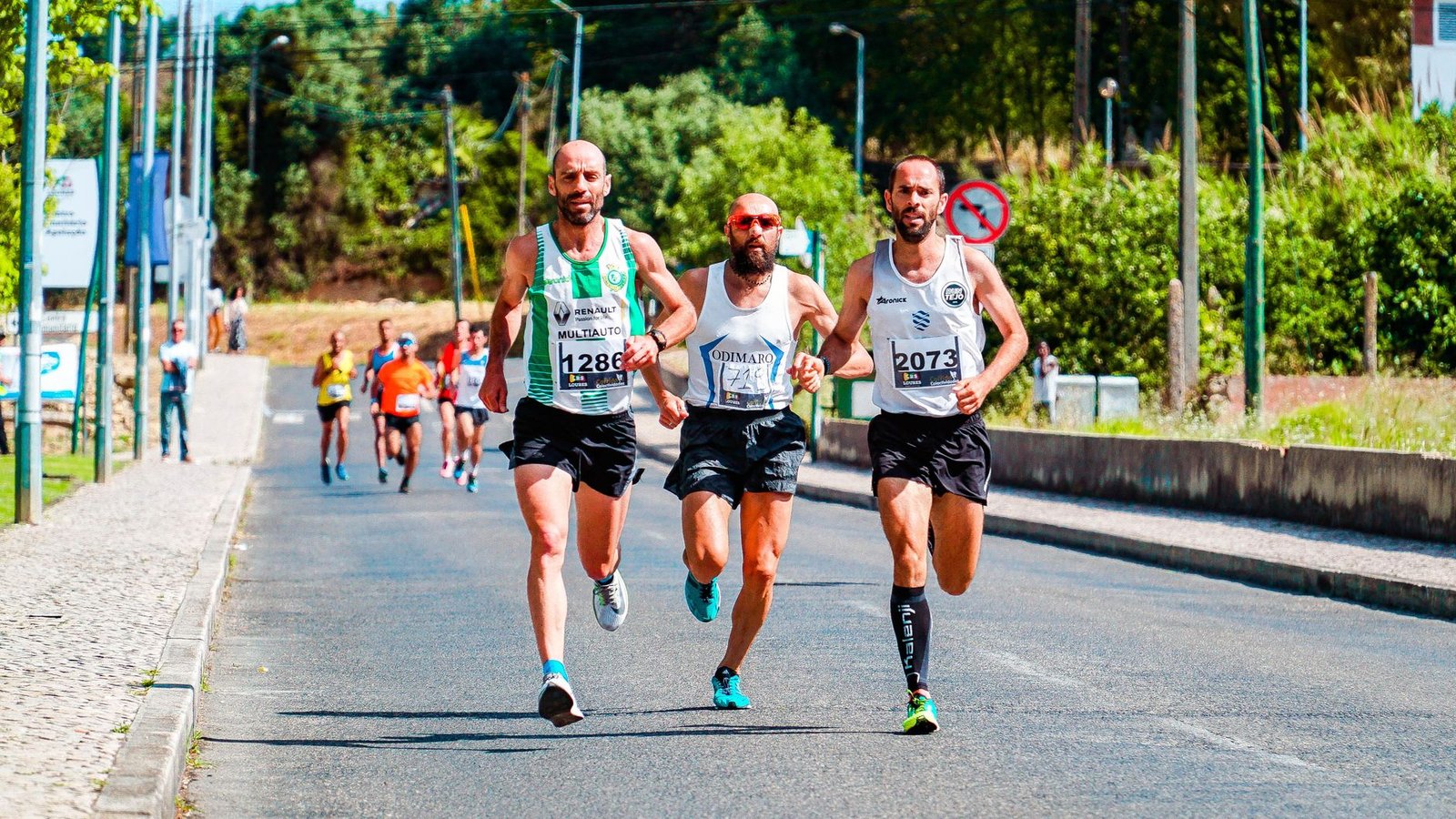
- Tailwind goal Hold effort steady and keep mechanics calm
- Crosswind goal Stay balanced and adjust with small lean
Control is the training benefit. Chaos is the tax.
Route Planning Protects The Workout From Being All Wind
Wind is not evenly distributed. One stretch of exposure can be the entire difference between a great session and a ruined one. You should plan for alternating conditions so the workout targets your goal, not the direction of the weather.
Use sheltered areas when needed and structure sessions to reduce long unbroken exposure. A looped “lollipop” or out-and-back format helps you face headwind and then tailwind, balancing what the wind demands.
| Session Idea | Wind Exposure Pattern | Effort Target |
|---|---|---|
| Out and Back 5 to 8 km | Headwind first then tailwind | RPE steady in race range |
| Lollipop Loop 4 to 7 km | Alternating segments by design | HR within planned zone |
| Tree Lined Corridor | Reduced gust intensity | Form focus with relaxed shoulders |
| Staged Repeats with Shelter | Short headwind windows | Controlled breathing and cadence |
| Easy Run Then 4 Strides | Brief wind exposure only | Strides smooth not sprinted |
When you plan the wind, you stop blaming it for workout design flaws. Your body gets the stimulus you chose.
Deliberate Headwind Reps Build Tolerance Without Breaking You
If you want real adaptation, you need intent, not random struggle. Deliberate headwind work trains your system to hold mechanics and effort when resistance rises. The key is to keep the session controlled.
Run rep distances like 400 to 800 m at a race-relevant effort into a headwind. Short enough to maintain form, long enough to matter. Then recover fully until breathing settles and stride rhythm returns.
Integrate elevation sensibly. In windy conditions, the safest adaptation is usually simpler: fewer variables, clearer effort targets, and controlled technique through every rep.
Elevation And Wind Need Simple Rules For Race Prep
Elevation changes workload by itself. Wind changes resistance by itself. Stack both and it becomes easy to overcook the session while still “feeling” like you are following the plan.
Your rule should be blunt: when conditions are windy, prefer simpler routes unless the race itself features major climbs. If your key prep run includes hills, treat them as planned workload, not extra punishment. Otherwise, shorten the session, reduce complexity, and let wind be the variable you actually train.
The goal is a finish that still has quality in it. That requires restraint when weather adds difficulty.
Gear And Footing Matter When Gusts Shake Balance
Wind is not only about physics. It is about how stable your body stays when gusts hit from unexpected angles. Poorly supported feet and slippery traction can turn a planned workout into a constant micro-correction session.
Choose stable, wind-resistant gear when conditions are rough. Make sure your shoes fit securely, your laces hold the foot in place, and your socks do not bunch. If gusts make footing unpredictable, prioritize confidence over speed.
When your balance improves, your effort stays cleaner. That is how equipment protects the finish.
Drafting Can Save Effort But Keep It Safe
Drafting behind other runners reduces the work you feel into the headwind. That can help you maintain controlled effort while still challenging your aerobic system. It can also tempt risky behavior if people surge or drift.
Draft only with runners who are predictable and in sync with your pace plan. Keep spacing consistent, communicate quickly, and avoid sudden side steps. If you cannot trust the group, skip drafting and go back to form and effort targets.
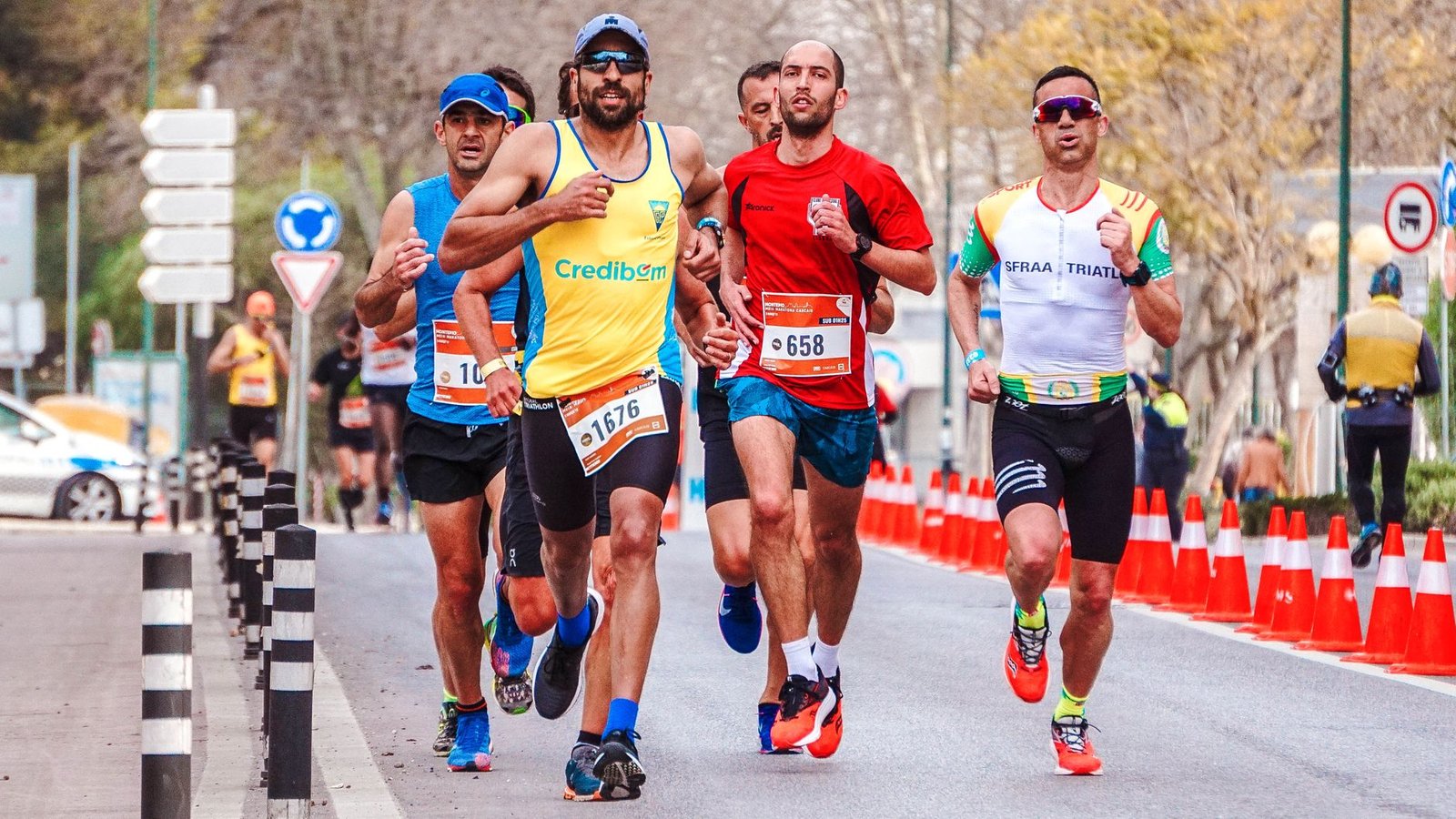
Done responsibly, drafting is a tool. Done sloppily, it is a hazard.
Wind Safety And Recovery Decide Your Finish
Wind sometimes creates real risks. Dangerous gusts can compromise balance, especially for runners with a history of dizziness, asthma flare-ups, or injuries affected by uneven ground. Your training plan should include a safety threshold, not just a motivation threshold.
If gusts are violent or conditions feel unstable, postpone or switch to treadmill or rest. Recovery is not weakness. It is what turns today’s controlled effort into tomorrow’s performance.
Protect your finish by making smart calls now. When you treat wind as a training variable, your pacing, mechanics, and health stay aligned.
How to Train in Wind: Effort Adjustments That Protect Your Finish
How Can Effort Adjustments During Wind Training Protect Your Finish?
Use controlled effort (heart rate and perceived exertion) instead of rigid pace targets, because headwinds often slow GPS even at the same workload; expect your pace to drop, and avoid “overdoing” to force old numbers.
What Form Cues Help Reduce Air Resistance When You Train With Wind?
Keep your shoulders relaxed, maintain a slight forward lean from the whole body (not hunching), hold your head neutral, and minimize your profile by keeping elbows tucked and forearms fairly aligned.
Should You Change Stride Length and Cadence in a Headwind?
In a headwind, shorten your stride slightly and take quicker steps to stay mechanically efficient while spending less time exposed to the strongest wind, focusing on smooth, efficient mechanics rather than chasing pace.
How Do You Stay Balanced in Tailwinds and Crosswinds During Wind Training?
In tailwinds, stay smooth and controlled like downhill running without forcing form, and in crosswinds lean slightly into the wind for stability to prevent wobbling while maintaining rhythm.
How Should You Plan Routes to Manage Wind Exposure and Keep Training Safe?
Choose sheltered, tree-lined, or built-up routes when needed and use looped “lollipop” or out-and-back options so you alternate headwind and tailwind instead of staying exposed for long stretches.
When Should You Adjust Tactics Like Drafting, Gear Choices, or a Treadmill Instead?
Consider drafting behind other runners if conditions allow, wear stable, wind-appropriate gear with secure footing for gusty balance changes, and check conditions closely—switch to a safer route, treadmill, or rest if gusts become dangerous or your balance or health feels at risk.
Train Smart In Wind, Protect Your Finish
When you follow how to train with wind: effort adjustments that protect your finish, you stop chasing meaningless GPS splits and start controlling the workload that actually drives adaptation. Let headwinds slow the pace, keep form tall and steady to reduce air resistance, and use shorter, quicker steps so you spend less time exposed while staying protected and efficient. That disciplined approach turns wind from a threat to your legs into a training tool, and it will show up on race day when you stay calm, controlled, and finish strong.

I am Ozan, a London-focused running writer and marathon enthusiast with a passion for helping people discover the city’s best races, running routes, walking trails, and fitness events. I research and write practical, up-to-date guides covering marathons, race preparation, training tips, running gear, and everything related to staying active in London.
My goal is to create reliable, easy-to-follow content that helps runners and walkers of all experience levels explore London with confidence, whether they’re preparing for their first 5K or their next marathon.