Pace targets alone rarely survive reality. You can plan an exact number, but wind, heat, terrain, and fatigue will rewrite the rules the moment you step outside. That is why long-run pacing should be guided by how hard the effort actually feels, not by how fast your watch says you are going.
Using RPE as your decision tool makes your long-run steadier, because it connects training intensity to internal workload in real time. Pick an RPE target for the day, then adjust your speed until your exertion matches it. If your RPE starts climbing above the plan, slowing down is not failure, it is course correction.
This approach also builds better pacing instincts over time. When you repeatedly “check in” with your perceived effort and learn what your chosen RPE feels like across different conditions, you stop chasing pace that no longer fits and start earning consistency that does.
Stop Chasing a Fixed Pace That Lies
Remote work would be easier if the outside world behaved consistently. Running is not like that. Wind changes. Heat rises. Legs feel different on Tuesday than they did on Saturday. When you lock into a fixed long-run pace, you are forcing your body to negotiate against the day.
That is why how to use rpe (rate of perceived exertion) to control long-run pace matters. RPE is subjective, yes, but it is subjective in the one place that cannot be gamed: your internal effort. If your effort is steady, your pace will naturally adjust to match reality.
Counterargument: “Pace is objective. RPE is fuzzy.” True, pace is measurable. But what does pace measure when the terrain tilts, the humidity spikes, or your sleep tanked? It measures output you cannot reliably interpret. RPE measures the thing that actually controls endurance: how hard the effort feels right now.
Pick a Real-Time RPE Scale and Commit to It
Use a single RPE scale and keep it consistent. The classic range is 0–10, with 1–2 extremely easy and 10 maximal effort. Some runners use 6–20, but the principle is the same: make the scale work for you in the moment, not in retrospect.
Long runs live in the low range. If you want sustainable endurance, plan most miles to feel “pretty easy.” For many runners, that means roughly RPE 2–3 for easy aerobic miles and RPE 3–4 for easy endurance efforts that still feel controllable.
Commit to checking effort periodically. If you wait until the end, you have already made the wrong decision. RPE is a control signal, not a postscript.
Choose a Long-Run RPE Target Before You Start
Every great endurance run begins with a target. Don’t start by guessing whether today will “feel good.” Instead, decide what success looks like: how hard your legs should feel at the end of the run, not how fast you hope to move early.

If your plan is an easy long run, set your target RPE in advance. Then treat that target like a throttle. When you feel yourself creeping upward, the run has already drifted from “training” into “accident.”
Ask yourself a simple question: Do I want a finish that feels like I could do this again tomorrow? If the answer is yes, the RPE target should stay low.
Practice Effort Checks That Interrupt Drift
Most pacing failures are not dramatic. They are gradual. You start comfortable, then the day heats up, the trail pinches, and your pace quietly rises while your body quietly pays.
To prevent that, check your RPE periodically. Early in the run, take the measure. Mid-run, take it again. Near the end, confirm it has stayed near target. The goal is not obsession. The goal is feedback.
When RPE trends higher than planned, treat it as a warning light, not a mystery. Slow down enough to bring exertion back to the target instead of forcing the original pace.
Adjust Speed, Not Ambition
RPE is built for variable conditions. If effort is too high, you adjust speed. That is not giving up. That is using the tool correctly.
Try this rule: if your RPE feels harder than planned, slow down until it stops. If your effort is matching target and you feel smooth, you can hold or gently increase pace. The pace becomes an outcome of controlled effort, not a command.
Your pace is a negotiator. Your RPE target is the contract.
Use Hills and Weather to Calibrate Your “Easy” Feel
RPE automatically reflects internal and external variables, including wind, terrain, temperature, and fatigue. That is exactly why it is more useful for long-run pacing than trail pace or GPS averages that fail when conditions shift.
If you want a grounded reference point, a lot of runners benefit from training advice that explains how easy should feel across days.
| Condition | Typical Effort Cue | RPE Target |
|---|---|---|
| Cool road | Relaxed breathing | 2 to 3 |
| Warm air | Breath slightly louder | 2 to 3 |
| Rolling hills | Steady uphill control | 3 to 4 |
| Steady headwind | Effort up, pace down | 2 to 3 |
| Fatigued legs | More strain for same pace | 2 to 3 |
Calibrate over time. The point is not to invent a new RPE each week. The point is to learn what your target feels like when the course tries to sabotage you.
Keep “Easy” Really Easy So Endurance Has Fuel
Endurance training works when your easy miles are actually easy enough to recover and accumulate aerobic stress. If your long run drifts upward in RPE, you steal the workout from next week’s quality sessions.
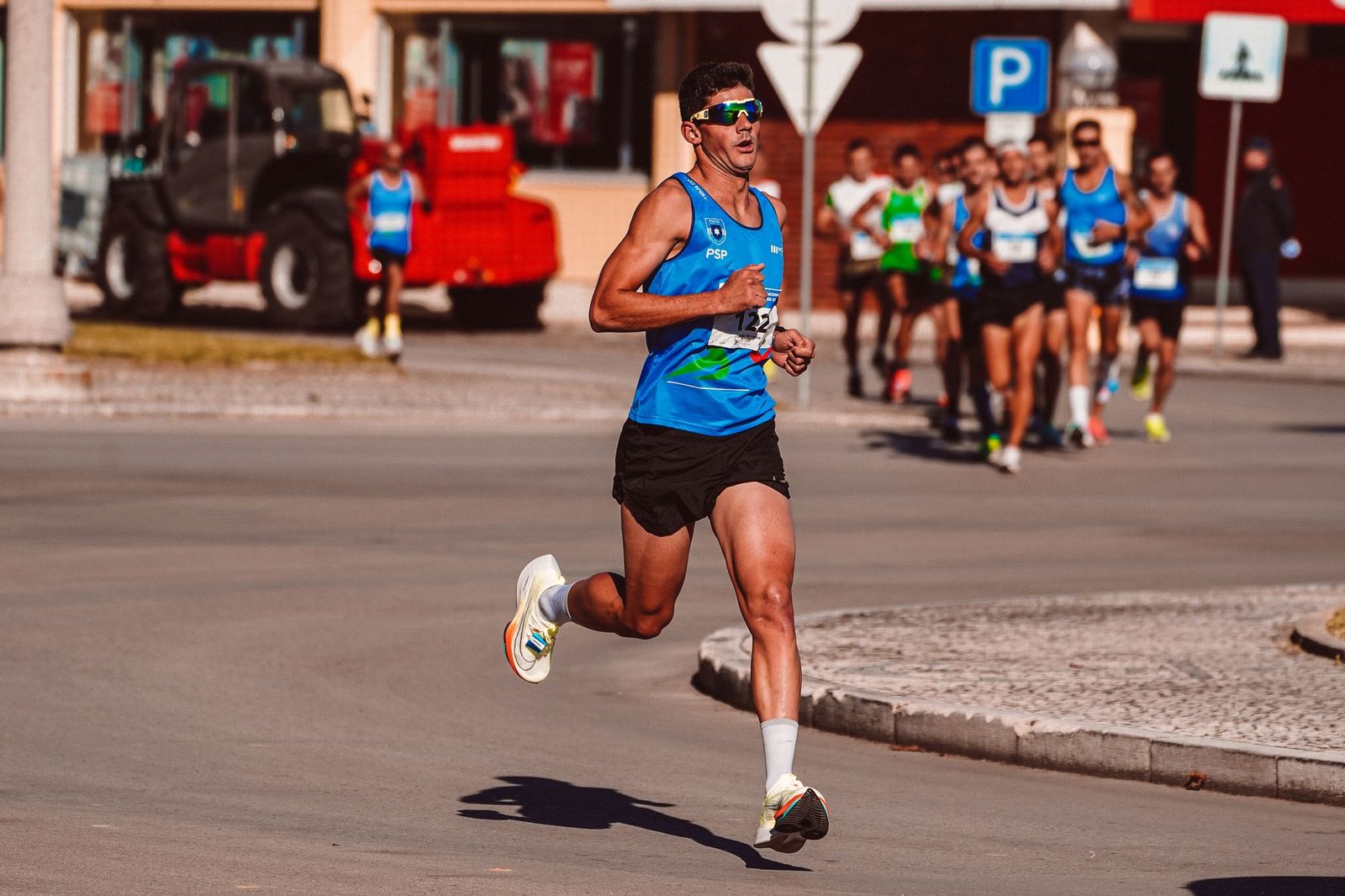
For long, endurance-focused running, keep most work in the low RPE range. Many athletes find RPE 2–3 fits long runs/easy aerobic miles, while RPE 3–4 can work for easy endurance efforts that stay controlled and sustainable.
Counterargument: “I run by pace because it builds speed.” If that is true, why do most runners feel wrecked after their easy long run? Speed comes from the right intensity at the right times, not from accidentally turning easy days into hard days.
Don’t Throw Away RPE by Chasing Perfect Numbers
Some people hear “subjective scale” and conclude it is unreliable. That is the wrong lesson. RPE is subjective, but it is systematic when you treat it like a control variable and measure it consistently.
Instead of aiming for a single magic number, aim for a narrow band that matches the intent of the run. Easy is not “exactly 2.5 forever.” Easy is “roughly low effort that does not balloon when conditions worsen.”
Your job is to prevent the run from quietly becoming harder than planned. With RPE, you can do that with small adjustments rather than painful corrections at the end.
Combine RPE With Heart Rate Without Letting It Hijack You
Heart rate can support your RPE, especially when you want confirmation that your perceived effort corresponds to the physiological intensity you intend. Use heart rate as a complement, not a replacement.
Why? Heart rate lags and drifts. Hydration changes. Heat changes. Electronics change. If you only trust heart rate, you will sometimes slow down unnecessarily or surge when you should hold back.
Use this approach: target RPE first, then check whether heart rate broadly agrees. If they diverge, re-center by returning to the RPE target you chose for the workout’s long-run purpose.
Target Higher RPE Only for the Planned Work
Structured runs often include intervals, tempo segments, or pickups. The temptation is to let the whole session creep upward. Don’t. Discipline matters.
If you do faster work, apply higher RPE only to the “work” portions and keep recovery sections at much lower RPE, often around 1–2 for true recovery. That preserves the intended long-run intensity and protects your ability to finish strong.
Counterargument: “But my pace was slower on the recoveries.” Good. Recovery is supposed to feel easy enough that you can repeat the work portion without turning the day into a single prolonged grind.
Build a Two-Layer Plan for Long Runs
Long-run success is not one variable. It is two layers: the effort target and the pace outcome. RPE governs effort. Pace reflects conditions. That separation keeps you flexible without being aimless.
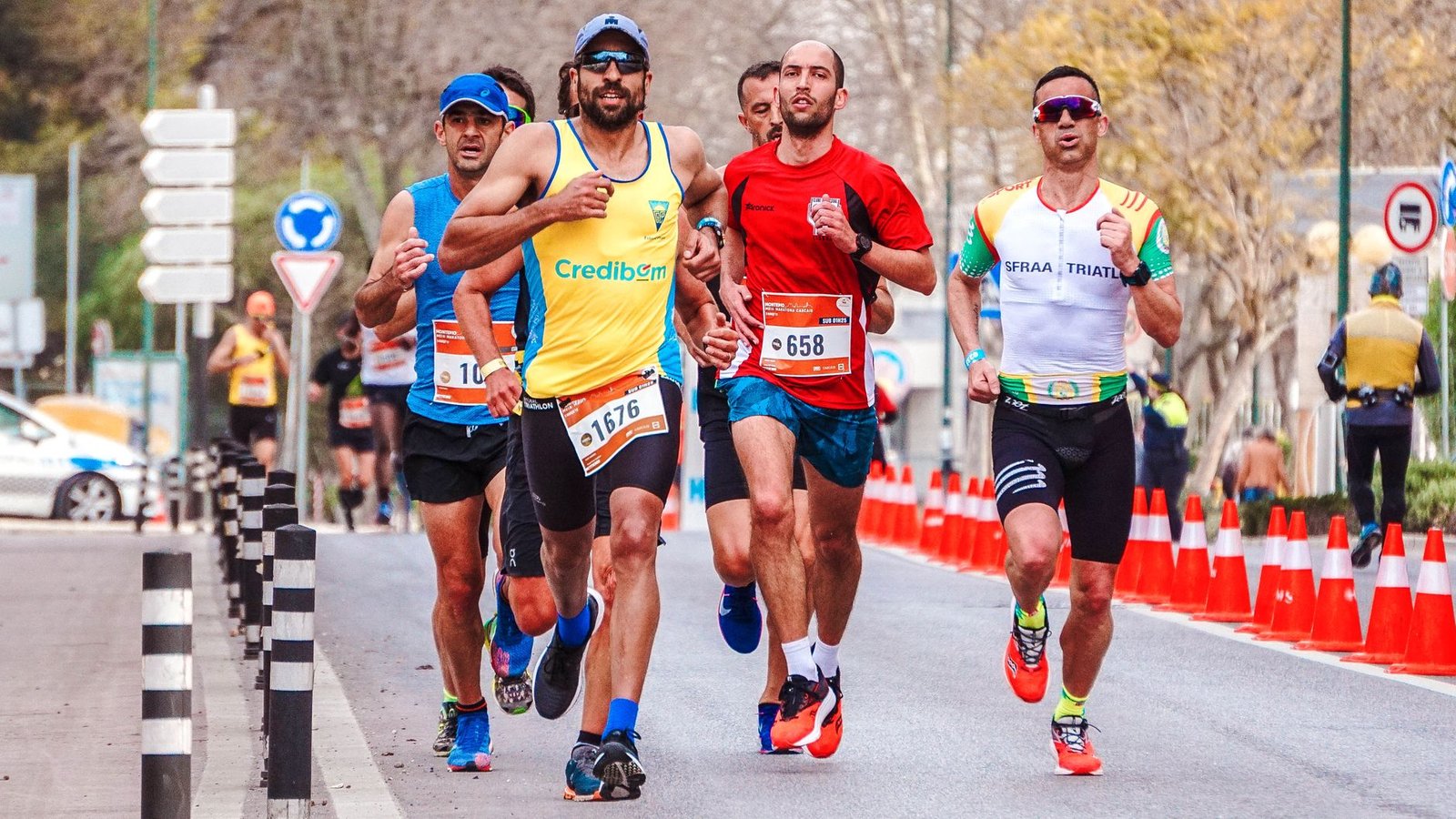
Start with a clear RPE intent, then allow pace to shift naturally. On a hot windy route, your pace may drop sharply while your RPE stays right where it should be. That is not failure. That is training correctly.
After the run, review whether your effort stayed in the band you chose. If it didn’t, adjust your target for the next long run only if your body consistently disagrees, not if your ego demands a faster pace.
Common Mistakes That Ruin RPE-Based Long Runs
RPE can fail when runners treat it like a vague feeling with no standard. The most common errors are starting too fast, checking too rarely, and refusing to slow down when RPE rises above target.
Another mistake is confusing “easy” with “effortless.” Easy still requires movement. You should feel comfortable and controlled, with breathing steady and strain limited, not bored and sedentary.
Finally, don’t use RPE to justify random changes mid-run. Use it to correct the run toward the plan: when RPE climbs, slow down. When RPE stays on target, trust the process.
How to Use RPE to Control Long-Run Pace
What Is RPE (Rate of Perceived Exertion) and How Do You Use Its Scale for Long-Run Pace?
RPE (Rate of Perceived Exertion) is a subjective effort rating you track in real time, usually on a 0–10 scale (sometimes 6–20), where low numbers feel very easy and high numbers feel maximal; for long-run pace control, you pick an RPE target and run at a speed that makes your effort match that target rather than chasing a fixed pace.
Which RPE Targets Help You Set Long-Run Pace for Easy Aerobic Miles?
For endurance-focused running, keep most of your work in the low RPE range, often around 2–3 RPE for easy long runs and easy aerobic efforts; if you use RPE 3–4 for “easy endurance” days, choose that only if the effort still feels sustainable and you can maintain it for the full distance.
How Often Should You Check RPE During Your Long-Run to Control Pace?
Check your RPE periodically—such as every 5–15 minutes or when conditions change (hills, wind, temperature)—and use the reading to guide small pace adjustments; the goal is to keep effort steady over the run, not to react only at the start or the finish.
How Do You Adjust Speed When Your RPE Is Higher or Lower Than Planned for Long-Run Pace?
If your RPE trends higher than the target, slow down immediately until the effort drops back to the intended range; if your RPE is lower than planned, you can gradually increase effort to reach the target, but avoid making large jumps so the run stays comfortable and consistent.
Why Is RPE Better Than Fixed Pace for Controlling Long-Run Pace in Changing Conditions?
RPE automatically reflects internal and external factors like heat, fatigue, terrain, wind, and hydration status, while a fixed pace can become too fast or too slow depending on the day; using RPE helps you keep the physiological intensity where you want it even when pace would be misleading.
Should You Combine RPE With Heart Rate to Control Long-Run Pace?
You can use heart rate as a complementary check, not a replacement, to confirm that your RPE target matches the intensity you intend; over time, calibrating how a given RPE corresponds to your typical heart-rate range can make long-run pacing more accurate, especially on days when conditions swing your heart rate.
Stop Chasing a Fixed Pace and Use RPE Instead
For long-run success, the real answer is how to use rpe (rate of perceived exertion) to control long-run pace by steering your speed to match how hard the effort actually feels in real time, not by forcing the same numbers every day. Choose a sustainable RPE target, keep most of your running in the low range, and adjust immediately when RPE climbs beyond plan, because consistency comes from controlled effort, not rigid pace that ignores weather, terrain, and fatigue.

I am Ozan, a London-focused running writer and marathon enthusiast with a passion for helping people discover the city’s best races, running routes, walking trails, and fitness events. I research and write practical, up-to-date guides covering marathons, race preparation, training tips, running gear, and everything related to staying active in London.
My goal is to create reliable, easy-to-follow content that helps runners and walkers of all experience levels explore London with confidence, whether they’re preparing for their first 5K or their next marathon.