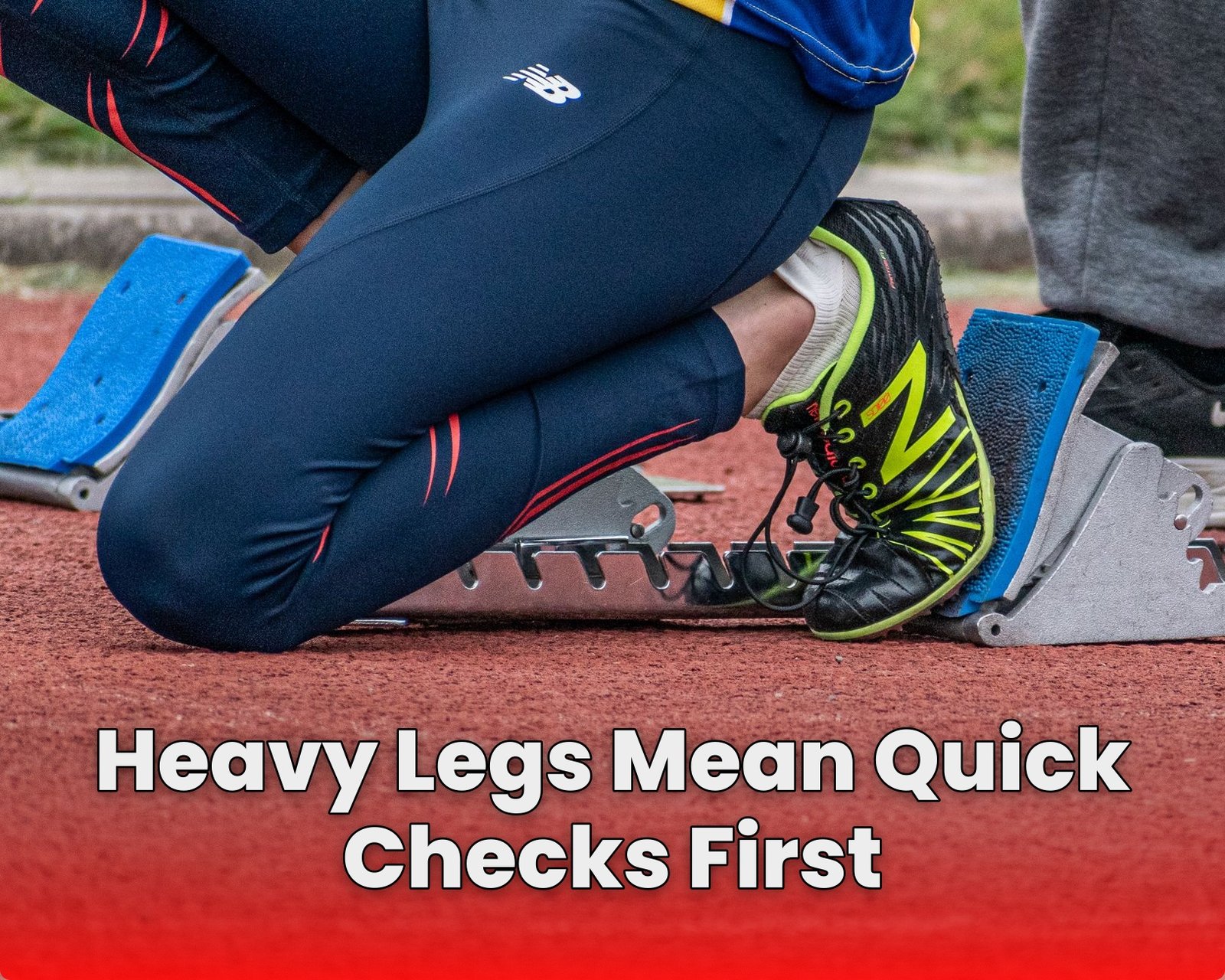
How to dial in your London Marathon footstrike for comfort is not about forcing a trendy midfoot pattern. It is about removing the mechanics that create braking and overload in the first place, because comfort rarely comes from changing where you land overnight and more from fixing how far your foot reaches ahead of you.
Here is the uncomfortable truth: many runners do not need a heel-to-forefoot conversion, they need less overstriding. When you land closer under your center of mass, you reduce ground-reaction forces and the “stop” you feel each step; then you back it up with a slightly quicker cadence so each stride shortens naturally instead of yanking your leg forward.
So dial it in by checking your habitual cadence on an easy run, then raising it gradually by about 5 to 10% using a metronome or BPM playlist. Keep the change conservative over weeks, only bringing the higher cadence to marathon pace when it feels automatic, and listen to your body if a comfortable heel strike with a smaller contact angle beats a forced forefoot feel.
Stop Chasing a Forced Midfoot Pattern
If your goal is how to dial in your London Marathon footstrike for comfort, the biggest mistake is treating footstrike style like a moral choice. Many runners comfort themselves with the idea that they must become a midfoot striker to be “better.” That logic is wrong.
Some marathoners naturally heel strike and feel great, stay injury-free, and finish strong. Others feel better with less heel lead. The real question is not where your foot lands, but what your landing does to braking forces and load.
A forced “upgrade” can simply shift stress from one tendon or tissue to another. If your calf and Achilles start complaining, you did not improve your mechanics. You just moved the problem.
Overstriding Turns Every Step Into Braking
Comfort at marathon pace depends on physics, not preferences. When you reach your foot too far in front of your body, you increase the time and angle of contact, which raises ground-reaction forces and produces a larger braking impulse.
That is why runners who “feel fine” in training sometimes discover a nasty slowdown later on race day. The injury risk often arrives after you have paid that braking cost for hundreds of steps.
Land Closer Under Your Center of Mass
The clearest cue for comfort is simple. Aim to land your foot closer under your center of mass and reduce how far you are “reaching” forward. Even small changes can lower the braking load that irritates feet, shins, and calves.
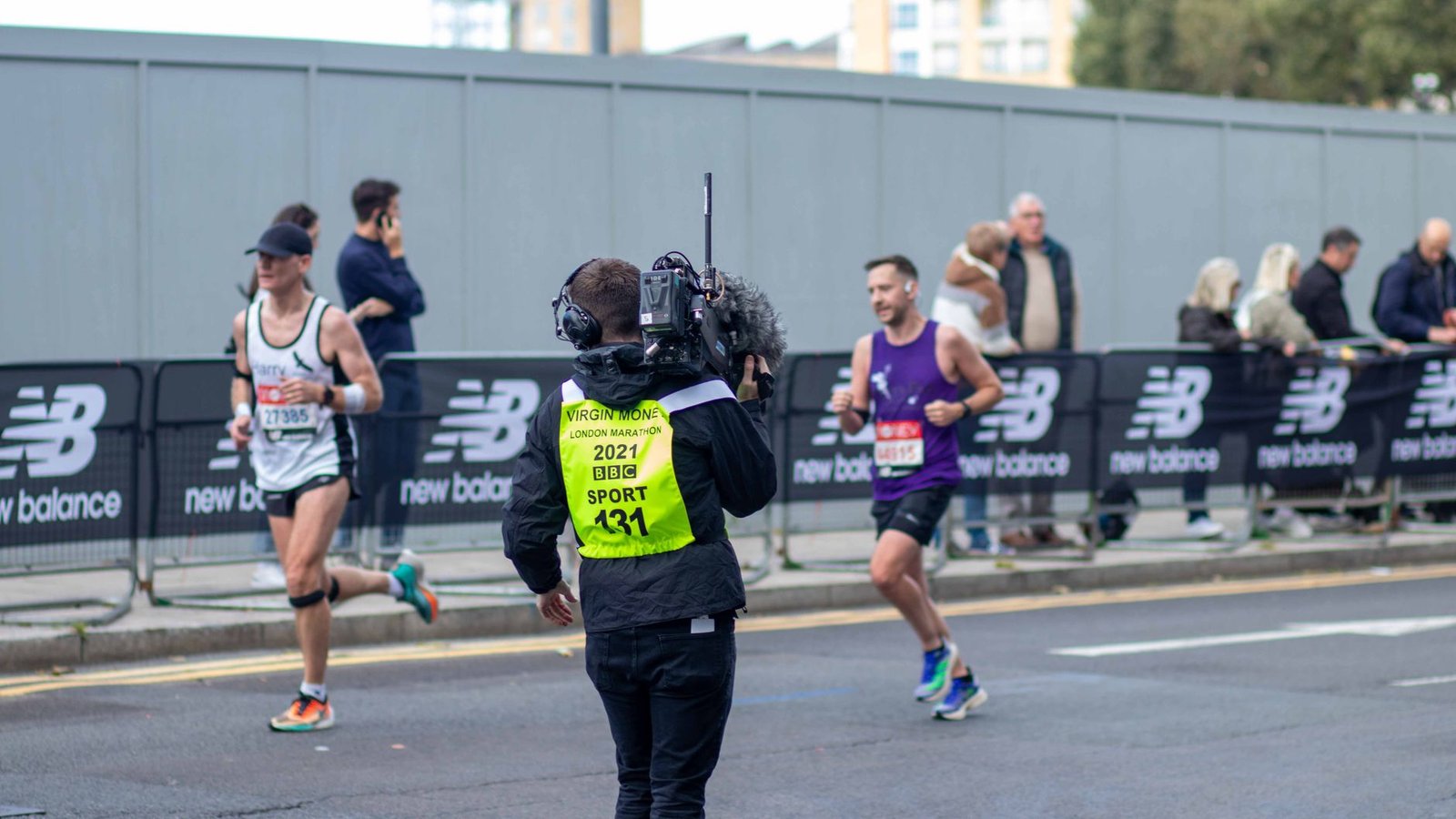
Do you notice your stride feels like you are pushing against the ground rather than moving forward? That sensation often means the foot is landing too far ahead and too hard.
For many runners, the comfort win comes from less overstride, not from a dramatic change in strike location.
Raise Cadence By 5 to 10 Percent, Then Hold It
Cadence is the lever you can pull without inventing new technique from scratch. When you increase cadence gradually by about 5–10%, your stride shortens and your foot returns closer under you, which helps reduce braking.
This is why a metronome or BPM playlist works better than vague “run lighter” advice. You get a measurable rhythm change, and your body can adapt without sudden load spikes.
Keep the increase conservative at first, then only carry the higher cadence to marathon pace once it feels automatic.
Check Your Habit on an Easy Run First
Before you dial anything in, you need a baseline. Check your habitual cadence on an easy run, ideally on a route that feels normal and does not tempt you to surge.
Then ask a practical question. When you look at your step pattern, does it show the signs of overstriding, such as a long reach and a heavier “hit” in front? If yes, cadence and foot placement adjustments are the right starting point.
Comfort comes from consistency, not from forcing a pattern in the first five minutes.
Contact Angle Is the Comfort Switch
It is not only whether you heel strike or midfoot strike. It is also how the foot meets the ground relative to your forward motion. Many runners can keep a comfortable heel strike if they reduce the contact angle and land closer under the body.
That mindset is echoed in a foot strike guide that emphasizes outcomes like braking and rhythm. Use it to shift from ideology to measurable change.
| Cue | Target Change | What It Should Feel Like |
|---|---|---|
| Cadence | +5 to 10% | Quicker turnover |
| Overstride | Less reach | Foot under you |
| Contact Angle | Smaller | Less “slap” feeling |
| Stride Length | Shorter steps | More efficient roll |
| Marathon Pace Check | Repeat after adaptation | Comfort holds late |
Once you can feel those three pieces together, the “footstrike debate” becomes irrelevant. You are training for comfort through reduced braking and better rhythm.
Wear Should Not Dictate Your Mechanics
Your shoes cannot fix poor mechanics, but they can help you express good mechanics with comfort. If the fit is wrong, your footstrike will be unstable, your lacing will drift, and your stride will compensate in ways you never intended.
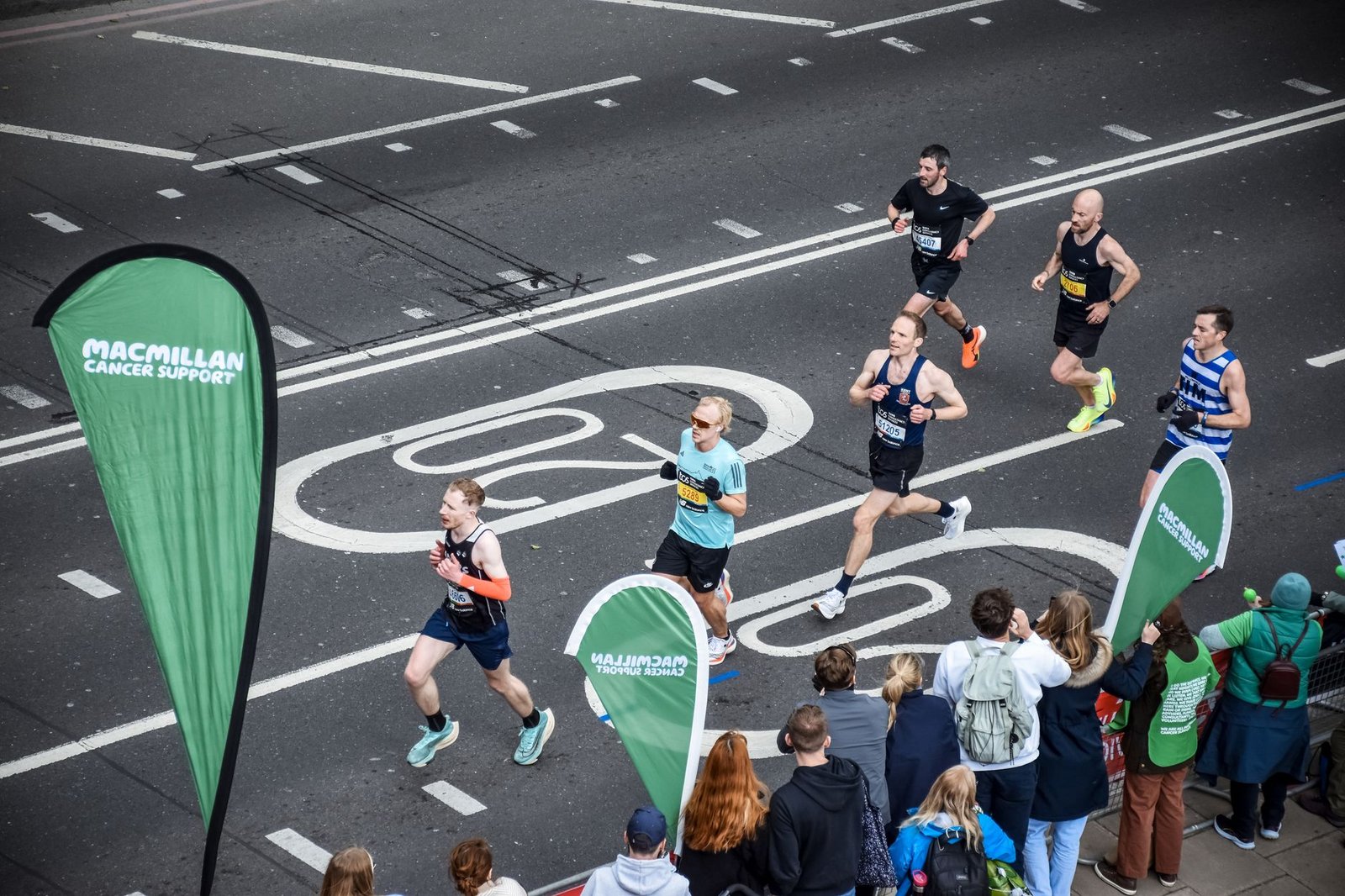
Prioritize a secure lockdown with toe room and no heel slip. Cushioning matters mainly for what feels comfortable, and cushioning alone is not proven to prevent injury.
So if you are chasing comfort, start with fit and stability. Then make footstrike cues easier to follow.
Use Heel-to-Toe Drop Like a Tool, Not a Religion
Lower heel-to-toe drop shoes can encourage a midfoot feel for some runners, often in the rough range of 4 to 8 mm. That can be useful if you already run with a reasonable foot placement and you want subtle feedback.
But do not assume “lower is better.” At slower paces, comfort often comes from more familiar mechanics and a higher drop, especially if you are prone to calf or Achilles overload. A practical guideline is that for runs around 8:30 min per mile or slower, a higher drop can be the calmer choice.
Lacing and Lockdown Keep Your Strike Honest
Dial-in mechanics depend on repeatability. If your heel slips even slightly, your footstrike changes every stride and your cues become unreliable. Your body will then “solve” the discomfort with unintended motion.
Secure lacing so the foot stays planted. Make sure you have enough toe room for swelling on long runs, but keep the heel locked. When the shoe behaves, your footstrike can behave too.
Change Technique Gradually and Respect Load Shifts
Technique changes are not free. When you reduce overstride and raise cadence, you alter where forces go through your body. That can stress calves, Achilles, and lower legs during the adaptation period.
Phase the changes in over weeks, not days. Keep the technique subtle and conservative at first, and only increase the intensity when your body signals that it is coping.
The fastest way to sabotage marathon comfort is to change everything at once.
Prefer Subtle Comfort Tweaks Over All-or-Nothing Striking
Some runners are tempted to pick a single footstrike label and commit. That is usually the wrong framing. Comfort at London Marathon pace is more often achieved by combining a comfortable heel strike with reduced contact angle and improved foot placement.
In practice, your best progress comes from choosing one cue, repeating it, and letting the rest follow. Reduce overstride. Increase cadence slightly. Land closer under you. Then check how you feel.
- Comfort improves when braking forces drop
- Rhythm improves when cadence rises gradually
- Footstrike style becomes secondary to repeatable mechanics
Get Help When Symptoms Show Up on Long Days
If you have pronounced supination or recurring symptoms, technique tweaks can be necessary but not sufficient. At that point, you should consider orthotics or running-biomechanics guidance so the changes you make are aligned with your structure.
Do not wait until race week to address what keeps recurring. Long runs expose patterns that short runs hide, so treat pain signals as data, not background noise.
When you fix the underlying driver, your footstrike cues feel easier to maintain.
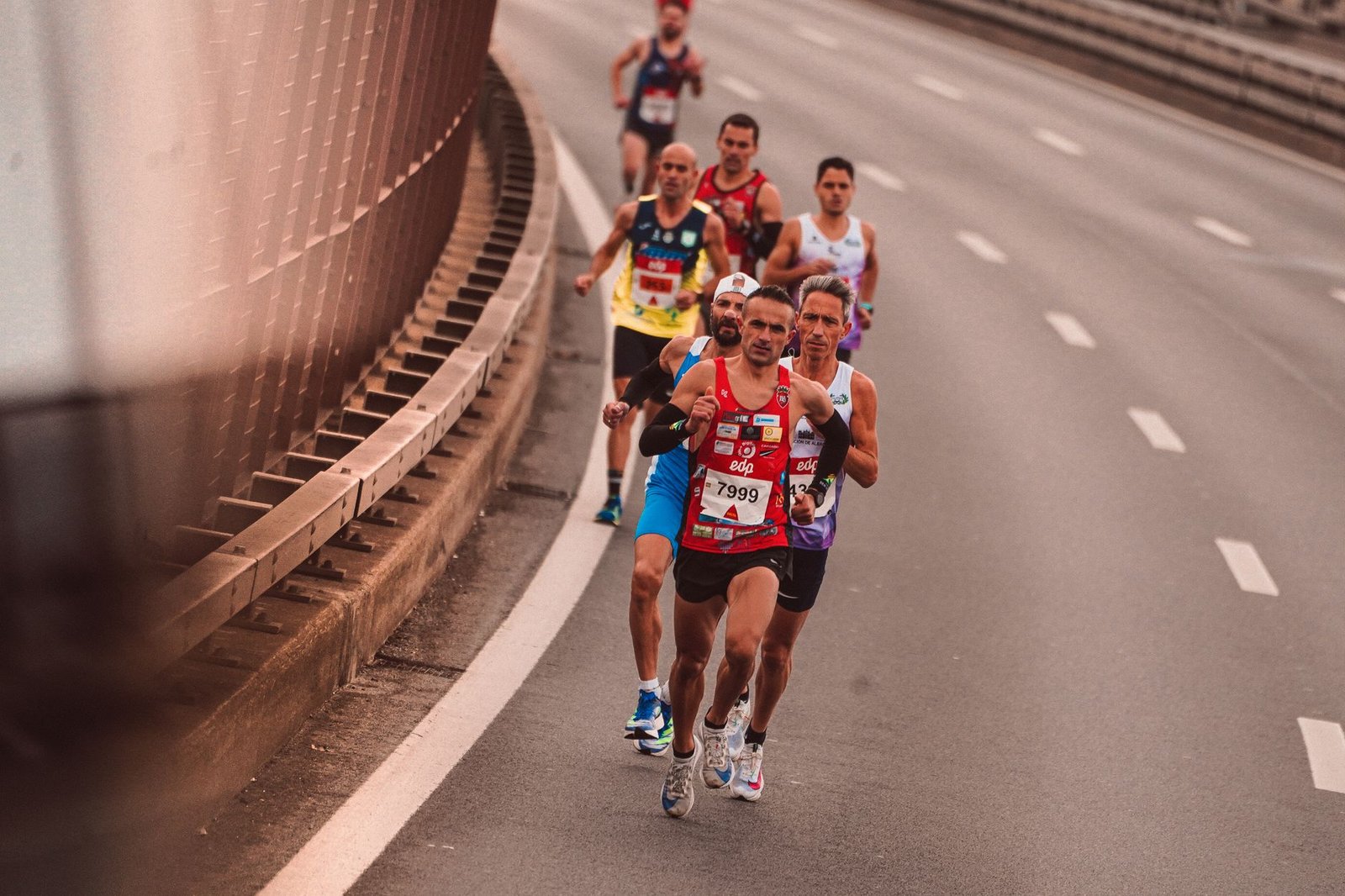
Retire Shoes Before Wear Starts Grinding Your Comfort
Even perfect cues can fail when the shoe is done. As cushioning and stability degrade, the same footstrike can feel harsher, less secure, and more tiring, especially late in a marathon.
Replace shoes before they degrade substantially, often around 500 miles (roughly 500–800 km) depending on wear patterns. If you wait for complete collapse, you are effectively training while borrowing risk.
For London Marathon comfort, the best time to change your shoes is before your feet have to relearn your mechanics on tired days.
How to Dial In Your London Marathon Footstrike for Comfort
How does your footstrike affect comfort during the London Marathon?
Your footstrike influences the forces you generate and how quickly you brake after landing. For marathon comfort, the most important “dial-in” is usually reducing overstriding so your foot lands closer to your body’s center of mass, which can lower braking impulse and help you feel smoother over long miles.
What cue helps you land closer under your center of mass to reduce overstriding?
Try a simple target cue: aim for your foot to contact closer beneath you rather than reaching forward. On an easy run, watch for a shorter stride and a smaller contact angle, which typically means less braking and better comfort without forcing a specific heel or midfoot pattern.
How can cadence changes improve footstrike mechanics for London Marathon comfort?
Check your habitual cadence on an easy run, then raise it gradually by about 5–10% using a metronome or BPM playlist. As cadence increases, each stride shortens and your foot tends to come back under you more easily; keep this progression conservative and only carry the higher cadence to marathon pace once it feels automatic.
Do you need to switch to a midfoot or forefoot strike for comfort in the London Marathon?
No. Many runners can stay natural heel strikers and be injury-free. Forcing a midfoot strike is not a universal upgrade and can shift load toward the calf and Achilles, so focus on reducing overstride and braking first, and let footstrike evolve naturally.
How should shoe fit and heel-to-toe drop influence your footstrike comfort?
Prioritize comfort and secure fit: stable heel hold, toe room, and reliable lacing so you aren’t fighting the shoe. Cushioning helps comfort but doesn’t reliably prevent injury by itself. If you want to experiment, try a small drop change (roughly 4–8 mm) in lighter training conditions, but avoid big sudden tech shifts right before race day.
When should you practice these changes and consider guidance to avoid injury?
Make technique changes subtle and gradual over weeks, since sudden load shifts can increase injury risk. Reassess how your body feels on long runs, and if you have pronounced supination or symptoms—especially over longer distances—consider orthotics or running-biomechanics guidance.
Dial It In Without Forcing a New Strike
If you want how to dial in your london marathon footstrike for comfort, stop chasing a trendy heel-to-midfoot swap and fix the drivers of discomfort instead: reduce overstriding so your foot lands closer under your center of mass and build a slightly higher, steady cadence, then phase it in gradually over weeks and keep your shoe fit genuinely comfortable. Comfort comes from control, not from forcing a pattern that your legs do not yet tolerate.

I am Ozan, a London-focused running writer and marathon enthusiast with a passion for helping people discover the city’s best races, running routes, walking trails, and fitness events. I research and write practical, up-to-date guides covering marathons, race preparation, training tips, running gear, and everything related to staying active in London.
My goal is to create reliable, easy-to-follow content that helps runners and walkers of all experience levels explore London with confidence, whether they’re preparing for their first 5K or their next marathon.