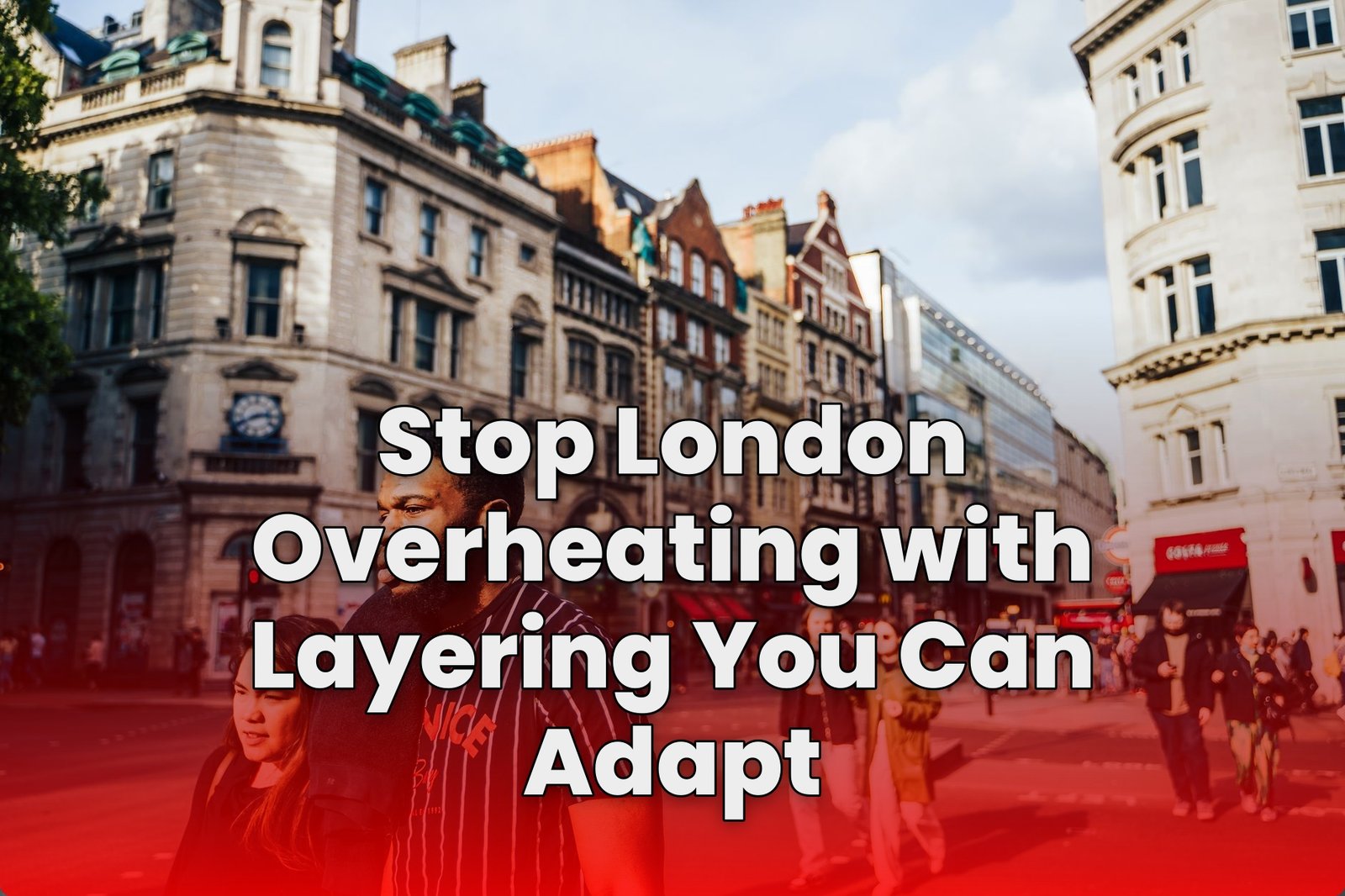
Overheating in London isn’t fate, it’s a wardrobe strategy problem. The city’s weather can swing fast, and if your outfit traps heat like a sealed container, you end up sweating through the day and wondering what went wrong. The truth is simple: you can stay comfortable if your clothes behave like a system, not a single, fixed “one temperature” choice.
Start with a breathable, moisture-wicking base, then add only one or two layers you can remove quickly. Think lightweight fabrics close to your skin, and easy-to-shed pieces like a zip-up top or a cardigan you can leave open when you’re warm and close when you’re cooler. This adaptable approach beats bulky coats and clingy materials, because it lets you respond to indoor air conditioning and outdoor sunshine without suffering through the middle.
Go lighter on color and looser in fit, plan your activity for cooler windows in the morning and evening, and be smart about the hottest stretch between 11am and 3pm. If you start to overheat, don’t “push through” because it feels inconvenient to adjust, shed layers immediately, move to shade or a cooler space, and cool exposed skin with a splash or cool pack. If symptoms worsen or you’re worried, seek NHS 111 advice, and call 999 for suspected heatstroke.
Start With Fabric That Breathes, Not Fabric That Clings
If you want to know how to avoid overheating in London with layering you can adapt, the starting line matters. A breathable, moisture-wicking base is not optional when the air feels thick and you are moving between street heat and indoor air conditioning.
Skip clingy synthetics that trap sweat and turn it into a warm, sticky layer. Choose lightweight cotton, linen, or bamboo that lets sweat move away from your skin, so your body can cool itself instead of cooking.
Use One Adaptable Mid Layer With a Quick Exit
Overheating is usually a layering failure, not a “you should tough it out” problem. The practical rule is simple: pick at most one mid layer you can remove fast, like a cardigan or a zip-up sweatshirt.
If you can’t take it off in under 30 seconds, it is not an adaptable layer. You should be able to shed heat immediately rather than waiting until you are miserable and drenched.
Leave the Outer Layer Adjustable, Not Fixed
Your outer layer should behave like a thermostat. A sheer or mesh shirt-jacket, worn over the base, lets you manage airflow without adding bulk. Keep it closeable for cooler moments and open when you are warming up.
Why fight the weather with one rigid outfit when you can control the amount of insulation? When you step out of air conditioning, open the outer layer and let the breeze do its job.
Light Colours and Airy Fits Reduce Heat Stress
Heat does not just come from temperature. It comes from how much sunlight and trapped air your clothing creates. Light colours reflect more radiant heat, and loose or airy fits reduce skin-surface buildup.
Think of your clothing as a mobile shade. If your outfit constricts or bunches, you will feel warmer sooner, and your sweating will spread instead of staying manageable.
Plan Your Day Around London’s Hottest Window
Layering helps, but timing prevents trouble. Avoid direct sun during the hottest window, often 11am to 3pm, and schedule your hardest walking or outdoor errands for morning or evening when the air is cooler.
Even if you dress well, prolonged sun exposure can overwhelm your cooling system. For a clear, practical summary of steps that match London’s conditions, rely on official guidance and build your outfit plan around it.
A Simple Layering Check for Every Transition
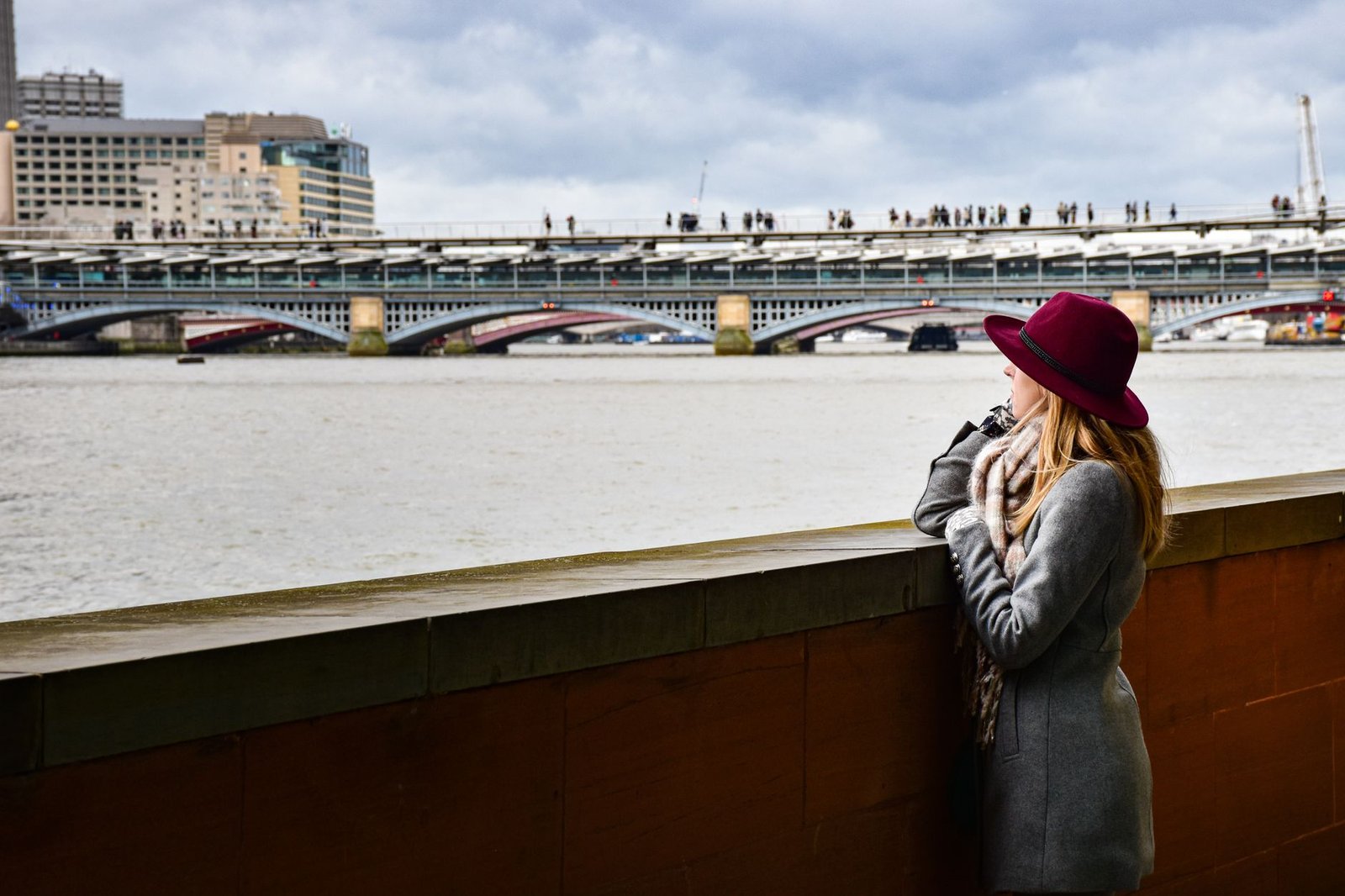
Most people overheat because they treat the journey like a single block of time. Your strategy should treat every transition as a decision point: indoors to outdoors, Tube to street, shade to sun. Before you step out, ask one question: Will I be able to remove something quickly if I heat up?
| Moment | Layer Change | What You Notice |
|---|---|---|
| Indoors with A/C | Keep mid layer on | Cool hands |
| Outdoors at first | Open outer layer | Breathing feels easier |
| Walking uphill or busy streets | Remove mid layer | Less sweat pooling |
| Direct sun exposure | Use shade and loosen | Skin warms faster |
| Heat stress risk | Remove unnecessary clothing | Immediate comfort shift |
Keep hats and sunglasses handy, and keep sunscreen within reach. If you start to overheat, the winning move is immediate layer shedding, not forcing yourself to stay covered.
Beat Indoor Heat With Blinds and Smart Ventilation
Overheating is not just an outdoor issue in London. Buildings trap warmth when sun hits windows, and indoor air can feel like a slow cooker once the temperature rises.
Close blinds or curtains on sun-facing windows to block radiant heat, then open windows only when outside air is cooler, often later at night. This reduces the temperature your layers have to fight.
Hydrate Like It Matters More Than Fashion
Layering controls insulation, but it cannot replace fluids. Drink plenty of water, especially when you anticipate travel, walking, or queues in warm indoor spaces.
Limit alcohol because it can worsen dehydration and impair your body’s ability to regulate temperature. If you feel thirsty, you are already behind.
When You Feel Hot, Remove Layers Immediately
There is a stubborn cultural habit of pushing through. Stop it. If you feel too hot, shed layers right away. Your body needs relief while the heat load is still manageable.
Delaying the change often turns “uncomfortable” into “dangerous.” Aim for rapid correction, then adjust back only when you cool down enough.
Pack a Cooling Micro-Plan for the Tube and Streets
London heat can hit suddenly because your route changes. The Tube can be crowded, outdoor sidewalks can bake, and your schedule might not match the forecast.
Carry practical cooling tools: a small water bottle, a light mist spray or cooling wipes, and something to cool exposed skin. If you overheat, cool exposed areas like the neck and underarms first, then reassess your layers.
Choose Shade and Breaks Over Toughing It Out
If you begin to overheat outdoors, your plan should include movement to relief, not endurance. Move to shade or a cool place, and take short breaks where air can circulate around you.

Heat responds to intervention fast, but it rarely responds to stubbornness.
Pair those breaks with light clothing removal and fluid sips. You should start feeling better within about 30 minutes if you act early.
Know When Overheating Becomes Medical Risk
Layering and cooling tactics are powerful, but they are not a substitute for medical help when symptoms escalate. If you are getting worse instead of better, or you suspect heatstroke, you need urgent support.
In the UK, call 999 for suspected heatstroke. If you are concerned but not in immediate danger, seek advice through NHS 111. Treat this as part of your overheating plan, not an afterthought.
How Can You Avoid Overheating in London with Adaptable Layering?
What layering system helps you avoid overheating in London?
Use adaptable layering that you can adjust quickly: start with a breathable, moisture-wicking base, then add one light mid layer and/or an outer layer that can be removed fast as temperatures change between indoor air conditioning and outdoor heat.
Which base layers should you choose for breathable, moisture-wicking comfort in London?
Choose lightweight cotton, linen, or bamboo and avoid clingy synthetics that trap heat; keep light colours and loose, airy fits, and carry essentials like a hat, sunglasses, and sunscreen so you can protect yourself without adding heavy clothing.
How do you add and remove mid or outer layers without getting too hot?
Pick easy-to-remove pieces such as a cardigan, zip-up sweatshirt, or a sheer or mesh shirt-jacket; leave layers open when you feel warm and close or add them only when needed, rather than waiting until you’re already uncomfortable.
How should you time your day to stay cool in London heat?
Plan outdoor activity for cooler periods like the morning and evening, limit direct sun during the hottest window (often 11am–3pm), drink plenty of water, and reduce alcohol to help your body regulate temperature.
What can you do if you start to overheat while you’re outside in London?
Move to shade or a cooler place immediately, remove unnecessary clothing, drink cool fluids, and cool exposed skin with a spray or damp sponge, or use cool packs under armpits and on the neck; you should start feeling better within about 30 minutes.
When should you seek medical help for heat stress in London?
If symptoms are worrying or not improving after cooling, contact NHS 111 for advice; call 999 for suspected heatstroke, especially if the person is confused, has collapsed, has very hot skin, or is not sweating normally.
Layering Wins Over Weather
For anyone asking how to avoid overheating in london with layering you can adapt, the answer is simple and practical: dress in breathable, moisture-wicking layers and keep at least one piece you can remove fast as soon as you feel warm. When your outfit can change as quickly as your temperature does, you stay comfortable, protect your energy, and enjoy London without the heat fight.

I am Ozan, a London-focused running writer and marathon enthusiast with a passion for helping people discover the city’s best races, running routes, walking trails, and fitness events. I research and write practical, up-to-date guides covering marathons, race preparation, training tips, running gear, and everything related to staying active in London.
My goal is to create reliable, easy-to-follow content that helps runners and walkers of all experience levels explore London with confidence, whether they’re preparing for their first 5K or their next marathon.