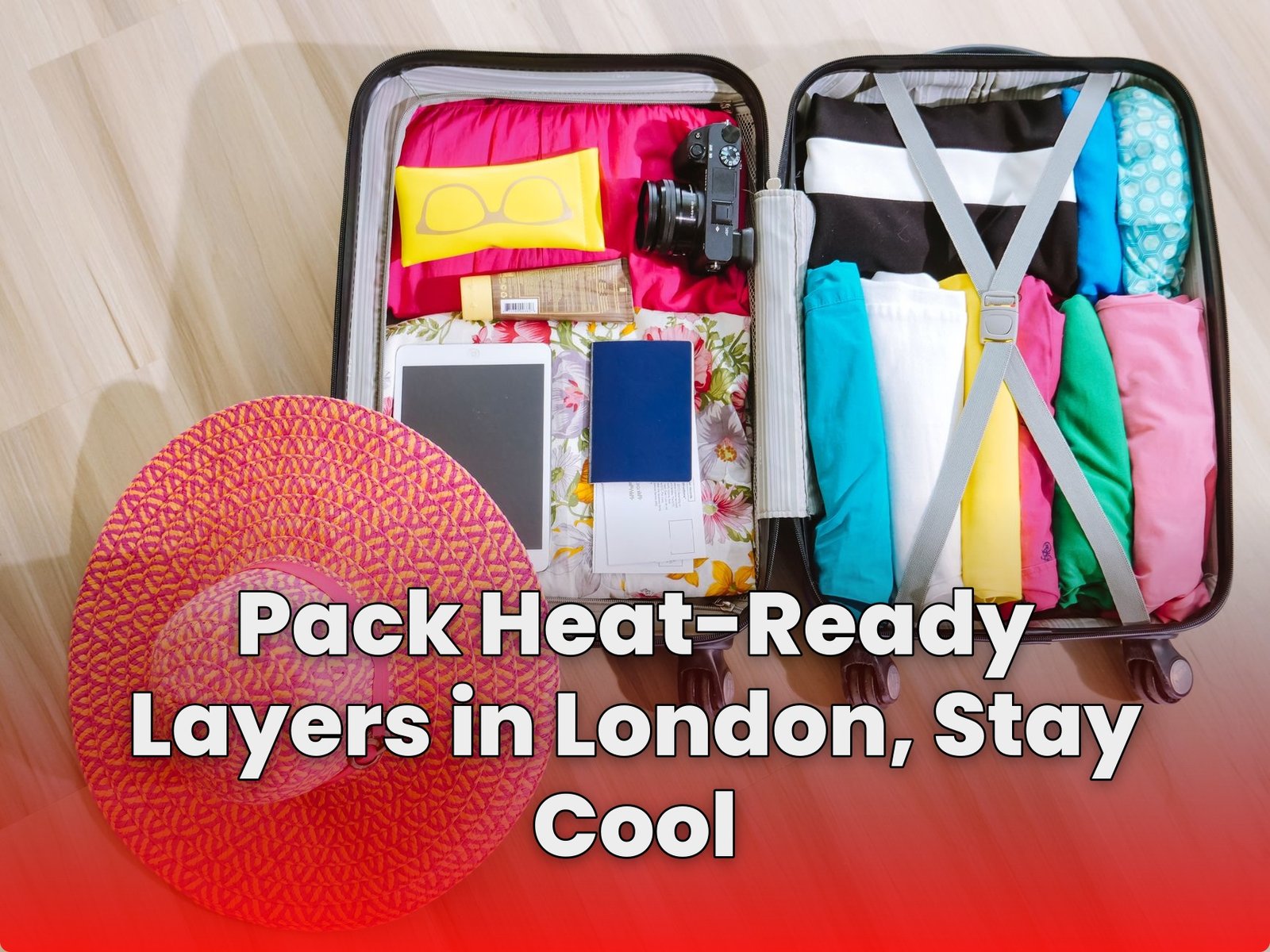
London’s weather doesn’t just change, it tests your outfit planning, and overdressing is the easiest way to feel miserable by lunchtime. The trick is not “buy warmer,” it is pack layers you can shed fast when the Tube turns into a sauna.
You should build a simple base–middle–shell system so your warmth is modular, not stubborn. Start with a breathable, moisture-wicking base, add one packable warmth layer, and finish with a lightweight windproof or waterproof shell that blocks the river breeze without trapping heat.
If you want to avoid overheating, commit to a rule: wear less than you think you need outside, and take every layer with you. London can start chilly and end warm, so slim bottoms, breathable walking shoes, and a compact umbrella beat the heavy-coat strategy every time.
Base Layers Decide Whether You Feel Cool Or Clammy
In London, your comfort starts with moisture control, not style. If your base layer traps sweat, you overheat the moment you step into a warmer Tube carriage or queue for a museum. So why bring anything that holds moisture like a sponge?
Choose a breathable, moisture-wicking base such as a merino vest or shirt, or a thin performance tee. Cotton can work in summer, but it wicks less and can leave you damp during stops, starts, and sudden drizzles. For the simplest rule, layering fundamentals keep you dry and temperature-flexible.
Middle Layers Must Be Packable, Not Precious
The common overheating mistake is treating the middle layer as something you cannot remove. A bulky sweater that stays on all day turns “chilly morning” into “sweaty afternoon” the first time you warm up indoors.
Pick a lightweight option that stuffs small: a thin merino cardigan, a light sweater, or a thin merino and fleece gilet that compresses easily. You want a middle layer you can take off in seconds when conditions shift, not one that requires a small wardrobe change.
A Shell Layer Is Your Wind And Rain Insurance
Your outer layer should handle the city’s worst moments: wind off the Thames, sudden showers, and cold gusts between stops. If your shell is too heavy, you will overheat on the street; if it is too flimsy, you will suffer when weather flips.
Use a lightweight waterproof or windproof hooded shell, ideally slim enough to wear over your base and still move comfortably on cobblestones. Consider features you will actually use, like a real hood and secure closures, because “maybe it will protect me” is how people end up cold while others stay comfortable.
Build A Neutral System So Layers Combine Instantly
Heat-ready packing fails when every item is a solo statement. You end up either wearing everything at once or repeating the same look all week. Neutrals solve that by letting you mix and match without thinking.
Go with slim, interchangeable colors and silhouettes. Aim for two or three tops plus a lightweight sweater and one tailored or statement layer for evenings. When your shell and gilet match your base colors, you can adjust warmth quickly without changing the entire outfit.
Think In Counts, Not In Hopes
Overheating often starts with overpacking the wrong categories. You may bring extra outerwear “just in case,” but that creates more clothing you feel compelled to keep on.
Use a simple counting strategy: 2–3 tops for rotation, 1 lightweight sweater or cardigan for warmth, and 1 evening layer that looks intentional. Keep your system tight so decisions get easier when you feel too warm. If you cannot name exactly what each item is for, it is probably excess.
Tube Heat Forces You To Think Like A Remover
London’s swing is real: chilly starts around 8–12°C, warmer highs that can climb above 30°C, and indoor spaces that amplify warmth fast. The key is not wearing less. It is wearing smart and having the ability to peel off layers whenever you cross doors.
Treat the Tube and indoor venues as a separate climate. Ask yourself: can you remove the layer that traps warmth without hunting for a place to stash it?
| Temperature Window | Layer State | Goal |
|---|---|---|
| 8–12°C Morning | Base + Middle | Stay warm without sweating |
| 16–22°C Midday | Base + (Middle off or on) | Adjust quickly as you move |
| Warm Afternoon | Base only | Prevent clammy heat |
| Tube Warm-Up | Middle removed | Ventilate fast |
| Hot High Above 30°C | Base only, Shell packed | Comfort in crowds |
The best performers in remote-season London behavior are the people who carry their “too warm” layer with them and put it back on only when wind or shade returns. Heat-ready packing means you control the layers, not the other way around.
Umbrella Choice Beats Coat Choice On Rain Days
If it rains, a heavy coat can feel suffocating within minutes, especially in stations. A compact umbrella lets you manage rain exposure without turning your whole body into a sauna.
Pair a light shell with a small, easy-carry umbrella for sudden showers. When you have options, you can keep your base and middle comfortable instead of defaulting to a single heavy outer layer you cannot tolerate once you warm up.
Bottoms Should Breathe And Stretch Through Real Walking
Overheating is not only a top-layer problem. If your trousers trap heat or restrict airflow, your body will feel worse even when your shirt seems fine. London involves lots of walking, stairs, and crowds, so bottoms matter.
Choose breathable, comfortable bottoms that can handle movement: lightweight trousers or performance-friendly fabrics that do not cling when you sweat. You should be able to walk for hours without feeling damp at the seams or restricted at the knees.
Shoes Must Survive Cobblestones And Keep Feet From Cooking
Comfort starts at your feet. Cobblestones and Tube stairs are punishing, and wet streets can turn ordinary shoes into cold, soaked misery. Meanwhile, poor breathability can make your feet overheat in closed spaces.
Opt for water-resistant trainers or low boots with decent grip and support. The goal is balanced performance: protect against damp surfaces while still allowing airflow so your feet do not turn into a heat source during long days.
Plan By Temperature Shifts, Not By Weather Headlines
Weather apps love extremes, but your body lives in between. Instead of chasing headlines, plan for the practical swing: cool mornings, variable afternoons, and occasional warm highs that arrive faster than your clothing choices.
Use a “start warm enough, adjust later” mindset. If you begin in a base and a light middle layer, you can remove the middle when you warm up. That plan beats guessing every morning and then suffering through the consequences.
Pack For Speed So You Actually Adjust Layers
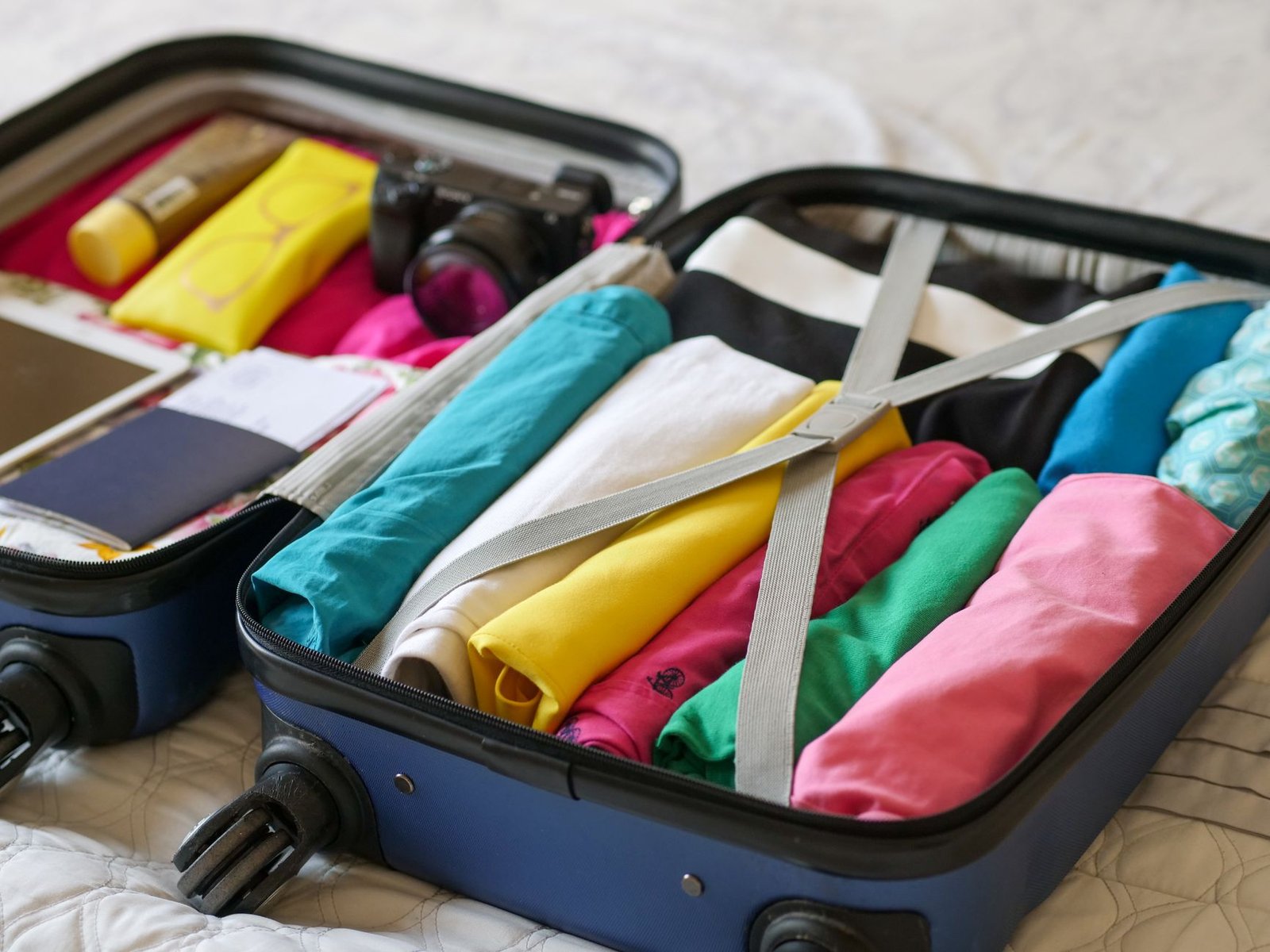
Even the best system fails if your layers are buried at the bottom of your bag. When you finally notice you are too hot, you should be able to remove and stow in seconds.
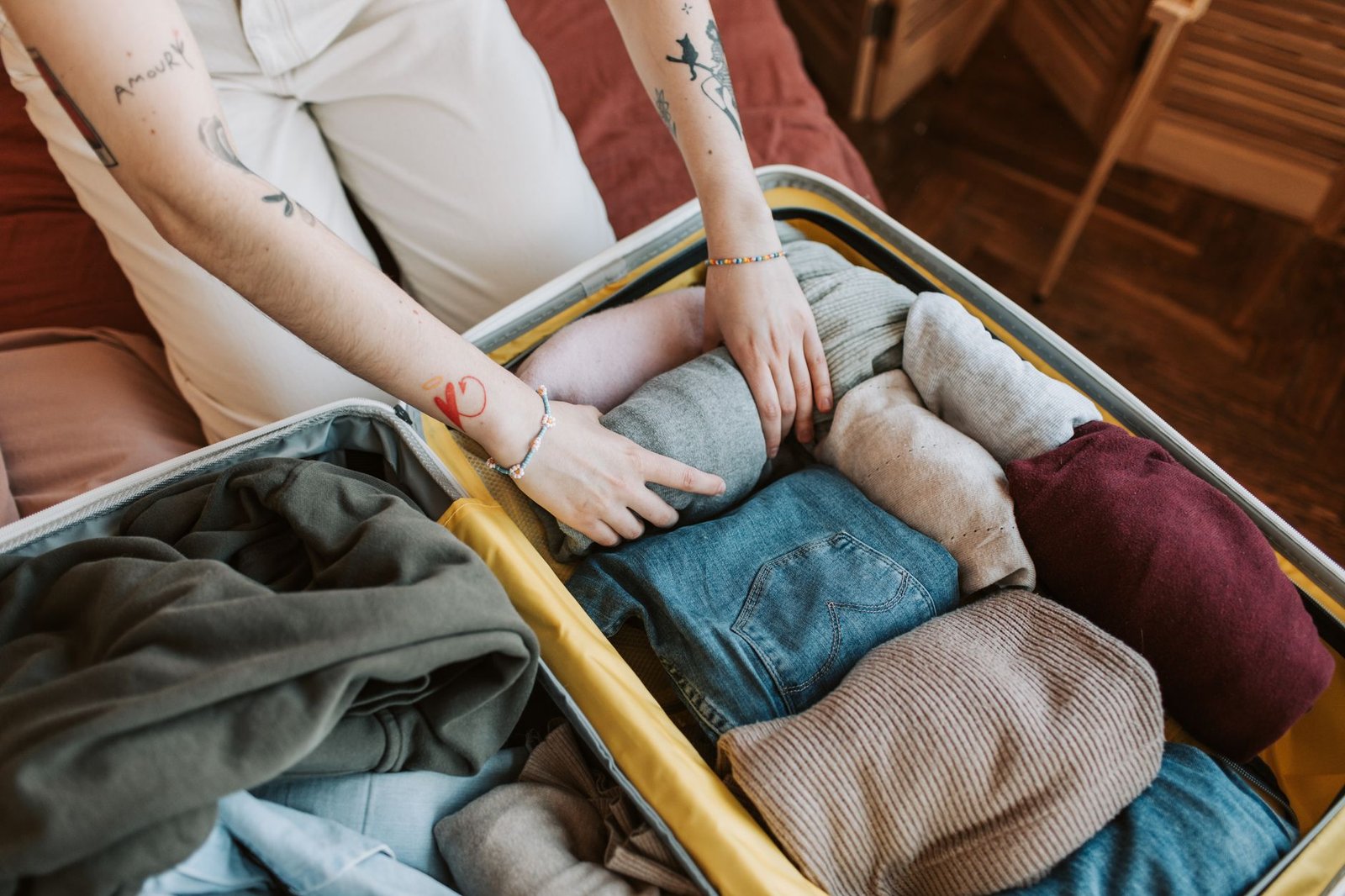
Pack slim layers so they slide on top or in an accessible pocket. Think about sequence: base first, middle next, shell on top where it is reachable. You want adjustments to feel effortless, because you will only do them if it is fast.
Avoid The Overheating Traps That Everyone Keeps Repeating
Let’s name the pattern: people bring one heavy coat, one thick sweater, and a cotton shirt they hope will “breathe.” Then they walk into warm stations and complain they feel overheated. If your clothing cannot adapt, it will always feel wrong at some point.
Skip the heavy coat approach. Limit bulky layers, prioritize wicking bases, use a packable middle, and treat your shell as a targeted shield. Heat-ready packing for London is about flexible control, not about carrying more fabric “just in case.”
How to Pack Heat-Ready Layers for London Without Overheating?
What Is the Base–Middle–Shell Method for Heat-Ready London Layering?
Use a base–middle–shell setup so you can remove layers as London warms up, starting with a breathable base, adding a packable insulating middle, and finishing with a lightweight windproof or waterproof shell for quick protection outdoors.
Which Breathable Base Layer Fabrics Help You Avoid Overheating in London?
Choose moisture-wicking fabrics like merino or technical performance tees so sweat moves away from your skin; if you’re packing for warmer days, a thin breathable layer beats heavier cotton because it dries faster.
How Do You Choose a Packable Middle Layer for Temperature Swings?
Pick one light warmth piece that folds small, such as a thin sweater, cardigan, or a merino/fleece gilet, so you can add it for cool mornings and peel it off when Tube carriages and afternoons get warmer.
What Outer Layer Works Best for Wind and Sudden Rain in London?
A hooded lightweight shell—ideally windproof and water-resistant—keeps you comfortable during chilly river wind and surprise drizzle; keep it slim so it layers easily over your middle without bulk.
How Should You Pack Layers in Your Bag to Remove Them Quickly?
Pack so the shell and middle are easy to access, then keep a simple routine: wear the base plus one layer outside, and carry the extra layer with you for indoor exits or when you warm up on streets and in the Tube.
Which Bottoms and Shoes Complete Heat-Ready Layers Without Getting Hot?
Go for breathable, non-restrictive bottoms like lightweight trousers or quick-dry leggings, and wear comfortable walking shoes such as water-resistant trainers or low boots to handle cobbles and wet sidewalks without making your feet overheat.
Pack Smarter, Not Heavier
How to pack heat-ready layers for London without overheating is simple: choose a breathable base, add one packable warmth layer, and finish with a lightweight windproof or waterproof shell so you can peel off quickly as the city swings from cool mornings to warm afternoons and sudden rain. One adaptable outfit beats one heavy coat every time, because comfort in London comes from layers you can control, not bulk you cannot.

I am Ozan, a London-focused running writer and marathon enthusiast with a passion for helping people discover the city’s best races, running routes, walking trails, and fitness events. I research and write practical, up-to-date guides covering marathons, race preparation, training tips, running gear, and everything related to staying active in London.
My goal is to create reliable, easy-to-follow content that helps runners and walkers of all experience levels explore London with confidence, whether they’re preparing for their first 5K or their next marathon.