Most people chase peak heart rate, but recovery tells the truth. That is exactly why why your recovery heart rate matters more than you think is the smarter question: heart rate recovery, often measured as how quickly your pulse drops one minute after hard exercise, acts like a real-time report on cardiovascular efficiency and autonomic balance.
If your heart rate bounces back quickly, your body is switching from “fight or flight” to “rest and digest” with less friction. If it drops slowly, it can signal reduced cardio-pulmonary fitness and, in broader health data, higher future cardiovascular risk. In fact, a 2017 meta-analysis in the general population found lower recovery values associated with greater risk of cardiovascular events and all-cause death, with risk rising as recovery worsens.
Here is my position: recovery heart rate should not be treated as a niche test detail. Use it as a trend you can improve, while also respecting its limits, because sleep, stress, hydration, and caffeine can shift results. If your recovery is persistently low, consider it a practical signal to review your training plan and talk with a healthcare professional rather than shrugging it off.
Recovery Heart Rate Is a Vital Sign, Not a Sports Gadget
If you only look at your peak heart rate or how hard the session “felt,” you are missing the part that often matters most. Heart rate recovery (HRR) measures how quickly your heart rate falls after peak exercise, usually calculated as the difference between peak (or end-exercise) heart rate and the heart rate 1 minute later. It is simple, but it is not shallow.
HRR is your body’s immediate report card on how efficiently the cardiovascular system and nervous system switch from high alert to recovery mode. Why would a metric that reflects that transition be less important than pace, reps, or a stopwatch?
Here is the stance: your recovery heart rate matters more than you think because it is tied to physiological resilience, not just training enthusiasm.
The Drop Reflects Autonomic Control You Can’t “Vibe” Your Way Through
During intense exercise, your sympathetic nervous system revs the body for action. After you stop, your parasympathetic system should help bring the heart rate down. HRR is essentially a measurable glimpse of that shift.
But can you feel autonomic dysfunction by paying attention? Sometimes you can, but often you cannot. The whole point of HRR is that it provides a signal even when perception is unreliable, especially on days when motivation is high and sleep was mediocre.
A fast bounce back is more than fitness. It is an indicator of how well your body can return to baseline.
That is why HRR deserves a place in your routine, not a place in the trivia section of your training log.

Sluggish HRR Is Linked to Real Risk, Not Just Statistical Noise
HRR has been studied in large populations and linked to future cardiovascular outcomes. A well-known 2017 meta-analysis in the general population found that lower HRR correlated with higher risk of cardiovascular events and all-cause death, with risk increasing for each 10 bpm decrease.
This is not the kind of correlation you ignore. HRR behaves like a stress test echo, reflecting how the body handles recovery after strain. If you want a practical takeaway, ask this: why would a measurement tied to mortality risk be dismissed as “just training data”?
Supporters of the alternative view often argue that HRR is too broad to matter for an individual. That is fair, but it is also incomplete. HRR is not a diagnosis. It is a risk-relevant signal worth discussing, tracking, and, when needed, investigating.
Why You Feel “Fine” Doesn’t Mean Your Recovery Is Fine
People tend to overvalue how they feel during exercise and undervalue what happens right after. Yet the moment after peak exertion is where your body has to rapidly recalibrate. HRR reveals that recalibration.
Consider two athletes. Athlete A finishes an interval set with grit and then watches the heart rate tumble down. Athlete B also completes the set, but the heart rate lingers at an elevated level. Which one is showing better physiological control, even if both report similar effort?
The myth is that performance equals recovery. The evidence pushes back: HRR is the “after” that your mind often forgets to measure.
Cutoffs Are Imperfect, But They Still Guide Action
Reference values vary because testing protocols vary. Still, cutoffs are useful when you treat them as ranges and trend signals, not absolutes. For example, a common clinical guideline cited by major medical sources uses ≥18 bpm at 1 minute for a “good” HRR.
In clinical guidance, a 1-minute drop of at least 18 bpm is often considered favorable, while notably lower values can suggest impaired recovery mechanisms.
So if your HRR falls below a cutoff, are you doomed? No. But dismissing it as meaningless is the wrong lesson. Cutoffs are flags that tell you whether it is worth looking deeper and tightening your training, sleep, and stress foundation.
Stop Guessing and Start Comparing Your Numbers
HRR becomes powerful when you compare it consistently. You want the same test style, similar intensity, and the same timing for the 1-minute measurement. Without consistency, the number is only a snapshot.
| 1-Minute HRR (bpm drop) | Common Interpretation | Practical Next Step |
|---|---|---|
| ≥18 | Often Considered Good | Maintain training and recovery habits |
| 12–17 | Borderline | Audit sleep, stress, and pacing |
| <12 | Potentially Concerning | Discuss with a healthcare professional |
| ~13 | Sometimes Used as a Cutoff | Track trends across weeks |
| 10 and Below | Very Low Signal | Consider deeper evaluation |
This is not a magic scoreboard. It is a decision framework that turns “mysterious fatigue” into something you can act on.
Some will object that HRR is influenced by equipment, beta blockers, and test protocol. Yes. That is exactly why consistency matters. A sloppy test cannot prove improvement or decline, but a consistent test can reveal meaningful trends you otherwise miss.
Training Helps, but Stress and Sleep Can Hijack Recovery
HRR can improve with aerobic conditioning and sometimes with added higher-intensity work, because the cardiovascular system becomes more efficient and recovery transitions get faster. That is the good news.

The uncomfortable news is that HRR can also worsen when life outside the gym goes sideways. Sleep loss, high stress, dehydration, and caffeine timing can all affect heart rate regulation. If you only judge your training day, you miss the broader physiology you are actually measuring.
Are you sure the change is fitness? Sometimes it is not. Track what you can, and treat HRR shifts as a reason to ask better questions about recovery inputs.
How to Measure HRR at Home Without Fooling Yourself
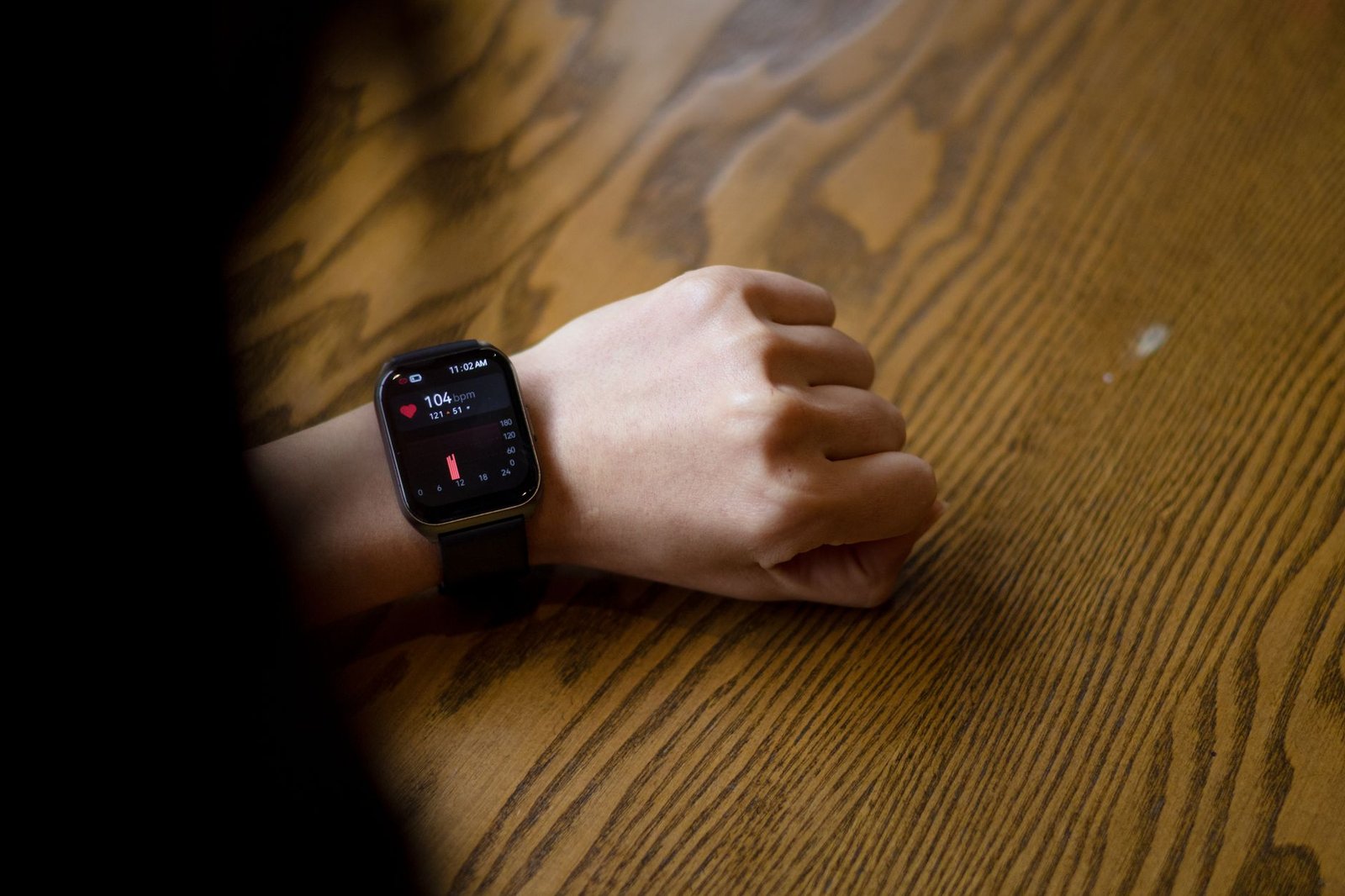
HRR is easiest to compute from a clean exercise test with a clear peak and a heart rate reading at 1 minute after stopping. If your data comes from a wearable, you need to know how it reports heart rate after you stop moving, because lag and smoothing can distort the drop.
Keep the protocol stable: similar warm-up, similar intensity targets, and a consistent stop method. Then measure the 1-minute HRR the same way each time. If you switch between sprinting, cycling, and rowing, the numbers will reflect the movement demands as much as your recovery capacity.
This is where people make a mistake. They chase a single “bad day” number without controlling for measurement and protocol. HRR rewards discipline.
Very Low HRR Can Point Beyond Conditioning
HRR is not only a training metric. Evidence links very low HRR with conditions such as coronary artery disease, diabetes, heart failure, and hypertension, and it may signal autonomic nervous system dysfunction. That does not mean low HRR equals disease, but it does mean low HRR should not be ignored.
Think of HRR as a smoke detector, not a smoke-filled room. The goal is to prompt smarter follow-up, especially if the signal persists.
Critics sometimes argue that because HRR is influenced by many factors, it cannot be clinically meaningful. That is like saying smoke detectors are useless because houses have different wiring. The value is in the flagging, not the precision diagnosis.
When You Should Treat HRR as a Medical Conversation
If your HRR repeatedly lands in the concerning range, especially when you are otherwise training consistently, it is time to bring it to a clinician. Many people wait for symptoms, but HRR can be a pre-symptom signal.
Also consider context. If low HRR appears alongside chest discomfort, unusual shortness of breath, faintness, or marked exercise intolerance, do not “train through it.” Get evaluated. Recovery is part of exertion safety.
Bottom line: persistently sluggish HRR is not a reason to panic. It is a reason to investigate and improve your overall health strategy.
Medications, Age, and Baseline Fitness Change the Meaning
HRR does not exist in a vacuum. Age affects autonomic regulation and cardiovascular responsiveness. Baseline fitness affects how your heart rate behaves after exertion. Medications, including beta blockers, can blunt heart rate responses and complicate interpretation.
That is why HRR should be used as a trend within your situation, not as a one-time verdict. Compare you to you, then consider clinical context. The goal is not to “win” the cutoff. The goal is to understand what your body is signaling.
Is a low number always bad? Not necessarily. But it is always information.
Make HRR Part of Your Plan, Not a Random Metric
If you want a training metric that reflects resilience, HRR is hard to beat. It captures recovery transitions that pace and total workout volume cannot fully reveal. When used correctly, it helps you identify whether your training plan matches your recovery capacity.
So build a habit: choose a consistent test method, track your 1-minute HRR, and review trends monthly. Then adjust sleep, stress management, and training load based on what your recovery heart rate is telling you.
After all, why collect data you never use? If why your recovery heart rate matters more than you think is the lesson, the action is straightforward: measure it well, track it consistently, and treat it as a meaningful health signal.
Why Your Recovery Heart Rate Matters More Than You Think
What Is Recovery Heart Rate (HRR) And How Is It Measured?
Recovery heart rate, or heart rate recovery (HRR), is the drop in heart rate after you stop peak exercise, usually calculated as the difference between your end-exercise (peak) heart rate and your heart rate measured about 1 minute later.
Why Does Heart Rate Recovery Matter For Cardiovascular Health?
HRR matters because a faster “bounce back” generally reflects better cardiovascular and cardiopulmonary fitness and a smoother shift from the sympathetic (“fight or flight”) system toward the parasympathetic (“rest and digest”) system, and slower HRR has been linked to higher future cardiovascular risk and increased all-cause mortality.
What Is Considered Normal Or Healthy 1-Minute Heart Rate Recovery?
Common clinical reference points include HRR of about ≥18 bpm at 1 minute being “good” in some guidance (such as the Cleveland Clinic), while many fitness frameworks cite an average around 15–25 bpm and consider values under ~12 bpm potentially concerning; research cutoffs vary, but consistently low HRR is generally a reason to discuss with a clinician.
Can Training Improve Heart Rate Recovery, And How Fast Might It Improve?
Yes—regular aerobic conditioning, often combined with some higher-intensity work, can improve HRR over time by strengthening cardiovascular efficiency, though the exact timeline varies by baseline fitness, training consistency, and individual recovery capacity.
What Factors Can Make Your Recovery Heart Rate Look Worse In The Moment?
HRR can be temporarily affected by factors like poor sleep, high stress, dehydration, caffeine use, illness, and the type of exercise or measurement method, and certain medications (for example, beta blockers) may also change heart-rate behavior, so context matters when interpreting results.
When Should You Talk To A Doctor About Low Heart Rate Recovery?
You should consider medical advice if your HRR is persistently low (for instance, around or below ~12 bpm at 1 minute), especially if you also have symptoms such as chest pain, unusual shortness of breath, fainting, or if you have known cardiovascular risk factors like diabetes, hypertension, or prior heart disease.
Your Recovery Heart Rate Is a Real Warning Signal
Why your recovery heart rate matters more than you think is simple. If your pulse drops slowly after hard effort, your cardiovascular system is struggling to shift back into rest mode, and research links poorer recovery with higher future risk, including heart disease and even mortality. Train smarter, track it consistently, and if it stays notably low, treat it as a cue to talk with your clinician and tighten your overall health plan.

I am Ozan, a London-focused running writer and marathon enthusiast with a passion for helping people discover the city’s best races, running routes, walking trails, and fitness events. I research and write practical, up-to-date guides covering marathons, race preparation, training tips, running gear, and everything related to staying active in London.
My goal is to create reliable, easy-to-follow content that helps runners and walkers of all experience levels explore London with confidence, whether they’re preparing for their first 5K or their next marathon.